|
|  |
Resources for Revitalization
DECEMBER 2024
| | |
|
|
CCLR remains funded and committed to supporting environmental and social justice
As 2024 comes to an end, I reflect on how our team, partners, and the communities we serve have made such progress to transform brownfields from liability to possibility this year. I am looking forward to what 2025 holds for the advancement of just and resilient communities.
| |
|
While we anticipate many changes to federal priorities, I am confident that solutions to environmental and social issues will continue where they started: at the local level. Brownfield reuse will remain an important component to progress, and the Center for Creative Land Recycling will be here to support land reuse champions as we have for the past 26 years.
This autumn, CCLR reviewed the highest number of EPA brownfield grant applications in our organization’s history. We anticipate that high-levels of brownfield funding will continue next year. We encourage you to pursue this funding, and to connect with us early next year to start preparing for your grant application. CCLR’s team looks forward to continuing to support your land reuse project and collaborate on actionable solutions in 2025 and beyond.
Jean Hamerman
Executive Director
| |
|
California: Sierra Institute for Community and Environment Expands Cross Laminated Timber Production at Former Brownfield
At the start of 2024, CCLR featured the Sierra Institute in its Rural Revitalization video, which highlighted how the nonprofit leveraged brownfield funding to redevelop a sawmill.
| |
|
|
The development of the Indian Valley Wood Utilization Campus has created jobs and is utilizing burned trees felled for fire safety to create locally sourced biofuel and lumber.
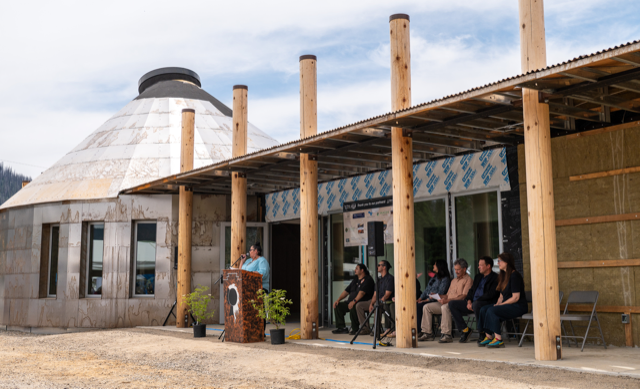
This fall, the Sierra Institute was awarded $1 million from the U.S. Forest Service, $2 million from Cal Fire and another $1 million from the Tahoe Truckee Community Foundation to develop a community-scale Cross Laminated Timber processing facility at the Indian Valley Wood Utilization Campus. CLT is a sustainable and fire-resistant product that the Sierra Institute will utilize to rebuild homes and businesses lost to the 2020 Dixie Fire. Also this year, the Sierra Institute held a ribbon cutting ceremony for the new Roundhouse Council Building for the Mountain Maidu People in Greenville, California. The new Roundhouse replaces the Tribe’s previous facilities that were destroyed by the Dixie Fire. The new resilient building is made of CLT and honors traditional tribal architecture and cultural heritage while better meeting the needs of the Tribe.
| | |
|
|
Arizona: Superior Graduates First Enterprise Center Class
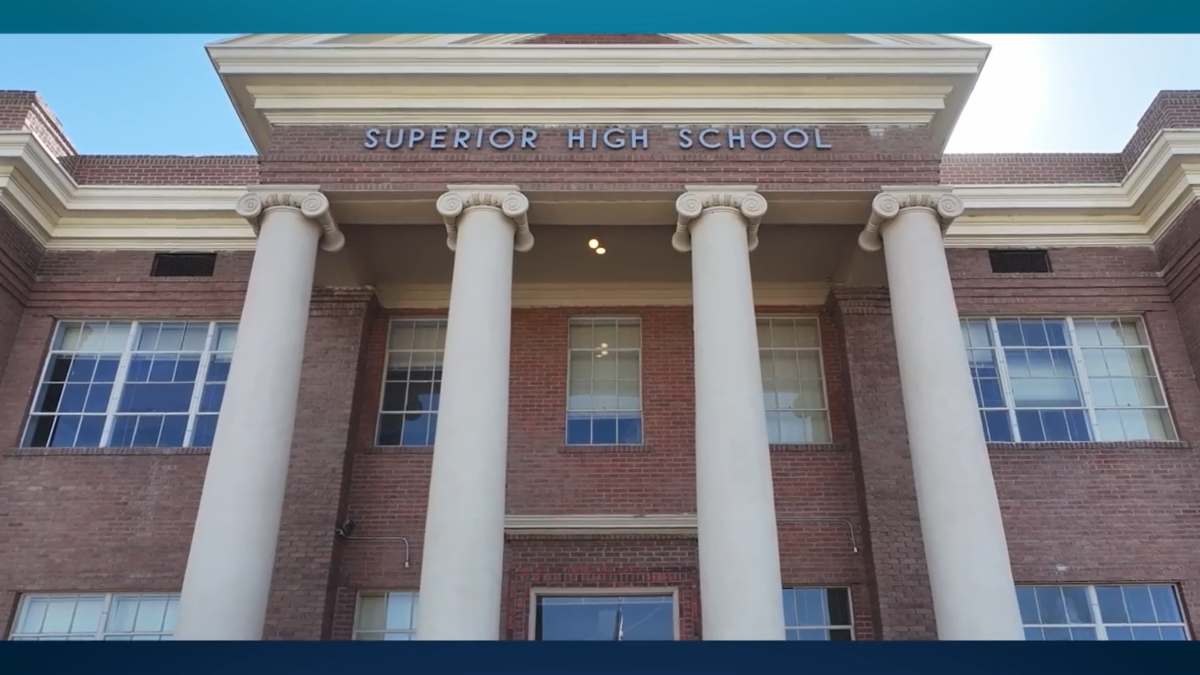
The town of Superior is utilizing brownfield funding to transform its nearly 100-year-old historic high school into a multifaceted center for community support.
| |
The first phase of that transformation, the Superior Enterprise Center, graduated its first class of welding students this spring. The second class is currently in full swing, training Superior youth in skills that will help them secure high-paying jobs, and make a life for themselves in their hometown. Watch CCLR's Video on Superior’s Brownfield Transformation. | | |
|
|
Congrats ARC Applicants!
Congratulations to everyone who submitted their FY25 ARC Grant application! Our team reviewed 60 applications (that's over 600 pages) to make sure applicants are maximizing their chances for awards.
After a well earned break, remember that it’s never too early to start thinking about the next cycle, schedule a call with CCLR and review our Funding Redevelopment page to learn more about options for FY26.
| | |
|
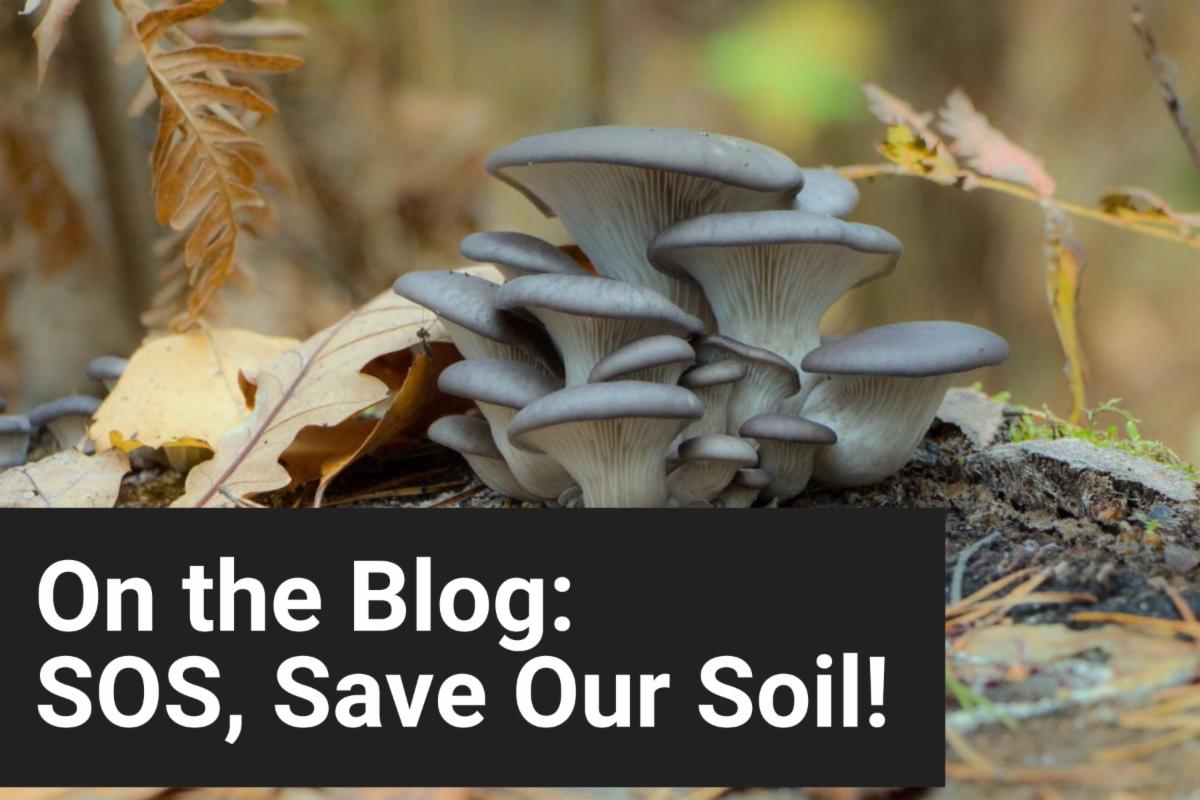
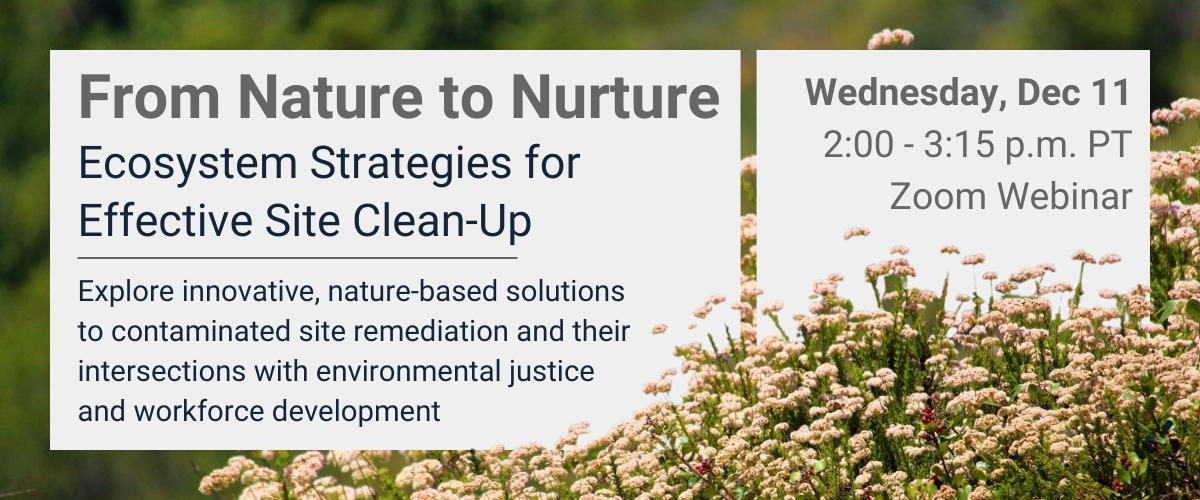
Soil is more than just dirt; it is the backbone of our ecosystems and an essential component of human life. But widespread urbanization, deforestation, and industrial farming have depleted soil quality worldwide... | |
Whether you’re an environmental professional, community advocate, or policy-maker, this webinar will provide valuable insights into transforming degraded sites into vibrant, healthy ecosystems with benefits that extend beyond clean soil and water to social and economic resilience. | | | |
|
Check out slides and recordings from CCLR and CCEEJ's latest webinar Game Changers: Crafting Community Outreach MVPs (Most Valuable Plans) | |
EPA is hosting a series of webinars for assistance agreement grant applicants and recipients. | |
ADDITIONAL RESOURCES & FUNDING OPPORTUNITIES | |
|
EPA Seeks Public Comment on Framework to Advance Consideration of Cumulative Impacts on Communities
The EPA has released a new draft framework on approaches to incorporate cumulative impacts in delivering public health and environmental protections for communities and Tribes. Many brownfield communities are overburdened by multiple sources of pollution. This Framework is the latest steps in EPAs efforts to better understand and address the impacts such pollution burdens on communities. Learn more and comment.
| |
Mitigate urban heat islands: Submit letter of interest by December 12
EPA is accepting letters of interest from new or existing partnerships between a local, county, or tribal government and a neighborhood or community group to receive technical assistance through the Building Blocks program.
| | |
|
|
DTSC's Technical Assistance Grant (TAG): Letters of Intent due by December 20
The TAG Program aims to provide vulnerable California communities with the resources to become active participants, leaders, and advocates in the investigation and cleanup of contaminated sites that affect them. Schedule a meeting to discuss the program with CCLR today!
Eligibility: Community groups under fiscal sponsorship, 501(c)(3) nonprofits, and Tribes
Deadline: January 15, 2025
| | |
|
|
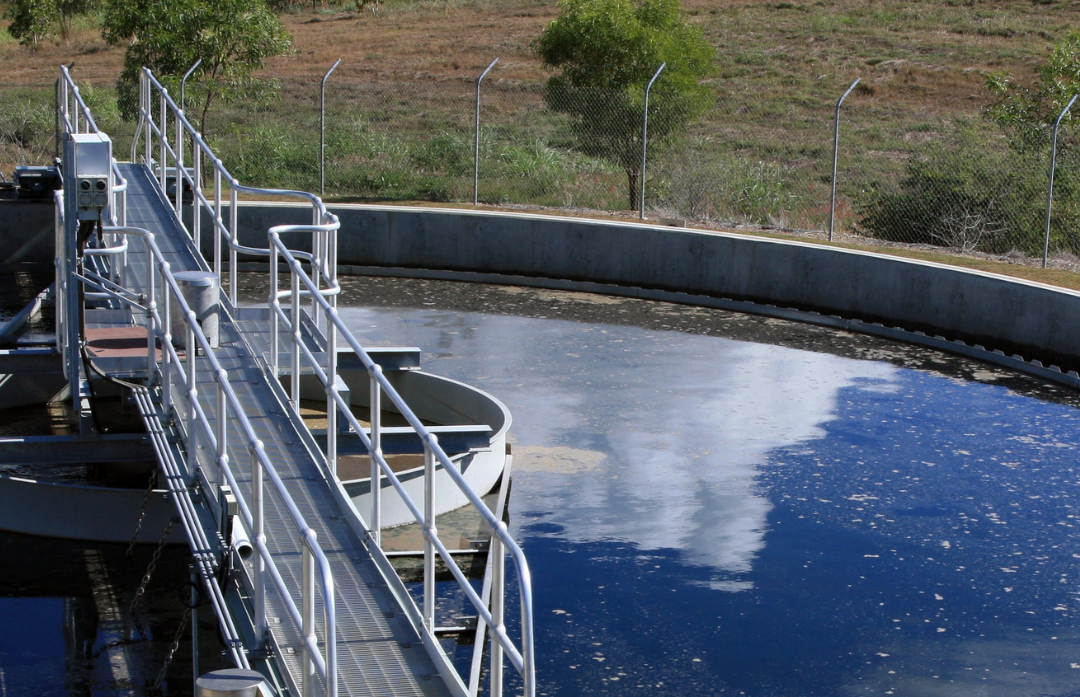
Solid Waste Infrastructure for Recycling Grants for Communities
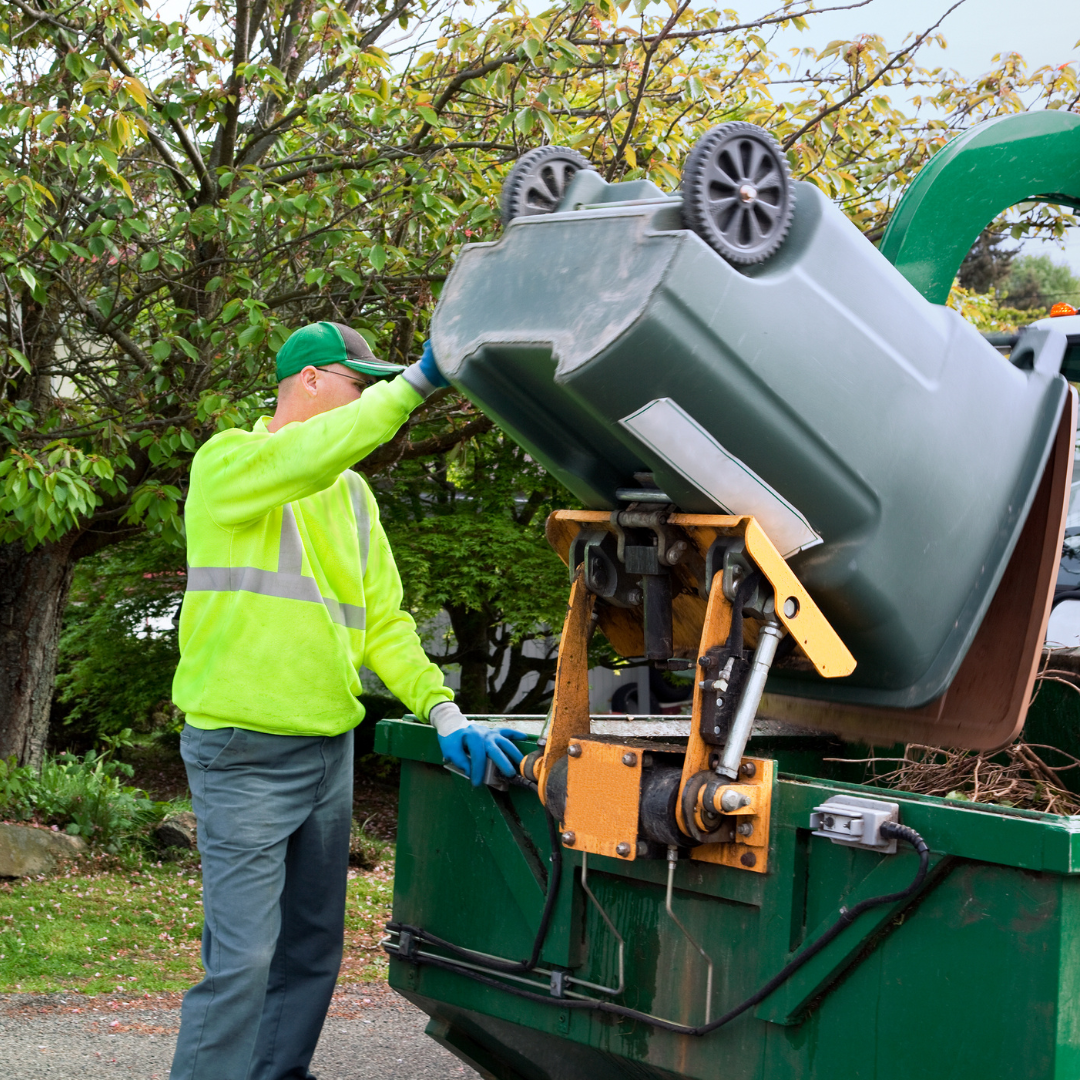
EPA is offering awards of $500,000 to $5,000,000 to fund projects that implement the “building a circular economy for all strategy series,” improve local post-consumer materials management programs, and make improvements to local waste management systems.
Eligibility: Political subdivisions of states & territories
Deadline: December 20, 2024
| |
Do you need technical assistance with a land reuse project? | | |
| | | |