APRIL 2026

IN THE NEWS

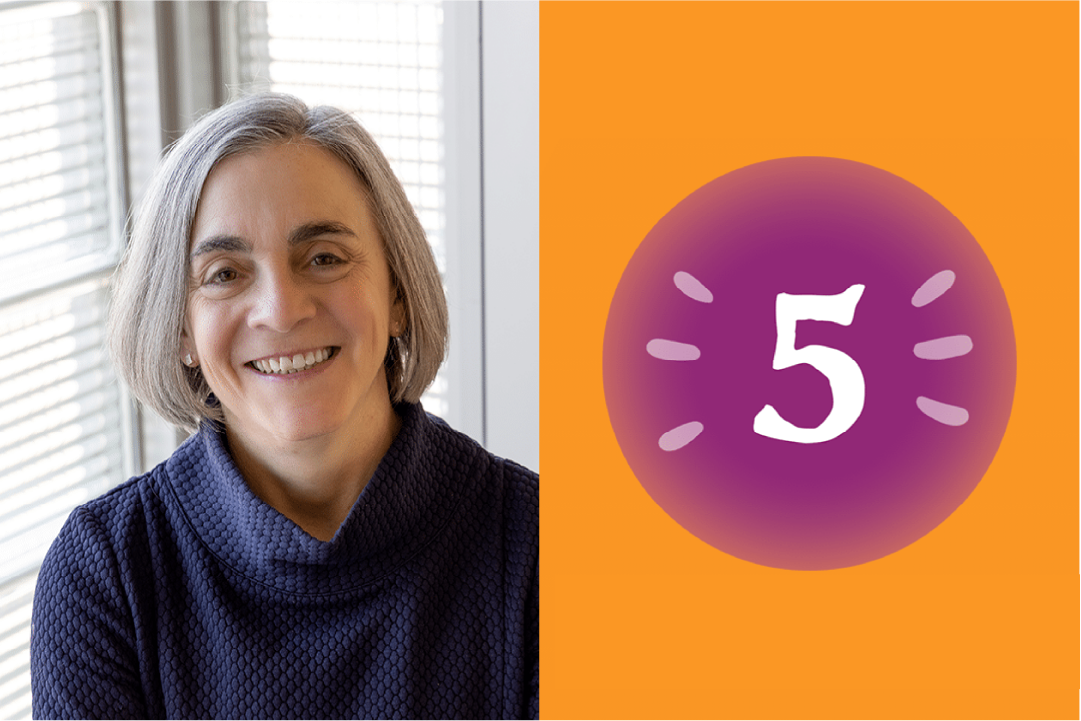
Celebrating 5 Years of the 21st Century Cures Act


Our Executive Director, Cait DesRoches, DrPH, looks back on the five years since the implementation of the 21st Century Cures Act Information Blocking Rule in April 2021. The Cures Rule gave patients near real-time access to their electronic health information, including open notes. Looking ahead, OpenNotes is thoughtfully focusing on leveraging innovations, such as artificial intelligence (AI), while ensuring patient voices guide the future of care. Read more.


"Can Artificial Intelligence Help People with Cancer Make Better Sense of Their Diagnosis?"


Cancer Today Magazine quotes Liz Salmi about the potential positives and negatives of using large language models (LLMs) to help understand health information. The magazine references OpenNotes' proof-of-concept study published in the Journal of the American Medical Informatics Association (JAMIA), that found the quality of LLM responses to be highly contingent on how the models were prompted. Rather than avoid AI because of the potential pitfalls, Salmi advocates for AI health literacy. Read more.


WHAT WE ARE READING

"Patients Are Not Waiting for Permission: The Rise of the AI-Empowered Patient"


This commentary in The Lancet Primary Care argues that the patient-clinician relationship must radically transform to meet the realities of AI. The article makes an argument that medical appointments are no longer the first place patients turn to for information. Instead of seeing themselves as experts, primary care clinicians should see themselves as facilitators of how patients take care of themselves outside of the doctor’s office. Read more. (open access)

"Doctors Couldn’t Help Them. They Rolled the Dice With A.I."


Diagnoses can take months or years and are particularly hard to come by for female patients. Women are increasingly turning to AI to make sense of their symptoms. The New York Times interviewed some women who were able to find a diagnosis using ChatGPT. Read more.

"KFF Tracking Poll on Health Information and Trust: Use of AI For Health Information and Advice"


A recent KFF Tracking Poll finds that about one in three U.S. adults (32%) now use AI chatbots for health information. Most users say that a desire for immediate access to answers was their key driver. Notably, younger adults, uninsured individuals, and Black and Hispanic populations are more likely to turn to AI particularly for mental health support. Read more.

"Why Am I Watching People Get Their Medical Results?"


The emotional rollercoaster of being a patient is often experienced in private. According to The New York Times, patients are turning to social media to document the moment they receive new lab results. Without face-to-face time with a clinician to help interpret these findings, many look online for connection around this decontextualized data. Read more.

Social Media Spotlight

LinkedIn

BlueSky

YouTube

OpenNotes.org

Read our archived newsletters