|
The Future of Work is Diverse, Inclusive, Just, and Equitable
GlobalMindED is an Inclusive Success NetworkTM dedicated to creating a capable, diverse talent pipeline and connecting students to role models, mentors, internships, and jobs.
| |
|
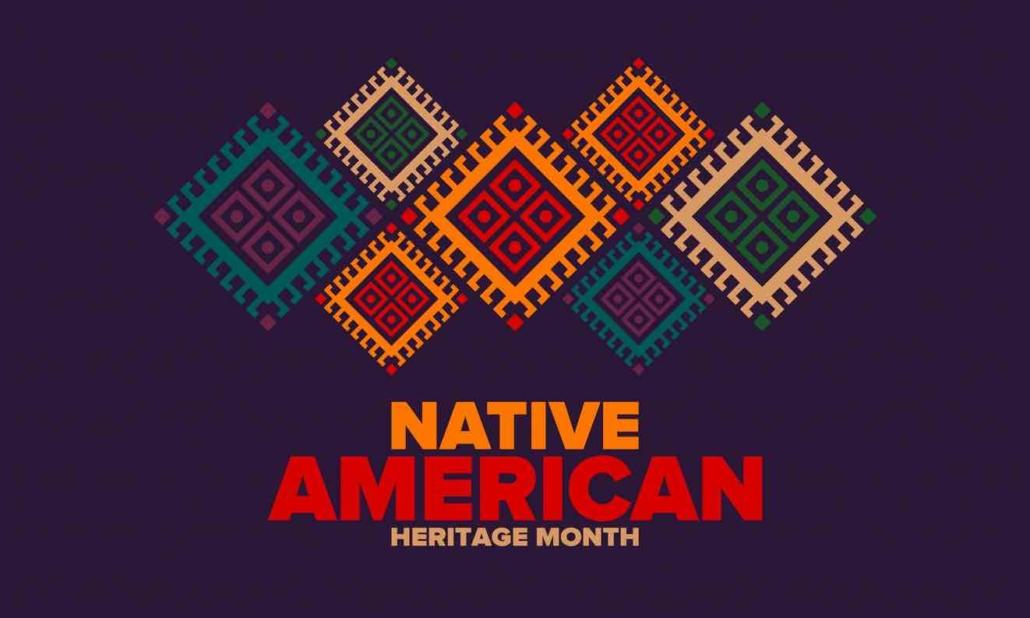
Celebrating Native American Heritage Month
"What is man without the beasts? If all the beasts were gone, man would die from a great loneliness of spirit. For whatever happens to the beasts soon happens to man. All things are connected." - Chief Seattle
This quote emphasizes the deep connection Native Americans have to the natural world and the importance of preserving their traditions and way of life. It speaks to the resilience and wisdom of Native American cultures, which have endured for centuries.
According to the 2020 U.S. Census, there are approximately 6.8 million Native American and Alaska Native people in the United States. This represents 2.1% of the total U.S. population.
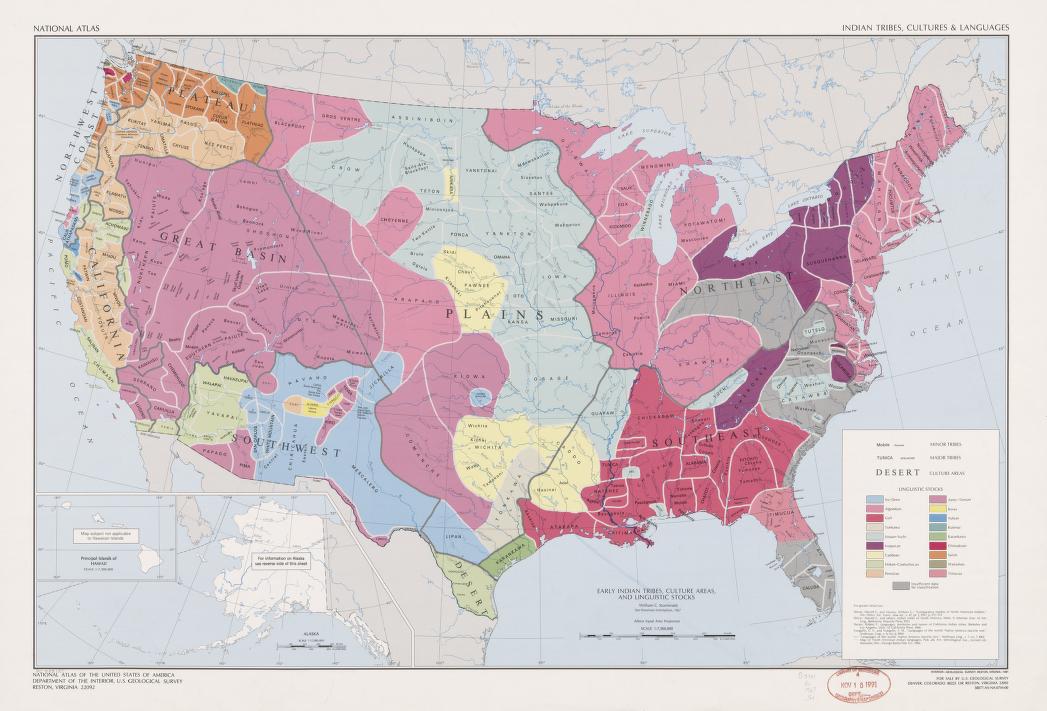
Native American tribes are diverse groups with rich histories and cultures. They are the original inhabitants of North America and have inhabited the continent for thousands of years. There are over 570 federally recognized tribes in the United States, each with its own unique language, customs, and traditions.
Some well-known tribes include the Navajo, Cherokee, Sioux, Apache, and Inuit. These tribes have made significant contributions to American history and culture, including art, music, literature, and food.
|  | |
Native American Languages
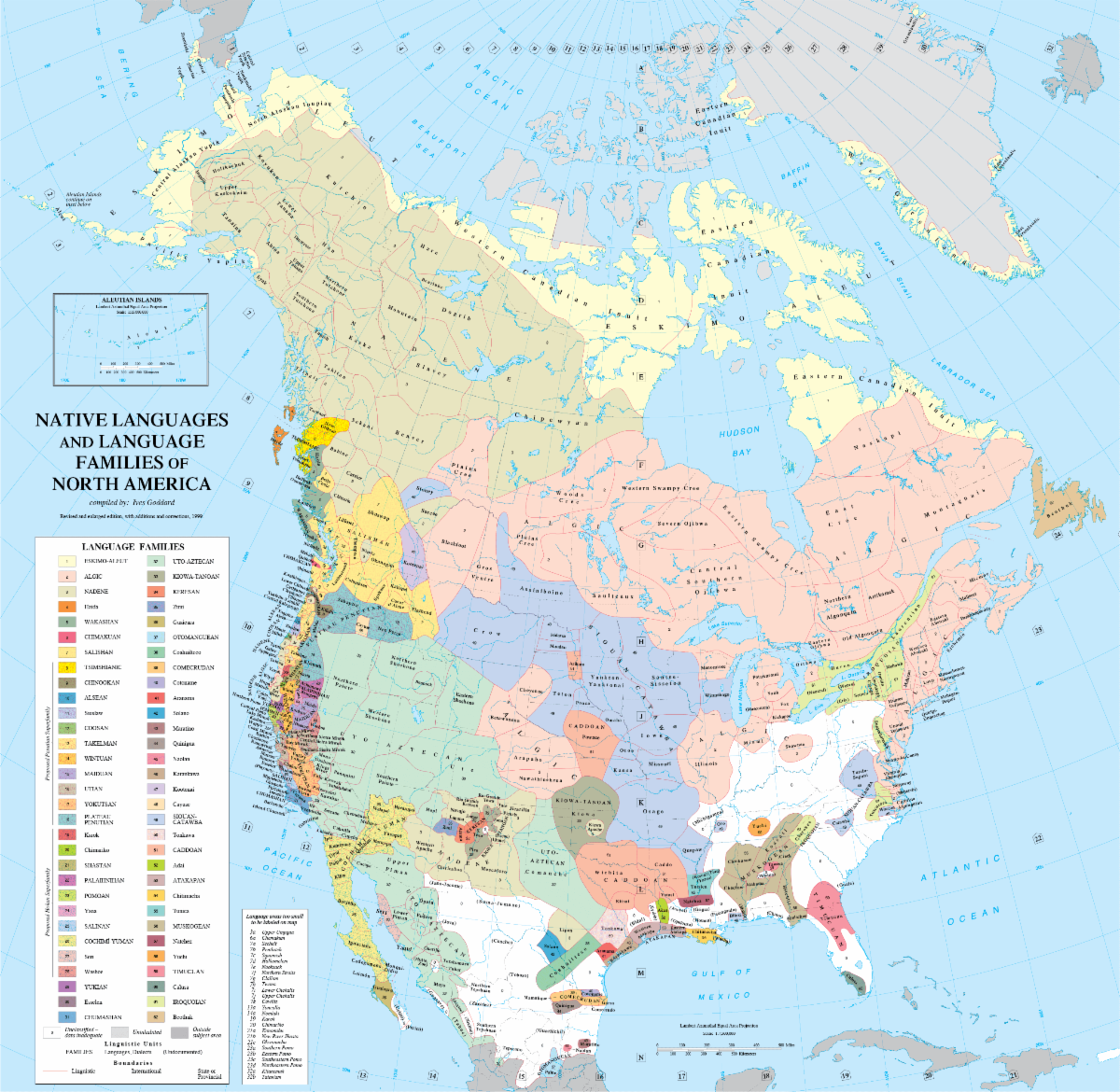
Native American languages are a testament to the rich cultural and linguistic diversity of the Americas. These languages, with their unique sounds, grammar, and worldviews, have been spoken on these lands for millennia. However, many of these languages are now endangered, facing the threat of extinction.
According to the National Museum of the American Indian, most Indigenous languages of the Americas are critically endangered, with many dormant or entirely extinct. While there are no precise figures on the exact number of Native American languages, estimates suggest that hundreds existed before European colonization. Today, the number of active languages is significantly lower.
Forced assimilation, boarding schools, discrimination, and globalization have led to the decline of Native American languages.
Language immersion programs, documentation efforts, and community-led initiatives are revitalizing Native American languages. Preservation is vital for cultural heritage, cognitive benefits, and environmental knowledge.
|  | |
Native American Art and Dance
Native American art and dance are vibrant expressions of rich cultural heritage, deeply intertwined with spiritual beliefs, historical narratives, and community traditions. These art forms have evolved over centuries, reflecting the diversity of tribes and nations across North America.
Native American art encompasses a vast array of mediums and styles, including pottery, basketry, textiles, jewelry, painting, and drawing. Each form serves both functional and aesthetic purposes, often carrying deep cultural significance.
Native American dance is a powerful and expressive art form that connects individuals to their ancestors, the natural world, and the spiritual realm. Styles like Powwow, Circle Dance, Fancy Dance, and various traditional dances vary by tribe and region, but all share a common thread of cultural expression and community.
The preservation of Native American art and dance is essential for maintaining cultural identity and passing on traditions to future generations. Many tribes and organizations are working to revitalize these art forms through education, workshops, and community-based initiatives.
By appreciating and supporting Native American art and dance, we can honor the rich cultural heritage of these indigenous peoples.
|  | |
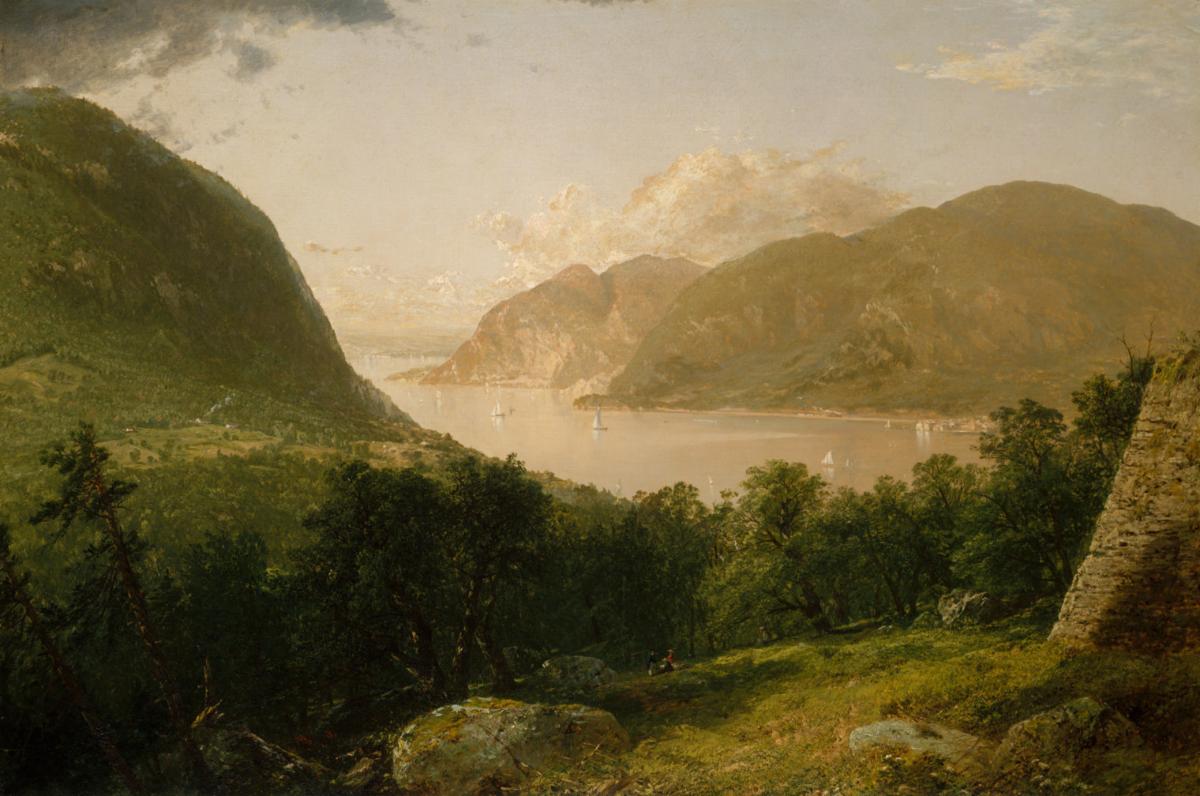
John Frederick Kensett (American, 1816–1872). Hudson River Scene, 1857. Oil on canvas, 32 x 48 in. (81.3 x 121.9 cm). The Metropolitan Museum of Art, New York, Gift of H. D. Babcock, in memory of his father, S. D. Babcock, 1907 (07.162). On view in gallery 759. | | |
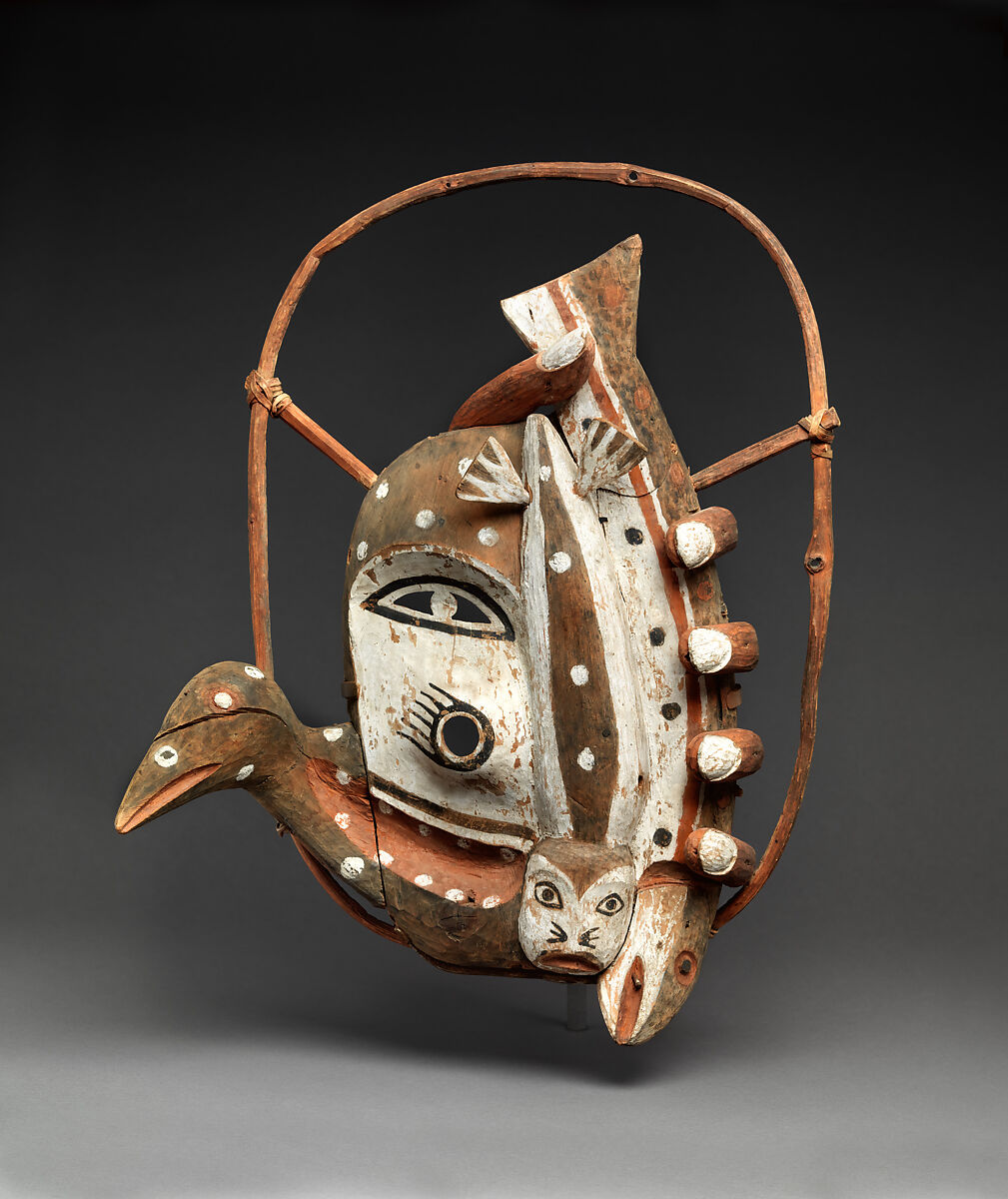
Mask, Yup'ik, Native American, ca. 1900 | |
|
United Nations Conference 2024
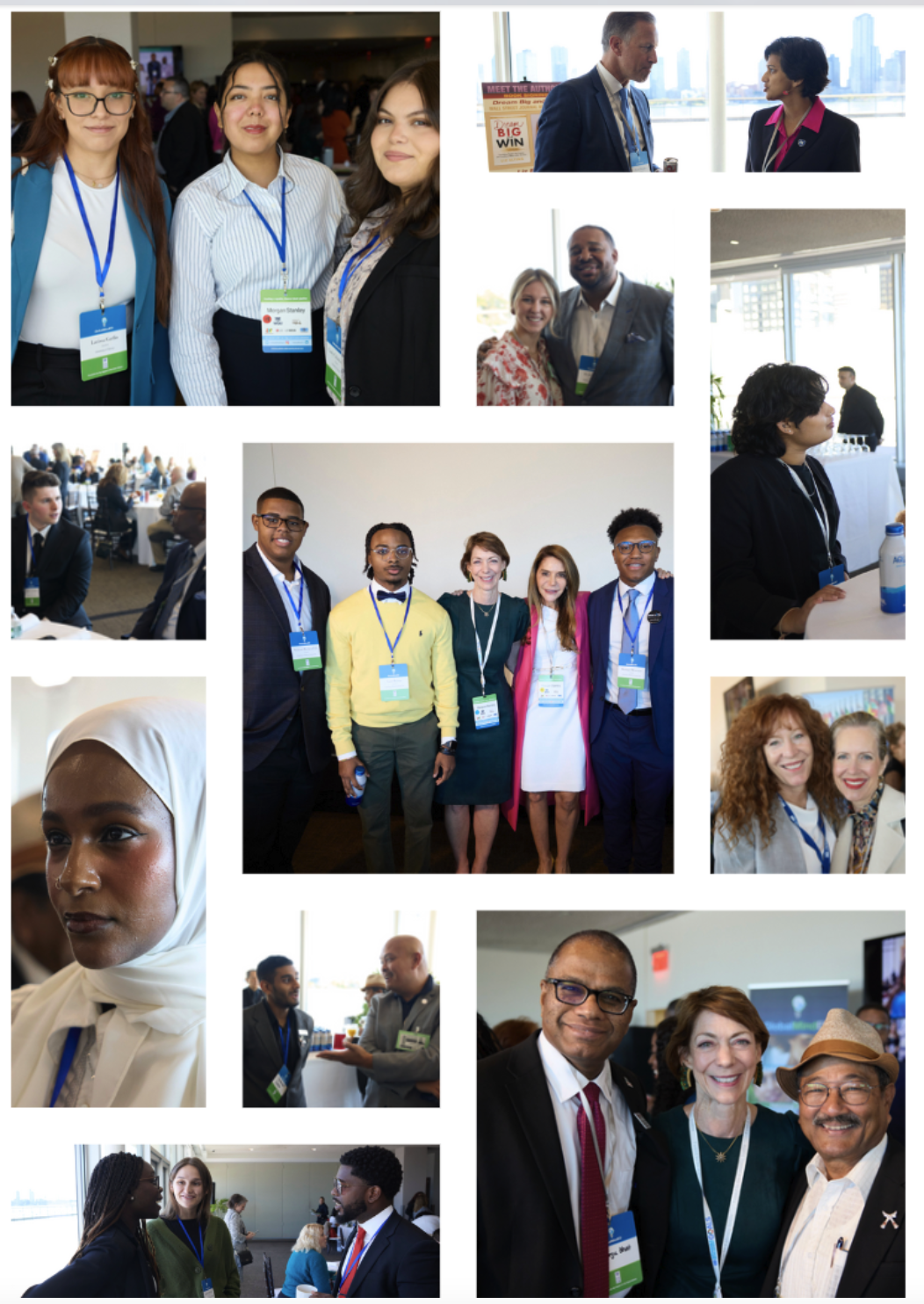
Our 2024 conference at the United Nations, co-hosted by the Foundation for the Support of the United Nations, Brave Solutions Fueling Our Economic Future, gathered a diverse group of students, graduates, funders, and industry and education leaders for a day of dynamic conversation. See more and view the session below.
| |
GlobalMindED Conference 2024
Thank you to all the students, partners, sponsors, speakers, and attendees who made our 10 Year Anniversary conference such a success!
More than 300 students from over 60 community colleges and universities were able to learn from 400 speakers, hundreds of attendees, and each other. Please see photos from the Inclusive Leader Awards dinner, First Gen Leadership Program, main stage sessions and breakouts.
Join us June 16-18, 2025 at the Sheraton Downtown Denver. Interested in speaking at our 2025 Conference? Click Here
| |
Save the Date: June 16-18, 2025, in Denver for GlobalMindED. 2025 Apply to Speak Deadline Ends Nov 15. | |
Thanks to our sponsors, presenters, and students who made GlobalMindED 2024 such a success! | |
Would you like to support our student programs? You can scan the QR code below or go to our website to donate to our year-round programs. GlobalMindED is a 501(c)(3). | | | | |