Celebrating Our Collective Impact | | Because community health thrives when primary care leads. | | |
In 2025, UCSF Department of Family & Community Medicine (FCM) advanced transformational work across our clinical sites, residency programs, research centers, and community partnerships. What makes this year extraordinary is not just the achievements themselves, but the way they were built: together—across disciplines, across campuses, and across communities, and in the face of unprecedented challenges.
This Year-in-Review highlights the work we did collectively as a department committed to primary care excellence, equity, and community wisdom.
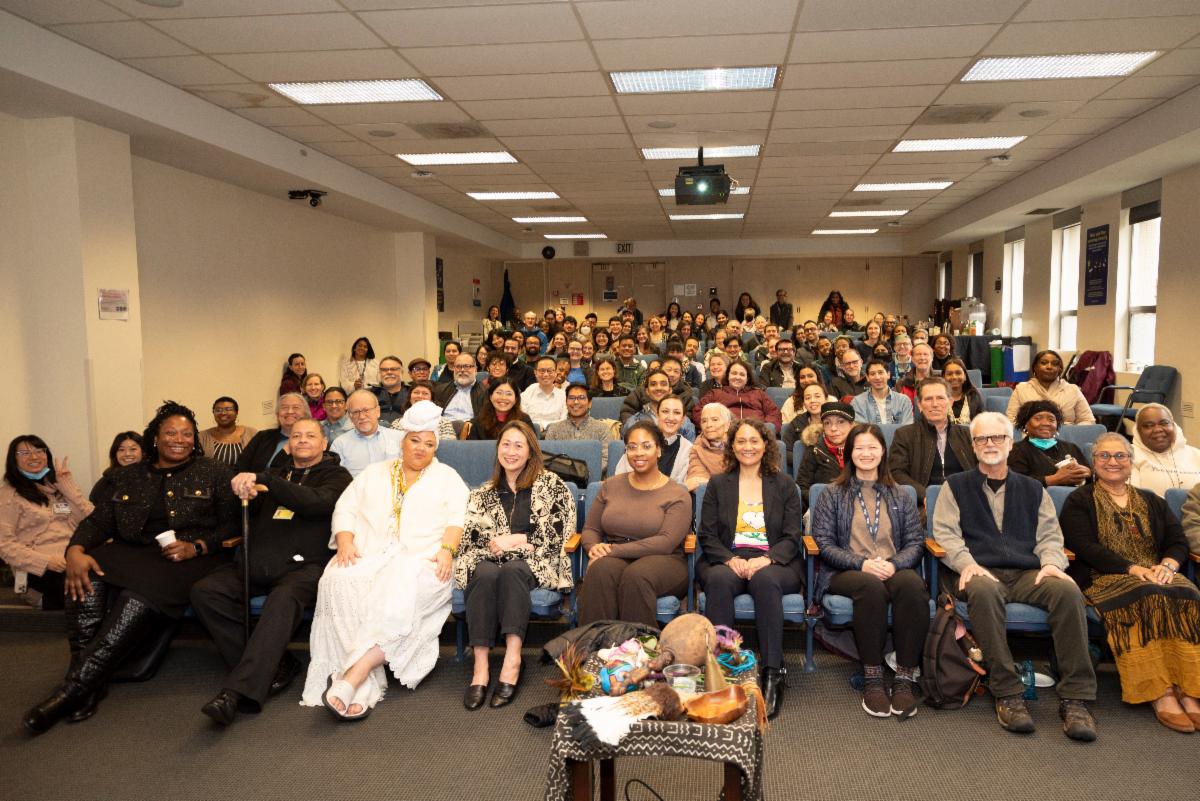
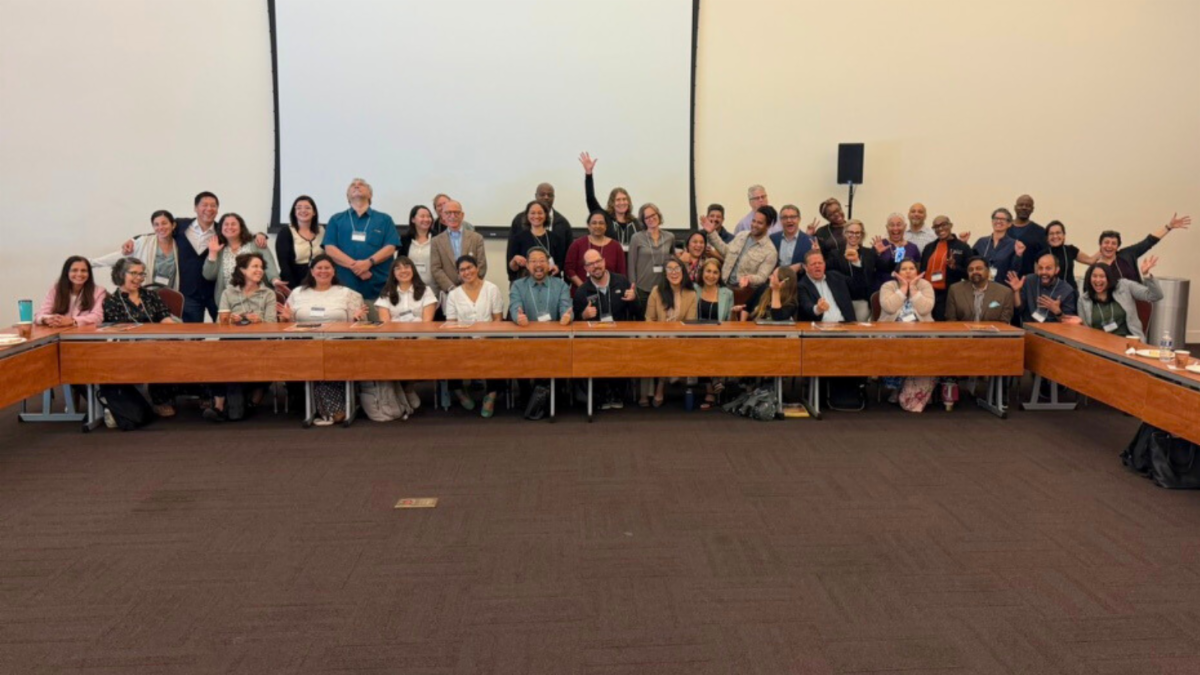
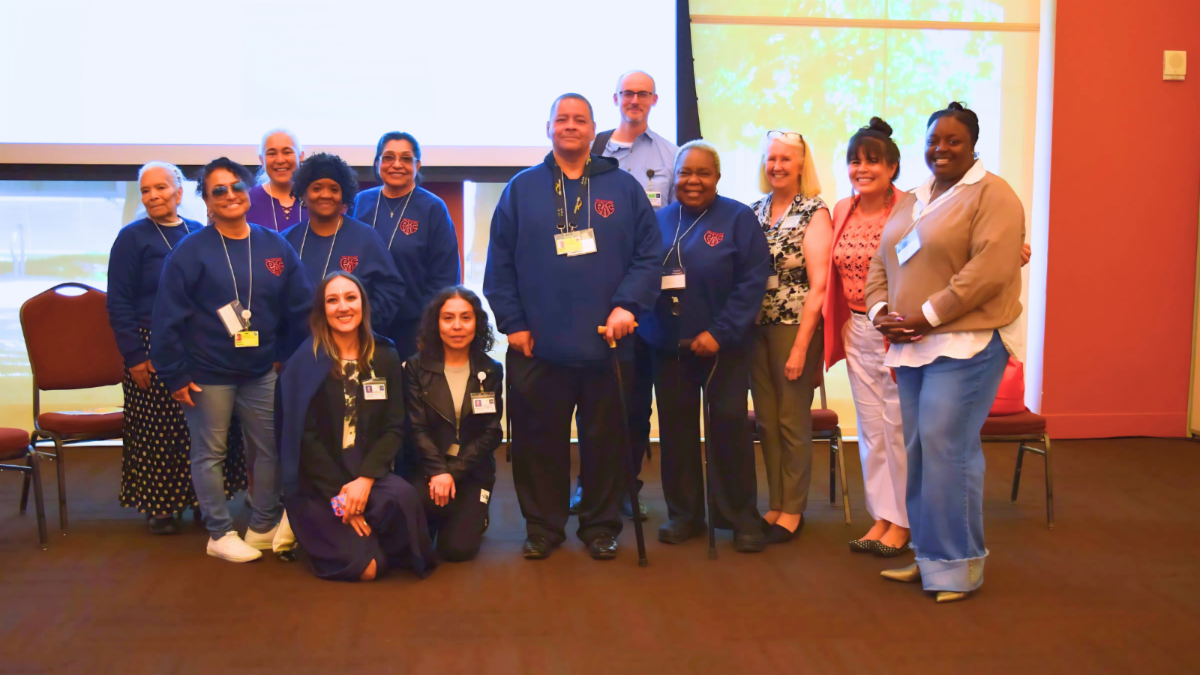
| | Pictured: FCM faculty, learners, researchers, staff, and community partners. | | |
500+ Learners Engaged
across residency, faculty development, & The Family Medicine Educational Alliance
| |
|
17 National & Institutional Honors
recognizing FCM leadership in equity, service, & innovation
| | |
Millions in New & Renewed Research Funding
advancing health equity & reproductive justice
| |
6 New & Expanded Clinical Programs
improving health & community access
| | | |
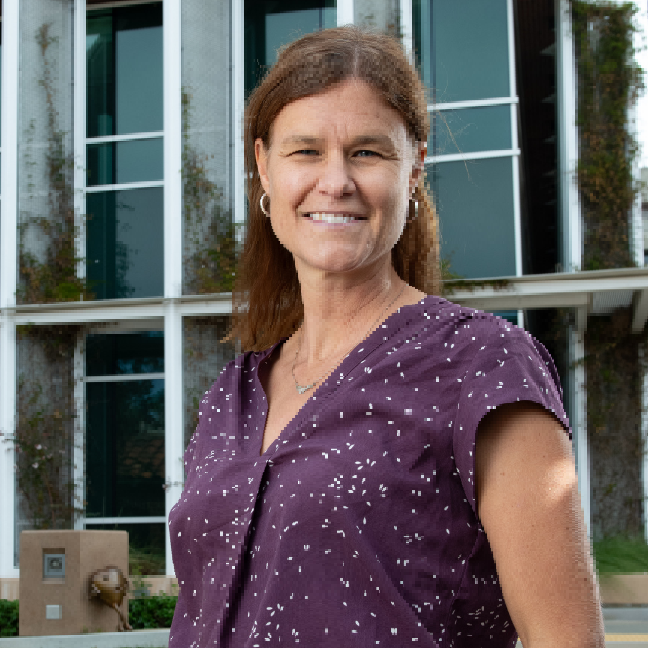
Our year began with major institutional recognition: Teresa Villela, Vice Chair at FCM and Chief of Services at Zuckerberg San Francisco General Hospital (ZSFG), was inducted into the prestigious UCSF Gold Headed Cane Society. An 80-year-old tradition, the honor is reserved for only two distinguished faculty members each year who exemplify the qualities of a “true physician” — including compassion, integrity, professionalism, and service to patients and peers.
In October, FCM Vice Chair for Research Christine Dehlendorf was elected to the National Academy of Medicine, cementing her national leadership in reproductive health. Under her direction, the Person-Centered Reproductive Health Program earned endorsement from the Centers for Medicare & Medicaid Services’ Partnership for Quality Measurement for its contraceptive measures — helping shape national standards.
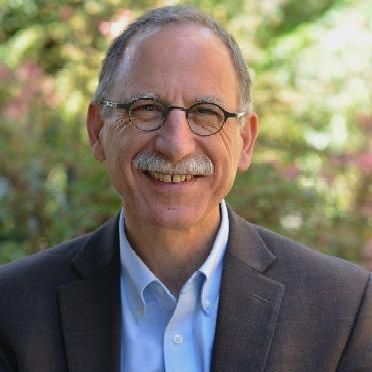
Our department values shone through in the recognition of FCM Professor Emeritus Kevin Grumbach, who received the 2025 Holly Smith Award for Exceptional Service and was honored by the San Francisco Academy of Family Physicians for his statewide work strengthening primary care spending and advancing equity-focused policy. FCM Associate Professor Dae Hyoun “David” Jeong received the Maxine Papadakis Award for Professionalism & Respect, and Juan Carlos Loranzo, a National Clinician Scholar Program (NCSP) fellow, was recognized as a UCSF Lean Champion.
Other leadership achievements included Margo Vener's appointment as Chair of Medical Education at UC Merced, and Bridget Foley receiving the Society of Teachers of Family Medicine Advocacy Award and becoming Associate Program Director for the new UCSF Family Medicine at Lakeshore & SF Veterans Affairs Residency Track. Adrian Tomes became Medical Director of Risk Capture in Population Health, and Jenny Nguyen became Medical Director of Community Health for UCSF Health Network. Anjana Sharma, became the new Faculty Lead of the CODEX Learning Hub, expanding primary care learning and innovation. The department also celebrated new leadership roles for Monica Hahn (Vice Chair) and Jae Rouse Iñiguez (Staff Co-Chair) for Opportunity, Leadership development, and Engagement (OLÉ).
The department’s commitment to staff excellence was highlighted with spotlights on Mansi Dedhia, Brian Abascal, and Rebecca Kriz, whose operational and programmatic contributions support the department’s broad mission. Throughout the year, several FCM staff members received Shine and STAR Awards, recognizing those who go above and beyond in service, performance, and dedication to our mission.
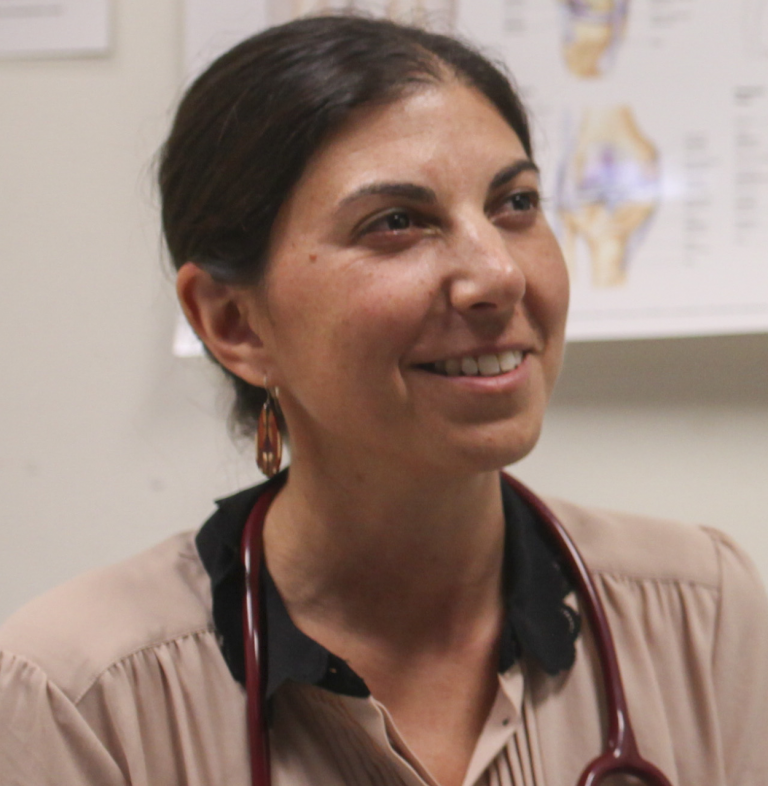
| | Pictured (L-R): Teresa Villela, Christine Dehlendorf, and Kevin Grumbach | | |
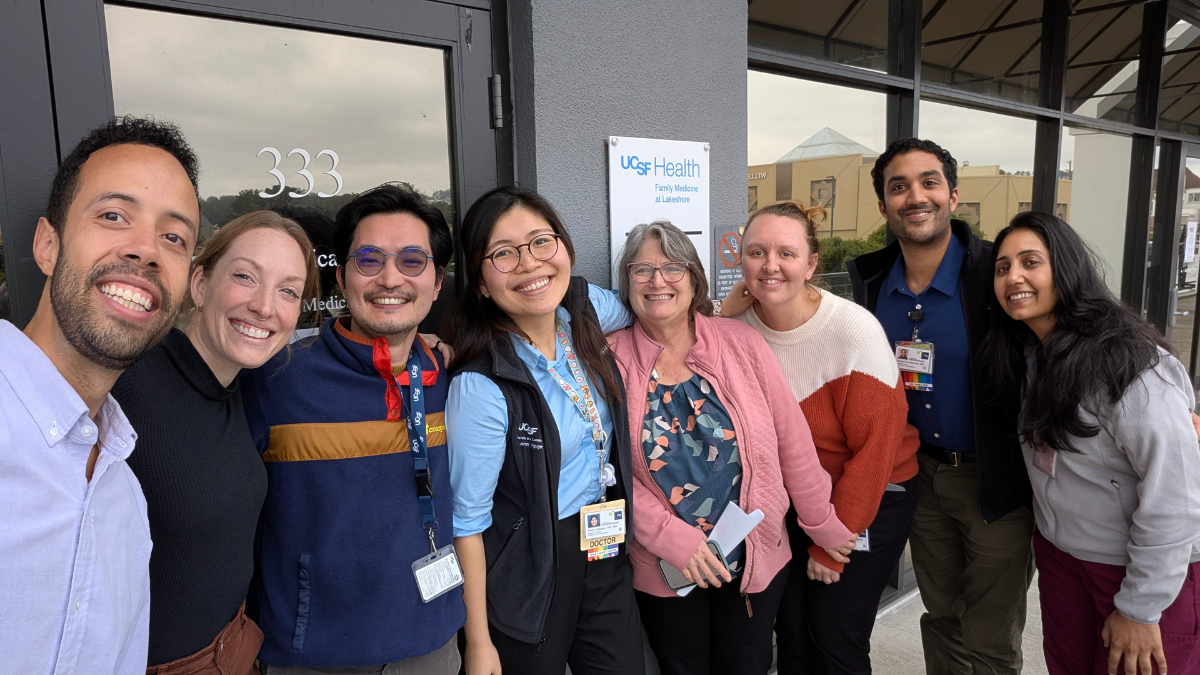
The department announced the launch of the new UCSF Family Medicine at Lakeshore & SF Veterans Affairs Residency Track, co-designed with community partners and residents to prioritize relationship-centered, clinic-first training. The track drew more than 500 applicants for its inaugural six-spot cohort. We welcomed a new residency class to our highly sought-after program based at Zuckerberg San Francisco General Hospital (ZSFG). We also celebrated the appointments of Chief Residents Josh Campista and Tresne Hernandez.
Across the department, several faculty were recognized for exceptional work in education. Christopher Bositis, Betsy Wan Fahimi, Anthony Mrgudich, and FCM Chair Megan Mahoney received Excellence in Teaching Awards from the UCSF Academy of Medical Educators (AME) as nominated by peers. Shieva Khayam-Bashi, Ronald Labuguen, David Jeong, Sen Nguyen, Mukund Premkumar, Adrian Tomes, and Manuel Tapia also received AME awards as nominated by medical students. Most recently, Erica Brode was recognized with a UCSF PISCES (Parnassus Integrated Student Clinical Experience) Teaching Award.
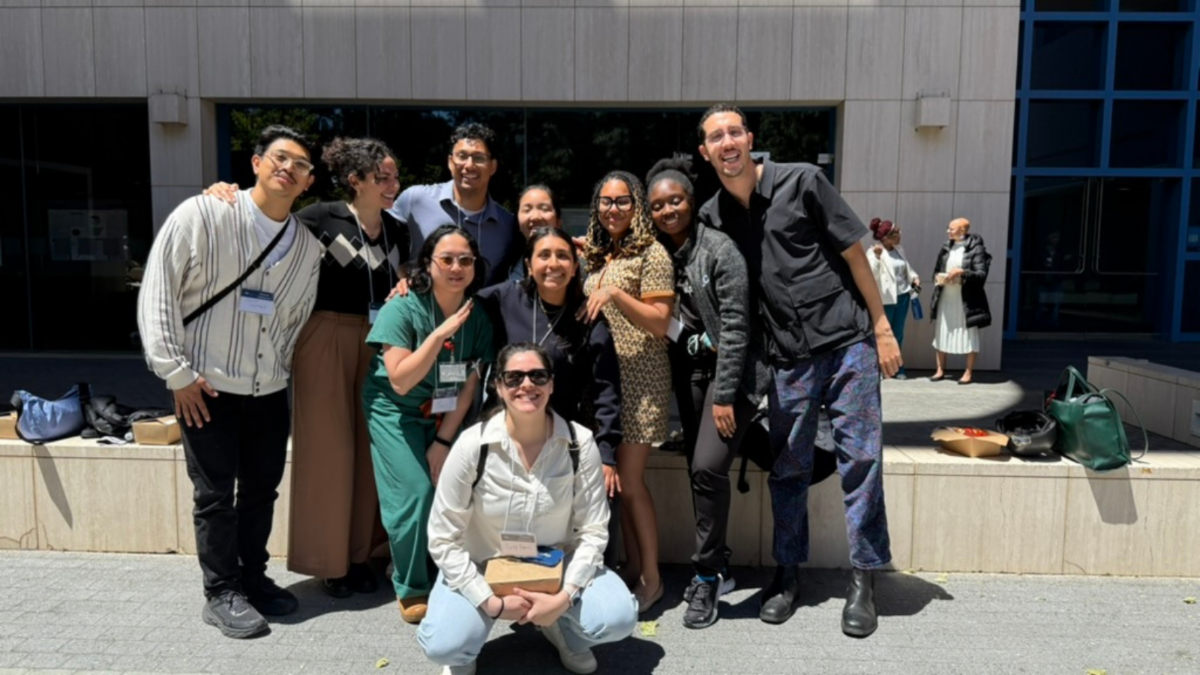
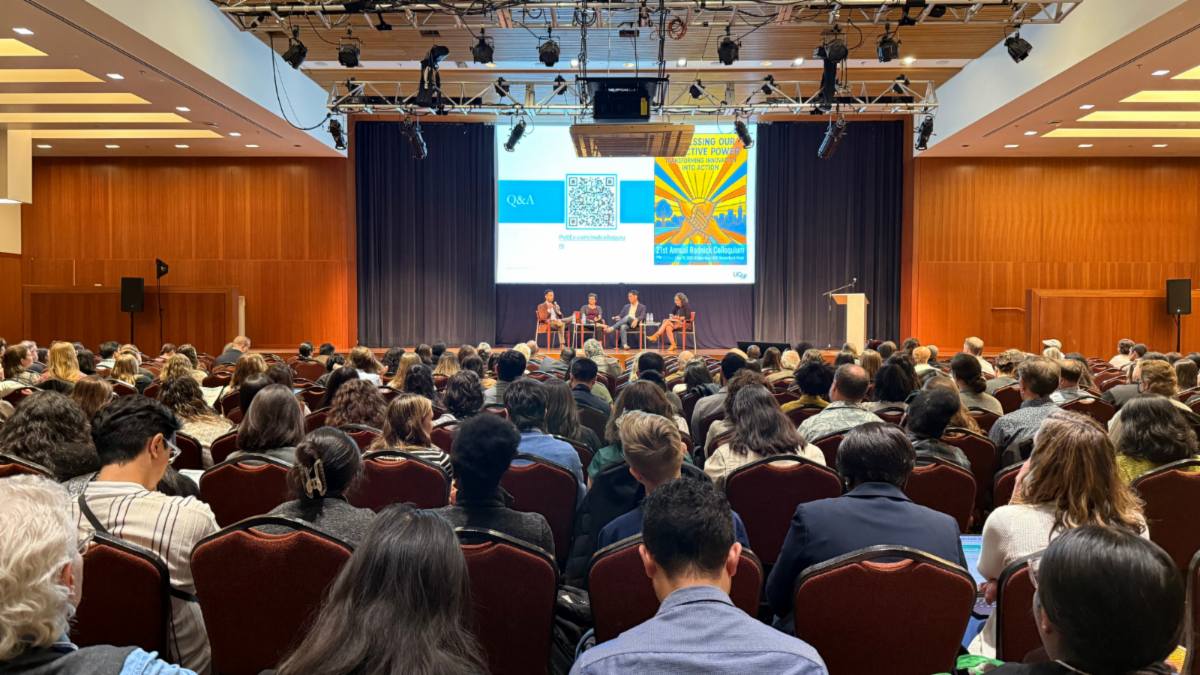
The 21st Annual Rodnick Colloquium, led and organized by a team including Margo Vener, Christine Lee, and Megan Mahoney, brought together hundreds of learners across the UCSF Family Medicine Educational Alliance and beyond for a powerful program on AI, health equity, community engagement, reproductive and addiction care, innovation in medical education, and research partnerships.
Among the sessions was a presentation on Queering the Curriculum led by residents Norman Archer, Alex Coston, and Tresne Hernandez, with mentorship from Caitlin Felder-Heim, Mai Fleming, Sen Nguyen, and Lealah Pollock. In response to persistent gaps in clinical experience, the team revamped UCSF’s Gender Health Elective program to prepare physicians to better care for transgender, nonbinary, and gender diverse (TGD) patients. The team recently received an NIH R25 grant to continue its work for a second year.
FCM Grand Rounds*, led by Megan Mahoney and Margo Vener, continued to advance cutting-edge discussions on community engagement, equity, and interprofessional care.
| |
| |
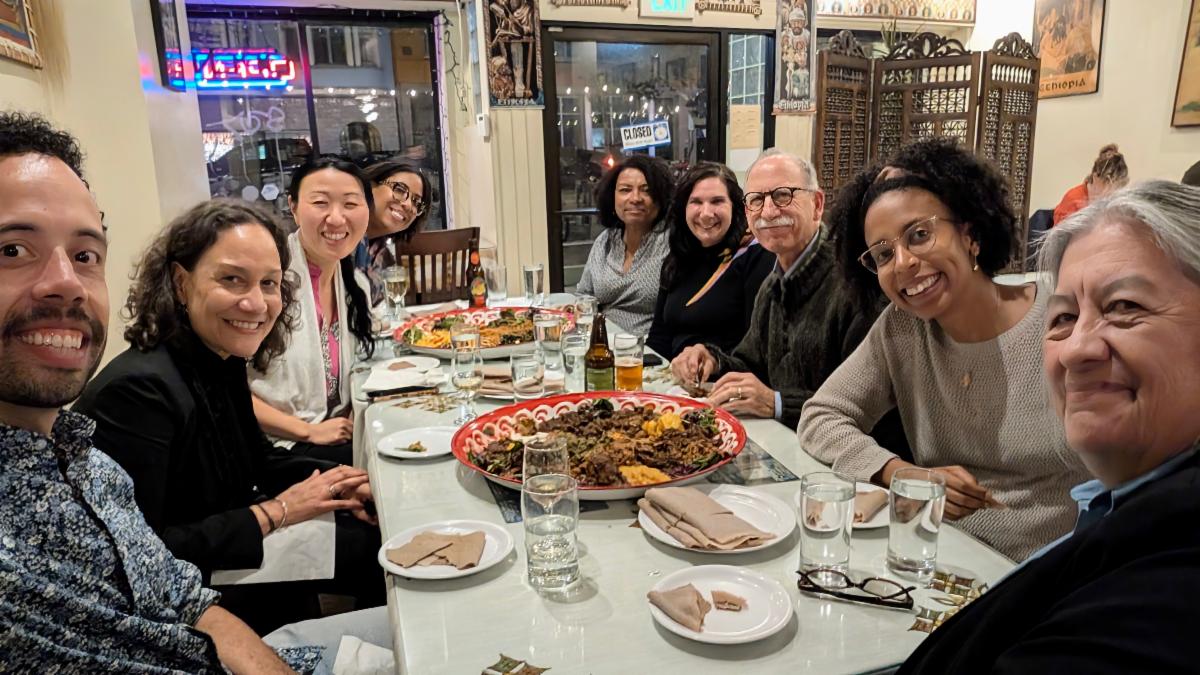
Pictured (from left, clockwise): Lakeshore faculty, FCM Residents, the 2025 Rodnick Colloquium, Family Medicine Educational Alliance
*Vimeo showcase password: Lifelonglearning!
| | Clinical Innovation & Expanded Access | | |
Teams across the department designed, launched, and scaled programs that expand access, reduce barriers, and strengthen care for diverse communities across San Francisco and nationwide.
Jen Karlin and Aleza Summit led the launch of The Reproductive Health Hotline (ReproHH), filling critical care gaps nationwide by providing real-time clinical guidance on comprehensive sexual and reproductive health.
The Menopause Connection, led by Sondos Al Sad, launched to provide lifespan-centered care, and FCM broadened its reach with new faculty (Robert Kiningham and Eric Johnson) appointed at UCSF Health Hyde and Stanyan Hospitals.
Our teams at Bridge Clinic and FHC Team Lily, based at the ZSFG and led respectively by Hannah Snyder and Simone Vais, increased services for substance use counseling and treatment.
The National Clinician Consultation Center (NCCC) secured a five-year HRSA continuation award under the shared leadership of Hoa Su, Chris Bositis, Brenda Goldhammer, and Carolyn Chu – enhancing critically necessary and cost-free educational support to ensure delivery of high-quality, person-centered HIV, viral hepatitis, and substance use care across the U.S.
The Training & Health Equity (THE) Collaborative, led by Prescott Chow and Monica Hahn, expanded its Training & Development Unit program for CalAIM providers into Sacramento and El Dorado Counties this year, thereby expanding its statewide programming.
The Transitions Clinic Network, led by Shira Shavit, significantly expanded reentry-informed healthcare nationwide, launching programs in 14 new clinics and training hundreds of providers and partners to serve people returning from incarceration.
The Office of Developmental Primary Care, led by Clarissa Kripke, expanded services to Amana Home while continuing its long-running elective that shapes inclusive clinical practice for future clinicians. The program also advanced education on supported decision-making, promoting autonomy and self-direction without court involvement.
At UCSF Dementia Day, Mukund Premkumar and Laura Hill-Sakurai presented the results of The Lakeshore Clinic's six-year TabCAT pilot in partnership with the UCSF Memory and Aging Clinic. TabCAT is an iPad-based tool that improves dementia diagnosis. What began locally has scaled globally, with 31,000+ encounters and use across five UCSF primary care clinics.
Aging-centered care was reflected in Daniel Pound’s work with his 100-year-old patient, world-famous composer Kirke Mechem, highlighting how innovative geriatric care supports health, purpose, and connection.
| |
| Pictured (L.-R): Jen Karlin, Sondos Al Sad, and Shira Shavit | | |
In 2025, FCM researchers advanced equity in maternal and reproductive health, social medicine, and primary care—earning major new funding and producing influential scholarship.
The Center for Health Equity (CHE), directed by Kristen Marchi, secured a California Department of Public Health contract to continue its work on the California Maternal and Infant Health Assessment (MIHA). CHE’s Centering Black Mothers report was featured at the California Black Birth Equity Summit, and CHE founder Paula Braveman published important work on how language shapes our understanding of health inequalities.
Kelsey Holt and Beth Phillips received an NIH R01 for a contraceptive peer-support trial in Uganda and a Society of Family Planning grant to study misinformation in Mississippi. Among an impressive volume of publications in 2025, Holt and Phillips, with Katherine Greenberg, disseminated results from a pilot study that improved contraceptive outreach and increased confidence in self-injection among community health workers in rural Malawi.
Jen Karlin and colleagues found that expanding self-administered contraception and recognizing self-managed abortion both require health systems to adapt clinical practices and provider attitudes to support better patient autonomy.
FCM's newest Health Justice Scholar, Rachel Logan, received a BIRCWH K12 award and a grant from the California HIV/AIDS Research Program to support an implementation pilot integrating PrEP into reproductive health clinics in San Francisco. She also received a grant from the Parallel Foundation to support the Florida Black Maternal Health Initiative.
April Bell received two new grants advancing adolescent reproductive health equity: a Society of Family Planning award to study Black adolescents’ use of generative AI for contraception information, and UCSF Research Resilience Initiative funding to strengthen representation of Black adolescents in health research. She also organized Black Women Speak, a digital storytelling event elevating Black women’s experiences with abortion care.
The Social Interventions Research and Education Network (SIREN) team, led by Laura Gottlieb, Danielle Hessler-Jones, and Caroline Fitchenberg, held its third national research conference in February and served as Guest Editors of two Health Services Research special issues, highlighting the latest in social care in the healthcare sector, including a study by Ariana Thompson-Lastad that found that food as medicine programs may benefit mental health symptoms. Later in the year, SIREN announced its involvement with a PCORI-funded Social Needs Assistance for Hospitalized Kids (SNAK) Trial.
Kevin Grumbach and Rachel Willard-Grace at the Center for Excellence in Primary Care (CEPC) published research on the general public's vast overestimation of primary care spending, caregiving- and moral-injury-associated burnout, and the impact of pharmacy technicians in team-based primary care.
At the North American Primary Care Research Group (NAPCRG) Annual Meeting, Juan Carlos Loranzo presented the building blocks of trust used by healthcare workers in rural communities. Sameen Ansari, also an NCSP fellow, discussed how California established the highest primary care spending target among all states nationwide.
Monica Hahn explored how healthcare that respects culture and community traditions can better support racial minority and immigrant communities and reduce long-standing gaps in health and access to care.
Sarah Rosenwohl-Mack advanced evidence on buprenorphine initiation, and Dan Ciccarone published papers on counterfeit pills and xylazine-related injuries.
| |
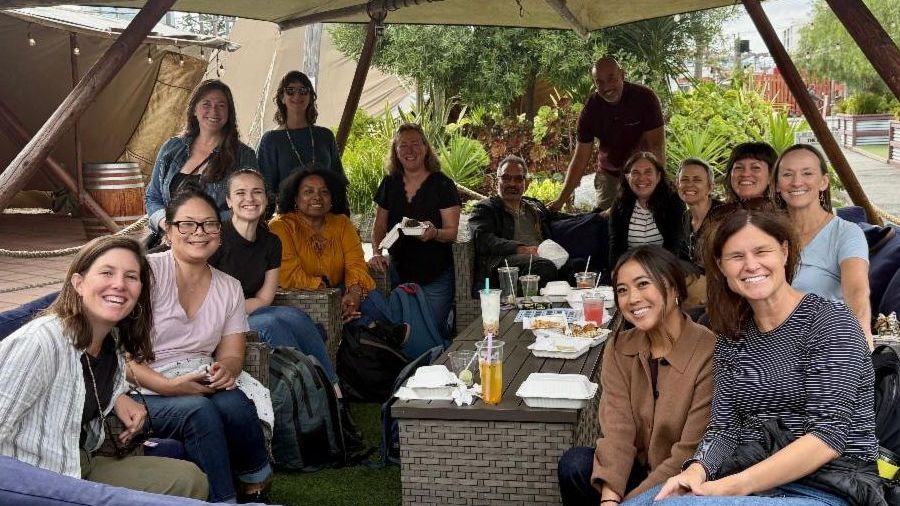
Pictured (L-R): Research faculty and staff, Rachel Logan (2nd from right) with colleagues including previously-announced Health Justice Scholars Adrian Tomes (front left), Folashade Wolfe-Modupe and April Bell (far end of table, L and R) |
| Community Partnership, Advocacy & Public Engagement | | |
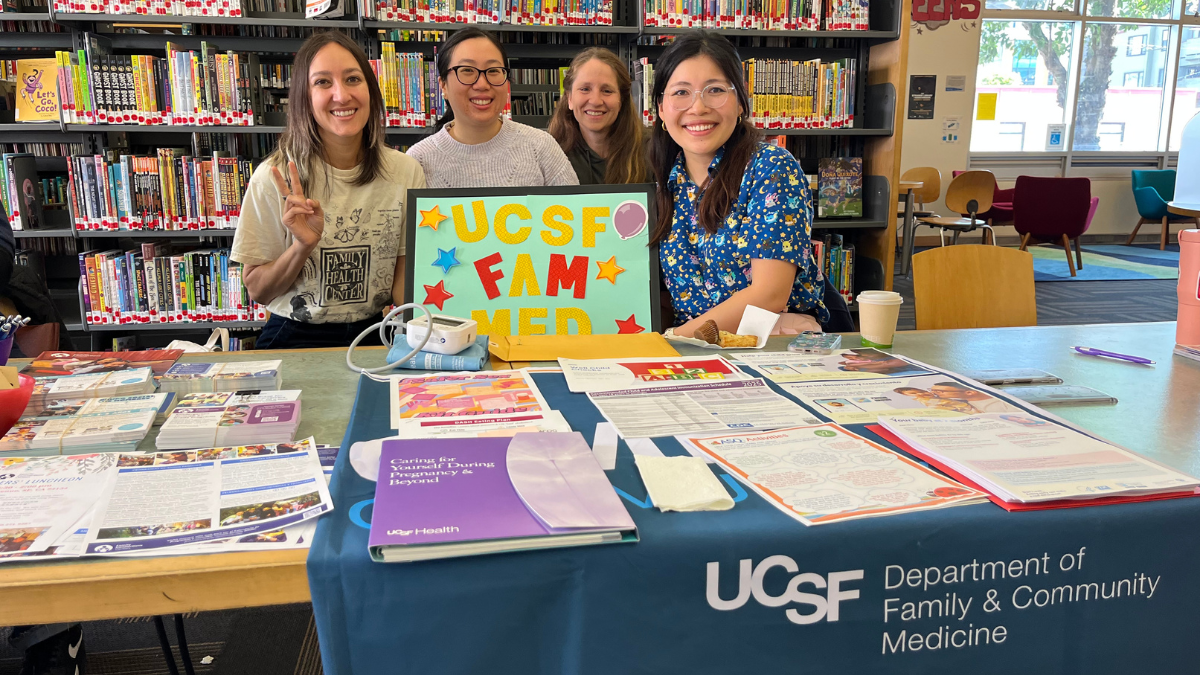
Community partnership and advocacy remained central to FCM’s mission this year. Over the past year our residents, led by Jenny Nguyen, have participated in health fairs, pop-up clinics, and public health education events across San Francisco—providing screenings, vaccines, well-child checks, and wellness guidance in collaboration with organizations such as the San Francisco Public Library, Self-Help for the Elderly, the Southeast Community Center, the Tenderloin Recreation Center and UCSF student groups.
The ZSFGH Family Health Center Patient Advisory Council (PAC), led by Anjana Sharma, completed its third year as an integral part of the resident selection process. Patients interviewed applicants, provided input about what we should prioritize in resident selection, and participated as voting members on the resident selection committee.
In partnership with the UCSF Center for Community Engagement and the Community Engagement Program of The Clinical & Translational Science Institute (CTSI), FCM welcomed the official appointment of UCSF’s Inaugural Senior Community Advisors: Chinese Community Health Resource Center's Joyce Cheng, Faithful Fools and Street Level Learning's Sam Dennison, and Instituto Familiar de la Raza's Angela Gallegos-Castillo. Meanwhile, Michael Potter and team held CTSI's Annual Community Research and Action Meeting, attended by more than 100 community collaborators.
CEPC's Abby Cabrera led advocacy that helped preserve San Francisco’s Sugary Drinks Distributor Tax Advisory Committee, ensuring continued investment in community health. FCM experts appeared across national and local media, including NPR (Jen Karlin), Scientific American (Danielle Hessler Jones), San Francisco Chronicle (Al Sad and Shavit), KALW (Dehlendorf and Pollock), and KQED (Ciccarone), bringing evidence-based family medicine perspectives into public dialogue.
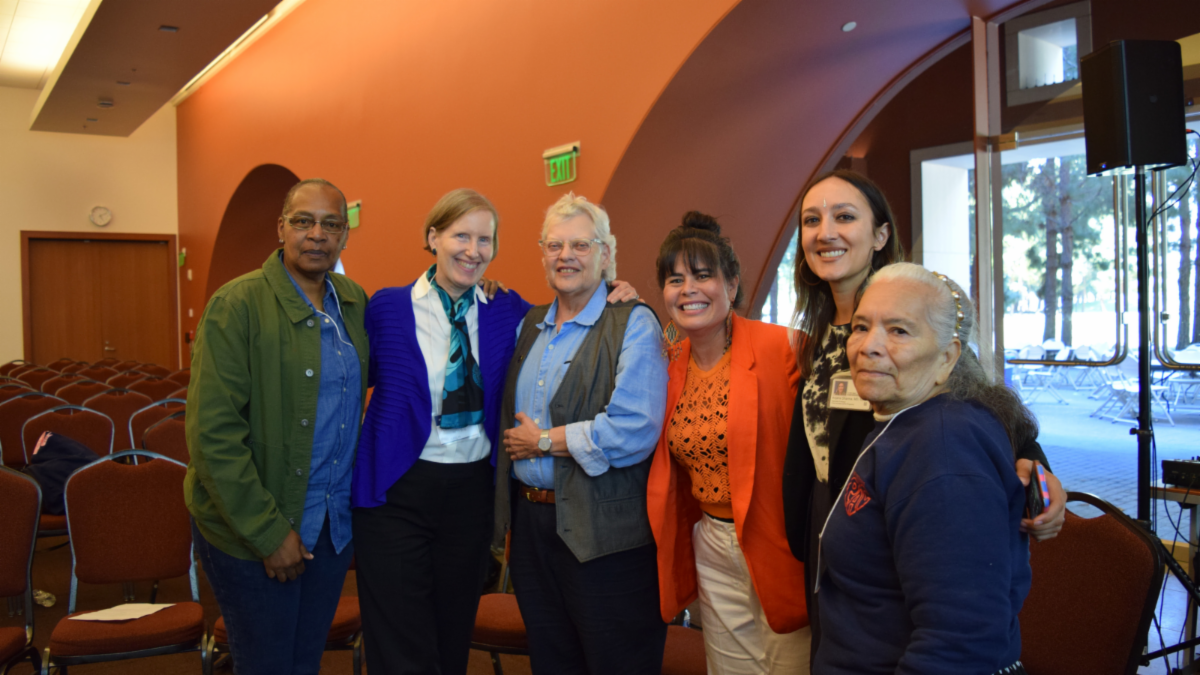
| | Pictured (L-R): Jenny Nguyen (far right) and FCM colleagues at a community baby shower, and the FHC Patient Advisory Council and Community Advisors, including Sam Dennison (3rd from left), with FCM colleagues at the 2025 Rodnick Colloquium | | |
As UCSF Family & Community Medicine enters 2026, we do so with renewed momentum, strengthened partnerships, and a shared commitment to advancing primary care, reproductive justice, and health equity. This collective energy reflects not only what we achieved in 2025, but how we achieved it—together.
This year also brought profound tragedy and loss to our community. We hold close our colleagues at ZSFG and within the Family Health Center, and we honor the compassion, courage, and solidarity they demonstrated during an immensely difficult time. Their strength reminds us of the humanity at the heart of our work.
We are deeply grateful to every member of UCSF FCM—faculty, clinicians, staff, residents, fellows, learners, researchers, alumni, and external partners—for advancing our mission with dedication, creativity, and care.
We also extend our appreciation to the collaborators, funders, and community partners who make our work possible. Together, we will continue to innovate, lead, and deepen our impact in the year ahead.
| | | | |