|
May 2026 Newsletter from the 30 Mile River Watershed Association
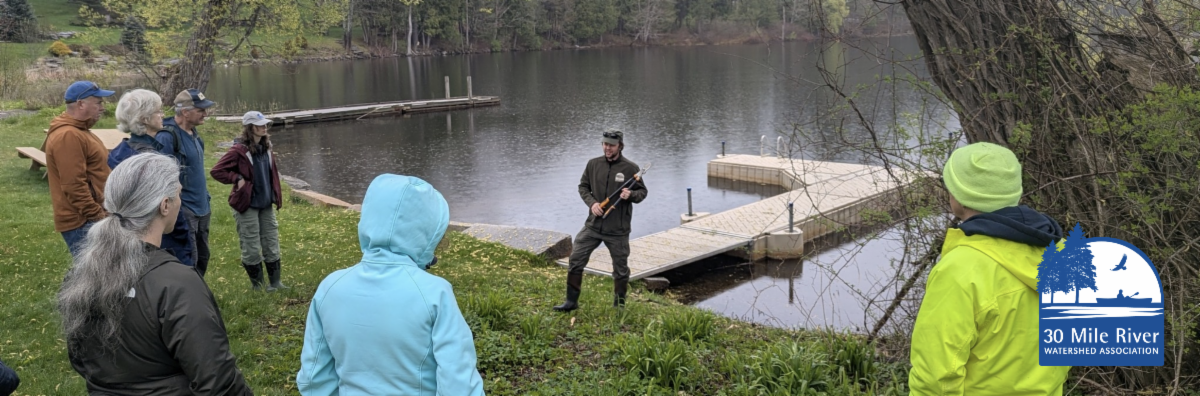
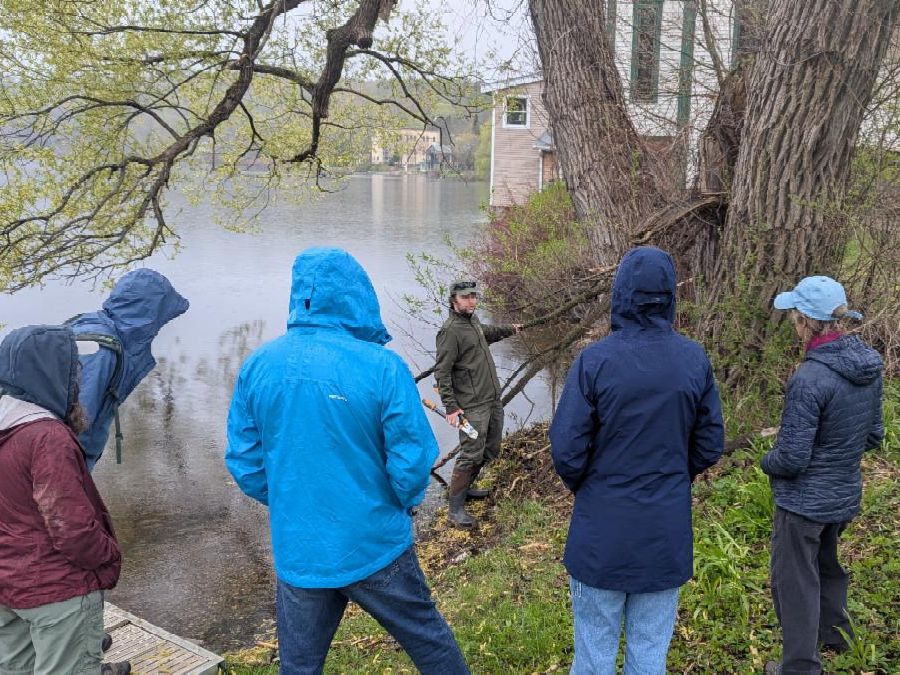
Photo: Live Staking Demo with the Maine Forest Service on May 14th
| | |
Many Hands Make Light Work
Maranacook Day of Caring
| | |
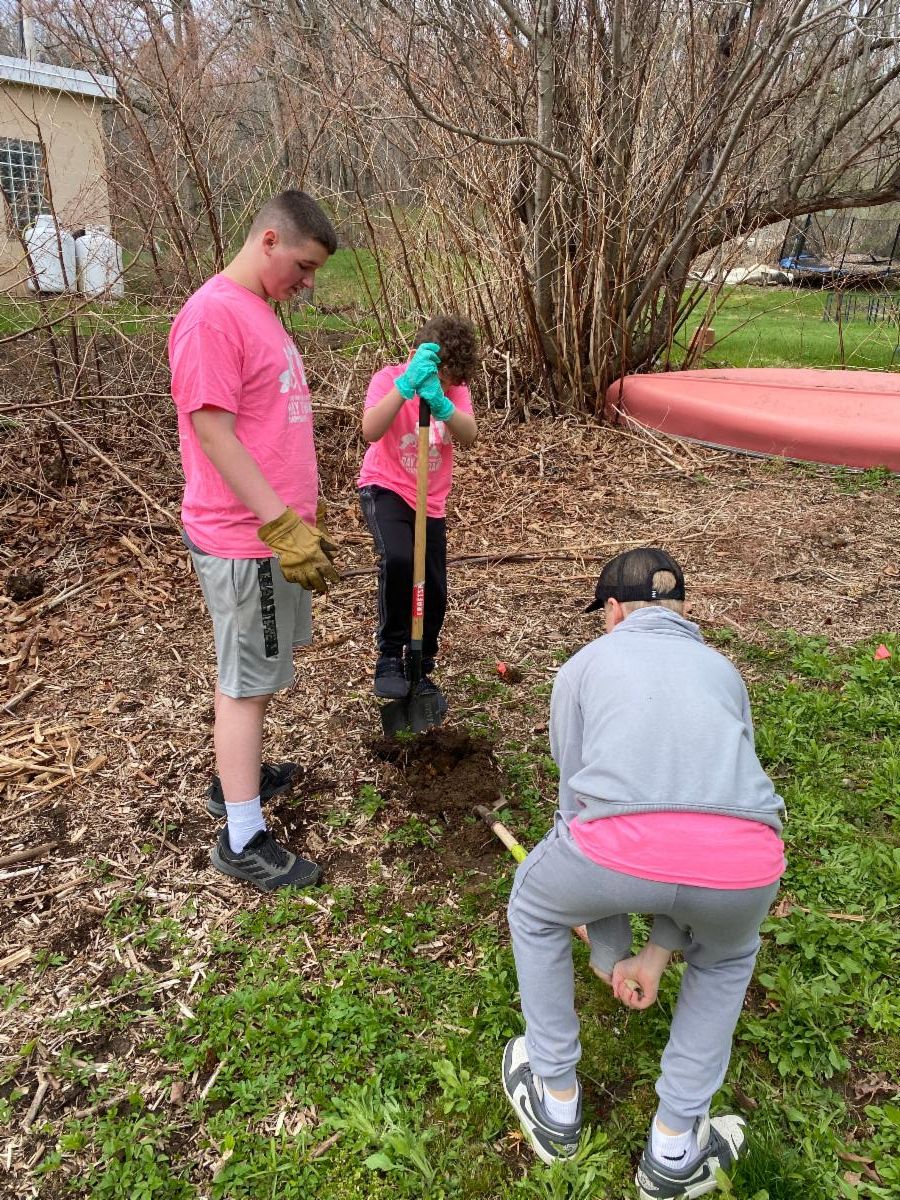
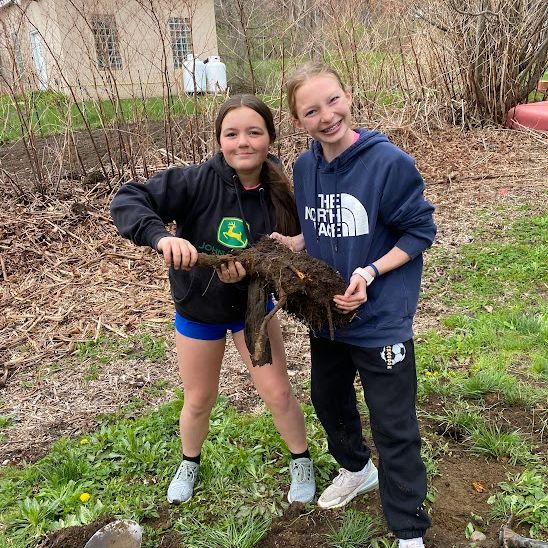
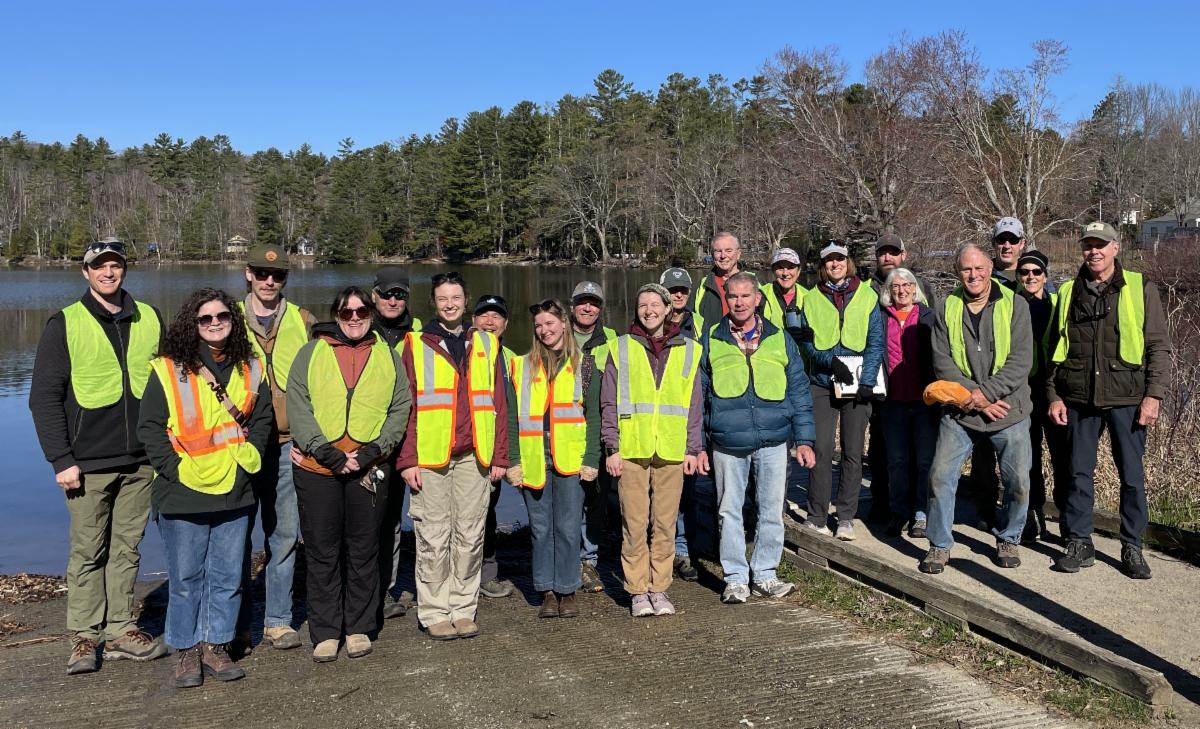
A huge thank you to the amazing group of Middle and High school students from Maranacook for spending their Day of Caring helping us with some yard work!
We kicked off the morning with some background information about 30 Mile, invasive species, and our long-term invasive Japanese knotweed management plans. They worked hard removing knotweed root balls, clearing brush, and installing geotextile fabric to help suffocate areas of invasive growth. The group accomplished so much in just a few hours, and we’re incredibly grateful for their help.
Little by little, we’re beginning to see the potential our new home's outdoor space holds for future events, trainings, workshops, and community gatherings. Thank you again to these students for helping move that vision forward!
| | Maine Outdoor Heritage Fund to Support Work on Androscoggin Lake | | |
In May, the Maine Outdoor Heritage Fund (MOHF) Board voted unanimously to fund 30 Mile’s grant application for work on Androscoggin Lake. This $25K grant will support an environmental assessment to identify the causes of the algal blooms and management strategies to protect public health. Project partners include Maine DEP, ALIC, and the towns of Wayne and Leeds.
Work has already begun this spring with intensified data collection that will continue throughout the summer and fall, including sediment sampling (10+ locations), plankton sampling, stream sampling (10+ locations), dissolved oxygen transects, and recording backflushing events of the Dead River. Data collection will be conducted by our staff, and supported by trained volunteers and Maine DEP. This data will inform the work to be completed by Ecological Instincts, which will include phosphorus loading analyses, watershed modeling, and more, all leading toward developing a U.S. EPA-approved Nine-Element Watershed-Based Management Plan (required for certain grant eligibility). Completing this extensive, science-based work will help us better understand the factors causing the blooms and evaluate potential solutions to help prevent them.
MOHF helps fund critical wildlife and conservation projects throughout Maine and was established by the Maine Legislature in 1996, in response to a grassroots effort led by Maine Audubon and the Sportsman’s Alliance of Maine. MOHF’s revenue is generated exclusively by a dedicated instant lottery ticket distributed by the Maine State Lottery. Tickets are available at most convenience stores, gas stations, and other outlets where Maine State Lottery tickets are sold.
| Upcoming Workshops, Webinars, and Events | | |
Algal Bloom Forum
A community forum on the Androscoggin Lake Algal Bloom and Remediation project will be held on June 3rd . Presenters from 30 Mile and Ecological Instincts (one of our project consultants) will provide project updates on the data collection, data analysis, and volunteer efforts working towards understanding the factors causing the algal blooms and evaluating potential solutions.
When: Wednesday, June 3rd, 6:30 PM
Where: Wayne Community Church and livestreamed at https://www.facebook.com/waynemeumc
| |
Gravel Road Maintenance Workshop
On June 4th, we will be hosting Maine DEP’s Nonpoint Source Training Center for a Gravel Roads Maintenance Workshop in Wayne. Participants will learn how proper road maintenance protects water quality; about gravel road materials; how to evaluate a gravel road for maintenance needs; how to create a road maintenance plan; and how to implement gravel road Best Management Practices.
Weather permitting, the class will include a site-walk on a local gravel road, which provides a real-life scenario for discussion of potential improvements and practices.
When: Thursday, June 4th, 8:00 AM - 12:00 PM
Where: Ladd Recreation Center, 26 Gott Rd, Wayne, ME
Register here
*This course counts as 4 Continuing Education Hours through the NPS Training Center.
|
| |
Shoreline Erosion Stabilization Practices Using OUR SHORE
Historically, there was a single approach to shoreline erosion: Fill the shoreline with rock or riprap without regard to the ecological functions of the shoreline. While this approach, when done correctly, has been successful in solving some erosion challenges, it creates other problems for waterbodies and wildlife. This includes but is not limited to: negatively impacting many Maine species through loss of vegetation along the shoreline; redirecting wave energy to neighboring non-armored shorelines– causing additional scour of bottom sediments; and heating the water.
This OUR SHORE training, organized in partnership with 7 Lakes Alliance, introduces participants to resources and alternative approaches to protecting water quality and habitat to create resilient and stable shorelines. This event will be led by the Maine DEP’s Nonpoint Source Training Center
When: Thursday, June 18th, 8:00 AM - 12:00 PM
Where: 7 Lakes Alliance, 137 Main St, Belgrade, ME
Register here
*This course counts as 4 Continuing Education Hours through the NPS Training Center.
| | |
Fayette, Mt. Vernon, Readfield and Wayne Voters:
Support 30 Mile at Annual Town Meetings
| | A vital part of 30 Mile’s annual funding comes from our watershed towns. Demonstrating this support is critical for us to leverage funding from other sources, like grants. So far this year, our funding was already approved at annual town meetings held in Chesterville, Leeds, and Vienna. The four remaining towns will be voting next month. If you are a voter in one of these towns, please come to show your support! | | |
Readfield, June 9th
Fayette, June 11th
| | |
Wayne, June 11th
Mt. Vernon, June 13th
| | Successful Echo Lake Watershed Survey | | |
On Saturday, April 25th, volunteers from the Echo Lake Association (ELA) and local towns worked with staff from 30 Mile and Maine DEP to complete the Echo Lake and Taylor Pond Watershed Survey. The group of twenty-two split into six teams to walk shoreline properties and stream crossings, looking for erosion and runoff issues that may be a threat to lake health.
Watershed surveys are incredibly valuable, not only for identifying priority areas for protection and improvement, but also as hands-on learning experiences for survey volunteers and lakefront residents to better understand and apply best management practices that help protect the lake.
This effort was coordinated by 30 Mile and supported by a steering committee made up of ELA members and staff from Maine DEP, 30 Mile, and the Kennebec Land Trust. Preliminary results show over 115 sites identified as erosion sites in need of follow-up.
In the coming months, we will be organizing the data, conducting additional field follow-up, reaching out to landowners with site-specific guidance, and preparing a full watershed survey report.
| | Kicking Off the 2026 Field Season | | |
Last week, our staff took part in Maine DEP’s meter quality assurance on Long Pond in Belgrade. Alongside other lake science professionals, they practiced collecting Secchi disk (water clarity) readings and dissolved oxygen and temperature profiles to ensure compliance with standard operating procedures for water quality monitoring. Our monitoring started this week—follow along all season on our website!
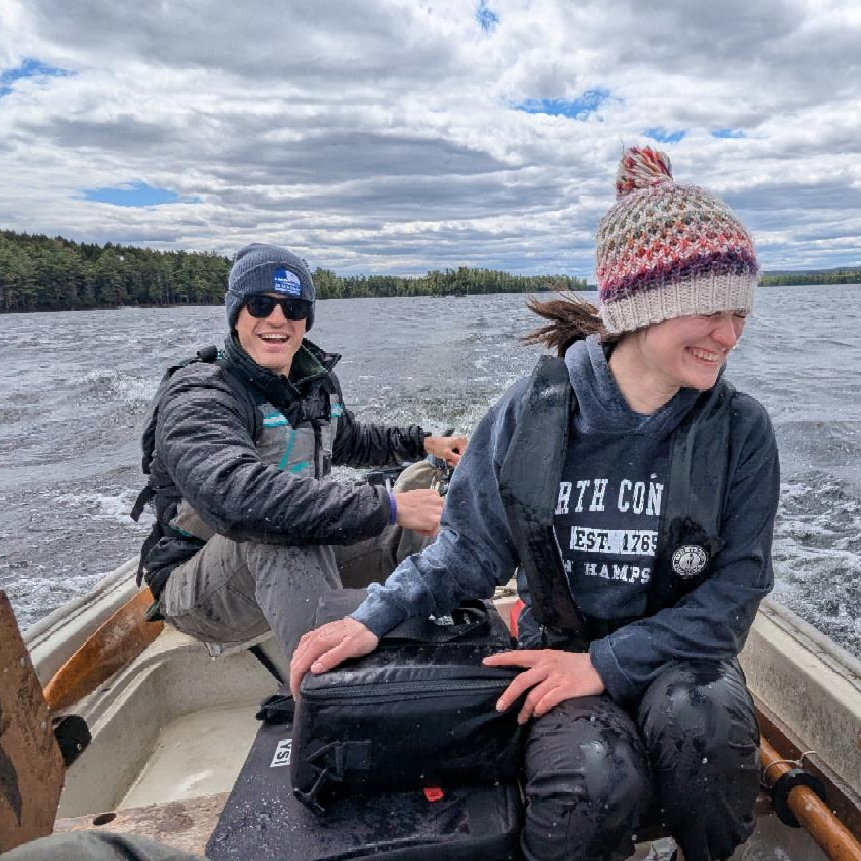
Photo: Silas Mohlar and Tess Gioia (Maine DEP and former 30 Mile staff) braving the waves back to the launch.
| |
|
Question of the month:
Why should I plant only native species on my shoreline?
| |
If you’re thinking about gardening, landscaping, or planting anything new on your shoreline, the best plants to choose are those native to Maine!
Native plants are species that have grown naturally in Maine for thousands of years, long before lawns and ornamental plants became common. Because they evolved here, they're already adapted to our soils, seasons, and conditions. This usually means less watering, less fertilizing, and less maintenance for you.
It may surprise you that the classic big, bright purple lupines that we associate with June in New England are not native to the area. Many know the children’s story of Miss Rumphius sprinkling lupine seeds throughout the region. This book is based on a true story. It is people’s desire to bring eye-catching or vibrant plants to an area that is unfortunately how many non-native or invasive plants get introduced. These well-known plants are western or big leaf lupine, Lupinus polyphyllus, and in parts of the Midwest and Northeast, are considered invasive. This means that their introduction has caused economic or environmental harm. In some areas, these lupines’ abundance and ability to add nutrients to the soil can significantly increase nitrogen levels beyond what native species can tolerate. As of now, the sale of this plant is not restricted; however, it is included on the Maine DACF Advisory List for its invasive potential.
The sundial or wild lupine (Lupinus perennis) is native to Maine, and also a purple perennial, smaller than its western relatives. They serve as the only larval host plant for the endangered Karner blue butterfly (Lycaeides melissa samuelis), which is locally extinct in Maine, but is the official state butterfly of New Hampshire.
For gardens and landscaping, consider other native plants like New England aster, Joe-pye weed, milkweed, black elderberry, buttonbush, and more that are loved by pollinators like bees and butterflies. Ferns, like the ostrich and sweet fern, add lush texture to shadier spots and require almost no maintenance once established.
Along the shoreline, native plants can improve your buffer and reduce erosion. Their deep, complex root systems hold soil in place and filter runoff before it reaches the water. Shrubs like red-osier dogwood and common buttonbush prefer the soil conditions near the water's edge.
Replacing part or all of a lawn that runs to the water's edge with a native buffer is one of the most impactful things a shorefront property owner can do for Maine's lakes and ponds.
Still not sure where to start? Here is a list of local native plant guides and resources:
-
Native Plants for your Shoreland - Maine DEP/ Portland Water District’s three-page guide on choosing the best-fitted plants for your shoreline.
-
Maine Native Plant Finder - Maine Audubon: Filter plants based on different criteria (sunlight, soil, size, wildlife benefits) to find the perfect plants for your project.
-
Where to Buy Native Plants - Wild Seed Project: Plants and trees listed by where they are available to purchase in the state- seeds are also available to purchase directly from Wild Seed Project.
-
Choosing Plants - State of Maine: Quick tips in choosing the right plants, avoiding invasives, and the site provides links to additional resources!
-
Maine Gardener Manual - UMaine Cooperative Extension: Garden and Yard– flyers, videos, and books to learn more.
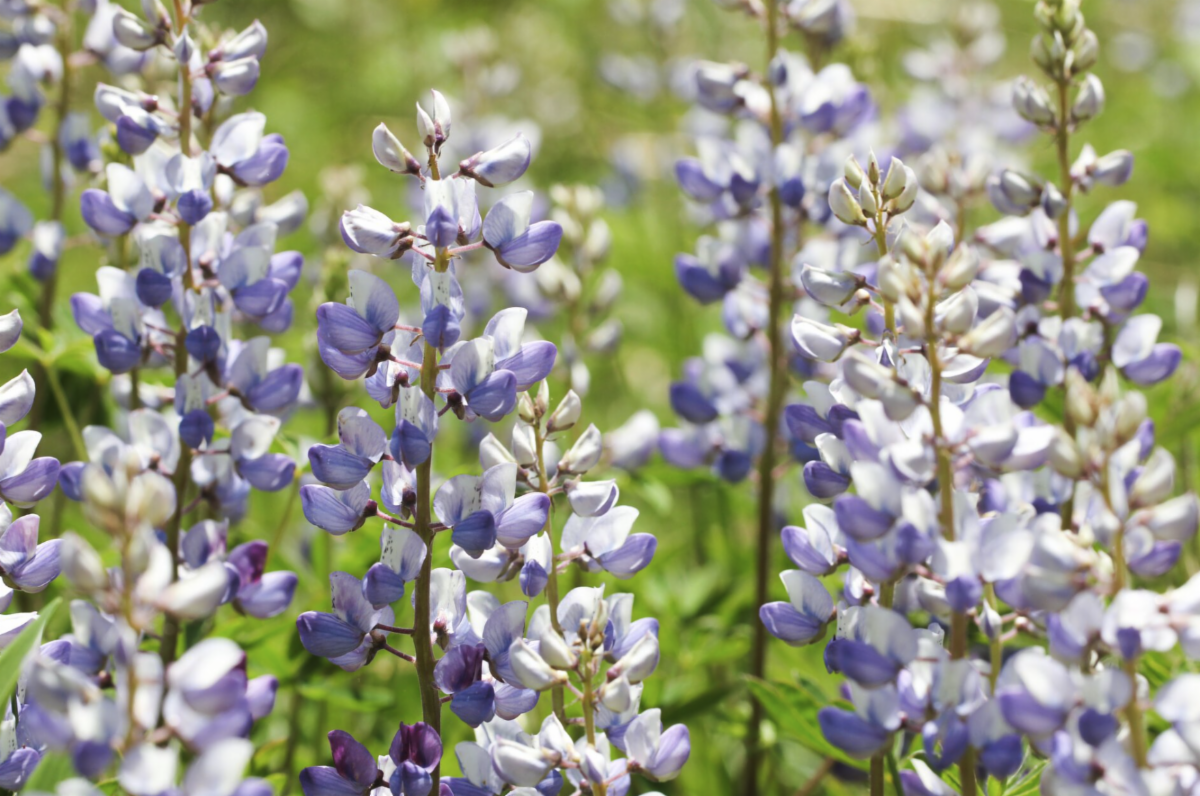
Photo: Wild lupine with its blue-violet flowers is native to North America, yet rare to find in Maine due to habitat loss. PC: plantnative.org.
| LakeSmart Tip: Spring Clean Up | | |
As you prepare to open up camp for the season, be sure to follow these tips to protect our lakes and wildlife!
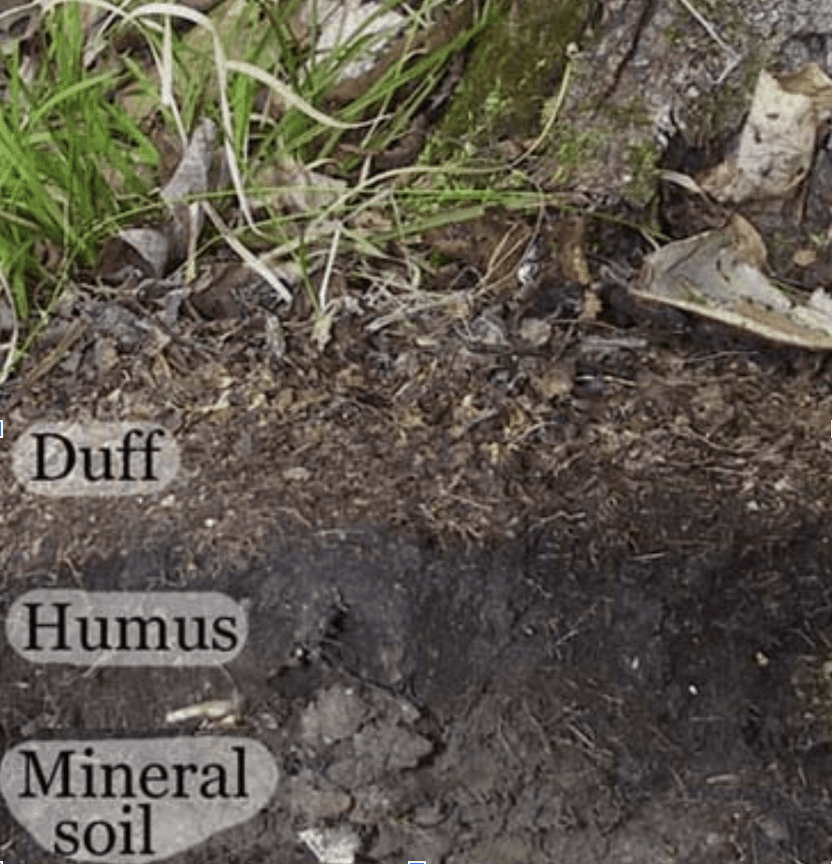
Leave the leaves and yard debris: Other than to clear your designated footpath, don’t pick up the rake!
Inspect your septic system: Consider having your tank pumped if it hasn’t been recently and walk around your leach field to look for anything unusual.
Clean your boat: Always check for hitchhiking plants. If washing your boat, do so away from the shoreline.
Clear out culverts and diverters: To function properly, make sure to remove any built up sediment, leaves, and debris.
Look for signs of erosion: Look for bare soil, exposed roots and rocks, and channels. Check out the Maine Lakes BMP page for solutions!
To learn more, check out our previous article Lake-friendly tips for opening camp.
| | Workshops and Trainings: Off to a Great Start! | | |
Basic and Advanced Erosion and Sediment Control, April 30th
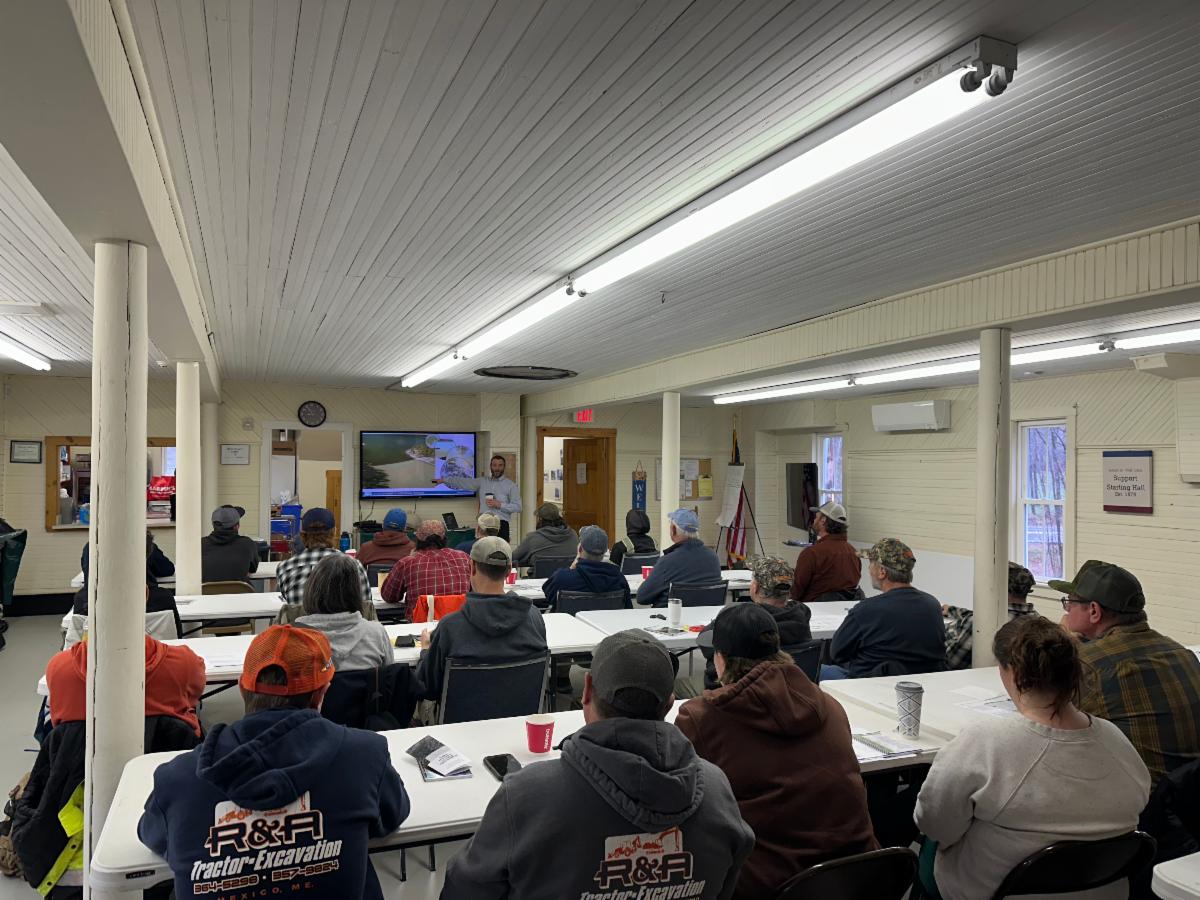
Twenty-nine participants earned or renewed their erosion control certification in our inaugural workshop with the Maine DEP’s Nonpoint Source Training Center, held at Fayette’s Starling Hall. Look for more workshops like these in the future.
| | |
Live Staking Demo with the Maine Forest Service, May 14th
Hands-on live staking demo at Minnehonk with District Forester Jared Gregory, in partnership with the Kennebec County Soil and Water Conservation District. Read more!
| | Support 30 Mile! Your gift today will make a difference in protecting our lakes from phosphorus pollution, invasive species, and other threats. Find the giving level that works for you. | | Follow us on Facebook and Instagram! | | | | |