|
Dear Maricela,
World Environment Day, held on June 5th, is organized by the United Nations to promote awareness and action to protect our environment.
The theme for this year is “Ending Plastic Pollution Globally.” The campaign encourages everyone to reduce, redesign, reuse, and recycle plastic to protect ecosystems and health.
The observance calls on governments, industries, and individuals to adopt sustainable alternatives, strengthen waste management systems, and raise awareness about the long-term impacts of plastic on the environment and biodiversity.
CCCEH is proud to partner with the United Nations programs to raise awareness and drive policy change to protect our planet and children's health.
In the spirit of fostering partnerships, see the new video below, created by the UNICEF's Children's Environmental Health Collaborative and featuring Dr. Perera.
| | Summer Training Opportunities | | |
CCCEH & EHS
Research & News
| | |
Newborn blood DNA methylation and childhood asthma: findings from the ECHO program
Program Collaborators for Environmental Influences on Child Health Outcomes, (ECHO) including:
Yijun Li, Krystin Jones, Carole Ober, Anne P Starling, William A Gower, Leonard B Bacharier, Aruna Chandran, Dana M Dabelea, Rebecca C Fry, Diane R Gold, Kasper D Hansen, Julie B Herbstman, Marie-France Hivert, Corinne Keet, Rachel L Miller, Lisa P Jacobson, Christine Ladd-Acosta; Program Collaborators for Environmental Influences on Child Health Outcomes
May 26, 2025
DNA methylation (DNAm) at birth has been linked to childhood asthma in epigenome-wide association studies (EWASs). However, previous studies have mostly included European participants and have not focused on extremely preterm infants and have not explored sex- specific DNAm differences. This study examined the association between DNAm in newborn blood and subsequent childhood asthma risk in diverse populations.
We used data from the Environmental influences on Child Health Outcomes (ECHO) Program for our analysis. We looked at children born in the United States before and after 28 weeks of gestation. Our analysis included 942 children, (with 369 diagnosed with asthma by medical providers), who were born after 28 weeks of gestation.
We discovered new genomic regions linking DNAm in newborn blood to childhood asthma in US children born before and after 28 weeks of gestation. This suggests that DNAm involvement in the early asthma development.
READ PUBLICATION
| |
Do not exclude your observations: Negative cortisol awakening responses (CAR) may be biologically relevant
Herrera-Moreno JF, Trejo-Valdivia B, Tolentino M, Wright RO, Baccarelli AA, Wright RJ, Niedzwieck MM, Téllez-Rojo MM, Tamayo-Ortiz M
May 2025
The Cortisol Awakening Response (CAR) refers to the increase in cortisol levels that occurs within 30 to 40 minutes after waking up. This phenomenon is commonly studied in stress research. We hypothesized that negative CAR values could indicate an underlying health issue, as reflected in hematological parameters, or be linked to environmental exposures, such as lead (Pb), which is known to affect neuroendocrine functions, including altered cortisol rhythms throughout the day. Our aim was to investigate the prevalence of negative CAR values and their association with hematological parameters and blood lead (BPb) levels in pregnant women (n = 900).
We conclude that negative CAR values could be an indicator of an underlying health condition or associated with environmental exposures such as Pb. Research should consider a thorough assessment of negative CAR values before excluding them from analyses.
READ PUBLICATION
| | |
Human Flourishing Is a Collective Enterprise: Dean Fried’s Parting Lessons
May 8, 2025
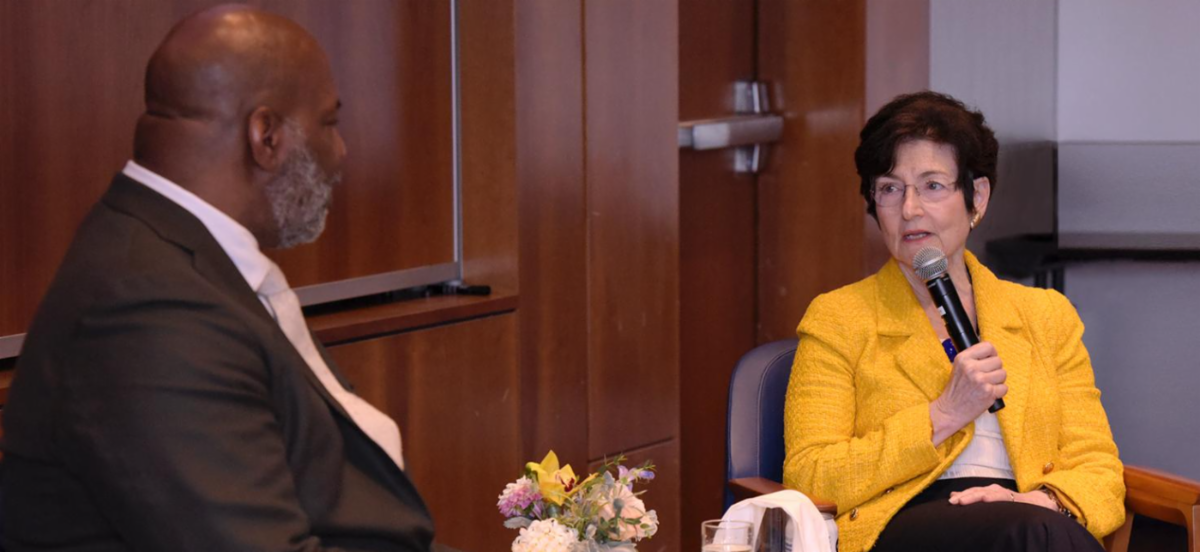
Throughout her distinguished career, Dean Linda P. Fried has sat for countless media interviews. This Monday, however, she faced questions from a fellow dean, Jelani Cobb of Columbia’s Journalism School, in a special Q&A marking the conclusion of her 17-year tenure leading the Columbia Mailman School.
Dean Fried’s career has been anchored in equity, from volunteering at a Black Panther Party health clinic in Chicago to advocating for women in medicine. She traced this commitment to a childhood moment when she was barred from being a sixth-grade crossing guard because of her gender. Later, as a welfare caseworker, she witnessed how health disparities stem from complex social determinants. “That was a very powerful experience,” she said, and one that helped cement her public health calling.
The discussion turned sobering as Dean Fried addressed recent federal cuts targeting public health and higher education—what she called “an all-out dismantling of structures that have been built for the public good.” Though public health has delivered undeniable returns, including decades added to life expectancy, she warned of society’s fading memory of its value. The recent measles outbreak in Texas exemplifies this dangerous amnesia.
Read More
| | |
Grant Terminations Undermine Relationships Between Researchers and the Communities They Serve
May 7, 2025
| | |
Ami Zota got notice that one of her grants was being terminated by the National Institutes of Health (NIH) on March 10. It happened to be one of the biggest days of the year for the Department of Environmental Health Sciences at Columbia Mailman School—the annual Granville H. Sewell Distinguished Lecture. After the excitement of the presentation, Zota, an associate professor in the department, came home to an email saying funding for her grant was ending effective immediately.
There had been rumors about terminations, but that didn’t make the news any less hurtful. Her canceled grant—an R01, the kind of NIH grant given to a single investigator—was an important addition to the Taking Stock Study, a larger research project to understand and mitigate racial and ethnic disparities stemming from chemical exposures in personal care products.
Read More
| | Community Outreach and Translation Core | | |
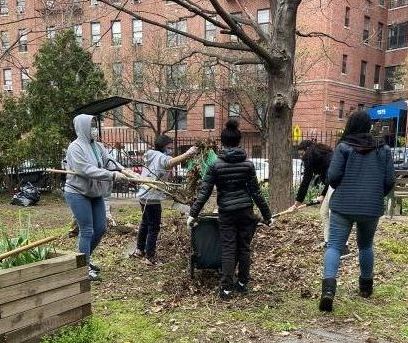
Anabel Cole from the Columbia Center for Children’s Environmental Health, COTC team, and Briana Black, Director of Leave It Better (LIB) at the MS 331 Program in the South Bronx, have secured funding to launch a youth-led initiative. This project aims to address food insecurity and increase community engagement by improving access to fresh, locally grown produce and farmers' markets.
Our Nutrition Education to Engage & Develop Youth Advocates (NEED YA) initiative will also address challenges involved in cultivating thriving community gardens. We are excited that this program will directly benefit 30 young-adult leaders and engage 100 middle school students at MS 331!
CCCEH's Youth Advisory Council, the Environmental Health Justice Advocates, have worked closely with Ms. Cole to help leaders aged 18 to 25 become advocates for environmental health. They also serve as environmental role models for middle school youth at LIB.
These young advocates are translating research into tangible community initiatives while honing their skills. We look forward to seeing the impact this initiative will have on the young people and the development of the school's community garden.
| | Congratulations to EHS Graduates | | |
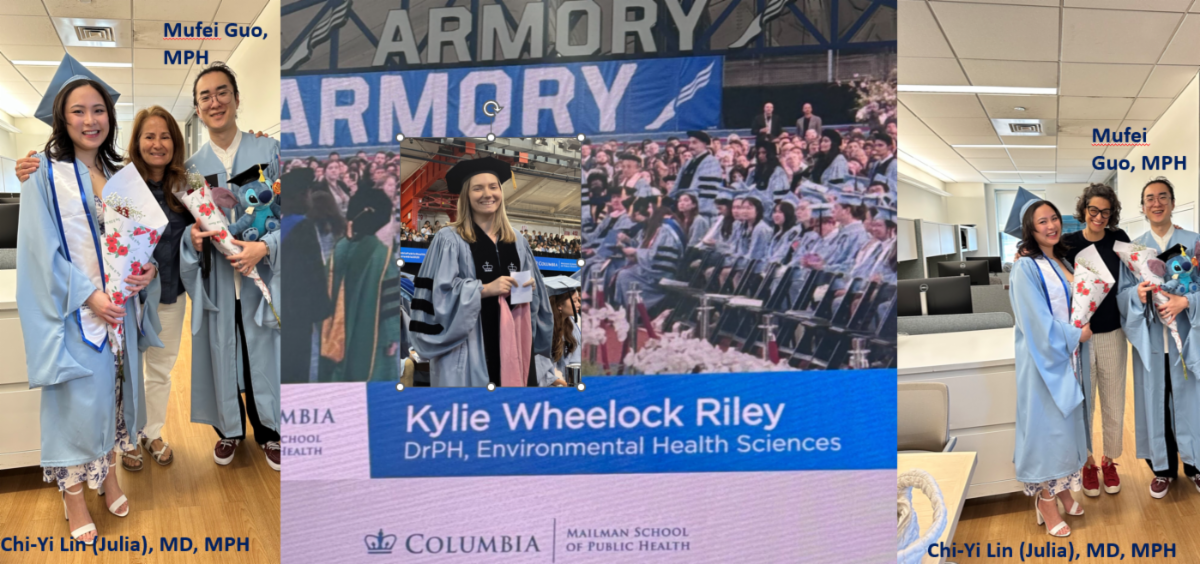
Congratulations to our Environmental Health Science 2025 Graduates! We are immensely proud of our Center's Practicum Students: Chi (Julia) Yi-Lin, MPH, Mufei Guo, MPH, and Center's staff member, Dr. Weelock Riley.
We believe in their potential and wish them all the best in their future endeavors!
| | |
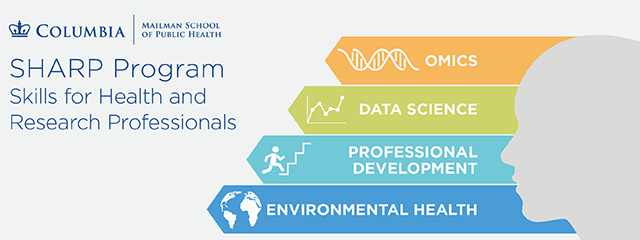
The SHARP Program is offering one to four-day, intensive summer trainings in omics, data science, environmental health, and professional development. SHARP trainings are offered in-person, livestream virtual, or hybrid. Investigators from any institution and from all career stages are welcome to attend. Columbia affiliates also receive a 10% discount.
Join CCCEH Professors-Drs. Perera and Herbstman
Climate Change and Health Boot Camp: Building Skills and Knowledge for Effective Engagement
June 4-6, 2025 | Livestream, virtual training
Dr. Frederica Perera, Professor Emerita of Environmental Health Sciences, CCCEH Founder, will join physicians and public health experts with specialized training in Climate Change and Health. Join her on June 5th.
To register click here
The Scientist and the Storyteller Workshop: Training for Scientists and Journalists to Effectively Communicate Science to the Public.
July 31 - August 1, 2025 | In-person training
Dr. Julie Herbstman, CCCEH Director, will team up with Duy Linh Tu . Participants will learn how science journalists work, how scientists are trained to report their findings, and best practices for collaboration between the two disciplines.
To register click here
Other highlighted SHARP trainings: SQL Boot Camp, Community Exposures and Health Training and Bayesian Modeling for Environmental Health Workshop
Explore Summer 2025 Trainings
| | |
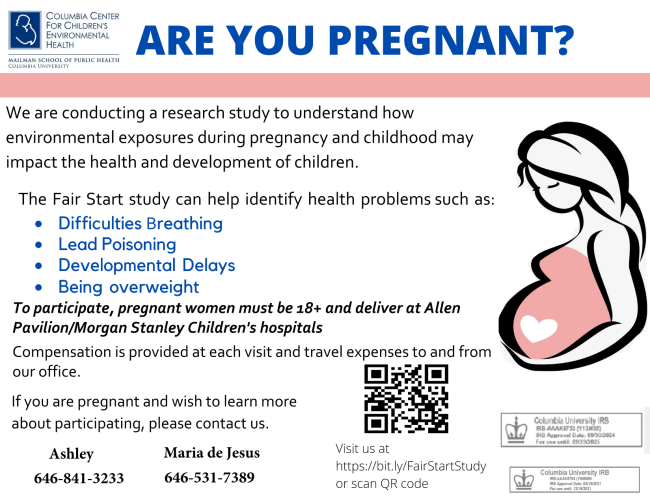
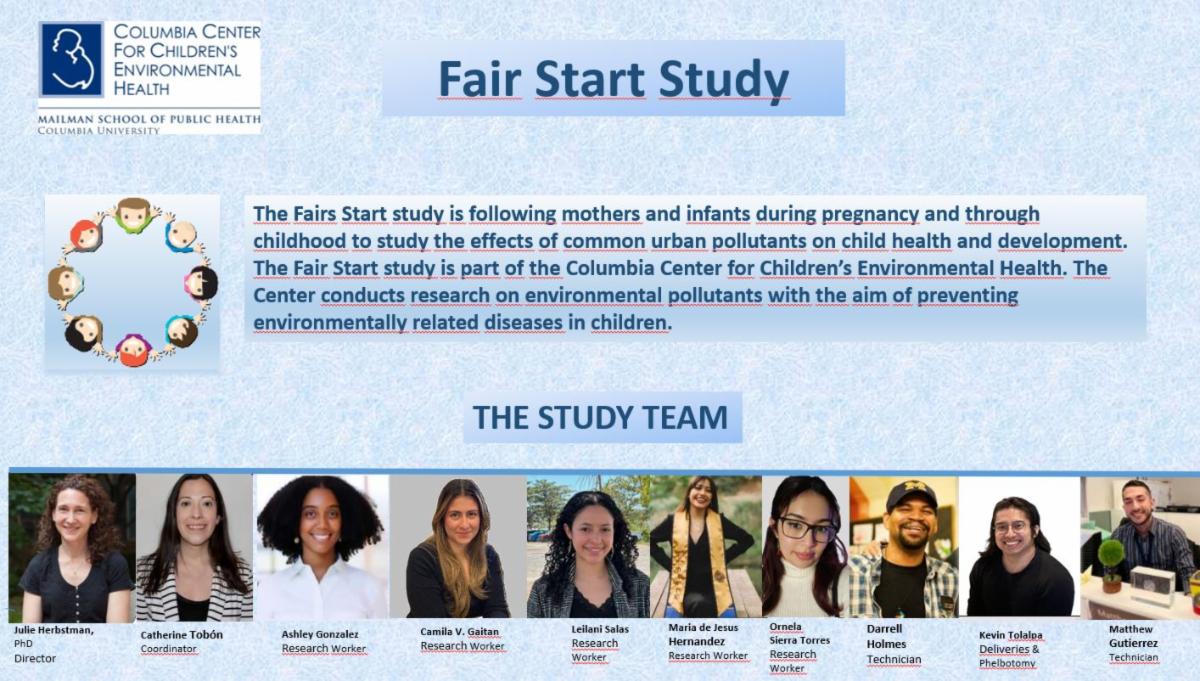
The Center for Children's Environmental Health is Seeking Participants for a Baby Assessment Training Session!
We are seeking child participants (between 1 and 2 years old) to take part in a training session for the NIH Baby Toolbox (NBT).
Staff at the Columbia Center for Children’s Environmental Health will be training in how to observe the children as they interact and play using an iPAD and other toys.
The iPad-based app is designed to assess brain development in young children. Your child will take part in a series of short activities. This exercise will help our staff practice using the NIH Baby Toolbox. These activities are safe and easy for your child to do, and they are meant to be fun.
Important Notes:
• This is a staff training activity only. The data collected will NOT be used for research.
• Your child must NOT already be a participant in our ECHO study.
• Compensation: $50 in the form of an electronic Gift card, via TruCentive.com. We will provide transportation to and from the visit.
If you’re interested or would like more information, please contact:
Catherine Tobon 347-266-9132
ct2405@cumc.columbia.edu
| | |
¡El Centro de Columbia para la Salud Ambiental de los Niños - Buscamos participantes para una sesión de formación sobre el desarrollo de bebés!
Estamos buscando participantes niños (entre 1 y 2 años de edad) para tomar parte en una sesión de entrenamiento para el NIH Baby Toolbox (NBT).
El personal del Columbia Center for Children's Environmental Health aprenderá cómo observar a los niños mientras interactúan y juegan utilizando un iPAD y otros juguetes.
La aplicación basada en el iPad está diseñada para evaluar el desarrollo cerebral de los niños pequeños. Su hijo/-a participará en una serie de actividades breves. Este ejercicio ayudará a nuestro personal a practicar el uso de la NIH Baby Toolbox. Estas actividades son seguras y fáciles de realizar para su hijo, y pretenden ser divertidas.
Notas importantes:
Esta es sólo una actividad de capacitación para el personal.
-
Los datos recogidos NO se utilizarán para la investigación.
-
Su hijo NO debe haber participado ya en el estudio ECHO.
- Compensación: $50 en forma de tarjeta de regalo electrónica, a través de TruCentive.com. Proporcionaremos el transporte de ida y vuelta a la visita.
Si está interesado o desea más información, póngase en contacto con:
Catherine Tobón
347-266-9132
ct2405@cumc.columbia.edu
| | |
Immigration Resources
Recursos para Inmigrantes
| | |
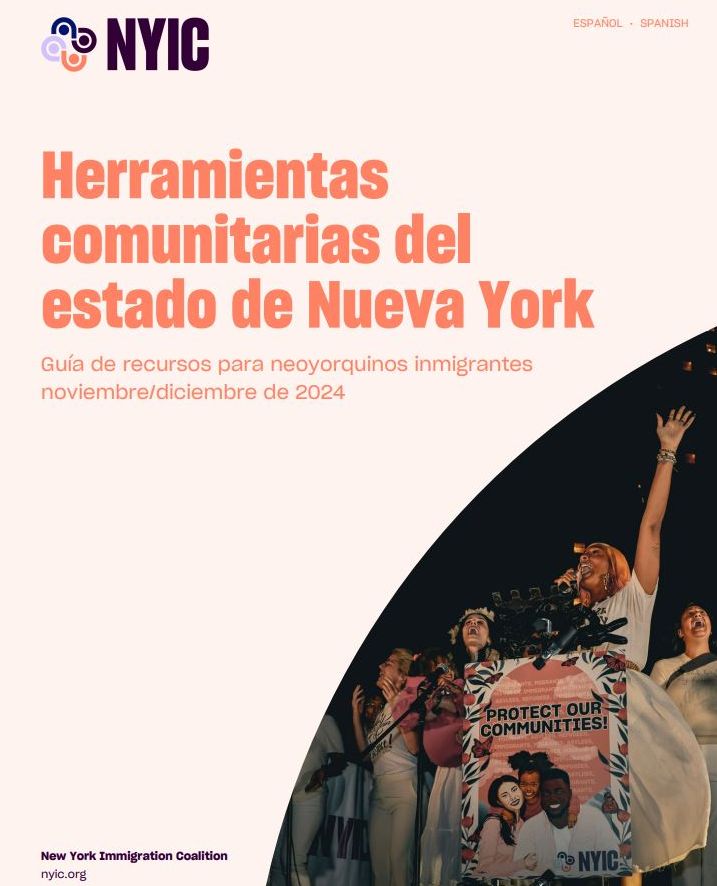
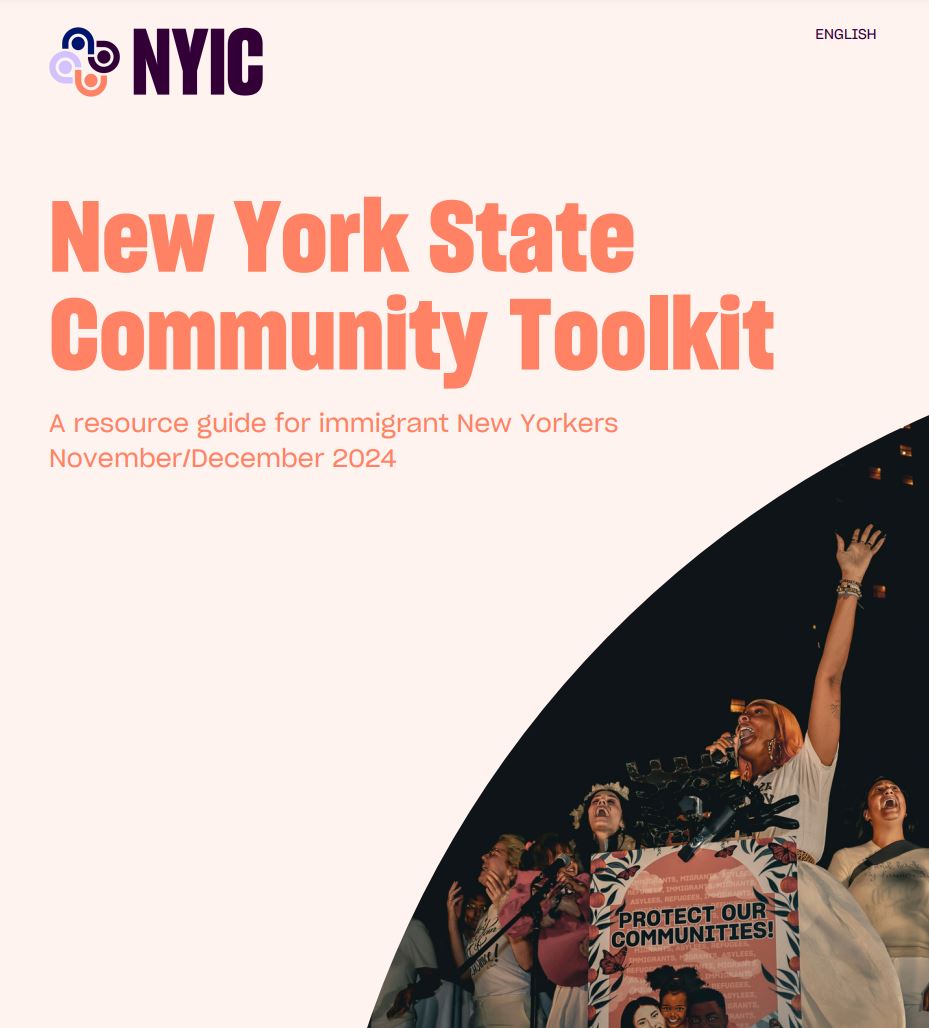
New York City Resources on Immigration
We encourage you to review the current resources and guidance for immigrant New Yorkers and their families and communities:
| | |
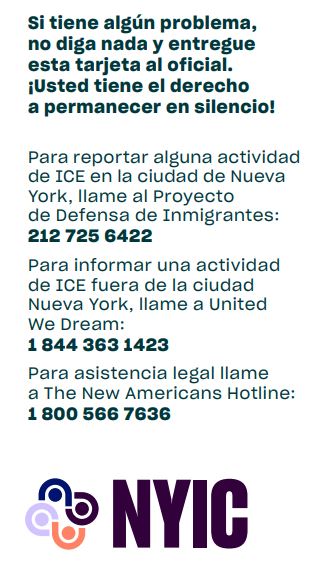
Take a photo of these palm cards to show if needed
Tome foto de estas tarjetas para mostrar si es necesario
| | |
The Center’s research is powering action to reduce the impacts of climate change, air pollution, and toxic chemicals on children and families.
Your support is yielding both immediate and long-term benefits to children’s health today and in the future. Your gift will protect the gains that we have achieved together.
We hope you will make a tax-free gift donation to the Center in order to continue this important work.
With Gratitude
| | |
Julie Herbstman, PhD
Director, Columbia Center for Children's Environmental Health
Frederica P. Perera, DrPH, PhD
Director of Translational Research and Founding Director
Columbia Center for Children's Environmental Health
Columbia Center for Children's Environmental Health
mailman.columbia.edu/ccceh
| | | | |