|
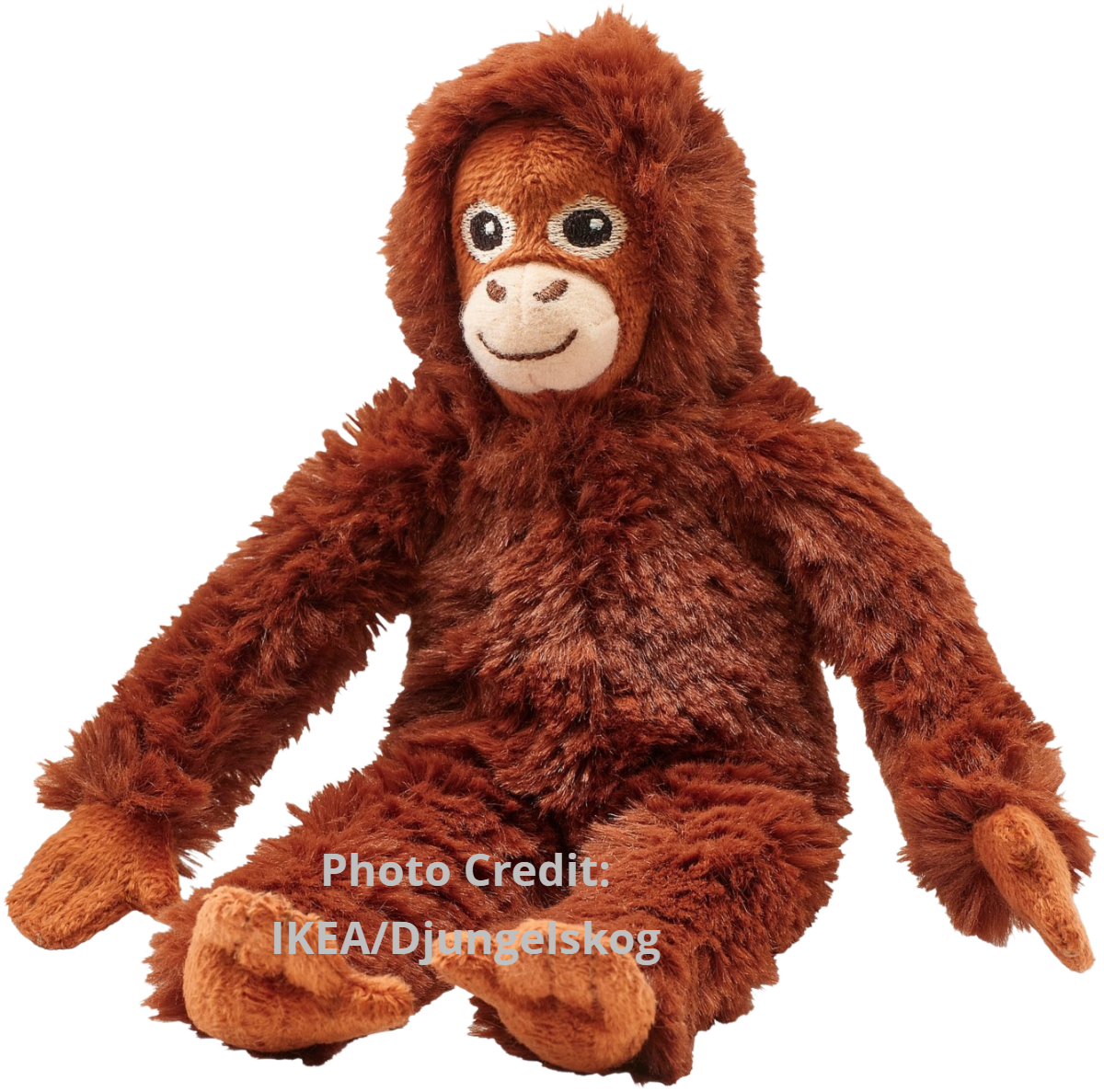
The cuddly stuffed orangutan from IKEA has made its way into bedrooms, dorm rooms, and social media feeds across the world.
Recently, that plush toy has been popping up alongside viral clips of Punch, the young Japanese Macaque monkey in a Japanese zoo whose story captured global attention.
Short videos that appeared to show him being rejected by his mother and avoided by members of his group quickly spread online. It’s only natural that people would feel concern.
At the same time, conservation groups gently remind us that viral primate stories can sometimes create unintended consequences.
Primate social life is complex. A brief video rarely tells the full story. Group dynamics, maternal experience, health considerations, and professional monitoring by trained staff all play a role. What looks alarming in a few seconds online may be part of a much broader situation being carefully managed behind the scenes.
There is also a wider issue to consider. When primates trend online, especially in emotional or dramatic ways, public perception can subtly shift. Seeing primates portrayed in human-centered situations can unintentionally make them seem more like suitable companions than wild animals with very specific needs. Even small changes in how they are framed can influence how people think about keeping primates as pets or using them for entertainment.
That is where concern arises, not from caring about Punch, but from how viral storytelling shapes understanding.
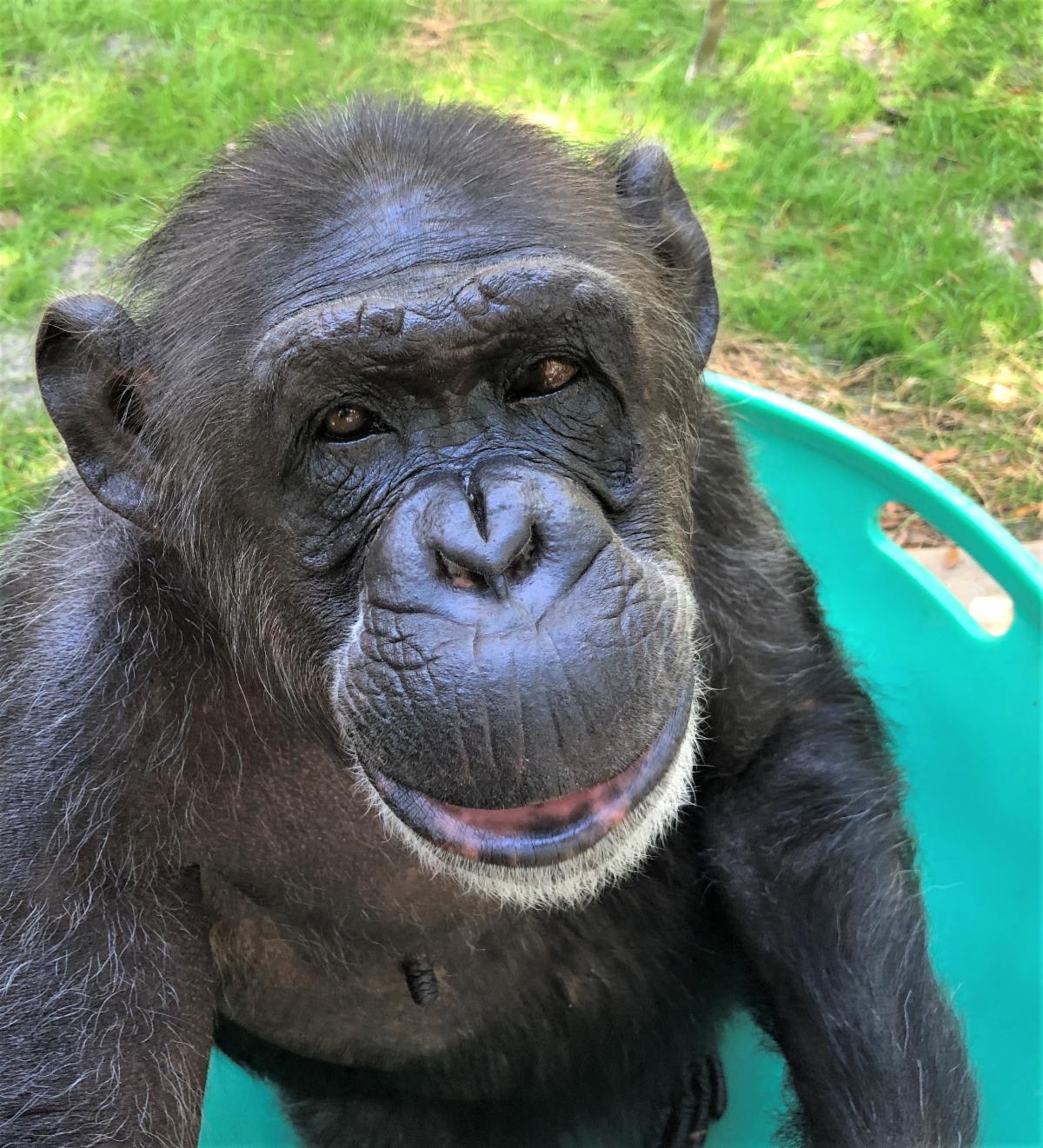
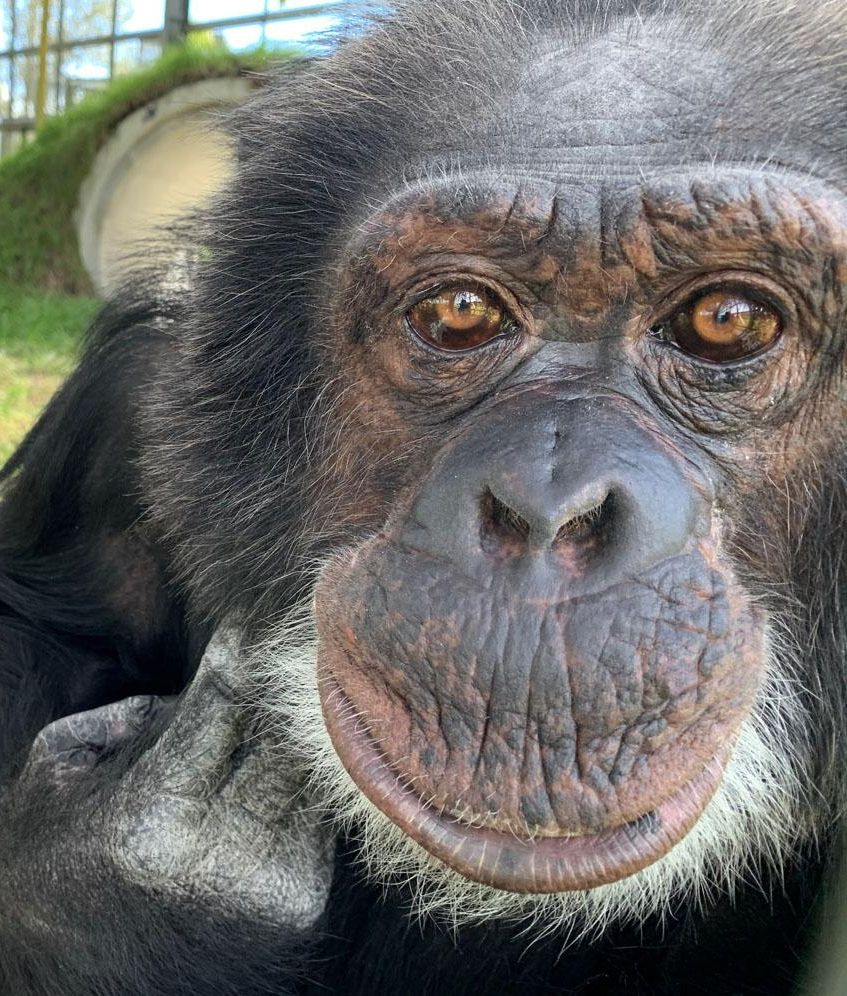
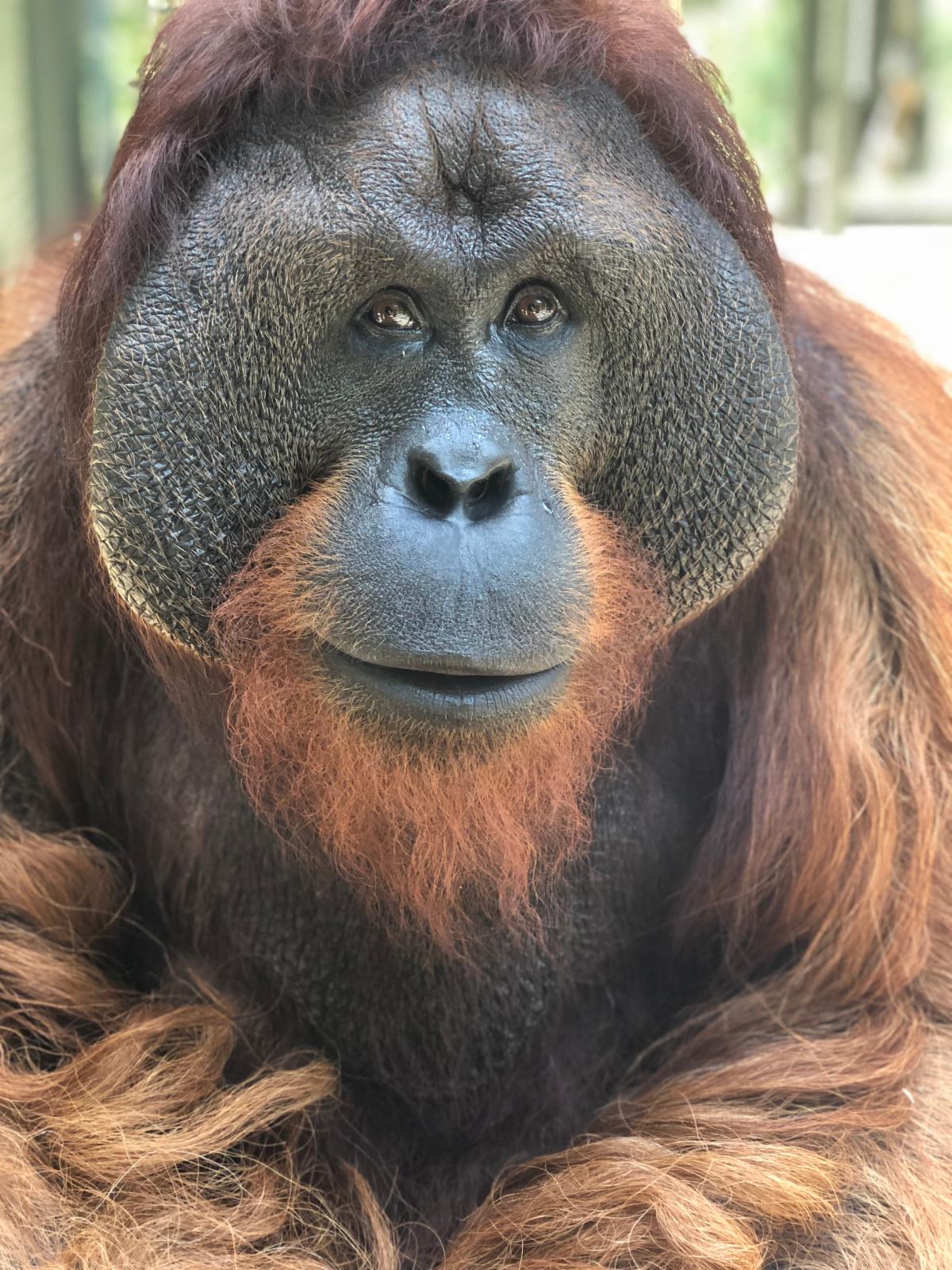
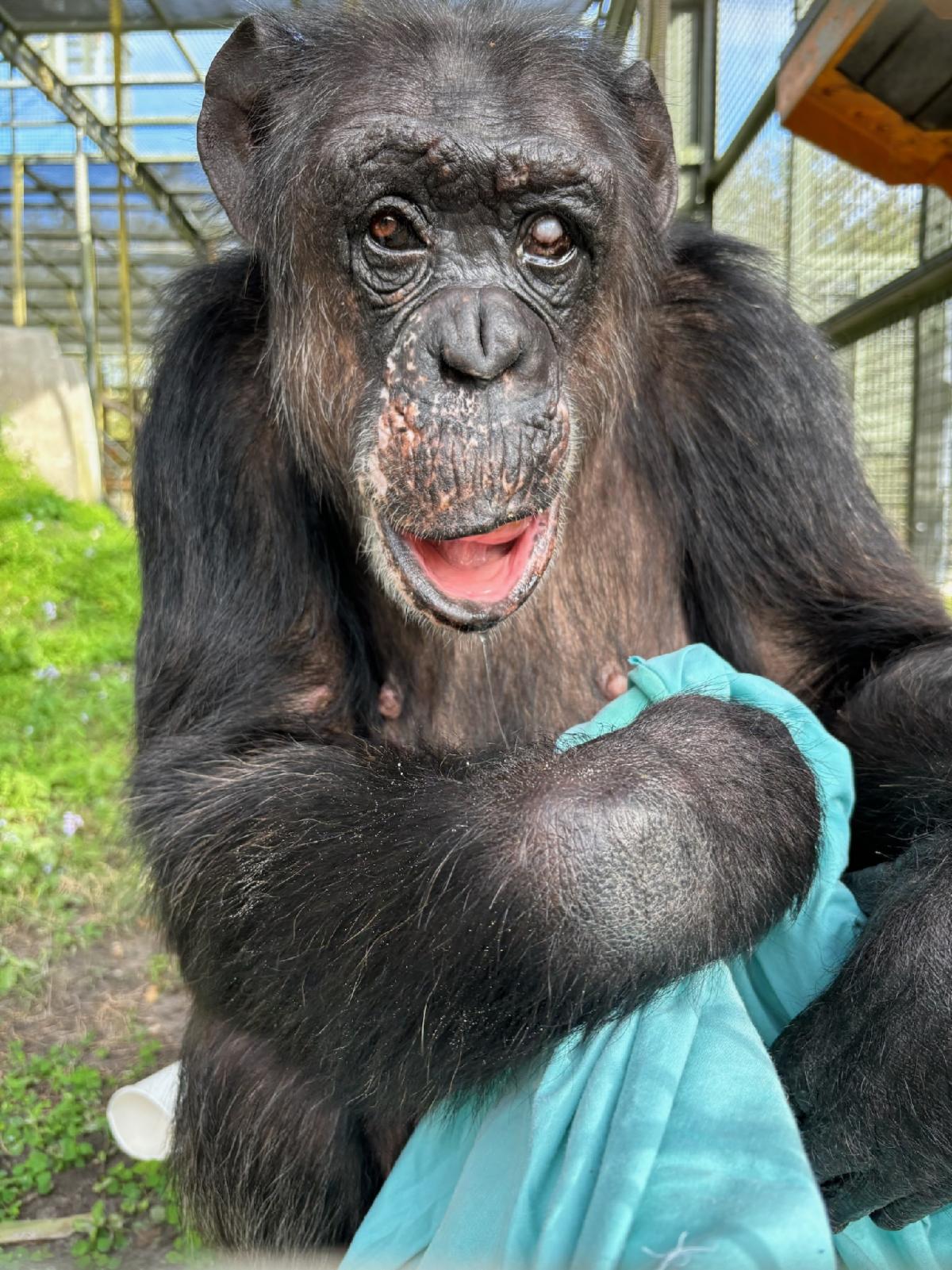
At the Center for Great Apes, we care for chimpanzees and orangutans who came from private ownership, research, and entertainment backgrounds. We know firsthand how quickly fascination can turn into lifelong responsibility. These are intelligent, emotionally complex beings who require specialized, dedicated care.
How can people help?
Pause before sharing viral primate content and seek context from credible wildlife and conservation sources. Support accredited sanctuaries and organizations that provide lifelong care or protect wild populations. Avoid venues that allow direct contact, performances, or photo opportunities with primates. And gently educate others, helping friends and family understand that these animals are not pets or props, but complex beings deserving thoughtful stewardship.
It’s always good to care. And when stories like Punch’s circulate, the most helpful response is informed compassion, turning concern into responsible action.
|