|
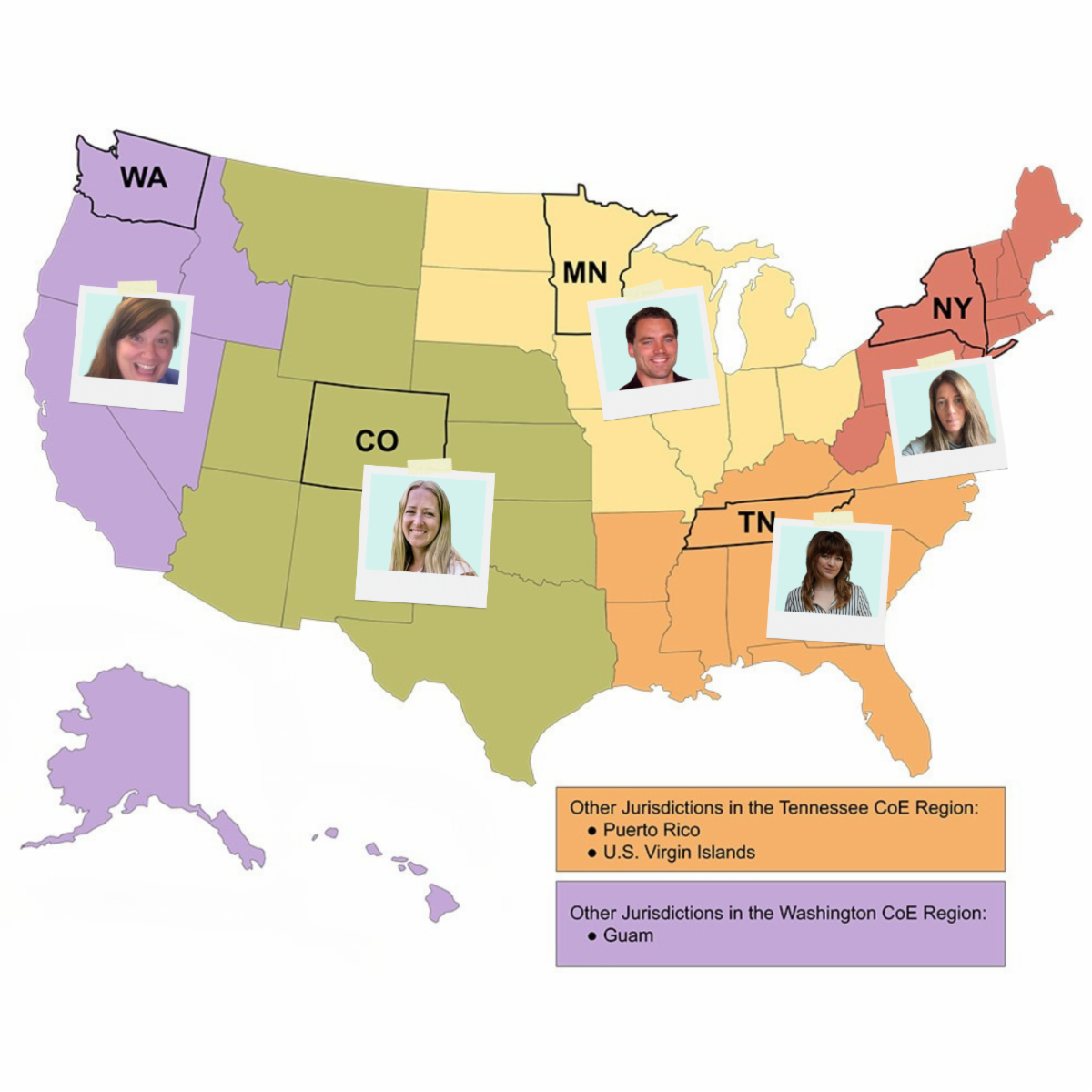
The Food Safety CoE Journal Club is a student-driven, academic-professional meeting place designed to foster collaboration and networking among students, postdocs, and CoE staff across the CoE regions. Each month, students share an article and lead a group discussion, creating a low-stakes setting to build confidence, sharpen presentation skills, and strengthen the habit of critically engaging with published research. Over the past year, the group has explored a wide range of timely and thought-provoking topics.
The Impact of Integrated Genomic Surveillance on Non-Typhoidal Salmonella Infection in Australia: An Ecological Study
Using the National Notifiable Diseases Surveillance System, this study estimates the effects of whole genome sequencing (WGS) on non-typhoidal Salmonella in Australia. Researchers used the dates that WGS was implemented in each jurisdiction in Australia, and compared implementation to Salmonella infection rates.
Reptile Exposure in Human Salmonellosis Cases and Salmonella Serotypes Isolated from Reptiles, Ontario, Canada, 2015-2022
Reptiles and amphibians can frequently have Salmonella living in their intestinal tract without any sign of illness. A retrospective analysis of Salmonella cases in Ontario was performed to understand the rise of reptile associated Salmonella in 2015-2022. Serotypes and reptile species were compared to investigate infection association.
Transmission of Norwalk Virus During a Football Game
On a September Saturday in 1998, football teams from North Carolina and Florida faced off in the Florida sun. Team members from NC began to feel ill during the game but continued to play. The following day, players from the FL team also developed gastrointestinal symptoms. Click the link to read more about this historical Norwalk Virus outbreak.
Foodborne Infections an Mortality Associated with Expressed Breastmilk, Donated Breastmilk, and Infant Formula in High-Income Countries: A Scoping Review of Peer-Reviewed Evidence Cases
Caregivers may turn to alternatives to breastmilk such as powdered infant formula and donated human milk. Alternatives can be susceptible to contamination, putting infants at risk of infection. In a systematic review, 20 studies were selected to identify which pathogens may be the most common in breastmilk alternatives, and highlight need for enhanced hygiene protocols.
Machine Learned Epidemiology: Real-Time Detection of Foodborne Illness at Scale
This study tested the efficacy of a machine learned model of foodborne illness detection using anonymous and aggregated web search and location data. Researchers found their machine learned model successful in identifying restaurants that may have been associated with illness and/or a lower restaurant inspection score.
Artificial Intelligence in Food Science and Nutrition: A Narrative Review
AI has been integrating into research areas since late 2010. This narrative review discusses the history of AI in food science and nutrition, how AI is used in other fields, and the applications AI.
Deep Learning Enabled Rapid Detection of Live Bacteria in the Presence of Food Debris
Deep learning allows us to get creative with approaches to previously time-consuming processes. This deep learning based strategy proves to be 100% accurate and cost effective for rapid detection and classification of live bacteria.
|