|
Student Panel Highlight at the North Region
Capacity Building session
| | |
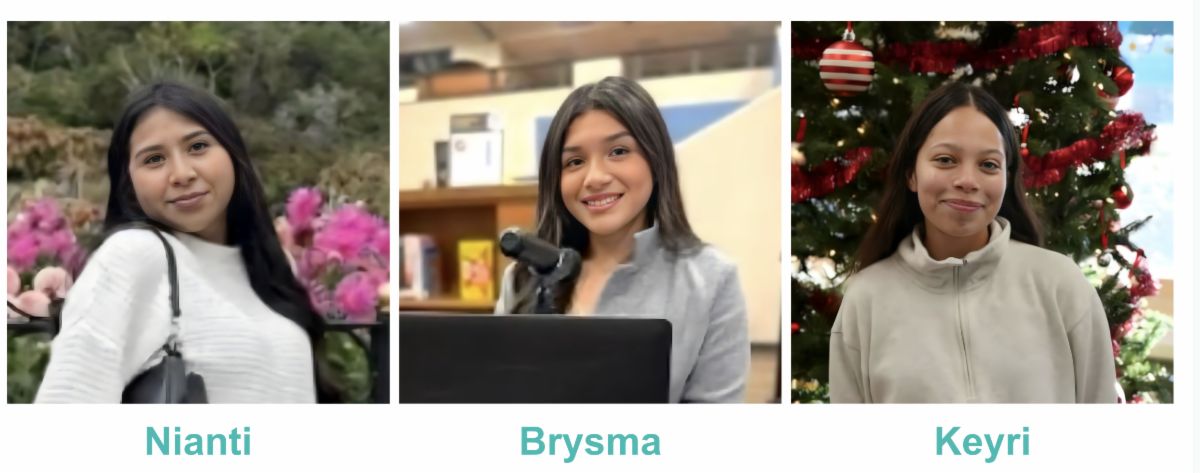
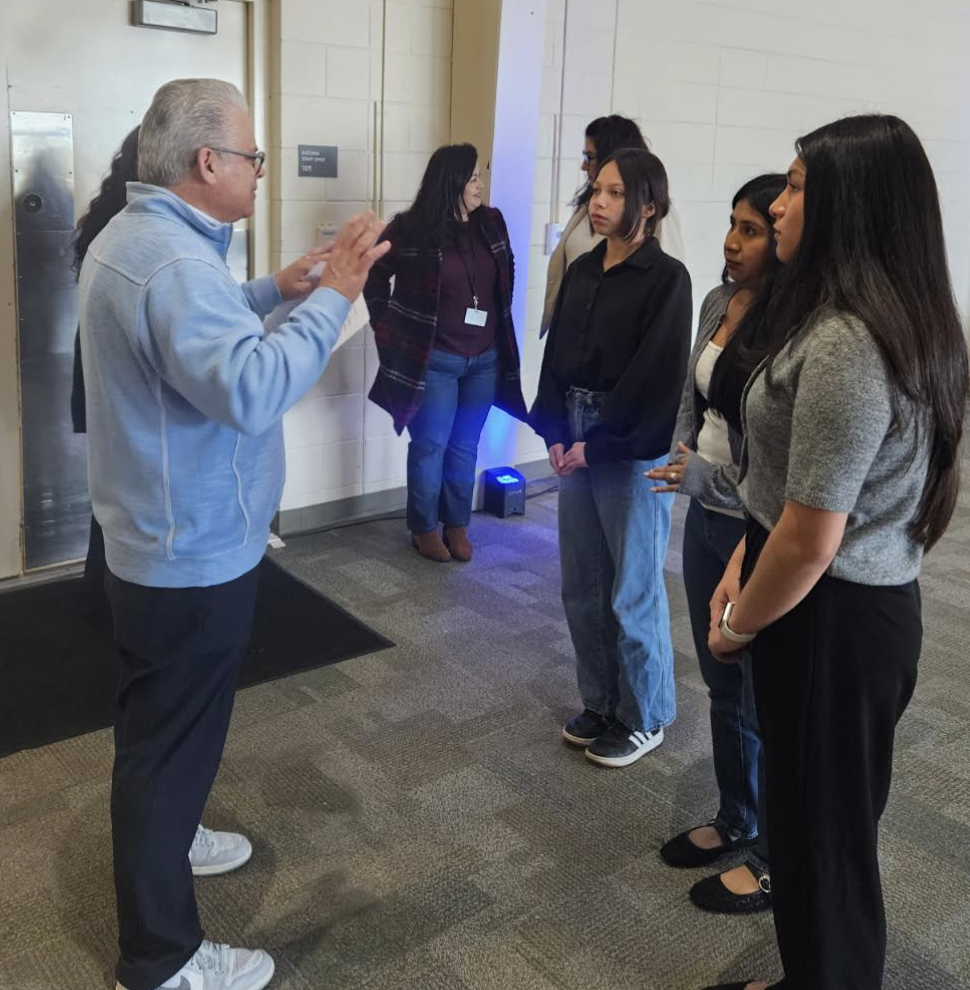
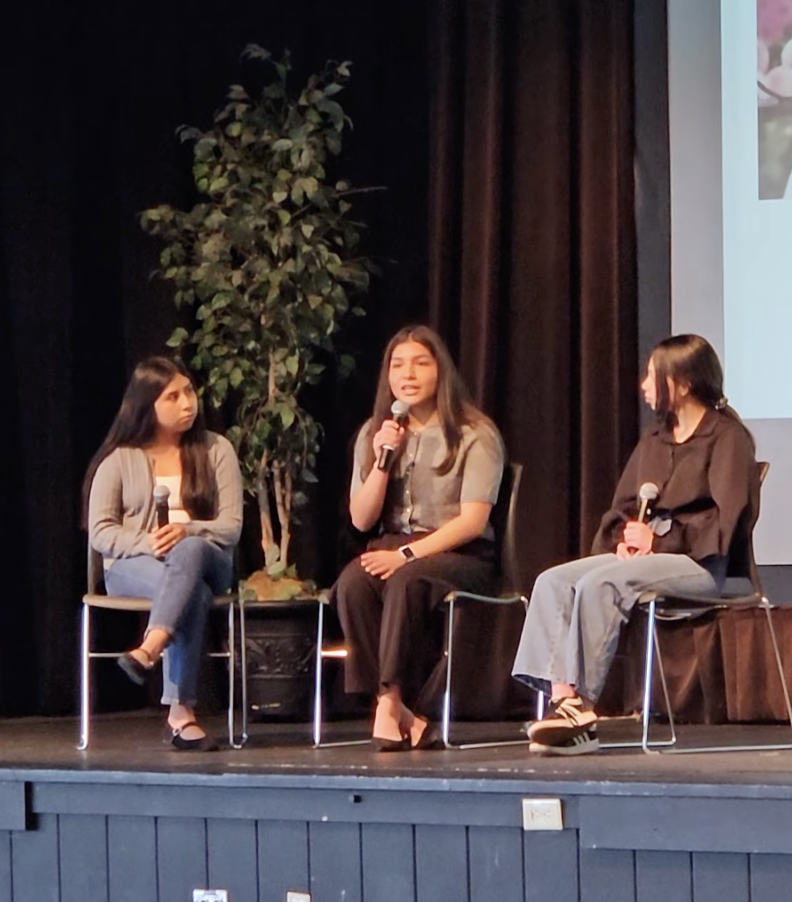
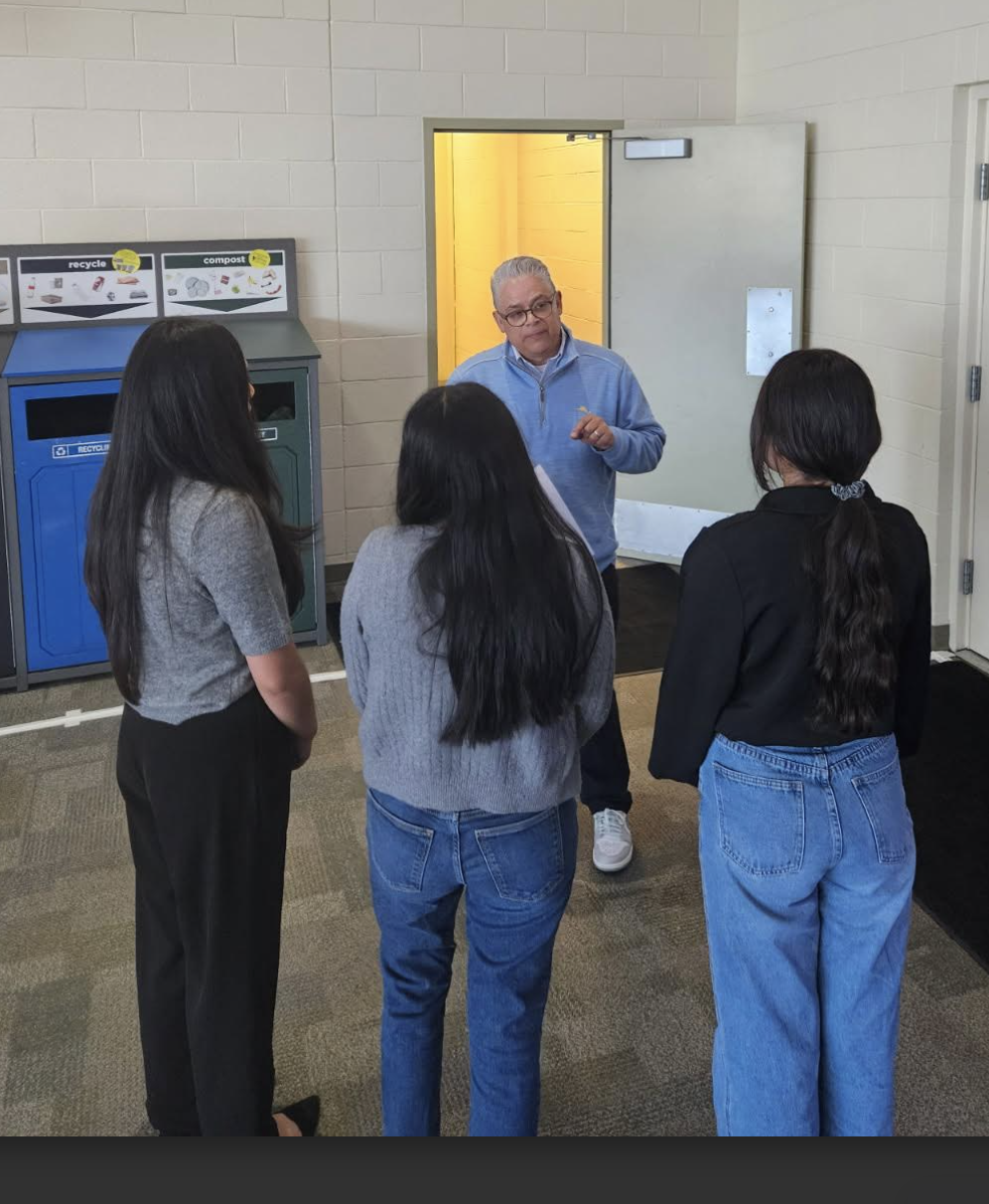
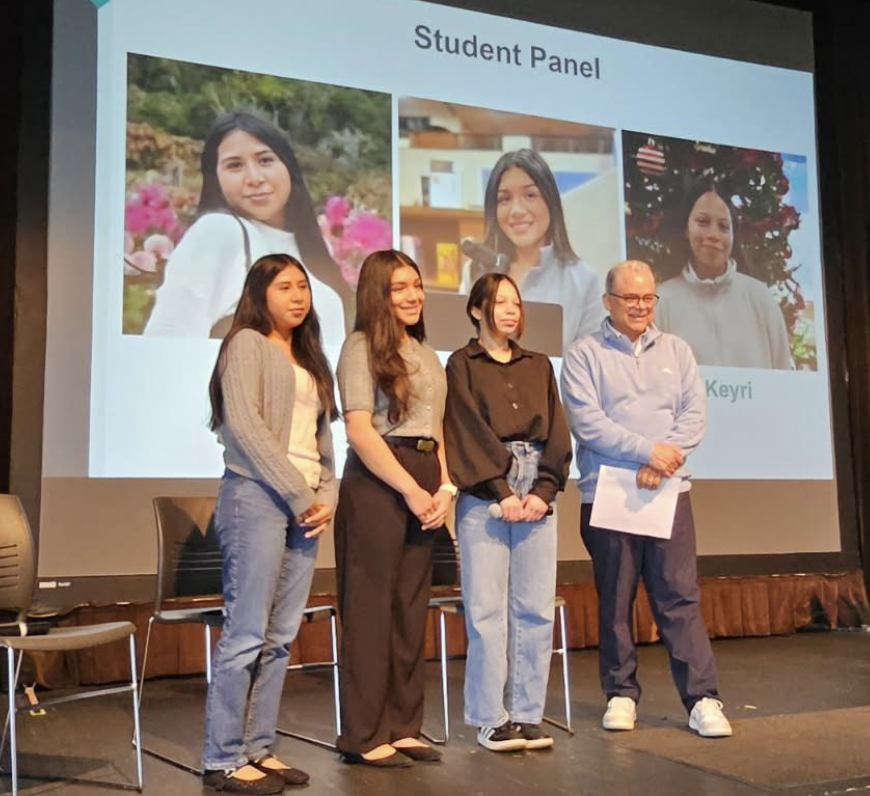
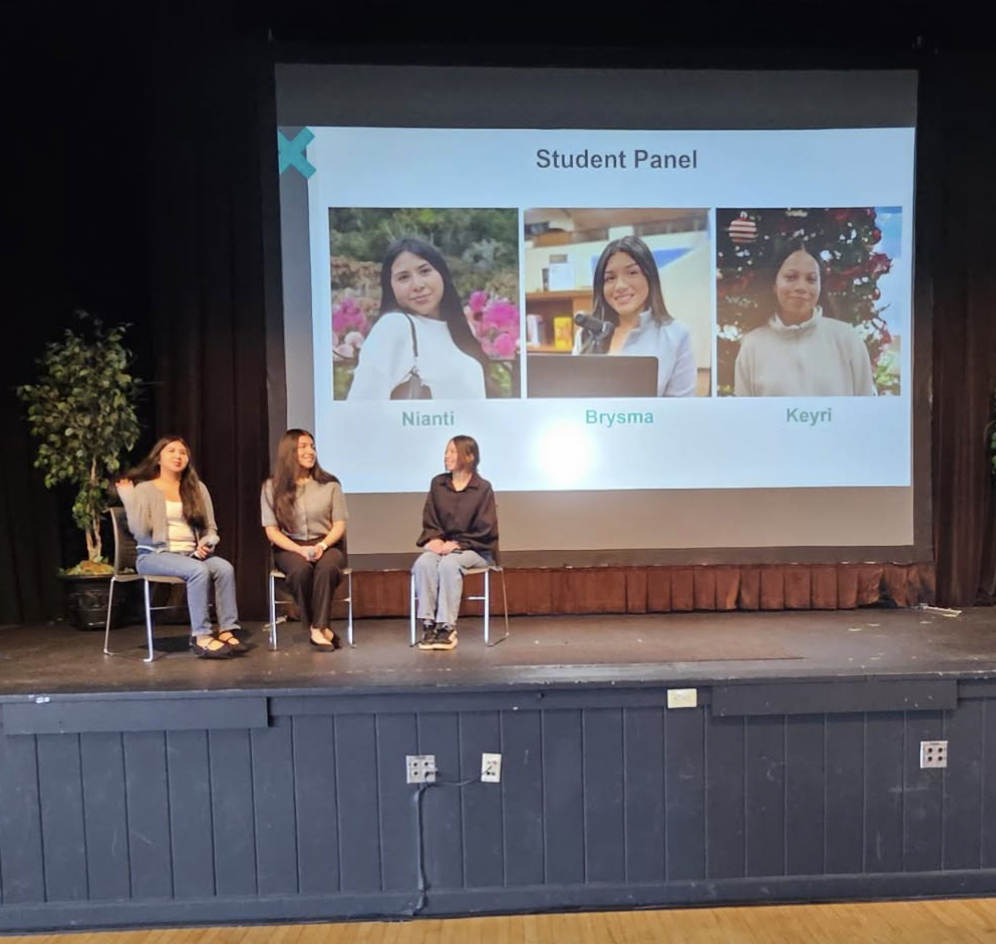
On March 11, 2025, the dedicated CCSPP grantees in the northern region were delighted to enhance the final Inflexion workshop of the year by supporting a vibrant student component. This component was beautifully exemplified by a panel of three exceptional students from Monterey County schools, each bringing their unique perspectives and insights to the forefront. Their participation not only enriched the workshop experience but also showcased the incredible talent and potential of the young minds shaping our future. It was a day filled with inspiration, collaboration, and a shared commitment to fostering an engaging educational environment.
These students were selected for the student panel because they have the great honor of representing the Central Coast Region on the Statewide Student Advisory Committee (SAA). The SSA committee consists of 22 youth leaders across the state who are passionate about enhancing their leadership skills, deepening their political analysis, and playing a critical role in shaping the future of Community Schools. They participate in SSA Meetings held on the first and third Wednesday of the month from 4PM to 6PM, virtually. Topics include: Equity, Public speaking, Street Data, Asset Mapping, Relationship-Centered Schools, and Civic engagement.
Manuel Colon, RTAC partner with the Inflexion organization, expertly guided a captivating 30-minute session that engaged students in a thought-provoking panel discussion. For the first 15 minutes, Manuel facilitated an enriching conversation, allowing students to express their insights on the significance of student voice within the context of the community school framework. This was followed by a 15-minute Q&A session where students eloquently articulated their thoughts, leaving the audience with a wealth of ideas to ponder. Below, you will find a summary of some of the insightful questions posed and the compelling responses from the students, showcasing their depth of understanding and passion for the topic.
| | | | |
What recommendations would you give teachers who have taught you?
Recommendations I would give to teachers who have taught me are . . .
Connect with your students and your surrounding community.
Bring relevant content to your classroom. Ask students what they think about the lessons.
Be open-minded to receive feedback from students and highly consider it. This will help you grow as a teacher and improve your practices.
Optional resource:
Amplifying Youth Voice (2 pages) - this resource explains how student voice increases student engagement, enhances education systems, and improves student outcomes.
| | | |
What does community schools mean to you?
To me, a community school means . . .
Community Schools is not only academics. It's also about embracing the ideas of love and healing that some of your students don't get that they need to thrive.
Community Schools is about strengthening the four pillars and how we can access everyone's strengths.
Community Schools are places that foster inclusivity.
Optional resource:
A three part mission for Community Schools: Transactional to Transformational (1 page)
| | | | | | |
What strategies do you think would help struggling students?
Strategies I think would help struggling students are. . .
Mindset is critical for students to grow and learn. Many students automatically give up on themselves. They need that support, that a teacher that believes in them. Teachers can incorporate healthy mindset habits into their daily teaching practices. This way, teachers see ALL students' potential and strengths, not just their struggles or insecurities.
Growing up my mom was a big influence in my life as far as healthy mindset; it also supports healthy communication within the family. Supporting mindset with parents would positively impact student's belief in themselves and improve outcomes.
Optional resource:
Mindset Continuum (1 page) - a great resource for Community School leads and other educational partners to self-assess in this area.
Growth Mindset handout (2 pages) - an introduction by Transforming Education.
| | | |
Can you describe your ideal principal?
My ideal principal would . . .
Embrace student voice when it comes to feedback on how students are being taught.
Be empathetic, a great listener, and open to constructive feedback.
Prioritize getting to know everyone in the school community and connect with students; know them by name and uplift them.
Optional resource:
Creating Equity in the Classroom (12 pgs) Includes a Diagnostic checklist for culturally responsive instruction (potential NAA tool).
| | | | |
We extend our heartfelt gratitude to these students for graciously sharing their unique perspectives and invaluable expertise with us! Your voices are essential in shaping our community, and we truly appreciate the insights and creativity you bring to the table. Thank you for being such an integral part of our journey; your contributions inspire us all to reach new heights together!
SSA committee is a unique and wonderful opportunity for students to shine. Each year, SAA nominations open in August - the Central Coast RTAC team will reach out via email to COE and LEA leads with a nomination form when it is released for the 25-26 school year.
This opportunity is open to students in grades 7 through 12. We encourage ,grantees in all counties to submit nominations and recognize the talents of our youth.
For more information visit:
SSA Instagram page
Background info
Fact sheet
For all Inflexion resources shared at the final workshop in the series, click here
| | |
Revised: California Standards for the Teaching Profession
April 2024
| | |
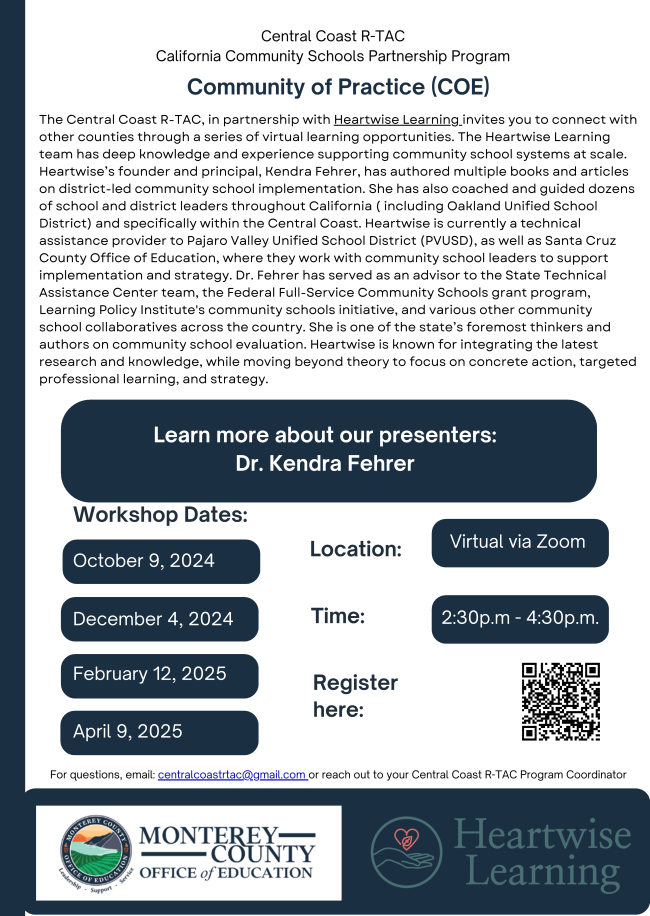
In April of 2024, the California Commission on Teacher Credentialing took a significant step forward by adopting the revised California Standards for the Teaching Profession (CSTP). This action was taken in order to elevate teaching effectiveness and foster student well-being in a variety of educational environments. By embracing these updated standards, educators are empowered to create more engaging and inclusive learning experiences, ultimately contributing to the holistic development of every student. This commitment to continuous improvement in teaching practices not only enhances the educational landscape in California, but also sets a benchmark for excellence that can inspire educators nationwide.
The revisions to our standards have not only been meticulously crafted but also harmoniously align with the key components of the Community Schools framework; these standards foster a collaborative environment that nurtures the holistic development of all students. Key Updates in the 2024 CSTP:
- Holistic Approach: The standards provide a comprehensive framework addressing the multifaceted nature of teaching, guiding educators from preparation through advanced practice.
- Six Core Domains:
- Engaging and Supporting All Students in Learning: Utilizing the knowledge of students to foster engaging learning experiences.
- Creating and Maintaining Effective Environments for Student Learning: Establishing safe, inclusive, and productive classroom environments.
- Understanding and Organizing Subject Matter for Student Learning: Demonstrating deep content knowledge and effective organization of curriculum.
- Planning Instruction and Designing Learning Experiences for All Students: Developing thoughtful instructional plans tailored to diverse student needs.
- Assessing Students for Learning: Employing various assessment methods to inform instruction and support student growth.
- Developing as a Professional Educator: Engaging in continuous professional development and reflective practices.
- Emphasis on Equity and Inclusion: The standards underscore the importance of culturally and linguistically responsive teaching practices to meet the needs of all students.
- Enhanced Family and Community Engagement: Highlighting the role of two-way communication to build positive relationships with families and communities, fostering collaborative support for student learning.
- Integration of Contemporary Educational Practices: Introducing indicators related to digital citizenship, restorative justice, and promoting a growth mindset among students.
These revisions reflect a commitment to adapt teaching standards to the evolving educational landscape, ensuring that educators are equipped to support the diverse and dynamic needs of California's student population. Throughout, they emphasize the importance of the Community School Framework, particularly the Cornerstone Commitments and Key Conditions of Learning.
To get to know the revised standards, see:
Revised California Standards for the Teaching Profession (27 pages).
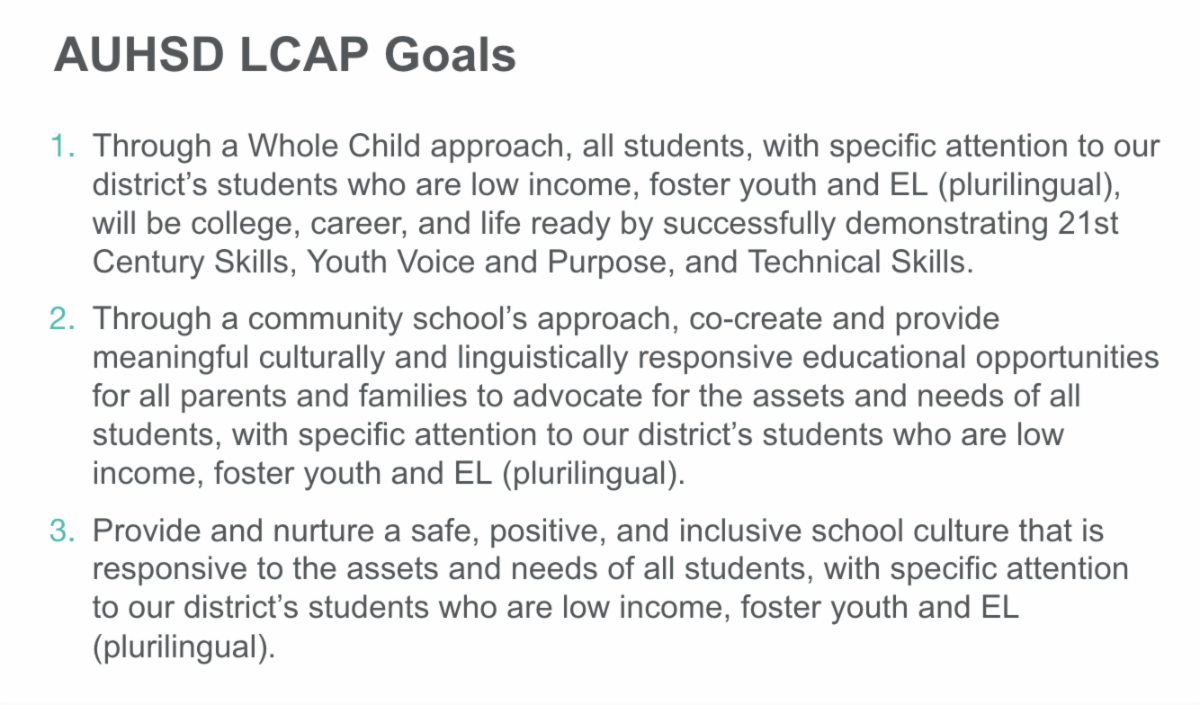
| Anahiem Union High School District's LCAP goals are an example of goals aligned closely to the CS Framework and the revised California Standards for the Teaching Profession (CSTP), which will support sustainability of the Community Schools transformation model. | | | Mental Models and Relationship Centered Schools | | |
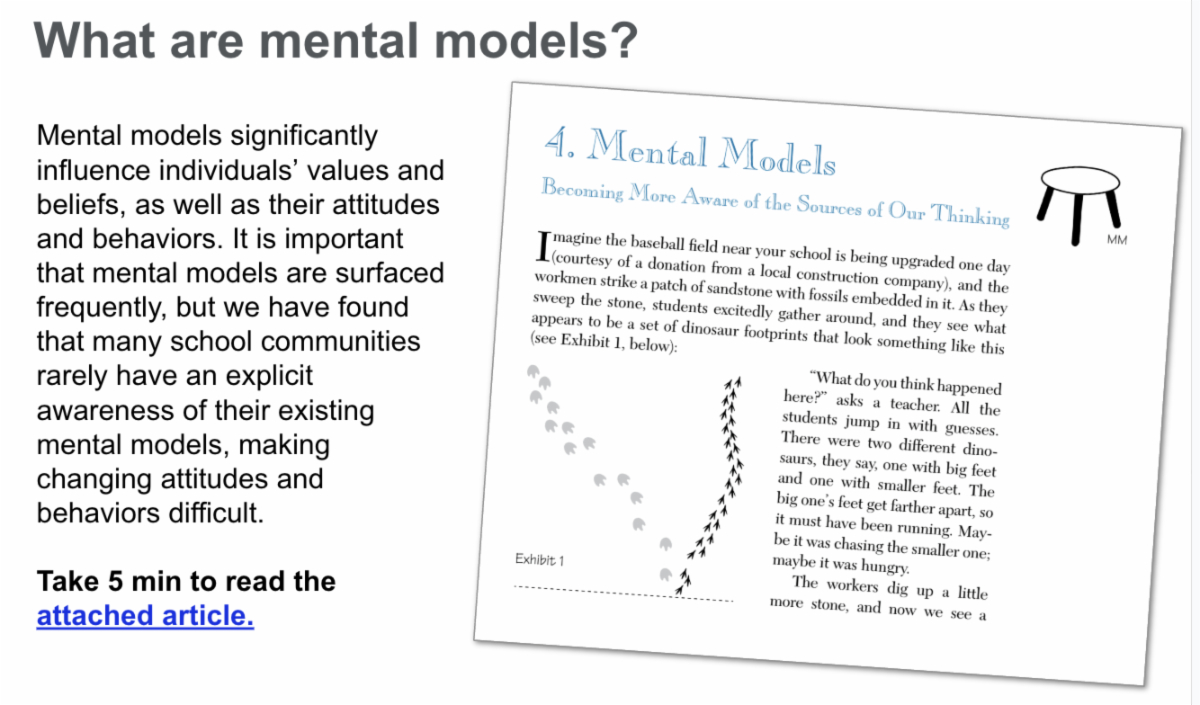
Mental models, those deeply ingrained beliefs and assumptions we hold, play a pivotal role in shaping our educational landscape, particularly when it comes to fostering equity in schools. These subconscious frameworks can significantly impact teaching practices and, consequently, student outcomes. In this context, relationship-centered schools emerge as a beacon of hope, cultivating not only stronger student well-being but also enhancing academic performance. By prioritizing meaningful connections within the learning environment, these schools pave the way for a more equitable educational experience, ensuring that every student has the opportunity to thrive and succeed.
By prioritizing the nurturing of positive relationships among students, educators, and the wider community, these schools create a robust foundation for an enriching educational environment. This emphasis on collaboration and connection not only fosters a sense of belonging but also enhances the learning experience for everyone involved.
Embracing a shift in perspective is crucial in harnessing the full potential of these transformative initiatives, as it cultivates an atmosphere of support and encouragement. Ultimately, this approach paves the way for a brighter future, empowering all students to thrive and succeed in their educational journeys.
To learn more about Mental Models and Relationship-Centered Schools, see the following resources:
Prepare yourself for those hard conversations. Mental Models article (5 pgs): https://drive.google.com/file/d/1z6VPEG5BAZBPBdW45cMkoOqaiAxAjc6o/view
Inflexion resource: Summary of Mental Models and Successful CS Implementation (9 slides)
Overview of relationship-centered schools: https://caljustice.org/our-work/rcs/
More examples of relationship-centered schools
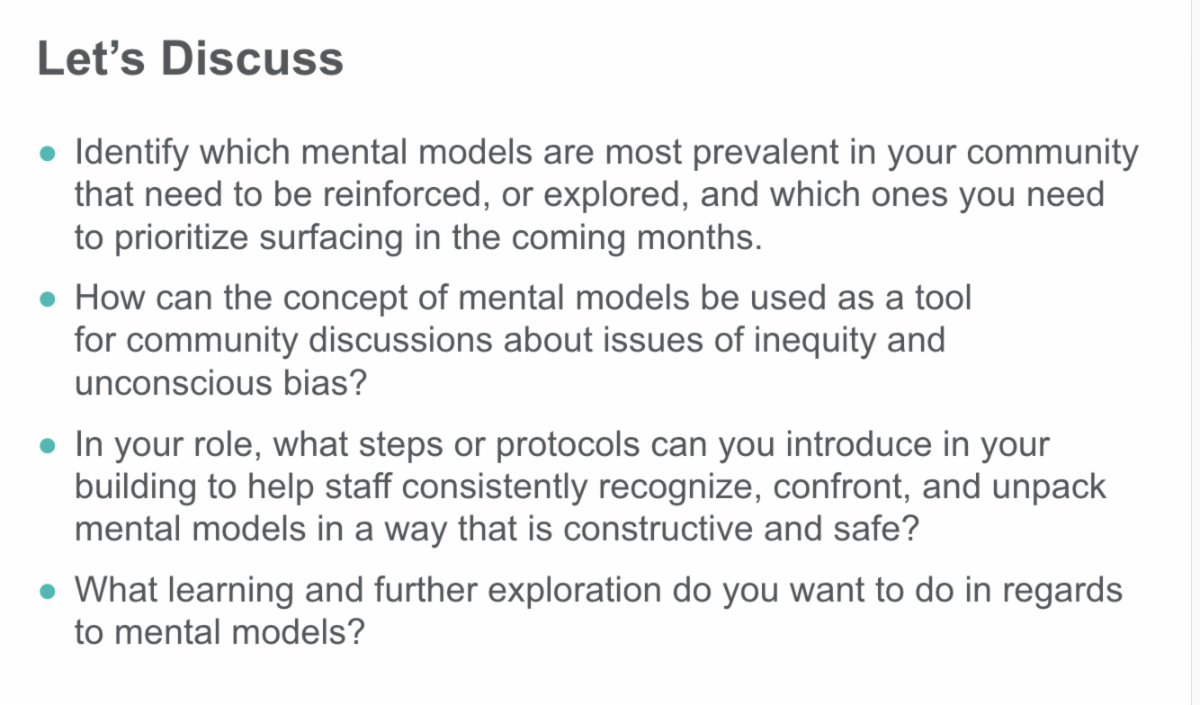
| | Follow up to the Mental Models article with the above reflection questions. This is a great activity to engage your Community School Core team. | | |
APR and Self-Assessment:
Continuous Improvement Cycle
| |
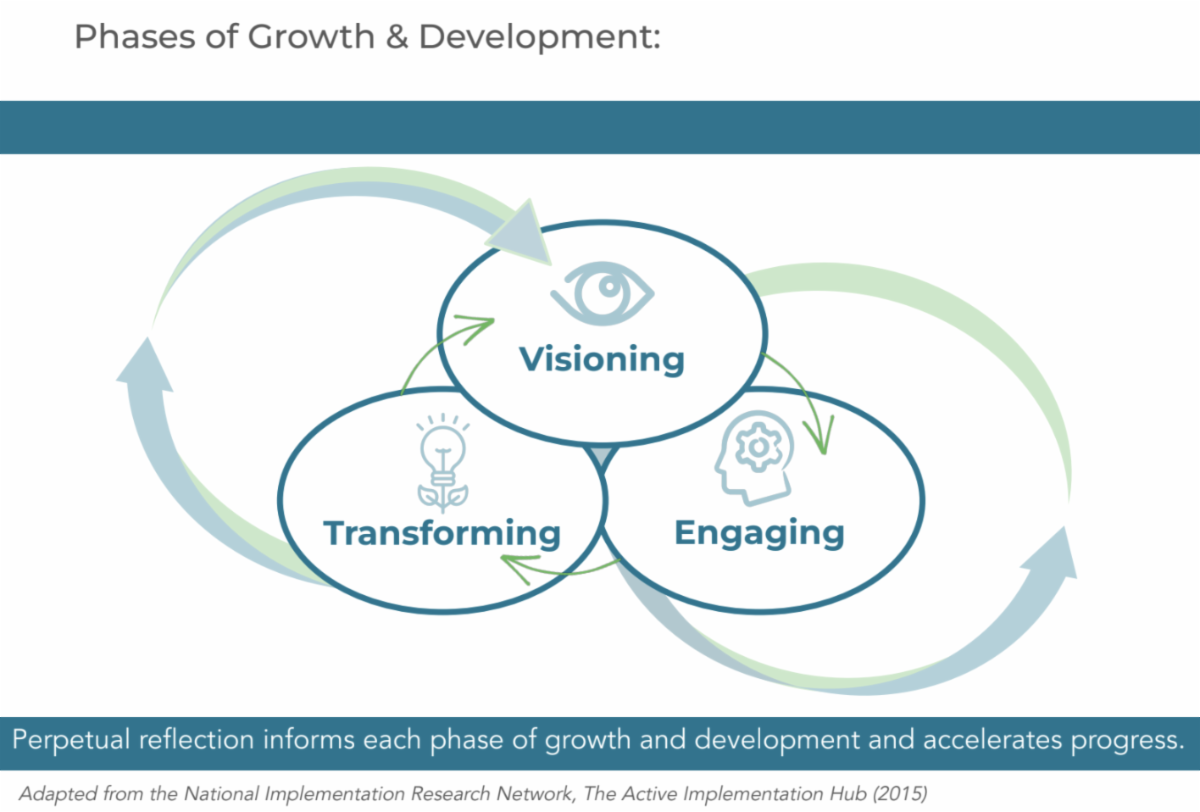
The Annual Progress Review (APR) serves as a wonderful opportunity to reflect on the strides we’ve made toward achieving our goals this year. It’s not just a moment to assess our accomplishments, but also a chance to bolster our community schools strategy, guiding us from mere visioning to tangible transformation. By collaboratively embracing this process, we can cultivate an environment that not only celebrates our progress but also inspires continued growth and innovation for the benefit of our students and the wider community.
To begin APR conversations with your School Advisory Council Team, think about APR from the lens of continuous improvement, i.e. opportunities to identify methods to make things better - whether it's processes, products, or personal skills - by identifying areas for improvement and implementing incremental change.
APR/Self Assessment - Team reflection on what we have accomplished so far. With your Advisory Council team, think about:
- What worked and what didn't work?
- What impact did programs and services offered to students, parents, teachers, and community members have on your collective goals and priorities - as listed in your current year Site Implementation Plan?
- Will the impact require you to modify goals or action steps in your updated Site Implementation plan?
Updated Site Implementation Plan - Team reflection on how we are doing the work. With your Advisory Council team, think about:
- Did we met our goals as listed on our current year Site Implementation Plan? If so, is it time to identify a new goal?
- Are we making progress toward meeting our goals? If not, what changes can we make in our approach to meet our goals?
- Does new Needs and Assets Assessment data indicate we should change/modify our goals or data measures?
Sustainability Plan (Implementation year 2 and beyond only) - Team reflection on how we will sustain the work. With your Advisory Council team, think about:
-
What Community School framework capacity-building offerings to students, parents, teachers, and community members have been most impactful?
- Are we regularly presenting on the impact of the Community Schools work to our leadership teams, parent organizations, and Board of Education?
- Are there opportunities to multi-fund our community school initiative work with other District funding sources?
-
Have we identified any new funding sources?
- Are there local government officials our LEA or COE can reach out to for support with the community school initiative?
- Are we promoting the work we are doing on social media?
-
Is our LEA or School advocating for the CS work at the Local, State, and Federal levels? If not what are some ways we can begin doing this?
Great Guides for District Community School Leaders:
| | |
|
Monterey County Office of Education
901 Blanco Cir, Salinas, CA 93901
Central Coast RTAC | Website
centralcoastrtac@montereycoe.org
CLICK HERE to:
>Read previous RTAC newsletters
>Access the link for your colleagues to subscribe to our newsletter
| | | | |