|
Central Oregon Public Health
Monthly Update
October 31, 2025
| | |
The Central Oregon Public Health Newsletter is now available in Spanish!
To receive it in your mailbox click here.
Usted puede encontrar el boletín de este mes en español aqui
| | Holiday Food Safety with a Deschutes County Environmental Health Specialist | | |
As a Registered Environmental Health Specialist who makes sure restaurants follow food safety standards, my most interesting story isn’t one of my encounters at local restaurants. Rather, it is my wife being stranded with a newborn baby at a family Thanksgiving gathering, with each person extremely sick from a norovirus infection!
Oregon’s food safety codes are meant to reduce foodborne illness and protect the public from harmful foodborne pathogens or those passed between people in a food setting. While it is rare to make our families sick from our normal routines in our own home kitchens, inviting others into a holiday food operation could benefit from a little restaurant-style food safety wisdom!
Take a typical Thanksgiving experience, where a whole cooked turkey, stuffing, and sides like potatoes, cooked vegetables, salad, and untold secret recipes from generations before, are prepared and presented for friends and loved ones. This group of people may be of varying ages, and of varying degrees of health and resilience to disease. A typical Thanksgiving dinner would likely miserably fail an inspection by restaurant standards; but that shouldn’t scare you either! Food safety basics are pretty easy to learn and apply. Consider the following parts of restaurant food safety below and check out the resources referenced at the end of this article for even more safety tips.
Start clean. Work clean. Finish clean.
Restaurants are required to wash, rinse and sanitize food surfaces including any pot, pan, countertop, dish or utensil that may touch food! Before your holiday experience, use warm soapy water and a freshwater rinse of these surfaces. An extra rinse of lightly chlorinated water, using about one tablespoon of regular, unscented household bleach per gallon of water will ensure a sanitized surface. Set dishes to dry in a rack or on clean towels to air-dry.
| |
Hygiene is important!
You don’t want to allow sick people to be in your kitchen, but even if healthy, it is important for everyone wash their hands. Try to only touch food with utensils. Wash your hands following restroom use, when stepping into the kitchen, when alternating between food and non-food contact, after touching raw food, and between contact with potential food allergens.
*Hint: cupboards, drawers and fridge handles are all non-food contact surfaces that are often touched repeatedly, so consider cleaning those surfaces ahead of time and frequently throughout kitchen use.
Organize and manage safe food preparation and storage spaces.
Raw and ready-to-eat foods must be kept safely separated, and any surfaces touched by raw foods or contaminated hands should be further protected by cleaning, and sanitizing. Think cutting boards, knives, counter tops and utensils. Be especially considerate of food allergies among your guests and how their food can be prepared and kept safe from contamination.
Cook thoroughly, keeping hot food hot, and cold food cold.
| |
Safe cooking temperatures are key! Harmful pathogens thrive between 41- and 135- degrees Fahrenheit, and your mission is to hold prepared foods above or below that range for as long as possible. A cheap digital food thermometer is a must! Your designated food safety champion(s) should plan to break from their food-coma as early as possible to package and secure leftovers in the fridge quickly and consider discarding uncooked vegetables like leafy greens and tomatoes, which are more likely to breed harmful pathogens as their temperatures rise.
If you're passionate about food safety just like the Deschutes County Environmental Health team, then continue learning and become your own food safety expert! Continue by reviewing the following resources below and let us know if you have any suggestions or questions of your own!
Holiday Food Safety Resources:
We wish you a safe holiday season with your loved ones!
Sincerely,
Your Local Environmental Health Inspector
| Community Partnership Spotlight – Family Kitchen | |
Everyone Welcome. Everyone Fed.
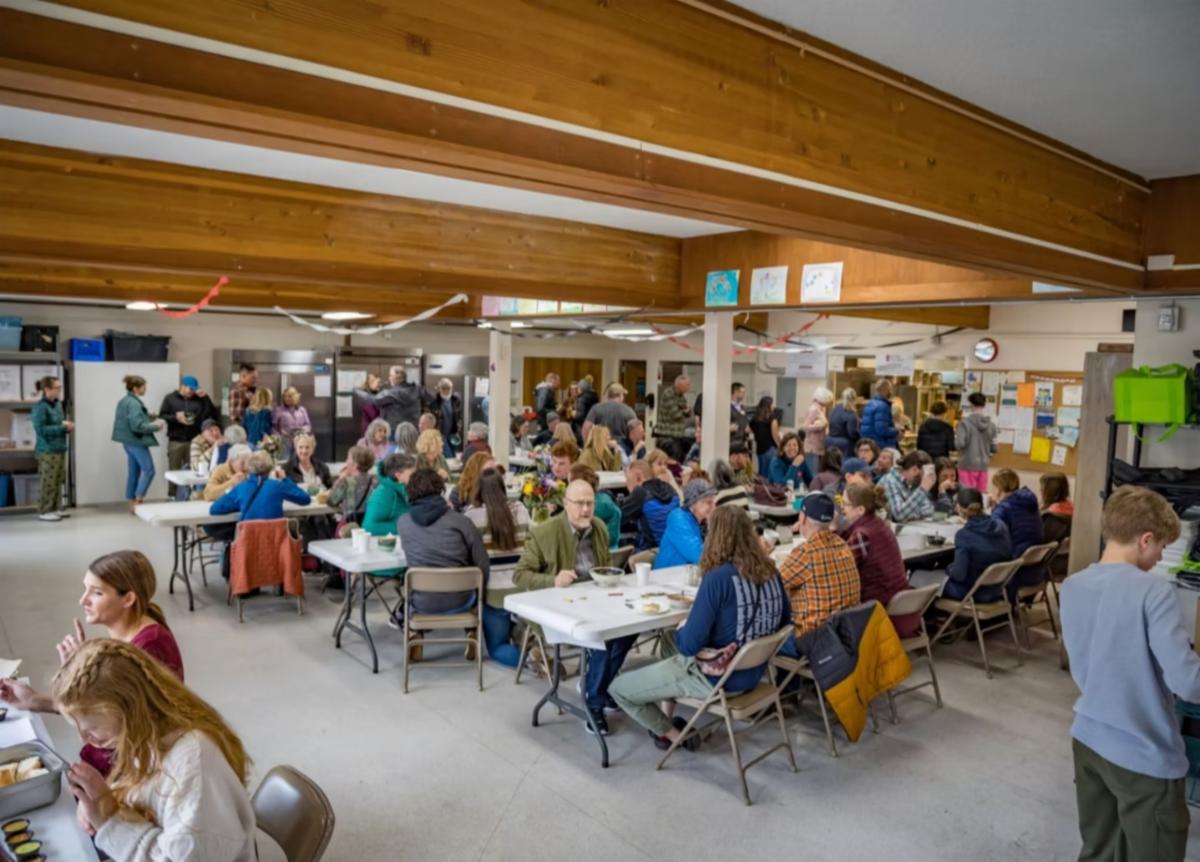
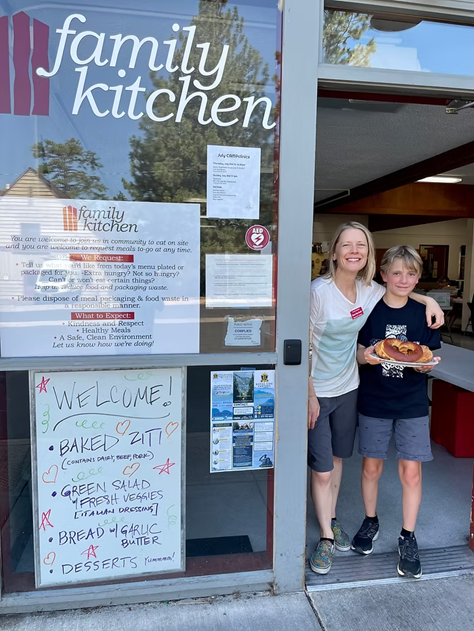
Every month of the year, hundreds of Family Kitchen volunteers come into a small soup kitchen in Bend to - wash dishes and cook meals for strangers, FOR FREE. They don’t get paid, and they don’t always get thanked, yet they keep showing up, week after week, through freezing temperatures and smokey skies to help families and individuals they have never met before. Because of their sacrifice, we have been able to serve over 130,000 meals for free in the first 10 months of 2025.
| |
For the past 40 years, Family Kitchen has served as a local nonprofit with a single goal in mind: serve free, delicious, and nutritious meals to anyone in need, no questions asked. Our doors are open to all, and no matter your story, you’ll find a warm meal and a welcoming place at our table.
Every single day, our amazing team brings life, kindness, and community to the kitchen. Whether they’re chopping vegetables, serving meals, or simply sitting and sharing a conversation, our volunteers are the core of Family Kitchen. Their presence helps create a space of dignity, safety, and community — something especially vital for those dealing with daily, systemic traumas and harsh weather.
More than ever, people from all walks of life are coming through our doors. As the cost of food continues to rise, so do the number of neighbors in Central Oregon who rely on Family Kitchen for a warm, nutritious meal. Every day, we see more families, seniors, and individuals walking through our doors seeking not just food, but kindness and support during difficult times. 32% of our neighbors in Deschutes County face financial hardship. The ALICE (Asset Limited, Income Constrained, Employed) report from 2023 showed that one in three households here in Central Oregon are forced to make impossible choices — like deciding whether to buy food or fill a prescription. Additionally, a 2025 report from the Bureau of Labor Statistics said that from June 2024 to June 2025, groceries got more expensive in every category tracked: “meats, poultry, fish and eggs rose in price by 5.6% (egg prices alone rose 27.3%); nonalcoholic beverages are 4.4% more expensive; fruits and vegetables rose in price by 0.7%; and both cereals and bakery products and the index for dairy products rose 0.9%.” A recent poll done by Associated Press-NORC Center for Public Affairs Research found that more people were concerned about grocery prices than any other financial concern brought up in the poll, and almost 90% of American adults admitted to being “stressed out” by grocery prices.
As winter approaches, we urgently need donations and volunteers to meet the growing demand for food. Will you take action in the fight against hunger by making a donation to Family Kitchen? We have 20 volunteer spots every day, 7 days a week — from cooking and cleaning to meal delivery. Your time or support goes directly to feeding our neighbors and keeping our doors open. This is more than a meal. It’s a community — one built on compassion, respect, and the belief that everyone deserves to be fed and safe.
Together, we can make Central Oregon a place where everyone is welcome, and everyone is fed. Find local schedules for Family Kitchen meals here. For the upcoming Thanksgiving Holiday, Family Kitchen will be serving a festive meal at their Bend location (231 NW Idaho Ave.) on Thursday, November 27th from 4:30pm – 6:00pm.
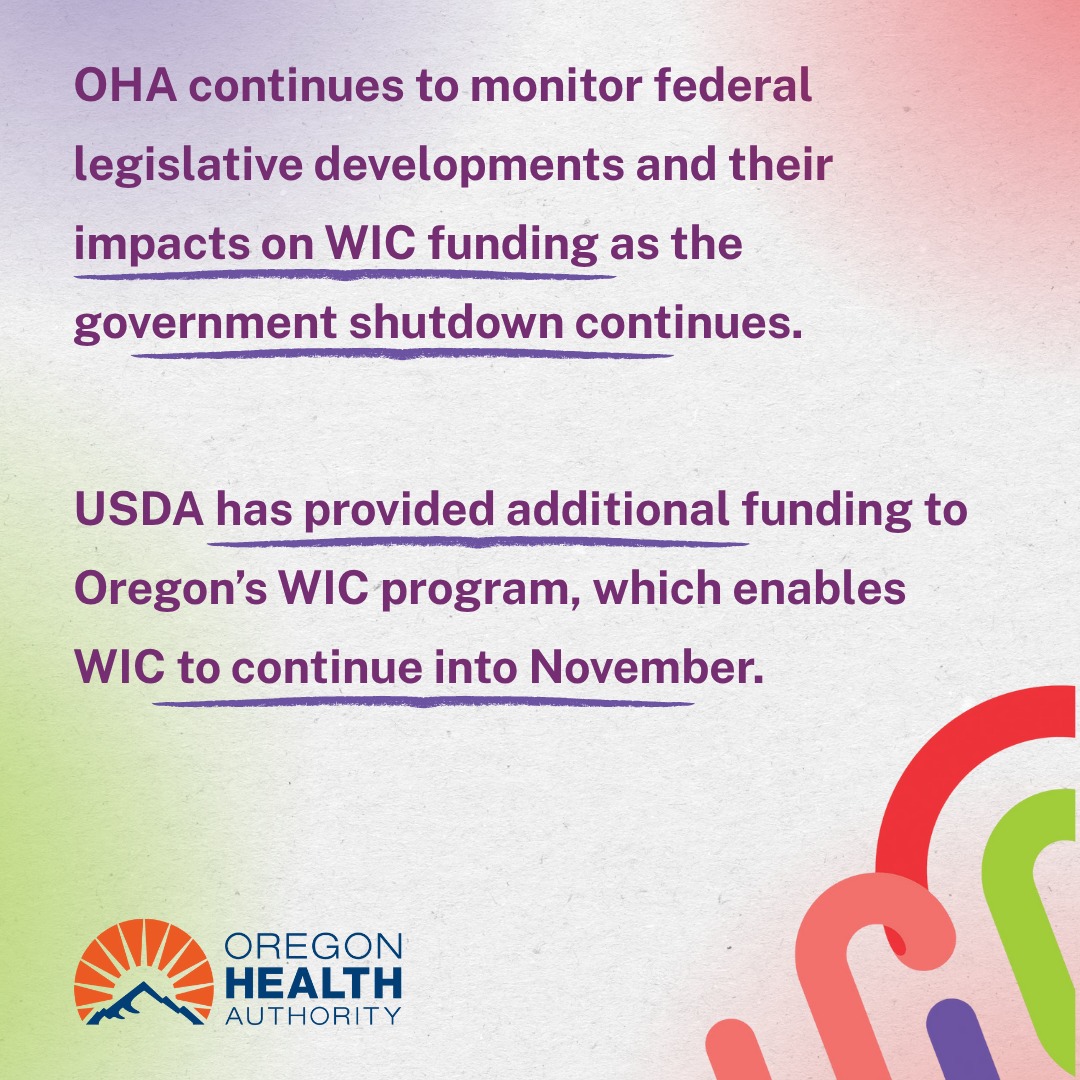
| Women, Infants and Children (WIC) and Supplemental Nutrition Assistance Program (SNAP) Updates | |
For questions and more information on the Women, Infant and Children (WIC) program, please reach out to your local health department:
| |
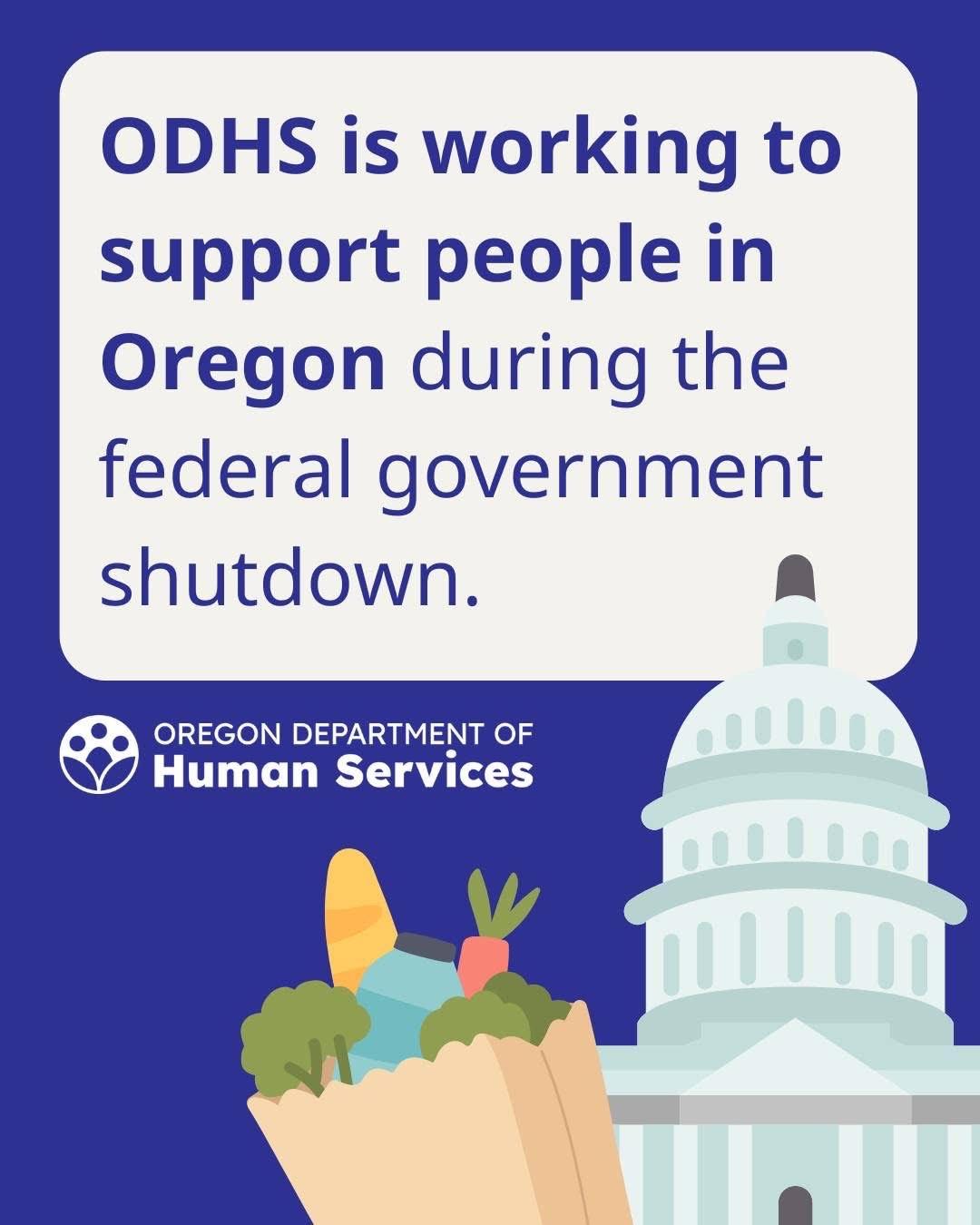
Oregon Department of Human Services (ODHS) is leading statewide coordination of food assistance programs and will continue providing updates on potential delays to SNAP benefits and available resources. If November SNAP benefits cannot be issued, participants will not receive mailed notices as they may expect. You may find updates through:
| Winter Weather Preparedness | | |
With snow already beginning to fall in the Cascade Mountains, winter is approaching in Central Oregon. This is a great time to get prepared! Snow, ice and freezing temperatures can be challenging for everyone, but with these simple tips, you and your family are better prepared to stay warm, safe and healthy.
Driving Safety:
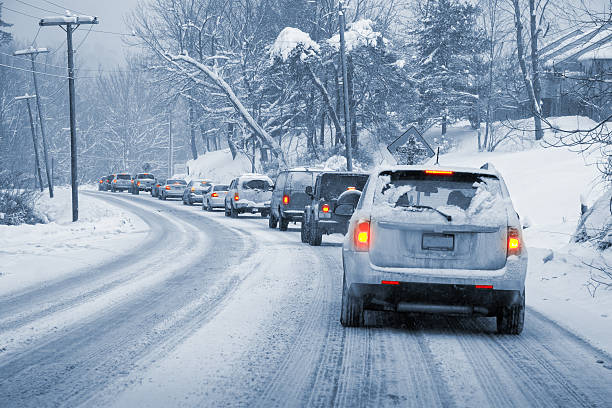
We all know driving in snowy and icy conditions can be dangerous, especially over mountain passes and on rural roads that may be plowed less frequently. Here are tips for staying safe on the road:
-
Check your tires: Now is a great time to make sure your tires have good tread and are properly inflated. Having a pair of chains is helpful, but you may also find that all-season or winter tires are a better fit for you. Call your local tire shop to see which options are available.
-
Keep supplies in your car: While unlikely, you never know when you may spend more time in your car than anticipated. Keep an emergency kit in your car with blankets, a flashlight, non-perishable snacks, water, and a phone charger.
-
Be aware of road closures: Know before you go! Check for traffic and road closures. Oregon Department of Transportation’s (ODOT) TripCheck website is a great place to check for road conditions, closures, and road cameras.
Protecting yourself from Illness:
The winter season not only brings cold weather that can cause cold-related illness like hypothermia, but it also brings people indoors during respiratory season. Below are ways to protect yourself and others:
-
Dress in layers and limit time outside: Wearing a warm hat, gloves, layers and staying dry can help keep you from losing heat quickly. If you need to be outside, take breaks indoors often to warm up. Use public spaces, such as libraries, to stay warm. Check out Deschutes County Extreme Weather Operations for winter warming shelter information.
| | -
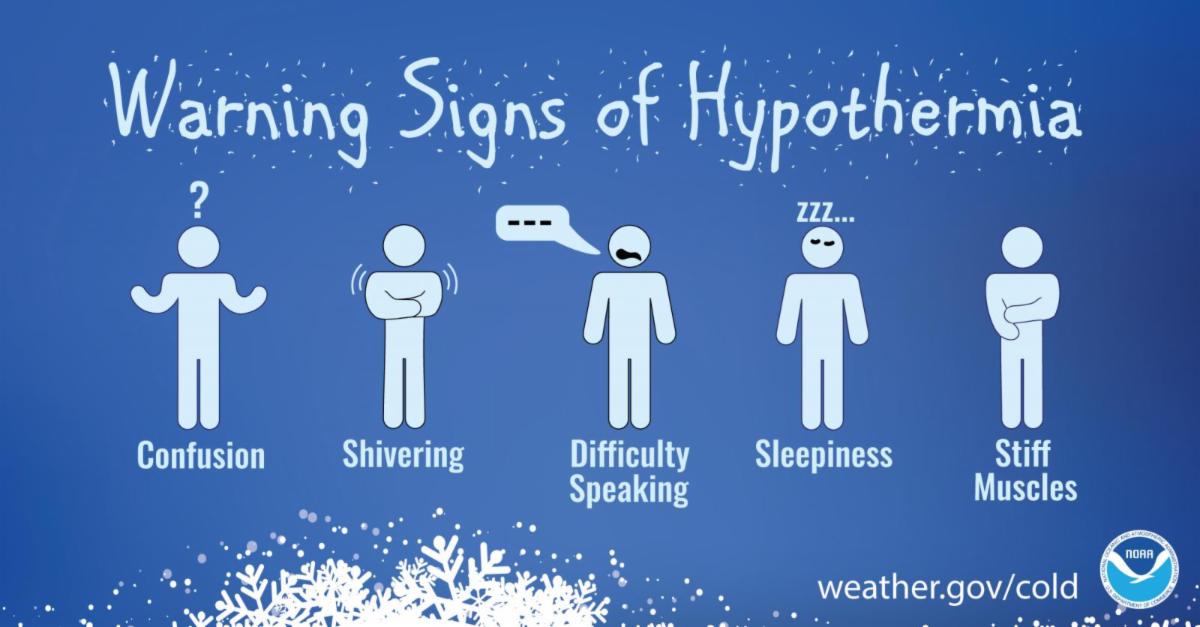
Know the signs of hypothermia and check on others: Hypothermia can look like shivering, confusion, slurred speech or feeling tired. If you notice these symptoms in yourself or others, get to a warm place and seek medical care. Infants, older adults, and people with chronic health issues can be more at-risk for hypothermia and should be checked in on regularly.
| |
-
Stay safe indoors: Keep anything that can burn at least three feet away from heating sources like furnaces, fireplaces, wood stoves, and portable space heaters. Be sure to set up a 3-foot “safety zone” around open fires and space heaters to keep kids and pets safe. And don't forget to install and test smoke alarms and carbon monoxide (CO) in the home.
-
Preventing respiratory illness: Respiratory illnesses such as common colds, flu, RSV and COVID-19 often increase in winter seasons as more people gather inside. Protect yourself and others from respiratory illness by staying home when you are sick, washing your hands frequently, consider wearing a mask in crowded spaces, and staying up to date on immunizations.
Mental Health during the Winter:
While Central Oregon often has more sunlight than other parts of the Pacific Northwest, experiencing shorter days with less sunlight and cold weather can impact our mental health. These seasonal conditions can cause some people to feel more tired, having a more “down” mood, or experience Seasonal Affective Disorder. Some tips to manage your mental health in the winter are:
-
Stay connected with your community: Making time to connect with friends and family by phone calls, video chats or in person can help lift your mood.
-
Get outside: Fresh air and sunlight can help boost your mood even if it is cold outside!
-
Keeping a routine: Trying to stay on a regular sleeping and eating schedule, and incorporating activities can help you feel more balanced.
-
Ask for help: If you feel overwhelmed or sad most days, reach out to your healthcare provider or a mental health professional. If you are in crisis, call or text 988.
Central Oregon experiences a beautiful winter season with snow on the ground and in the mountains around us, but it is always important to be aware of winter hazards. Stay informed about weather changes by watching the forecast, check your home’s heating system, and be prepared for potential power outages. By taking steps to prepare and reviewing these tips for staying safe, you can safely enjoy the beautiful winter season!
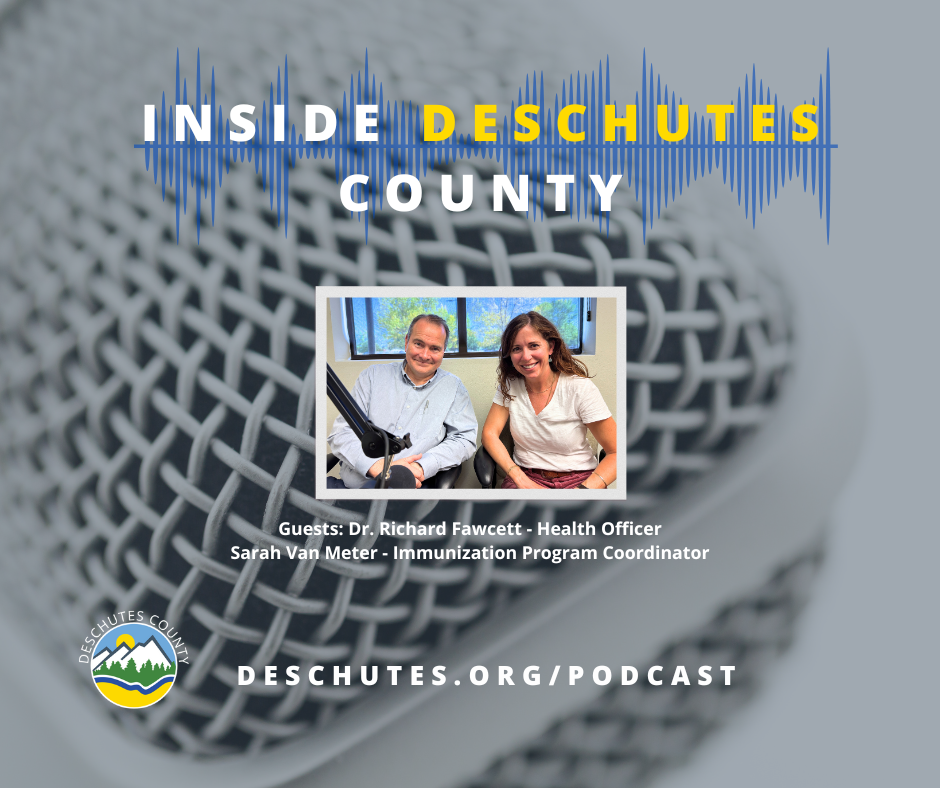
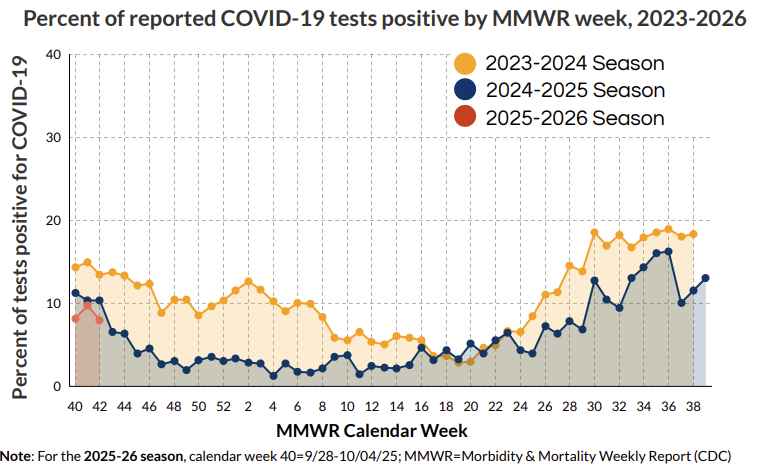
| | Check out the recent Inside Deschutes County Podcast episode with Dr. Richard Fawcett, Deschutes County Health Officer, and Sarah Van Meter, Immunizations Program Coordinator, to talk about vaccines and the upcoming respiratory season. They share what community members should know about flu, COVID-19 and RSV, along with updates on vaccine access in Central Oregon | | Respiratory Season Data Available | | October kicked off the start of the 2025 - 2026 Respiratory Season! Stay up to date on trends of Flu, COVID-19 and RSV in Crook, Deschutes and Jefferson Counties by checking out reports online and sign up here. | | Do you have feedback for us? Is there a public health topic you haven't seen covered but would like to see in an upcoming newsletter? Or a topic you'd like to see more of? Please take a moment to complete our quick reader feedback survey. We're always looking to improve our newsletter and your input can help highlight future topics! | | |
Health Services hosts numerous classes and special events each month!
For details about these events and any updates please visit our
Health Services Calendar.
| | |
Responses to this email address are not monitored.
To request this information in an alternate format, please call (541) 322-7444
or send an email to info@deschutes.org.
If you received this report but you would not like to continue receiving it,
you can unsubscribe at any time using the link below.
| | | | |