|
Central Oregon Public Health
Monthly Update
November 28, 2025
| | |
The Central Oregon Public Health Newsletter is now available in Spanish!
To receive it in your mailbox click here.
Usted puede encontrar el boletín de este mes en español aqui
| | |
Community Partner Spotlight:
Partners in Care
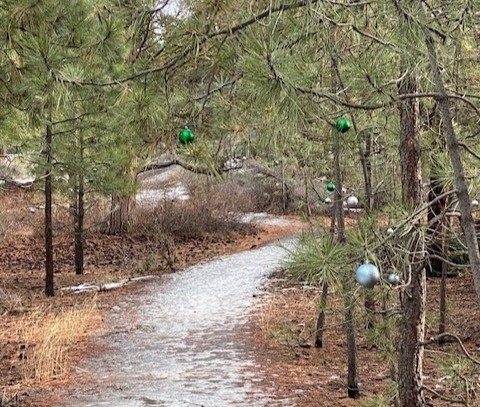
| | Photo by Carla Jackson, LCSW | | |
Navigating Loneliness and Grief during the Holidays
Starting in the Fall, as leaves begin to change, we are reminded of a grouping of seasonal events being ushered in to our calendars and hearts every year. The holiday season can include Thanksgiving, Hanukkah, Christmas, Kwanzaa, New Year’s Eve, and New Year’s Day. For some, there are also birthdays and anniversaries to celebrate during those months.
This can be a time of year for gatherings with those we love and treasured traditions we look forward to all year. For many, however, it can be a time of sadness and loneliness, particularly when grieving the loss of a loved one. Facing these special days without that person can seem overwhelming and requires multiple strategies for coping during this time.
Why are holidays so difficult?
If you are facing this holiday season while grieving the loss of a loved one, it can seem unimaginable to find much of anything that is joyful. We have early reminders all around us in retail stores, cafes, advertising and community events, filling grievers with a sense of dread. It can be difficult to give ourselves permission to feel happiness, when we are missing someone, as if it were a betrayal - how can I be happy when this person is not here?
Even when not facing loss through the death of a loved one, there are many who find this time of year difficult. Other losses such as lack of employment, loss of a relationship or family, instability, painful family dynamics and disappointments can also sting more so during this time of year. Images of celebrations, happy couples, and families can highlight the sense of loneliness and isolation.
What can we do to navigate these challenges?
-
Be kind and compassionate to ourselves. By giving ourselves permission in accepting or declining invitations. Finding gratitude for small things can help in managing unrealistic expectations.
-
Take care of your physical, mental and emotional health. Adequate sleep, healthy nutrition and simple physical activity such as walking can enhance your ability to cope. For grief related sadness, connect with grief support groups at Partners In Care. If you have had struggles with depression and want help, talk to your primary care doctor about recommendations, including behavioral health resources such as Deschutes County Behavioral Health.
-
Incorporating mindfulness practices such as breathing exercises and meditation. Partners In Care offers an eight-week class in Mindfulness for Well-Being for learning ways of managing reactions to stress. Phone apps such as Calm, Head Space and Insight Timer are also useful.
-
Communicate ahead of time with others around you for what you need. This allows for coordination with other schedules and lets your supports know how to help you.
-
Traveling during the holiday or changing up locations. Many bereaved have found it useful to make a change or adaptation to usual traditions. These changes can provide a much-needed respite for this year, and sometimes the change is so appreciated it even becomes part of a new tradition going forward.
-
Be a part of something bigger than yourself- such as volunteering. Giving back to others is helpful to our own healing. It can also be a way to honor a loved one by volunteering in their memory. For ideas of agencies, check out Central Oregon Gives for suggestions of non-profit agencies in Central Oregon who could use your help.
| |
World AIDS Day is December 1st, 2025. This is a day to support the over 40 million people living with HIV and to remember the 44 million who have died since the beginning of the HIV epidemic in the early 1980’s. HIV continues to impact people here in Oregon with over 8,000 people living with HIV and 244 new HIV diagnoses in 2023.
HIV (human immunodeficiency virus) is a virus that attacks people’s immune system. Without treatment, HIV can lead to AIDS (acquired immunodeficiency syndrome).
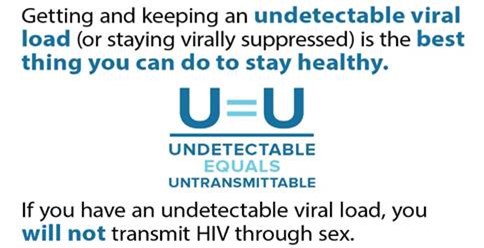
HIV is spread through certain body fluids that come in contact with a mucous membrane or that are directly injected into the bloodstream.
Symptoms of HIV: Most people have flu-like symptoms within 2 to 4 weeks after infection. Not everyone will have the same symptoms, and some people will not have any symptoms at all. The only way to know if you have HIV is to get tested.
Getting Tested: Everyone should get tested for HIV at least once. Some people who may be exposed due to behaviors that increase their chances of getting HIV should get tested for HIV and other STIs (sexually transmitted diseases) more often. Here are some options for quick, free/low cost and painless HIV testing:
How to Prevent HIV:
| |
Treating HIV: There is no current cure for HIV but taking antiretroviral (ART) medications can lead to people living long and healthy lives. There are people and services available to help:
HIV Stigma are negative beliefs about people with HIV, leading to discrimination. Talking about HIV and STIs help normalize these subjects. Stigma about HIV can lead to people not getting tested or not accessing HIV prevention or treatment.
World AIDS Day is a day to remember that the HIV epidemic continues. However, there has been much progress over the last 40 years in preventing new infections and prolonging the lives of people living with HIV. Talk about HIV, use protection and get tested. Knowing your status helps prevent HIV.
| Community Partner Spotlight: 211 Info | |
What is 211 and How Does it Support Central Oregon’s Tri-County Area?
211 is a free and confidential, non-emergency helpline that connects people with local services and community resources. By contacting 211, callers are connected with a trained specialist who can help identify and navigate services such as food banks, SNAP, housing, shelter, healthcare, childcare, bill assistance, mental health support, domestic violence resources, and more.
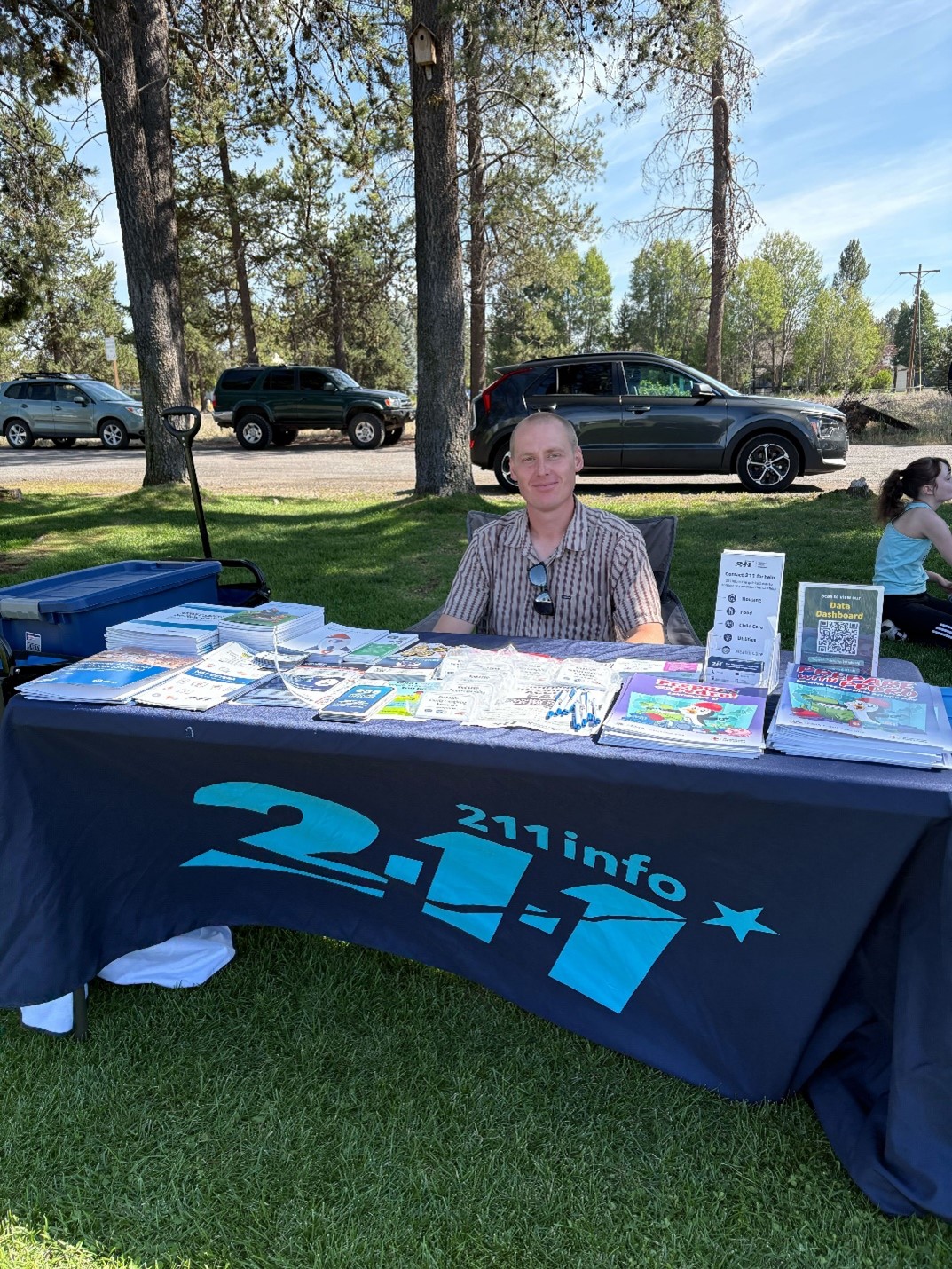
211info team members live and work throughout Oregon and Southwest Washington, supporting their communities and building partnerships at the local level. In Central Oregon’s Tri-County region, 211info’s Community Engagement Coordinator, Zachary Koepke, supports community events, distributes materials, and ensures the 211info database stays accurate and up to date in our region.
In addition to helping individuals and families, 211info collaborates with service providers and community-based organizations to strengthen partnership connections and improve access to resources. “Bringing providers together to collaborate and identify gaps in services is one of the best ways to support local communities,” said Nickie Carter, 211info’s Outreach and Engagement Director, who is from Redmond. “Our outreach team is focused on community collaboration at the local level.”
Every community has different needs, and rural areas often face unique challenges. 211info works directly with local organizations and residents to ensure services reflect the specific needs of each region. The goal is to build stronger connections for more responsive services, especially in smaller and more rural communities.
Across the region, 211info’s public database includes the following community-based agencies:
- 87 agencies in Deschutes County
- 20 agencies in Crook County
- 24 agencies in Jefferson County
Easily search agencies in the 211info database by selecting “Search by Provider Name” in the search box at 211info.org. Local agencies or programs not yet listed are encouraged to email support@211info.org to be added.
| |
Photo caption: Zachary Koepke, 211info Community Engagement Coordinator, for Crook, Deschutes, Jefferson, Klamath, and Lake counties - at Heritage Park in La Pine, Aug. 2025.
Both community members and service providers can benefit from using 211info. Community members can use 211info to find help, and providers can ensure their organization’s information is accurate and accessible. To learn more, update resource listings, or connect to services, visit 211info.org, dial 211, or look for Zachary at upcoming events in the area.
How to find help:
| Meet Deschutes County’s new Health Services Director | | |
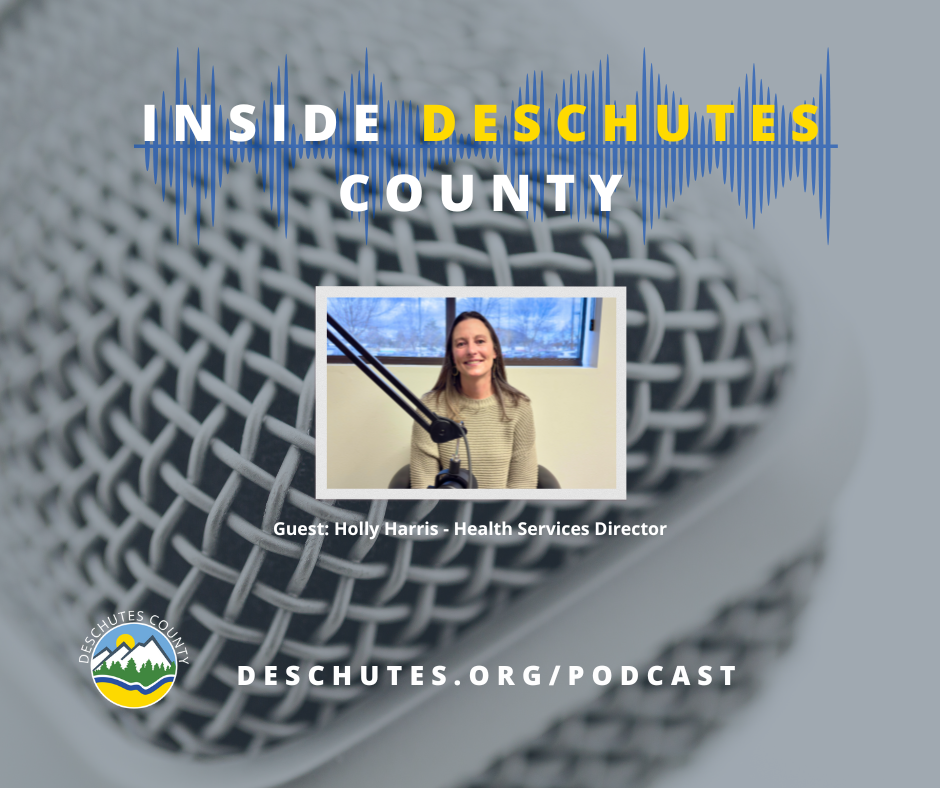
In this episode of Inside Deschutes County, we talk with the County’s new Health Services Director, Holly Harris. She shares what drew her to the role, her background in behavioral health, and how those experiences shape her approach to leading one of the County’s largest and most complex departments. She also offers her perspective on the work ahead and her vision for how Health Services can best support the community.
To listen, you can go to deschutes.org/podcast or wherever you listen to your podcasts.
| | |
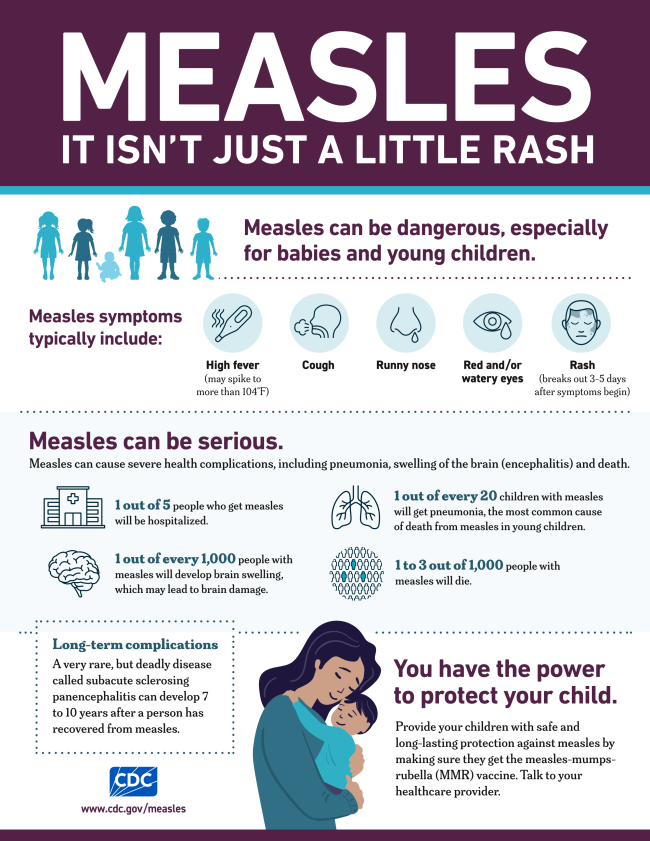
Measles spreads through the air when a sick person coughs or sneezes. The virus can stay in the air for 2 hours after a person with measles leaves the space. It is so contagious that about 9 out of 10 people who come near a person with measles and are not protected by vaccination will also become infected.
If you suspect you have measles, call your provider before showing up at the Emergency Department.
For more information on measles, please go to:
| | Do you have feedback for us? Is there a public health topic you haven't seen covered but would like to see in an upcoming newsletter? Or a topic you'd like to see more of? Please take a moment to complete our quick reader feedback survey. We're always looking to improve our newsletter and your input can help highlight future topics! | | |
Health Services hosts numerous classes and special events each month!
For details about these events and any updates please visit our
Health Services Calendar.
| | |
Responses to this email address are not monitored.
To request this information in an alternate format, please call (541) 322-7444
or send an email to info@deschutes.org.
If you received this report but you would not like to continue receiving it,
you can unsubscribe at any time using the link below.
| | | | |