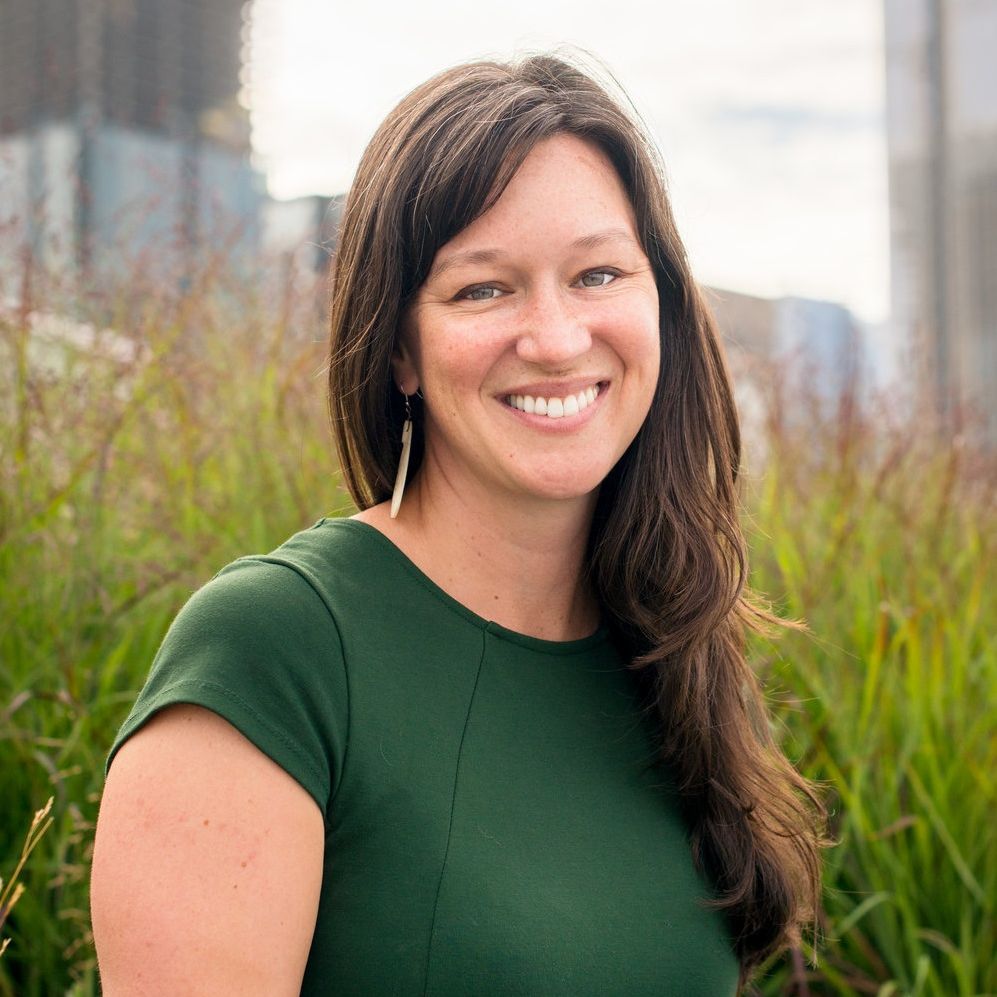
Najmah's Reflections
Najmah Messiah, LT'22, Virginia Mason Franciscan Health
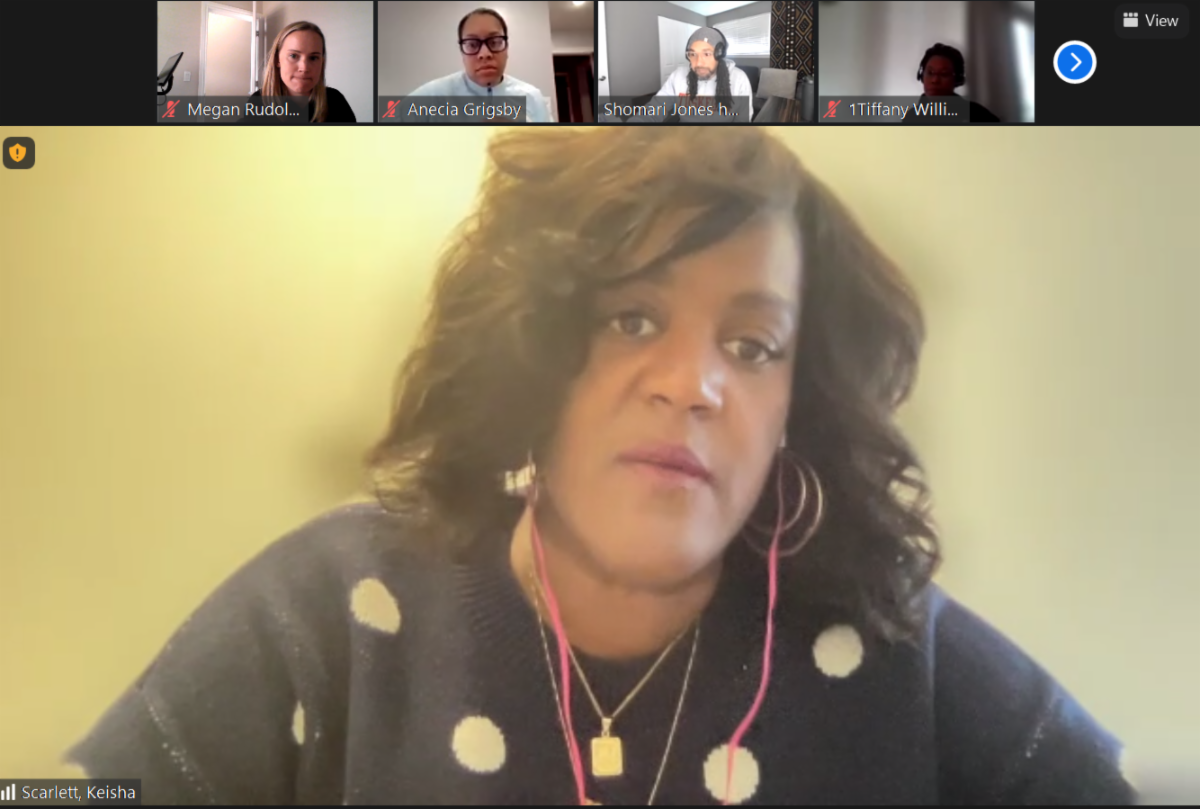
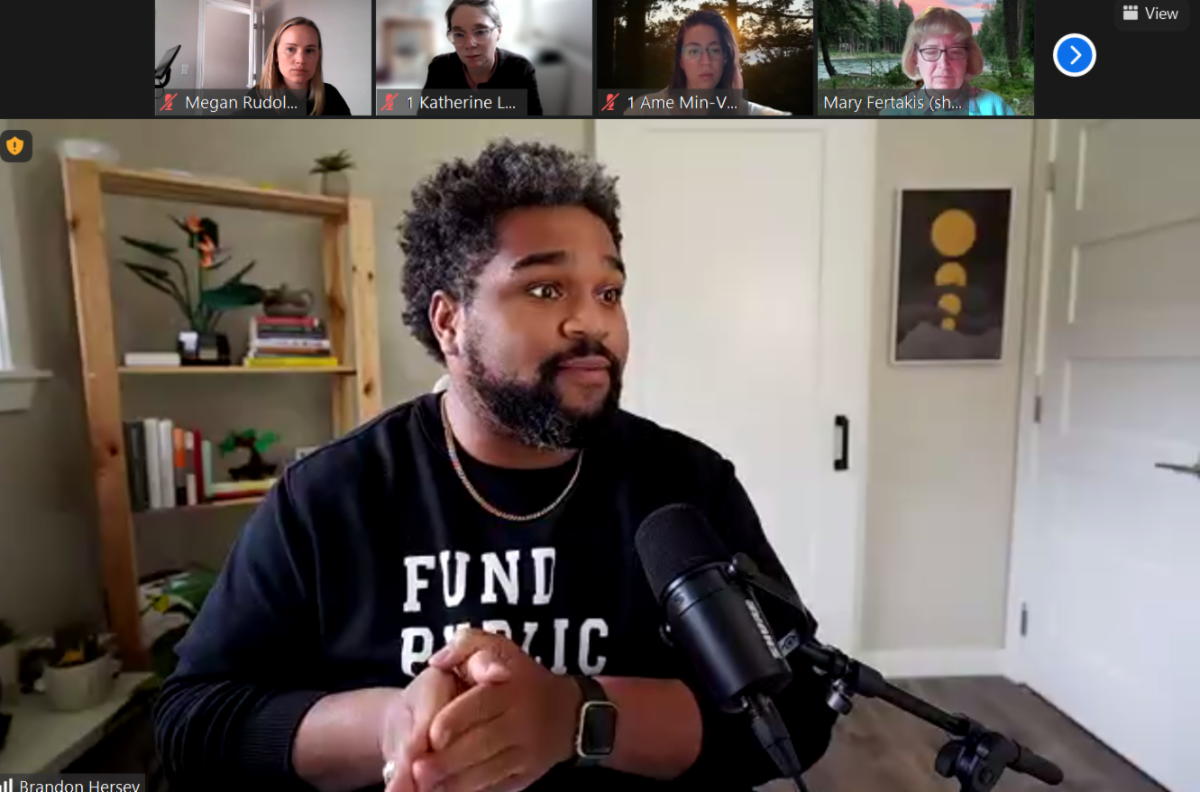
Our co-facilitator, Shomari Jones, LT'10, opened the day beautifully by intentionally calling out the harm that Blacks endured due to slavery and acknowledging the stolen land upon which we reside. I loved how Bill Kallappa introduced himself by naming his parents, relatives and community connections as a way to keep himself present and accountable to his behavior and community agreements. I felt safe to be curious and learn from others while I eagerly anticipated hearing from the panelists and especially the brilliant Dr. Keisha Scarlett, who is my first cousin on my daddy’s side of the family (smile).
Like all other Challenge Days, we prepared ourselves by reviewing the curriculum sent to us many weeks in advance. The pre-work for the Education Challenge Day hit differently for me. I connected with "A Partial Timeline of Educational Oppression in the U.S.," which demonstrates how Black and Brown students and their families have historically been oppressed. The student voice panel, "Modern Day Racism in Education," was powerful as we heard from student leaders who shared their stories of racism and hurt experiences, as well as their recommendations to the Washington State Board of Education in an effort to highlight racism and inequities and humanize the national and state performance measurements and data.
This led me to reflect on my personal experience attending a predominantly white high school in Bellevue nearly 40 years ago. One of my proudest memories was being a member of the small Black Student Union, and we presented the school with its first assembly honoring Martin Luther King Jr. I also recall experiencing anti-Blackness and racism daily, when my senior class English teacher refused to learn how to pronounce my name and referred to me by my last name only, while other students were addressed by their first names.
Challenge Days always leave us with more questions, and these resonated with me: What would it look like if school were year-round and school days/weeks were shorter? If Black and Brown students went to their learning facility and their teachers were a reflection of them? If traditionally marginalized students were given access and prepared with skills for graduation? How can School Boards become more diverse with shorter terms? Why are north-end teachers paid on average $20,000 more than south-end teachers? How do we give power to students and their families so their needs are heard and met?
Youth are the future. What I’m learning in LT is we must reach back and acknowledge our history of anti-Blackness in order to dismantle racism and build equitable systems and institutions (including the education system) that were originally built to oppress. With intention, we must collaborate, disrupt the norms, change policy, and give power to the lived experienced voice.
|