January is National Blood Donation Month: Veterans Can Save Lives -- Creating a Roadmap to Improve Veterans’ Health -- How We’re Winning the Fight to End Veteran Homelessness -- Get Ahead of Winter Emergencies -- Upcoming Dwyer Events

Images not loading correctly? Click here to view as webpage

January is National Blood Donation Month: Veterans Can Save Lives

This January, National Blood Donation Month highlights the critical role blood donors play in saving lives and supporting the health of communities across the nation. For veterans, this is an opportunity to continue serving by giving the gift of life. Blood supplies often dip dangerously low during the winter months, yet the need remains constant. Veterans understand the importance of standing ready to respond in times of crisis, and donating blood is another way to be a hero at home. Your donation can make the difference for patients in need—whether they’re trauma victims, undergoing surgery, or fighting illnesses like cancer. 


One pint of blood can save up to three lives, providing hope to families and individuals in their darkest moments. For veterans, this act of service is deeply personal — giving back to a community that may include fellow service members and their families. Donating blood is simple, safe, and powerful. Consider reaching out to your local VA hospital, community organizations, or the American Red Cross to learn how you can help. Together, we can ensure that a stable blood supply is available for emergencies and ongoing medical needs, continuing the mission of protecting and caring for others. 

Creating a Roadmap to Improve Veterans’ Health 

As the winter months approach, many veterans may find themselves feeling a bit more down or fatigued than usual. These feelings could be linked to Seasonal Affective Disorder (SAD), a form of depression that typically occurs during the shorter, darker days of fall and winter. Veterans, particularly those who have experienced deployments in varying climates or who may already be managing other mental health challenges, can be especially vulnerable to SAD. Common symptoms include low energy, difficulty concentrating, changes in sleep patterns, and feelings of hopelessness. However, understanding the condition and taking proactive steps can make a significant difference. 


Veterans can take charge of their mental health by incorporating small but impactful changes into their routines. Spending time outdoors during daylight hours, even on cloudy days, can boost mood and energy levels. Light therapy lamps are also an effective tool for simulating natural sunlight. Engaging in regular physical activity, maintaining a balanced diet, and staying connected with loved ones or veteran support groups are essential for overall well-being. For those needing additional support, the Veterans Crisis Line and VA mental health services are excellent resources. Remember, asking for help is a sign of strength, and together, we can combat the winter blues. 


For more information click here.

How We’re Winning the Fight to End Veteran Homelessness 

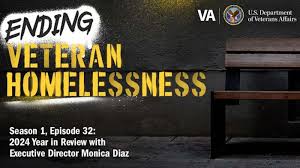
As 2024 draws to a close, let’s look back on the major strides we have made toward ending Veteran homelessness and look ahead to how we can keep that momentum going into next year.


Veteran homelessness reached an all-time low this year and we also exceeded our goal to house 41,000 Veterans by over 16%. Ultimately, we housed the largest number of Veterans in a single year since 2019.


“All the elements that came together to change people’s lives this year were truly an inspiration,” said Monica Diaz, senior executive director of the Homeless Programs Office, in a recent appearance on the Ending Veteran Homelessness podcast.


One Team, One Goal


What’s the key to gaining so much ground? Teamwork. Using our One Team approach, we continued to break down silos not only within VA but outside of it, too.


We worked lockstep with partners and other agencies to make sure Veterans could easily access the support they earned through their service. Ensuring that everyone working with homeless Veterans heard the same message and used the same strategies allowed for this unprecedented progress.


Collaboration came from all levels, from local communities all the way up to Congress. At the local level, grantees, nonprofits, faith-based organizations, volunteer services and others worked hard to strengthen partnerships with VA, providing Veterans with the services they needed to remain stably housed and regain their independence.


Meanwhile, Congress continued to provide bipartisan support, investing in those programs that have a proven track record of improving the lives of those who bravely served their country.


Looking Ahead


Moving forward, we are looking to accelerate our progress and bring the number of Veterans without a home closer to zero.


While there are no specific goals set yet, Diaz said one particular focus in 2025 will be improving our ability to quickly house unsheltered Veterans, ramping up surge events that bring infusions of resources that help us reach and house unsheltered Veterans.


According to Diaz, this means “expanding the level of urgency in our strategies.” In addition to continuing to house large numbers of Veterans, we’ll put renewed focus on the efficiency and responsiveness of our services. 


For those Veterans who are still struggling with homelessness, Diaz urged them to reach out, even if they have done so before without success.


“You’re the reason we wake up every day to do the mission we do. You have earned every benefit we have here in VA to serve you. Give us an opportunity to continue to serve you,” she added.


Learn About VA Programs


Get Ahead of Winter Emergencies  

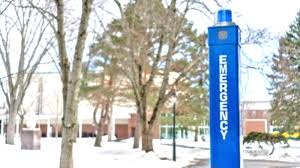
Winter weather can be dangerous and unpredictable, bringing risky conditions due to snow, ice, and freezing temperatures that can lead to unexpected injuries and accidents. Common injuries during this season include frostbite, hypothermia and heart strain from overexertion outdoors.


Frostbite occurs when skin freezes from exposure to extreme cold. Hypothermia in cold conditions can set in when your body loses heat faster than it can produce it. Heart strain can arise when shoveling snow, considering the sudden exertions and lifting heavy snow. Accidents are more likely to due to icy roadways and slippery paths.     


By preparing ahead of time you can avoid emergencies, protect your health and keep your loved ones safe. If you live in an area that experiences harsh winters, follow these tips to stay safe and be prepared in the months to come.


10 winter safety tips 


  1. Stay informed. Listen to local officials for weather updates and safety guidance before, during and after storms.
  2. Prepare emergency supplies. Keep essential items like food, water, and first aid kits at home and at work. 
  3. Use heat safely. Use heating devices according to instructions and install a carbon monoxide alarm if you rely on alternative heat sources.
  4. Use generators carefully. Place generators at least 20 feet away from doors and windows and shield them from rain or flooding to prevent electrical shock.
  5. Avoid unnecessary travel. Stay off the roads during and after storms unless absolutely necessary.
  6. Dress in layers when outdoors. If you must go outside, wear warm layers and limit your time outdoors.
  7. Watch for cold-weather injuries. Particularly when outdoors for extended time, check for frostbite symptoms (numbness, pale skin) and hypothermia (shivering, confusion, or drowsiness).
  8. Avoid overexertion. Cold weather can constrict blood vessels, which means your body will need to work even harder to shovel snow and walk in deep snow. This can put a strain on your heart and increase the risk of a heart attack. Pace yourself and take breaks as needed.
  9. Maintain your car. Routine vehicle maintenance is especially important in winter to prevent breakdowns in severe weather. If possible, switch to snow tires or carry snow chains.
  10. Pack a car emergency kit. Include a cell phone charger, blankets, warm clothes, a snow shovel, a flashlight with batteries, jumper cables, water and non-perishable snacks. If possible, keep a full gas tank. 


Winter safety starts with preparation. By following these tips, you can reduce risks and manage unexpected challenges. Staying informed, having emergency supplies, and taking care of yourself and your family can make a big difference during winter storms. 


Get more tips and resources. Stay safe, stay warm and enjoy your winter season. 

Upcoming Dwyer Events

GAME NIGHT: January 19th (there is no school on Monday the 20th). Family game and pizza night. Board games and a couple of indoor “yard” games. Located at Christ First United Methodist Church (663 Lakeview Ave in Jamestown).


PAINT and SIP: Date and cost will be announced soon. Free to veterans, others will be charged a small fee for supplies. Reservations will be required.


DWYER GALA: April 5th at the Double Tree Hotel in Jamestown. No Reservations will be taken until January.


If you happen to receive a present this year that is not exactly what you were hoping for, consider donating it to the Dwyer Gala basket raffle. Jill Marsh is a basket artist and can create beautiful things out of all kinds of odds and ends.

Did someone forward you this email?


We want to keep in contact. Please consider signing up on our mailing list for monthly updates about local Veterans' Health and Wellness news:

Sign up here

Issue VH 2501