Check It Out
at the Temple Sinai Library
|
|
|
Support the Library
All book and periodical purchases are made possible through generous donations by you, Temple Sinai congregants. For online donations, click Library Fund. If you prefer to send a check, please write “Library Fund” in the memo line. Mail to Temple Sinai, 3100 Military Rd., NW, Washington, DC 20015.
|
|
TSLibrary is open for contactless book borrowing. Search the catalogue and email the librarian your selections. We will contact you Wednesday morning to confirm. Books may be picked up Monday-Friday, 9 to 4 on the cart outside the main entrance. Returns can be placed in the box on the top shelf of the cart. |
Celebrate Pride Month with a Book Bundle |
The Library has an extensive collection of LGBTQ books for all ages. If you are interested in receiving a book bundle, please email the librarian the relevant ages and we will contact you when your bundle is available for pickup. |
|
Antiquities, Cynthia Ozick |
In his dotage, blue blood Lloyd Wilkinson Petrie resides in the defunct prep school he attended in his youth along with six other former fellow students. They all decide to write about a particular experience each had while at the school. Petrie writes about his friendship with a Jewish student. In this richly layered, multi-themed novella, Ozick explores anti-Semitism, social ostracism, aging, and loss of status. Now 93, Ozick is one of the great Jewish writers of her time, joining such luminaries as Saul Bellow and Bernard Malamud. Her writing, though extremely dense, is not to be missed. |
|
|
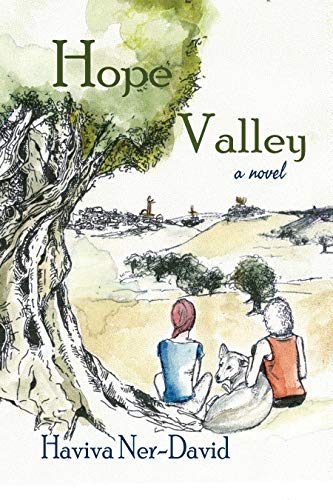
Hope Valley, Haviva Ner-David |
The divide between Palestinians and Israelis and the difficult but not impossible ability to bridge it is the theme of this novel. Two middle-age women – one an Israeli, the other Palestinian – meet one summer day before the 2nd Intifada in 2000. Overcoming their initial mutual suspicion, they discover their common humanity and grow close as they reveal their difficult lives and face death and suffering together. |
|
|
In Memory of Memory, Maria Stepanova |
There seems to be an urgency now on the part of Jews to search for and write about their roots. Perhaps it’s a reaction to a time when their parents or grandparents refused to share their experiences whether it was as Holocaust survivors, soldiers who experienced the horrors of war, or simply victims of anti-Semitism. Stepanova’s recreation of her family’s past is interwoven with the history of the Soviet Union. A work that encompasses fiction and non-fiction, reality and imagination, it is another link to our collective past of which there can never be too many. |
|
|
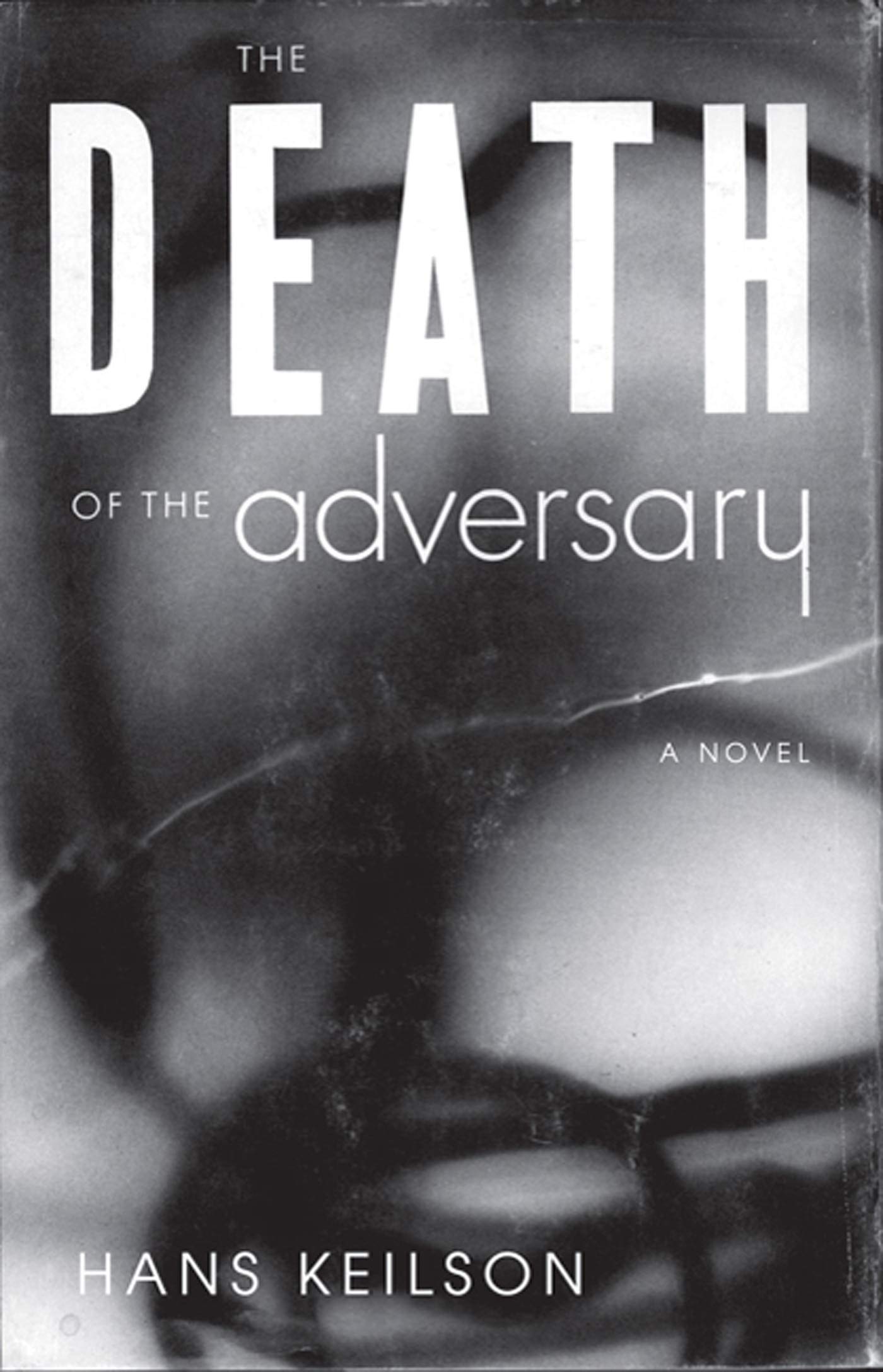
The Death of the Adversary, Hans Keilson |
Trained as a psychiatrist, Keilson offers a psychological explanation of how and why European Jews underestimated the growing threat of Nazism. The novel makes the point that “ . . . human beings, in any place, at any time, protectively shield themselves from the most frightening truths of their private lives, and historical moment.” (Francine Prose, NYT, 8/5/2010). Written while Keilson was in hiding in Holland during World War II, The Death of the Adversary was first published in Dutch in 1947 and has more recently been translated into English. Described as a masterpiece, the novel should be read along with Keilson’s other novel, Comedy in a Minor Key, as well as Aharon Applefeld’s brilliant Badenheim 1939, all found in the Temple Sinai Library. |
|
|
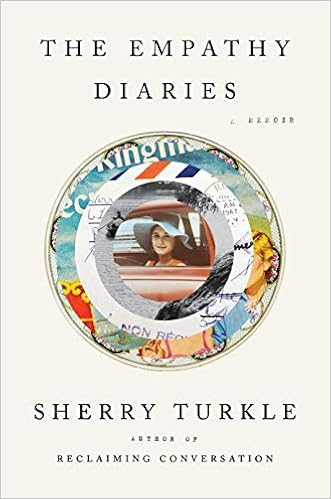
The Empathy Diaries, Sherry Turkle |
This is both a personal and an intellectual memoir. Growing up in post-World War II Brooklyn in a one-bedroom apartment she shared with her mother, aunt and grandparents, Turkle survived by learning how to decipher the codes that governed her mother’s secretive life. Her early search for identity led her to earn her Ph.D. in psychology and tenure at MIT. Professionally, she studies the impact of technology on humans: specifically how it changes and isolates us. Although written before the pandemic, Turkle’s book hits home in a time of Zoom where connections with other people literally lack the human touch. |
|
|
Philip Roth: The Biography, Blake Bailey |
Appointed by Roth and granted independence and complete access, Bailey produced an indelible portrait of an American master and of the postwar literary scene. Since its publication, the book has been clouded by controversy concerning allegations of sexual misconduct against Bailey. The publisher, W.W. Norton, has taken the book out of print after a limited run. The allegations additionally raise questions about the biases through which Bailey viewed Roth, a known misogynist. The Library Committee carefully considered whether to acquire the book and decided to add it to the collection. Roth is clearly a significant Jewish writer and Temple Sinai members can decide for themselves the merit of Bailey’s biography. For two differing views about the biography, see The New York Times and The New Republic. |
|
|
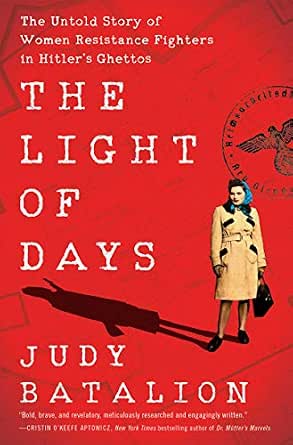
The Light of Days: The Untold Story of Women Resistance Fighters in Hitler’s Ghettoes, Judy Batalion |
While the title of this book pretty much tells you what it is about, it is important to note that many of these women were teenagers or in their early twenties. Being female – and often blonde and blue-eyed which belied their “Jewishness” – they were able to go undetected by the Nazis as they engaged in sabotage and murder. Interestingly, until Batalion came along, this story was never told. Which might suggest that there are many other untold stories of Jewish resistance and courage in face of overwhelming odds. Hopefully, these stories will counter balance the narrative that Jews went to their deaths without putting up a fight. |
|
|
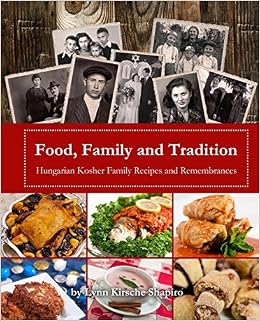
Food, Family and Tradition: Hungarian Kosher Family Recipes and Remembrances, Lynn Kirsche Shapiro |
Containing 150 original recipes and reminiscences, and told within the context of preparing and enjoying mouth-watering food, this book is testament to the rich culture and vibrant life before the Holocaust. Shapiro manages to whet our appetite and satisfy it in one sitting. |
|
|
The Assignment, Liza Wiemer |
When two high school students are asked to argue in favor of the Final Solution as part of a debate they refuse. But not everyone agrees with them; after all, it’s just a debate. Their refusal sets off a chain of events that roils the student body, the school administration, and the community at large. Based on an actual incident, the novel delves into the issues of anti-Semitism and the courage required to stand up for one’s beliefs in the face of strong opposition. |
|
|
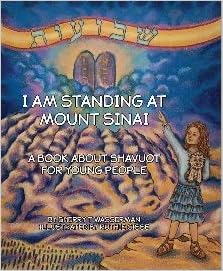
I Am Standing at Mount Sinai, Sherry Wasserman; Ruthie Cisse (illustrator) |
Ages 5-9
While Jewish children by the age of four know about Channukah and Passover, Shavuot – the third of the Jewish festivals – is not nearly as well recognized. Happily, I Am Standing at Mount Sinai rectifies this as it links the Passover story of freedom with the Shavuot story of the importance of accepting rules of moral behavior. Told through the eyes of a young girl and beautifully illustrated, the story of the revelation of the Ten Commandments and the Torah springs to life.
|
|
|
There Was A Young Rabbi: A Hanukkah Tale, Suzanne Wolfe; Jeffrey Ebbeler (illustrator) |
Ages 4-9
Using the rhyming scheme of “There Was an Old Lady Who Swallowed a Fly”, Wolfe weaves a story that illustrates (quite literally) what Hanukah represents today: food, family and religion. A young rabbi balances all three as we first meet her reading the Torah in synagogue before she prepares a festive Hanukkah meal to be enjoyed by her children and her parents. Does it remind us of anyone we know?
|
|
|
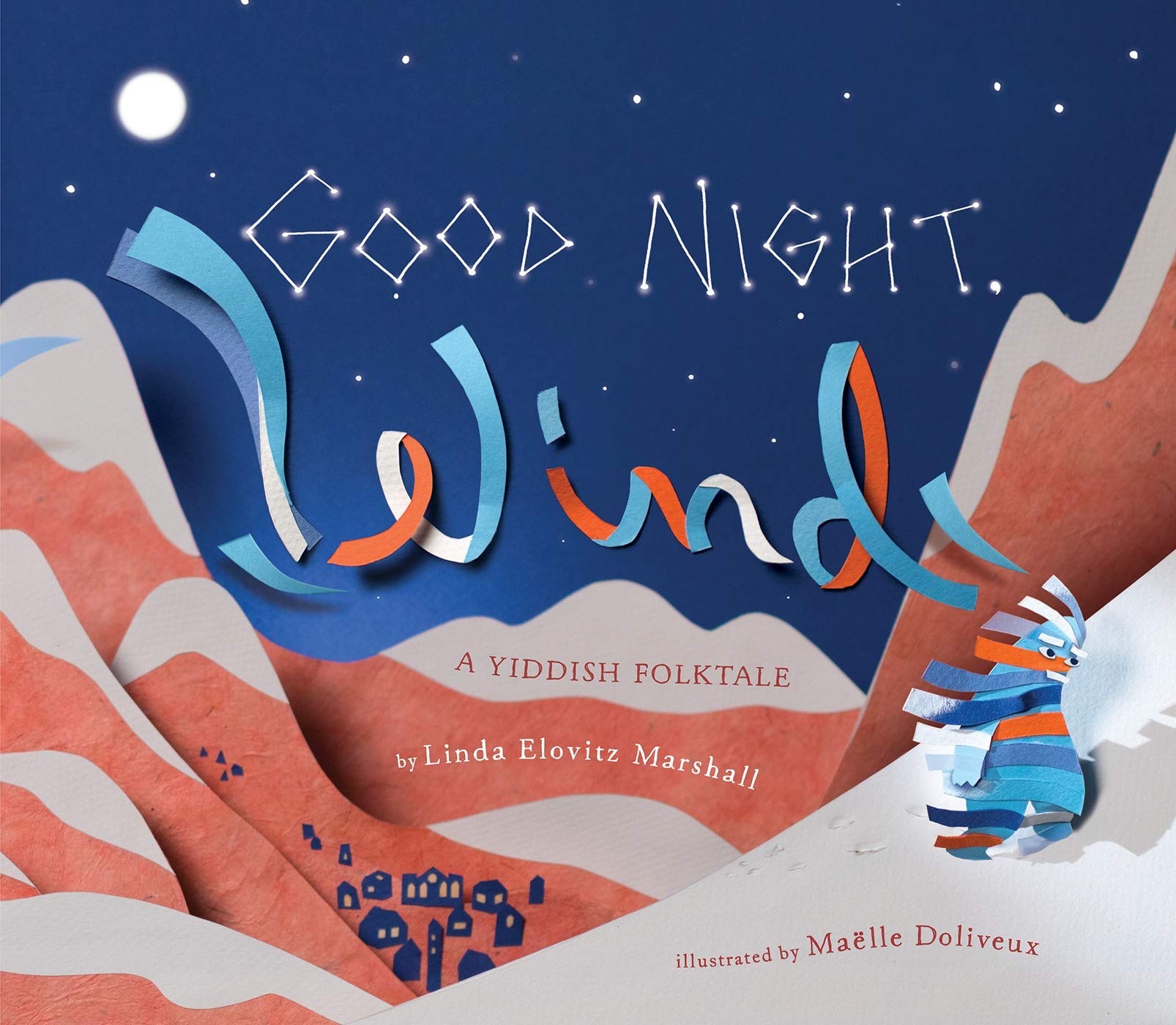
Good Night, Wind: A Yiddish Folktale, Linda Elovitz Marshall; Maëlle Doliveux (illustrator) |
Ages 4-8
It’s never too early to teach children about empathy and friendship, the theme of this re-telling of a Yiddish folktale. After working all winter to help prepare for cold weather, the Winter Wind can find no place to rest. After the Wind throws a tantrum, it is up to two small children to calm it down until it can find a place to sleep. Illustrated with striking color dioramas.
|
|
|
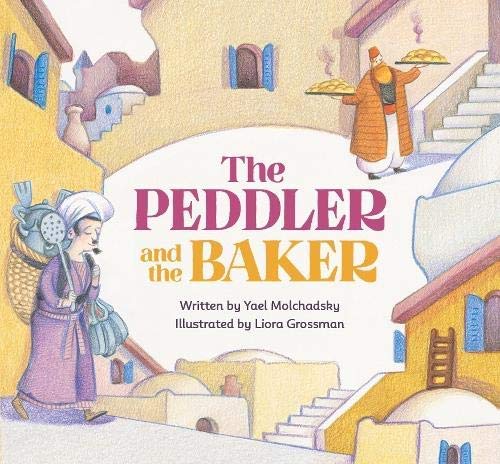
The Peddler and the Baker, Yael Molchadsky; Liora Grossman (illustrator) |
Ages 4-7
Nothing quite embodies the sense of Yiddishkeit than a folk tale. And in this particular one a baker wishes to charge a poor peddler a fee to smell the delicious aroma of the bread he bakes. When asked to adjudicate the dispute, a wise rabbi comes up with a creative, just solution. Instructive of a sense of fair play and honesty, The Peddler and the Baker makes its ethical points in an entertaining way without becoming didactic.
|
|
|
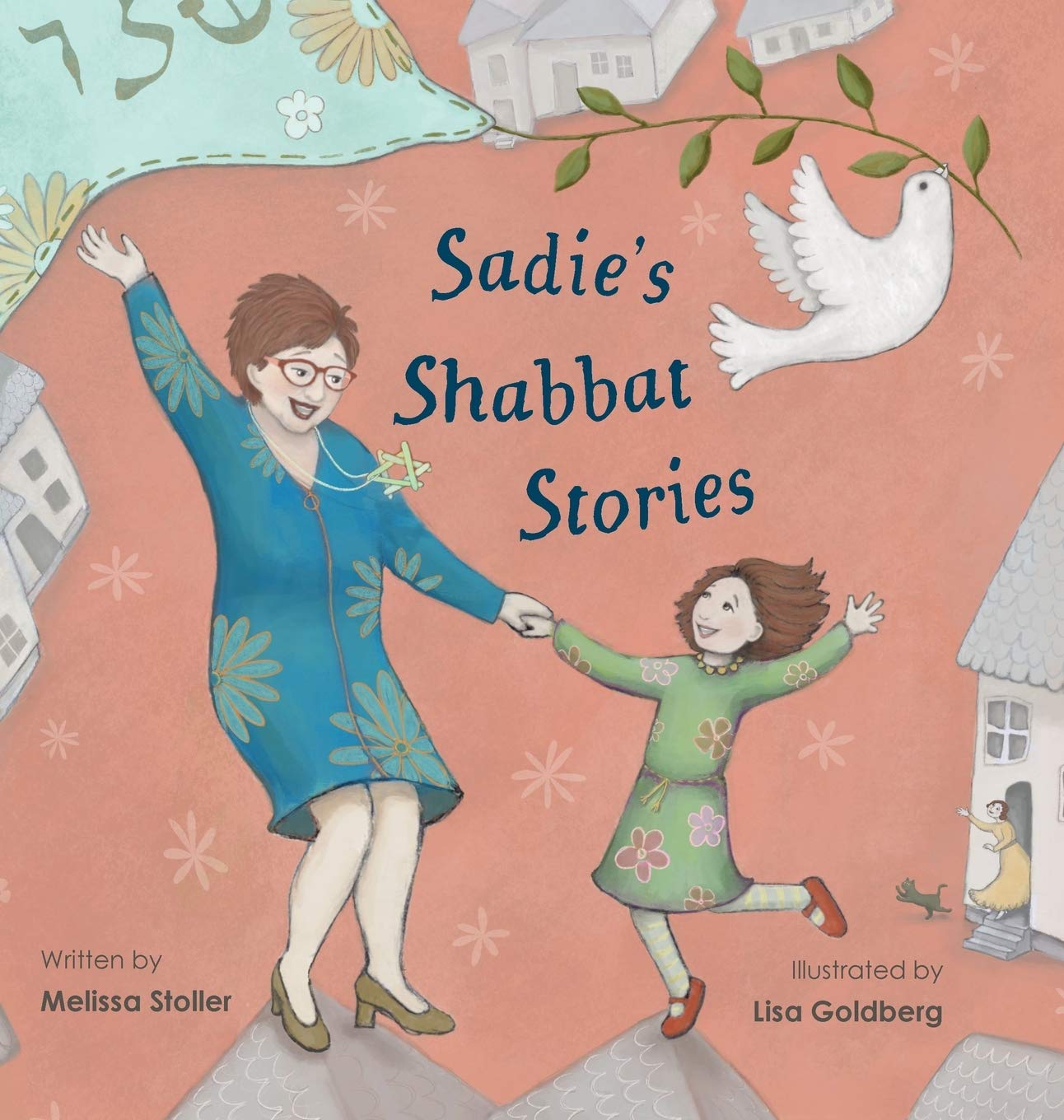
Sadie’s Shabbat Stories, Melissa Stoller; Lisa Goldberg (illustrator) |
Ages 5-8
There is something special about the passing down of Shabbat traditions and something even more special when it occurs between a grandmother and a granddaughter. Sadie loves to listen to Nana’s tales of traveling candlesticks, kiddush cup, and the challah cover they use every Friday night. Based on the author’s own experience, this is a celebration of family history and connection.
|
|
|
|
|
|
|
|