|
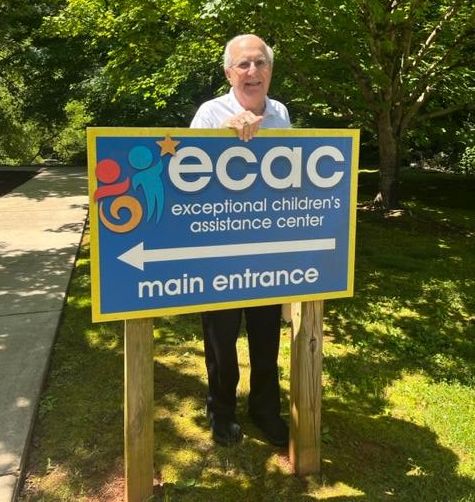
More than 40 years ago, ECAC was created by Connie Hawkins and Frank Graziadei, two parents of children with special needs. With the help of Richard White, a professor at the University of North Carolina at Charlotte, they wrote North Carolina’s first grant to fund the Parent Training and Information Center (PTI). Their experience as parents of children with disabilities, compelled them to help find support for other families of children with special needs. Connie Hawkins was both ECAC’s founder and Executive Director for 34 years. Frank Graziadei currently supports ECAC as Board Emeritus.
| |
We asked dads across North Carolina, what advice would you give to other fathers embarking on the journey of parenting a child with a disability or special health care need. Read more about them and the DADvice they want to share with others. | | |
|
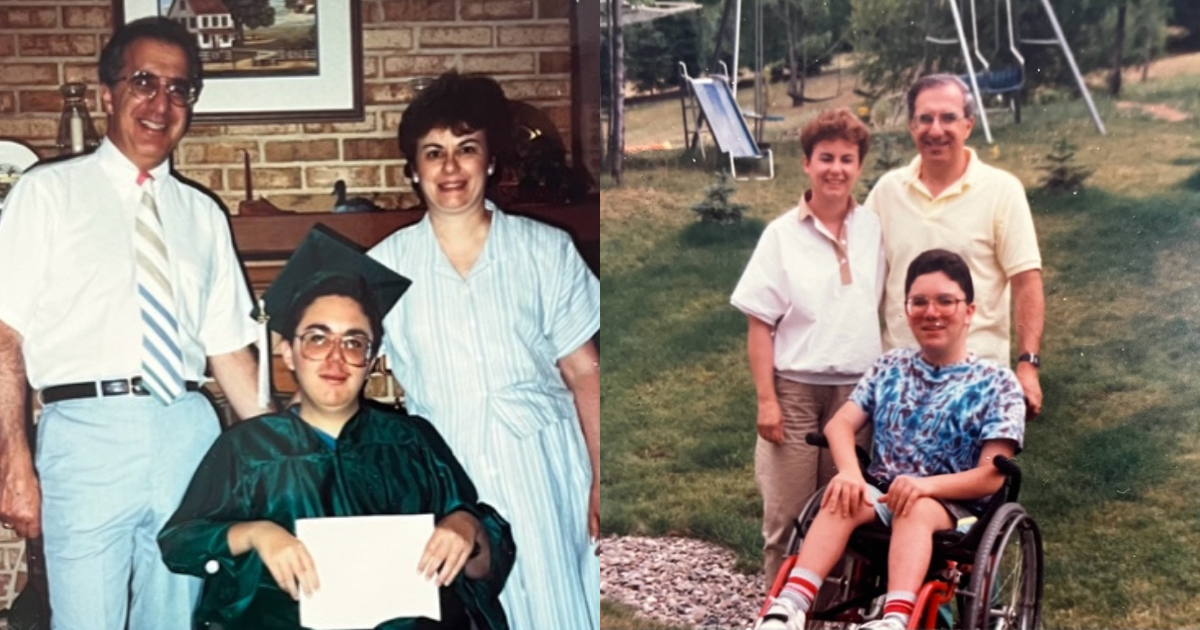
Our family consisted of myself, my wife and our three children. Matthew was the youngest with an older sister and brother. Interestingly, Matthew’s brother was diagnosed with a Learning Disorder before Matthew was diagnosed with Muscular Dystrophy.
Our journey as a family with children with disabilities was somewhat complex. Individuals within families experience a variety of learning curves at various stages over time that require adjustments for “regular” growth. In my day, typically the mother was usually seen as the one to lead the development of the children while the father was the “breadwinner” and consultant for the mother. In our experience, when children become diagnosed with a disability, the process of “regular” growth becomes more complicated for every family member.
Thus, the father needs to expand his role in the family structure to not only support the mother, but to expand his role for nurturing the child with a disability AND the nondisabled children. Fathers need to participate in the medical and psychological aspects of the situation to provide awareness and mutual assistance to their partner for leadership and joint decisions as they navigate the new and more involved learning curves for each family member.
Our situation was somewhat challenging, as our eldest son was diagnosed with a Learning Disability, which mostly involved us obtaining academic support. Conversely, Matthew required academic supports as well as supports from the medical community such as occupational therapy, physical therapy and mobility equipment. Many fathers have a mindset for each of their children that involves plans for careers and independence. However, when the child in the family becomes diagnosed with a disability, the father’s original mindset is likely derailed, and he faces the emotional challenge of developing another plan in a new direction that can be very difficult.
Fortunately, we were able to address most of the challenges that each of our family members faced. As the father, I possessed some valuable input and knowledge of medical and educational data that provided key areas to address. We functioned as a team to learn and work together. Incidentally, when Matthew was diagnosed at age 7, we were able to relocate from New York State to a warmer climate. Though my employer, we were able to choose Charlotte, NC where Matthew went on to complete Community College, became self-employed, resided at home with our caregiving and serviced to age 26.
| |
|
After Matthew's passing, Frank and his wife Mary Anne went on to create the Matthew C. Graziadei Achievement Scholarship Award. Matthew Carmen Graziadei was a remarkable young man who died in January 1998 at the age of 26. At the age of seven Matt was diagnosed with Muscular Dystrophy. He graduated from Myers Park High School in Charlotte, NC, and was elected to Who’s Who in American High School Students. Matt was a student intern at the Charlotte Mint Museum and served as a Goodwill Ambassador for the Muscular Dystrophy Association both locally and statewide. He achieved President’s Honors at Central Piedmont Community College and served in Washington, DC with the US Surgeon General’s Council on Families and Disabilities. Matt also started his own business and was a contractor in facilities, engineering, and computer services. This annual award is offered to any North Carolina high school senior with a disability. This award includes a $1,500 scholarship, to be used for any post-high school learning experience/training or for equipment/technology needed for employment. We are proud to announce that this year we have given out our 24th award.
If you would like to support the funding for this award, please use the button below and specify MCG in your note or check memo.
| | |
|
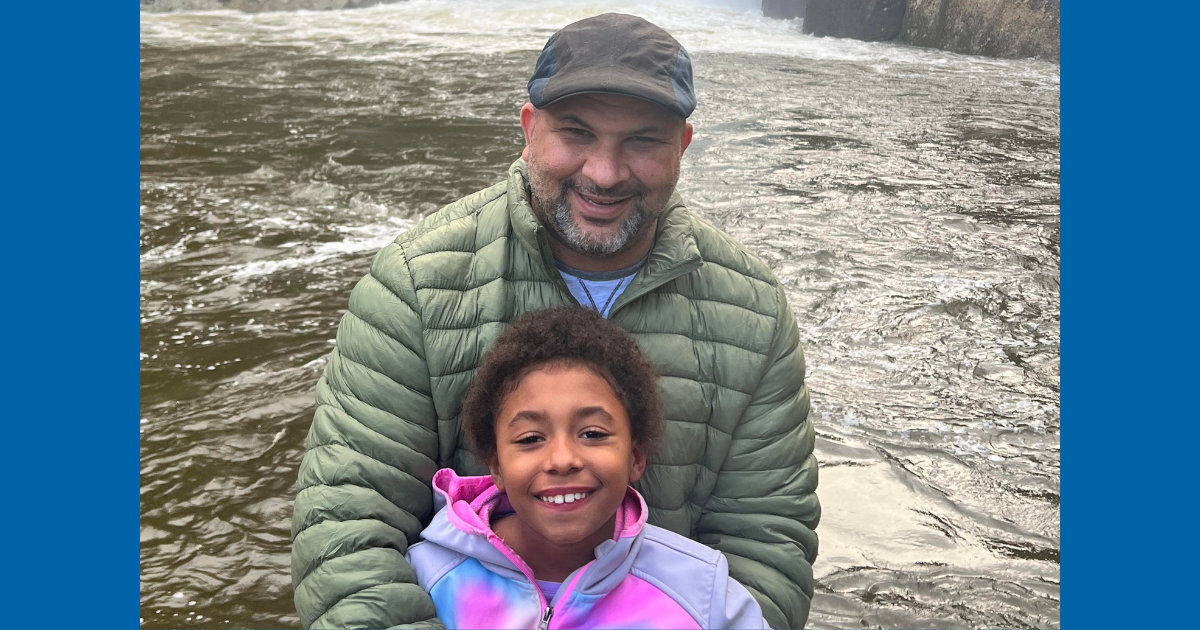
I have a wonderful family filled with love, pride, and faith. I've been married to my amazing wife, Candice, for 19 years. Our son, Vinny, recently graduated from Early College with both a high school diploma and an associate's degree, and he’s set to attend UNC-CH on a full scholarship. Our niece, Samiah, is a beacon of positivity, always helping us see the brighter side of things. Our beautiful autistic daughter, Gracie, brings energy, joy, and laughter into our home, reminding us of the divine joy in simplicity. We cherish our faith and the blessings it brings, supporting each other through life's challenges, guided by our spiritual beliefs and the presence of God in our lives.
DADvice: For those blessed to be the parent of a child with unique differences, I would say embrace the journey with love, patience, and an open heart. Seek support when needed, continually educate yourself, and always advocate fiercely for your child, celebrating every small victory along the way. Remember to prioritize self-care, communicate openly, focus on your child's strengths, and show them unconditional love and acceptance every day.
| | |
|
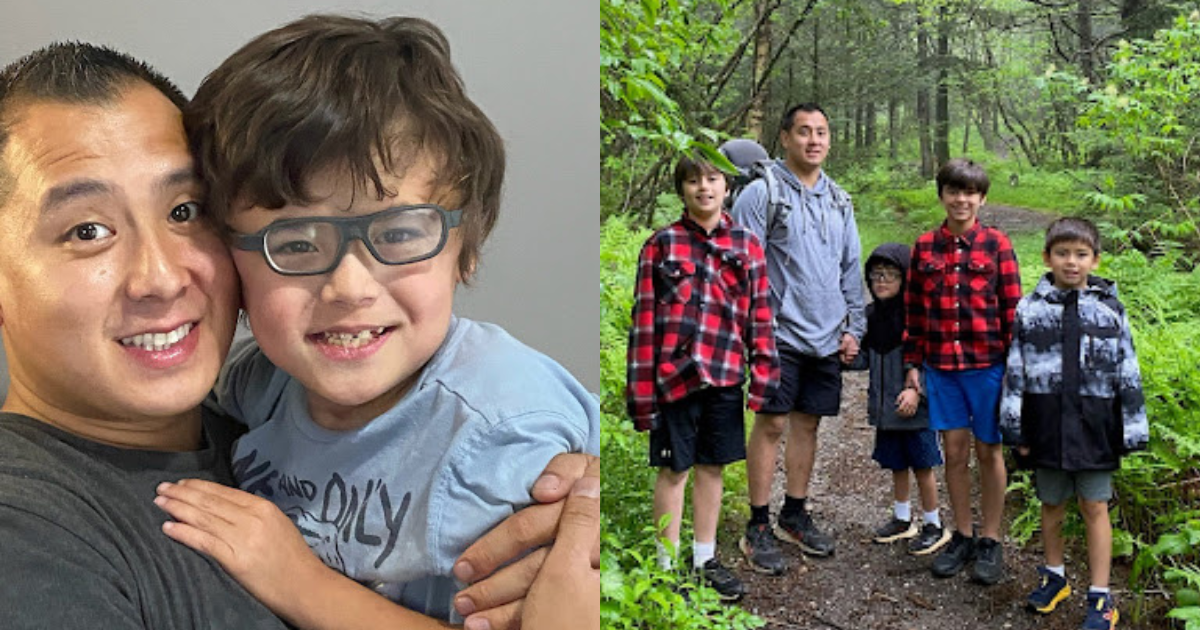
I have 4 boys, my youngest one has disabilities and special health care needs. With Nicholas we are trying to figure out feeding skills and demonstrating his cognitive ability to learn.
As a family we manage very well together as a unit. At times, it doesn't feel like we have a child with disabilities. Some of my favorite things to do with my sons are play football and basketball. We all work well together to make sure he is included in day to day activities or sports when we play.
Having a son with a disability has impacted my journey as a father. It made me more knowledgeable of "all things disability" including terminology, medicine, and all of the possibilities that come with the spectrum of having a disability.
DADvice: Try not to feel discouraged and try to approach day to day things as if with the thought in mind of making things feel the most “normal”, even if this means accepting a new normal. Something I have learned is that not all the advice or recommendations from doctors or specialists are the final answer. Even if the doctor feels there is little to no chance of improvement or success, that's not always true.
Sometimes it's challenging adapting to being a father of a child with disabilities. I try to stay open minded and take it a day at a time, not giving up on my son. If Nicholas is having a hard day, I always remember that he is a fighter, and he has overcome more than most have given him credit for.
| | |
|
Fatherly Words of Wisdom
Three amazing dads offer valuable insights into how their parenting journey has been enriched by their autistic children and the struggles and triumphs they have experienced along the way.
| |
|
|
FSN of NC's Dads Group provides a supportive space uniquely tailored for fathers of children with disabilities or special healthcare needs. Members discuss fatherhood, share parenting tips, meet socially, and provide mutual support. Joining this group offers dads camaraderie, learning opportunities, tailored resources, and a supportive network of fathers who understand the challenges and joys of parenting children with disabilities. | | | |
|
|
|
Although fathers and mothers typically have many of the same needs and concerns, there are often significant differences in how they respond to their child’s condition, what they do to cope, and what they find helpful.
| | | |
|
|
|
Partnering with Dads to enhance pediatric care - Involving fathers in their child's health care can significantly improve the child's health and well-being.
This tool from the Center for Health Care Strategies includes practical tips for pediatric providers to make the practice environment more father friendly.
| | | | | | |