|
OCTOBER 2025
WATER PAGES eNEWSLETTER
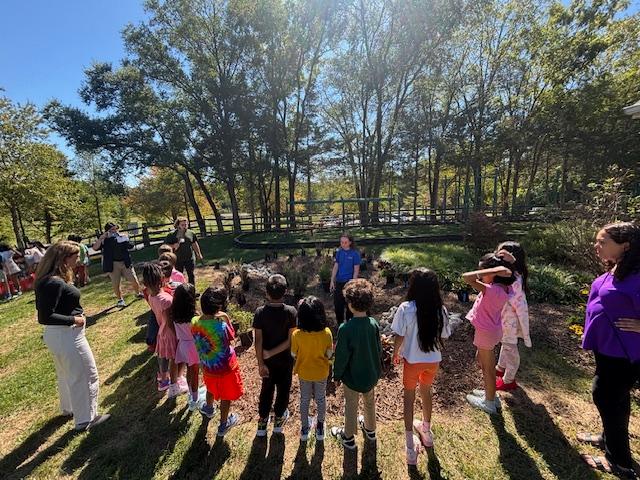
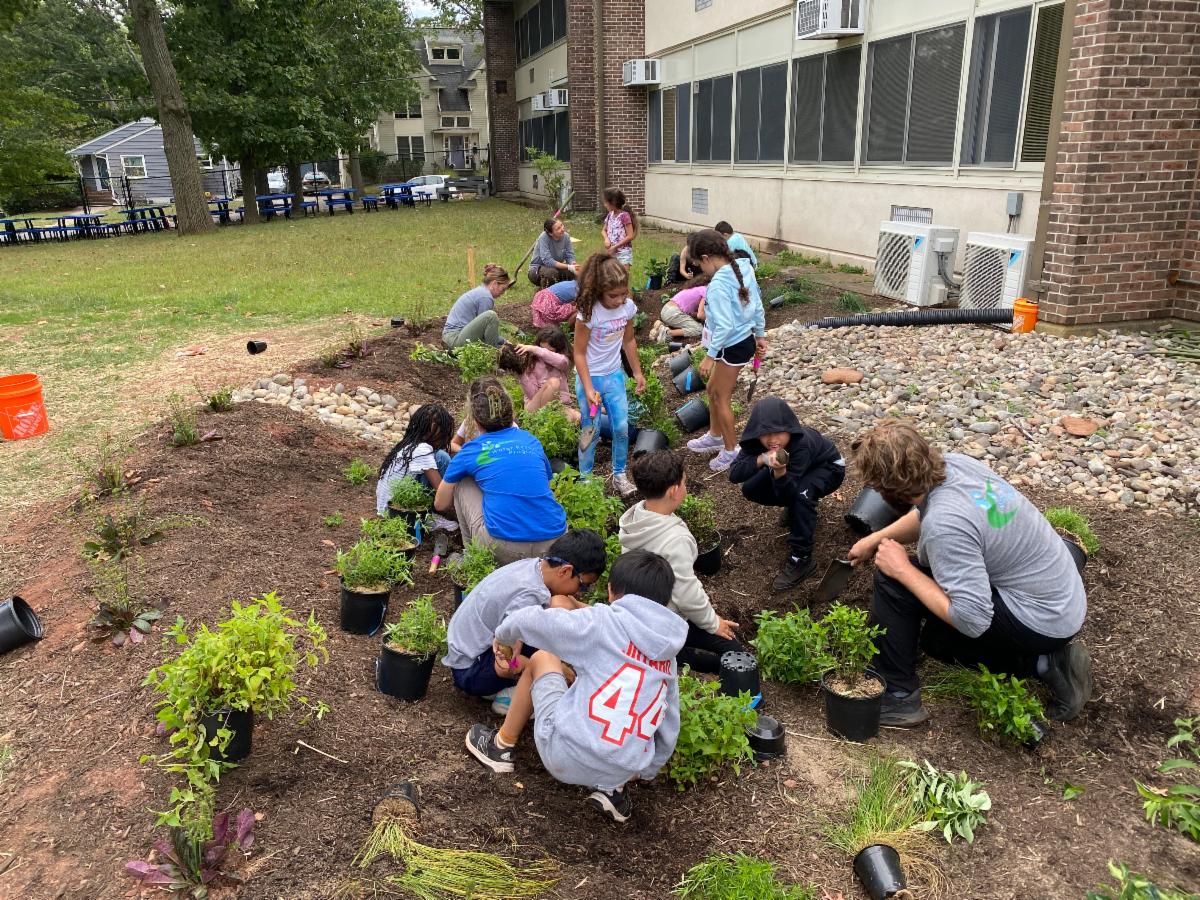
| | Green Infrastructure (Rain Garden) Promotion in Schools in Taiwan and the USA ~ Project Update | | The three schools that are participating in the Green Infrastructure (Rain Garden) Promotion in Schools in Taiwan and the USA project have planted their rain gardens! The Albrook School in Basking Ridge was planted with 97 native plants by 24 students from the 2nd through 6th grade classes. The Bartle School in Highland Park was planted with 178 native plants by 19 students from the 3rd grade class and 22 students from the 5th grade class. Finally, the Frances S. Demasi School in Marlton was planted with 158 native plants by teachers from the school. | | |
Students at The Albrook School learning how to plant their rain garden
[Photo credit: Meghan Shea, RCE Water Resources Program]
| | |
Bartle Elementary School's 3rd grade class planting their rain garden
[Photo Credit: Erik Lin, RCE Water Resources Program]
| | |
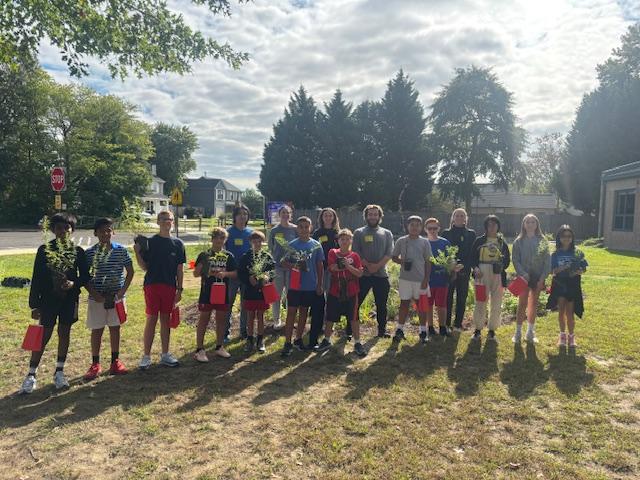
Frances S. Demasi School's 6th grade class with their plants to take home after the educational session
[Photo credit: Meghan Shea, RCE Water Resources Program]
Students attended an educational program which included a presentation about rain gardens and an interactive activity where they collected water samples from the inlet and outlet of the rain garden at their school. Using simple test strips for nutrients found in stormwater runoff, they discovered that rain gardens can remove excess nutrients from stormwater. Finally, each student was sent home with a plant of the same species as their school’s rain garden to encourage them to share the information they learned with their parents and hopefully even install their own rain garden at home!
In addition, each school’s rain garden will have monitoring equipment, including a rain gauge, pressure transducers, water level sensors, and temperature/humidity sensors to measure temperature, humidity, and rainfall as well as flow in and out of the rain garden. Real-time data from the monitoring equipment will be displayed on a website that students can easily access to determine how well their rain garden is performing. By consistently using the website as a resource, these budding environmental stewards are not just learning, they're blossoming into passionate advocates for stormwater management.
| | |
Benny Roe working on the monitoring equipment that will be installed at the three rain gardens
[Photo credit: Gillian Mulvoy, RCE Water Resources Program]
| | Homeowner Spotlight: Lora Palanchi’s Rain Garden Project | | |
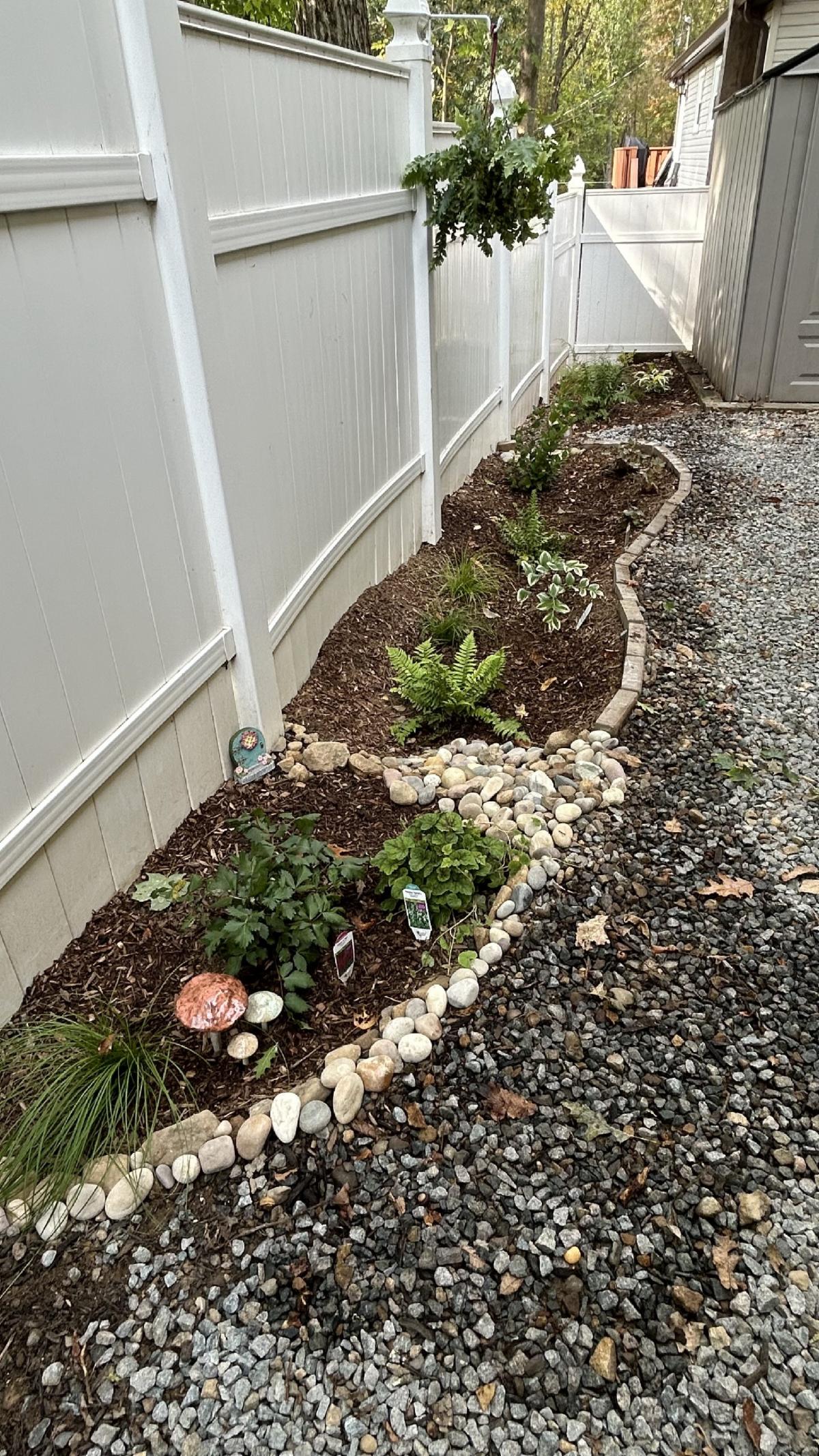
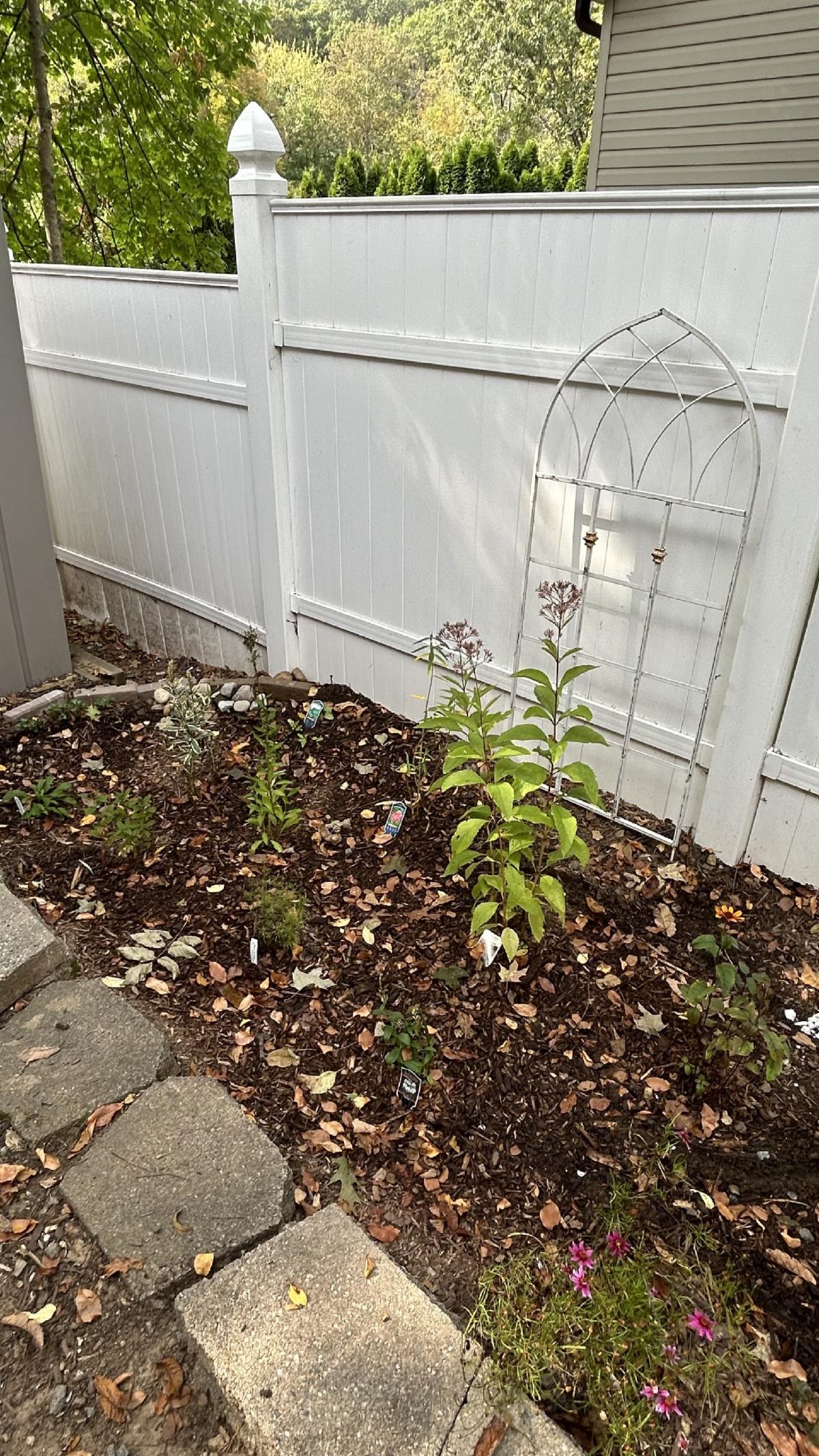
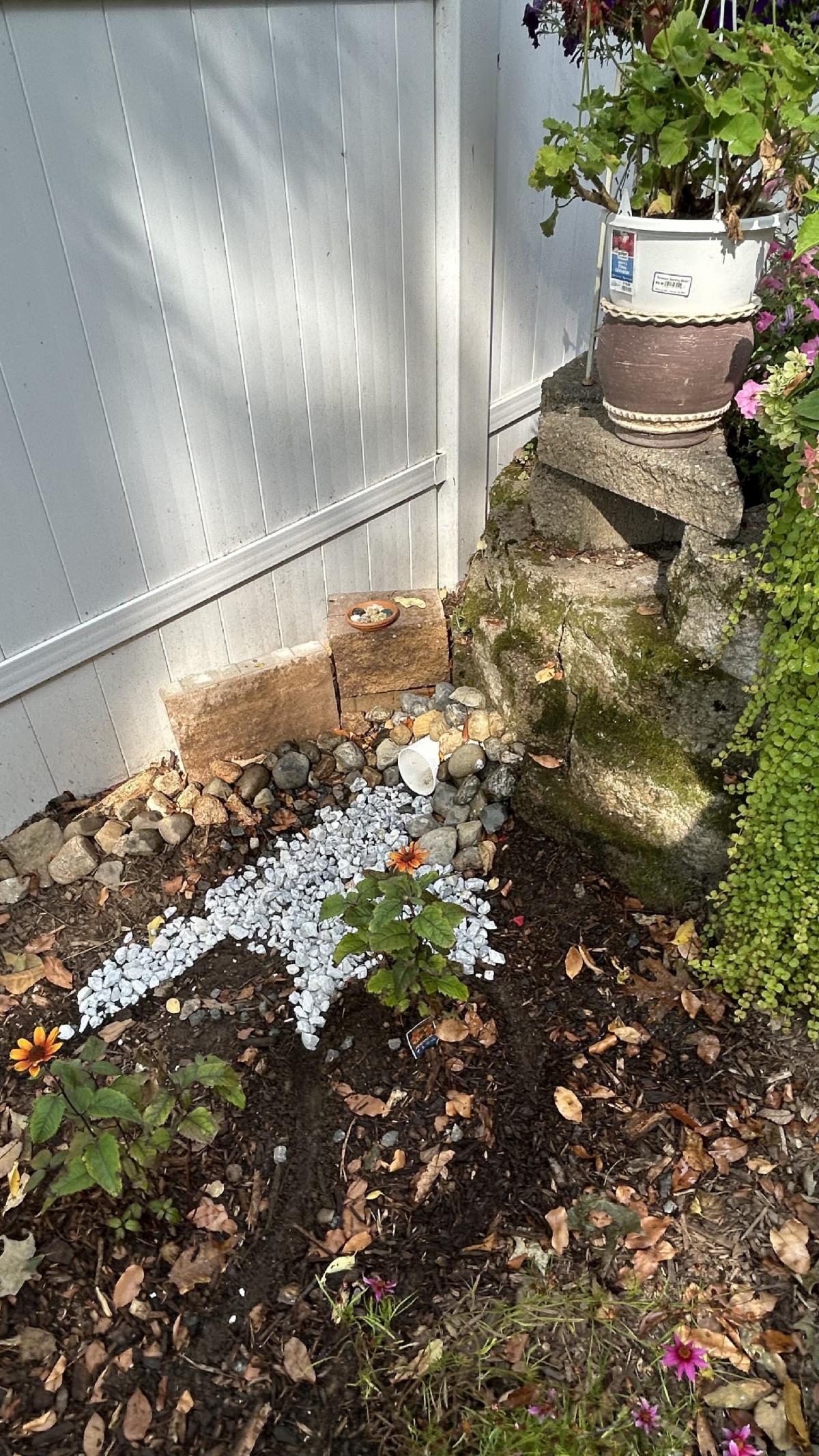
At the July 24th homeowner rain garden design session, Lora Palanchi worked with our team of engineers and landscape architects to design a 100-square-foot rain garden for her property. Since then, Lora has been busy bringing the project to life! She decided to relocate the rain garden to her backyard while keeping the same design principles in place. Just last week, she completed the installation. She has already seen the garden capture and absorb rainfall during its first storm. Lora even incorporated compost with the native soil to boost plant health and added her own creative touches to improve water flow.
Reflecting on her experience, Lora shared:
“The Rutgers rain garden design session was instrumental in teaching me how to build my rain gardens, especially with the personalized plan that was specific to my property. Even though I ended up planting in a different spot than we had discussed, I was able to take what I learned and implement it in other areas of my property. I now have a lovely pollinator garden where there once was only dirt and rocks in my backyard, and I’m helping capture water runoff!”
Not stopping there, she also installed three smaller gardens where water naturally flows off her property and is considering another mini garden in the wooded area by her home. With her enthusiasm and hard work, Lora has transformed her yard into a model for homeowner green infrastructure, which will only become more beautiful as it grows over the seasons ahead.
| | |
Newly installed homeowner rain garden project, October 2025
[Photo credit: Lora Palanchi]
| | Empowering Green Infrastructure Champions through Rain Garden Design | | |
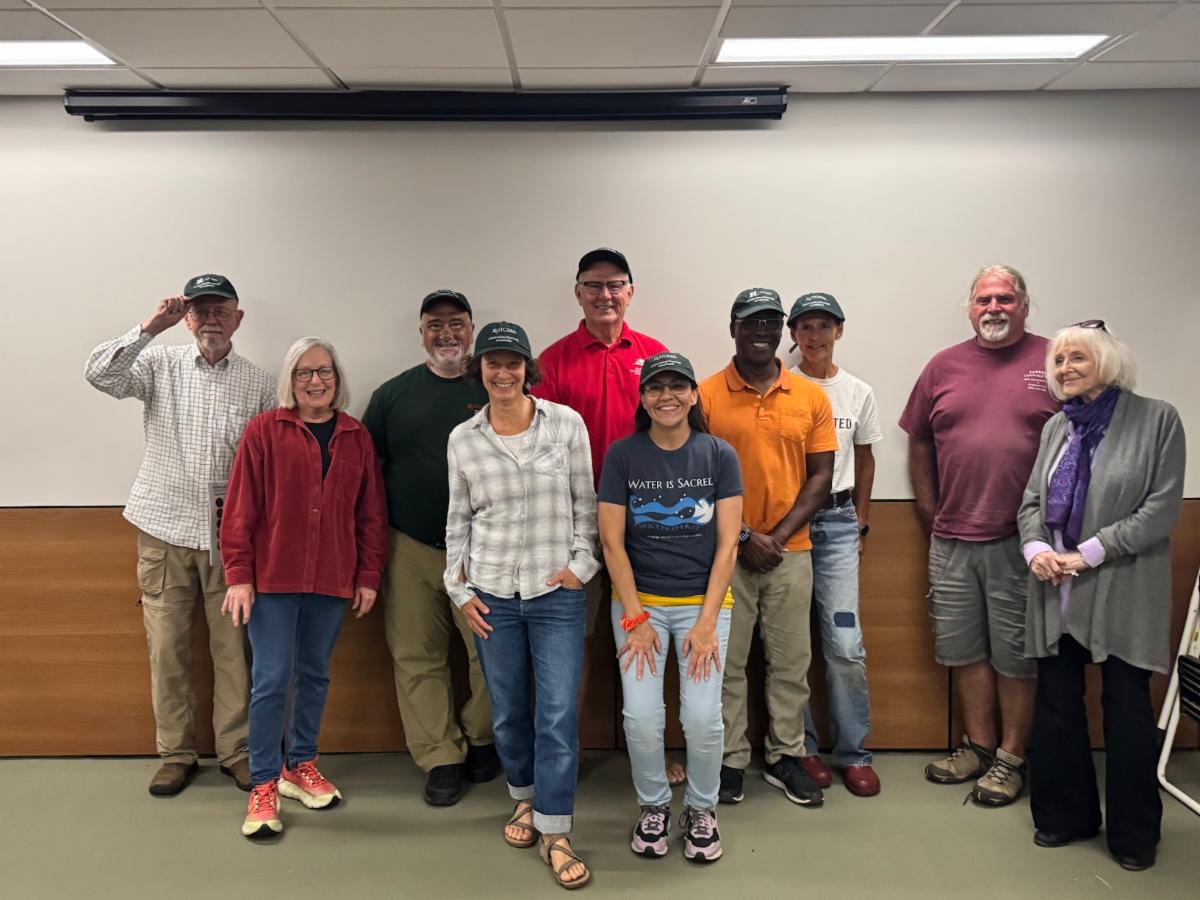
On Tuesday, September 30, 2025, twelve Green Infrastructure Champions and Long Branch residents gathered at the Long Branch Free Public Library for a hands-on workshop led by Dr. Christopher Obropta and staff from the Rutgers Cooperative Extension Water Resources Program.
The goal of this workshop is straightforward yet impactful: to empower residents to design and install residential rain gardens that capture stormwater, reduce flooding, and enhance the beauty of their neighborhoods.
During the evening session, Dr. Obropta guided attendees through the full process of designing a homeowner rain garden from choosing the right site to planning for long-term maintenance. Along the way, attendees explored practical design tools such as sample layouts, plant information sheets, sizing tables, the NRCS web soil survey, and maintenance guides.
Working in small teams, participants put these tools into practice by creating custom rain garden designs for real properties. The program sparked great discussions, and by the end of the night, attendees left with both practical skills and the confidence to help bring more rain gardens to life in their own communities.
We’re excited for the next event, where Green Infrastructure Champions will team up with a Long Branch homeowner to install a rain garden in October.
| | |
Dr. Obropta with participants of Part I of the Rain Garden Design and Implementation Hands-on Training for Certified Green Infrastructure Champions at the Long Branch Free Public Library, September 30, 2025
[Photo credit: Hollie DiMuro, RCE Water Resources Program]
| | |
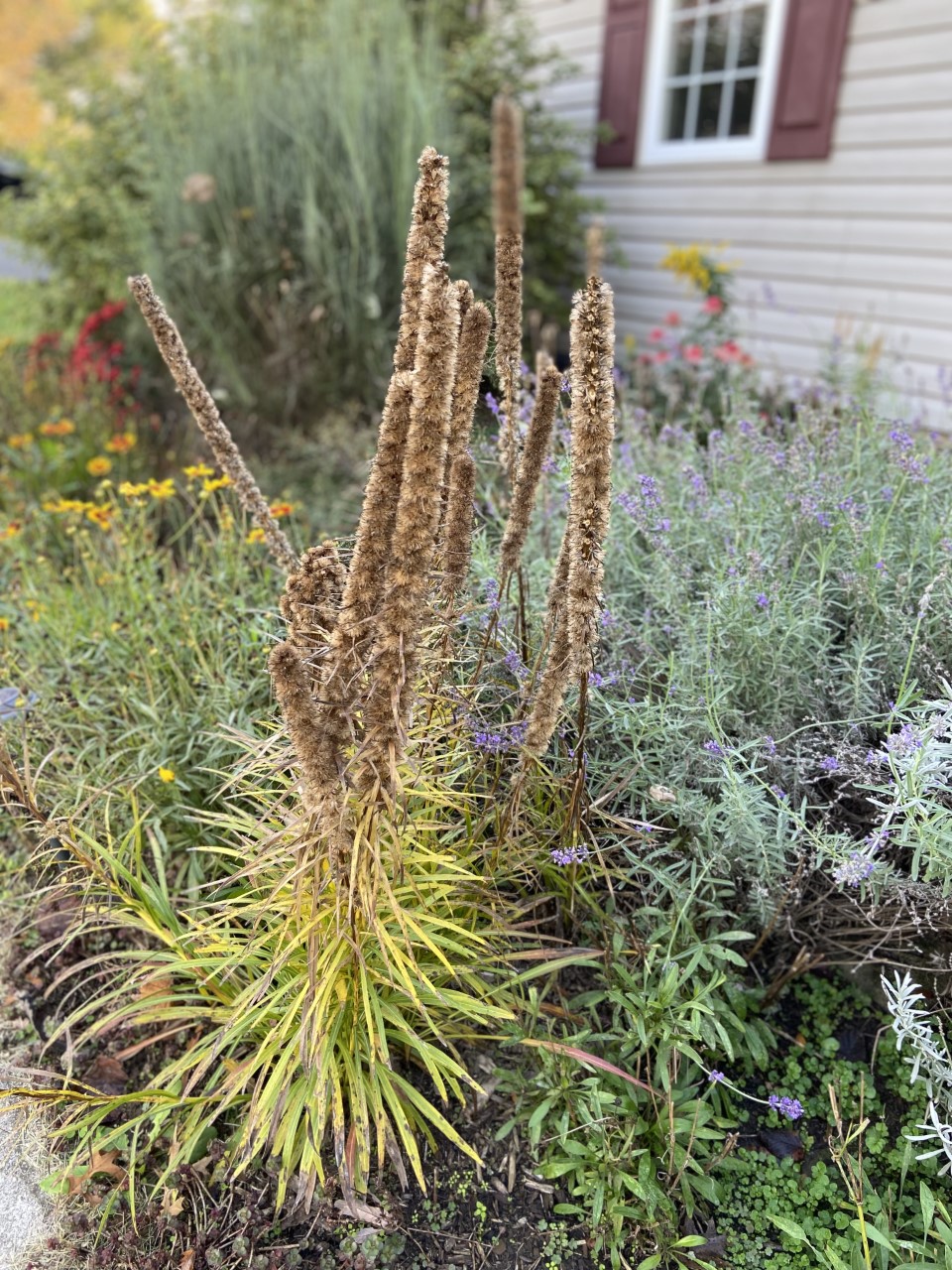
Liatris spicata
Dense Blazing Star
| | |
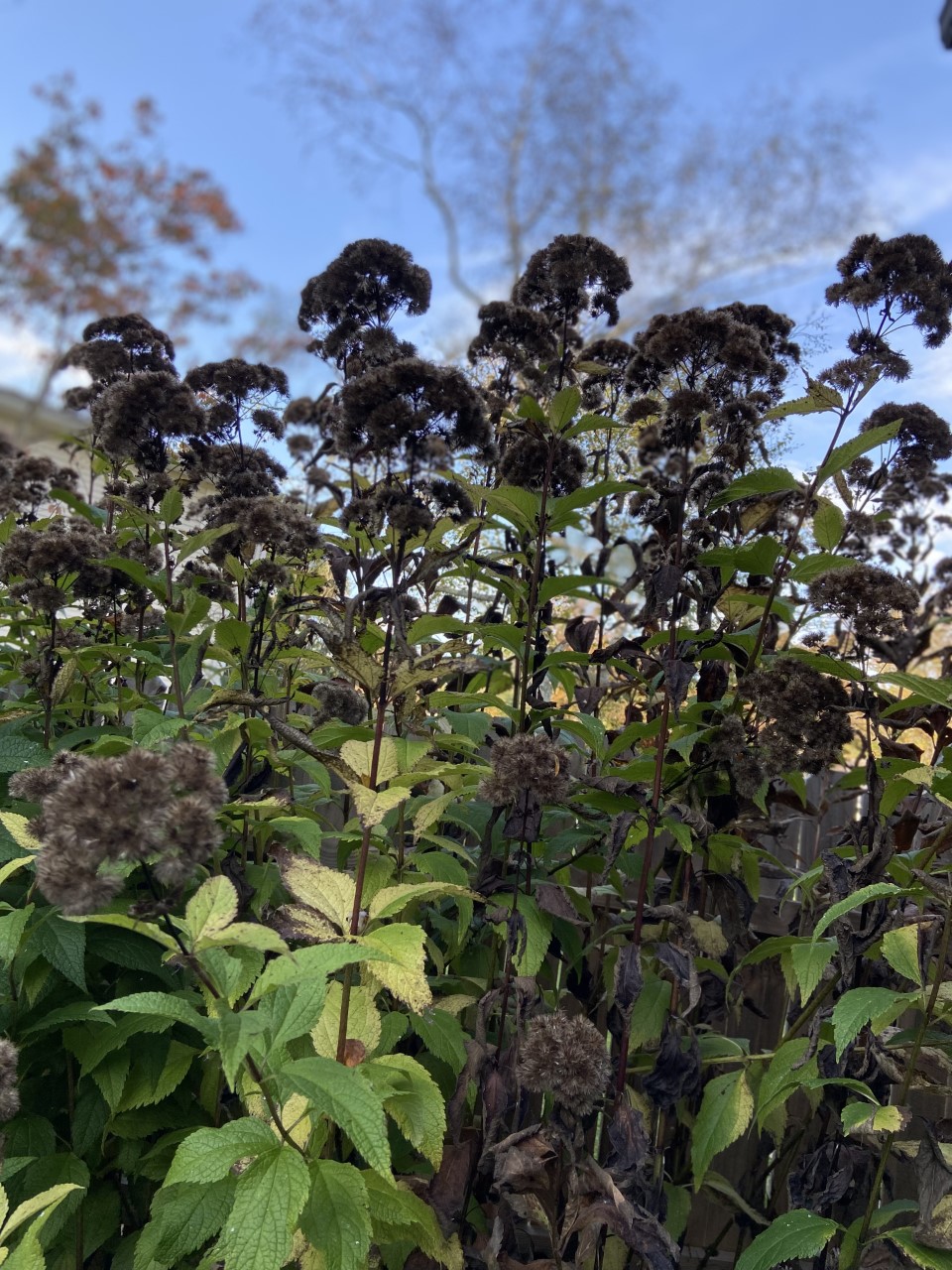
Eutrochium fistulosum
Joe-Pye Weed
| | |
As autumn sets in, it's time to put your rain garden to bed for the winter. Here are
some tips on how to make sure it's cozy!
- Identify desirable plants using your maintenance guide, plant list, and plant ID apps for your phone (such as PlantNet or Picture This). Optionally, prune or cut back previous perennial growth. Remove non-desirable and invasive plant species.
- Inspect inlet and outlet structures, stone, pipes, drains, and grates. Remove accumulated debris from the rain garden.
- Rake out excess leaves and add them to your personal compost bin or set them out in leaf bags for collection. A small layer of no more than two (2) inches is acceptable and will add organic matter to the rain garden soil.
- Check the height of the berm; rain gardens should generally be about six (6) inches deep from the top of the berm to the mulched base. If erosion has caused the berm height to decrease, consider adding soil material to the berm before mulching it.
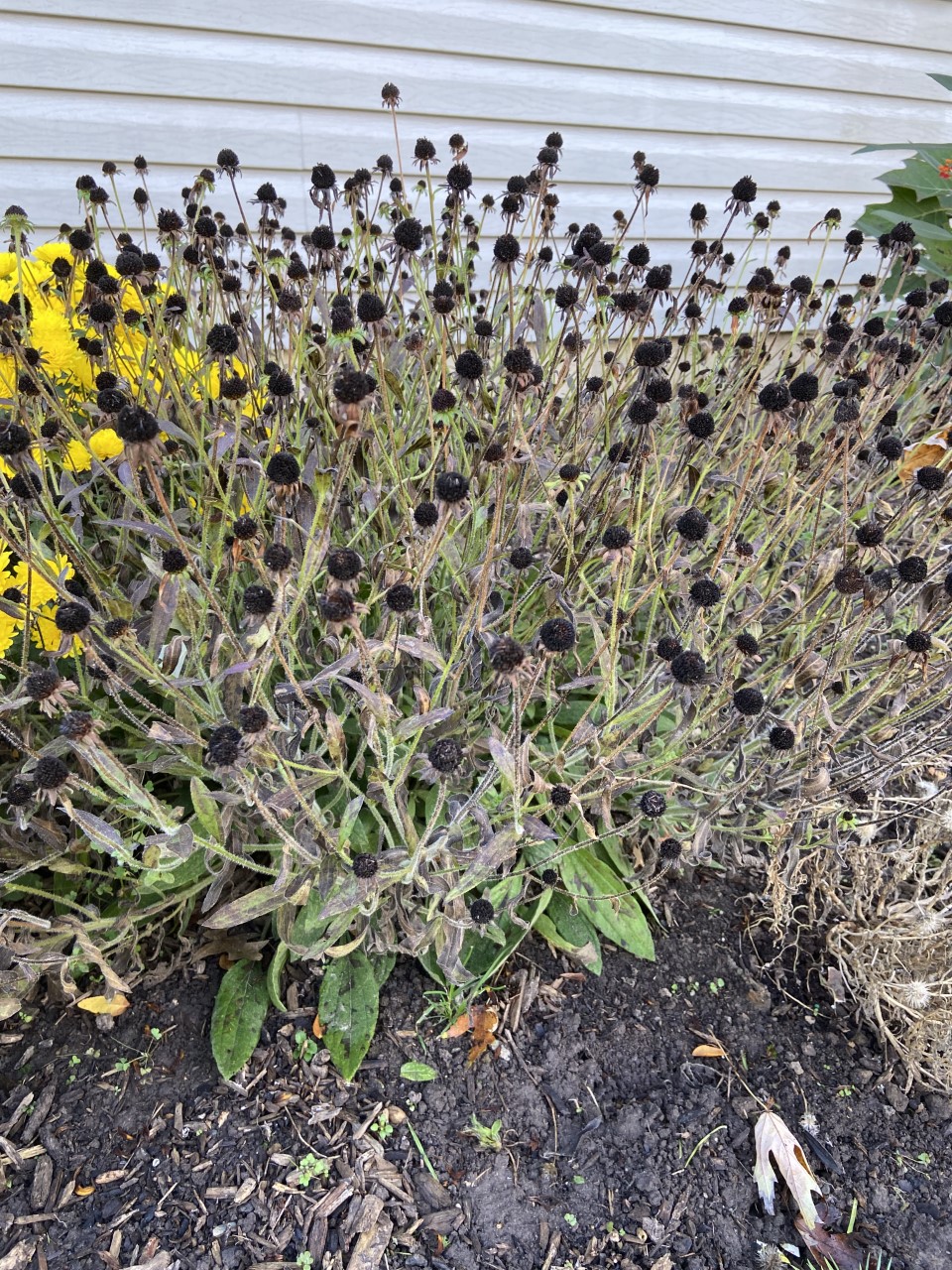
- For plants that have gone to seed, collect the seeds for sharing or sow the seed in and around your rain garden to encourage more beneficial plants. Some plant seeds are also valuable food for winter birds and can provide winter interest to your garden; you decide what to do with the seed heads of the plants!
- Optionally, leave ornamental grasses unpruned until late winter or early spring to make the rain garden a wildlife habitat.
- Add a two (2) to three (3)-inch layer of undyed triple shredded hardwood mulch. This will help curtail weeds in the spring.
Take notes of what plants did well this year and which did not, and you will have this to compare to next year. Use this information to help you decide which plants to promote and which ones might need to be pulled from the stage. Now you will really start to know your garden in all its seasons!
| | |
Rudbeckia hirta
Blackeyed Susan
| | |
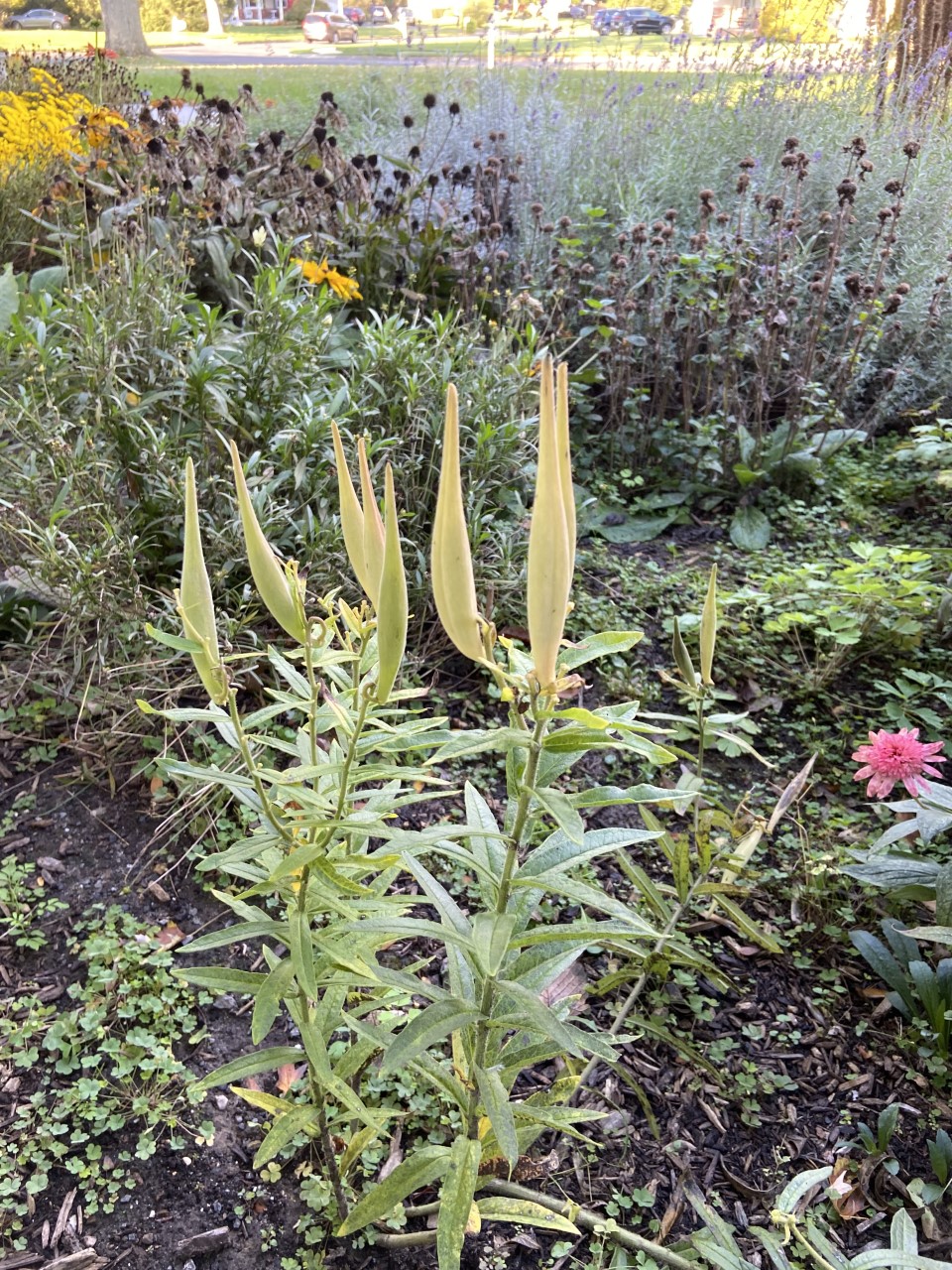
Asclepias tuberosa
Butterfly Weed
| | [Photo credit: Lisa Galloway Evrard, RCE Water Resources Program] | | HOLD THE DATES: Become a leader, become a Green Infrastructure Champion! | | |
The next Green Infrastructure Champions Training Program will be offered every other Friday from 10AM to 12NOON starting January 9, 2026!
All sessions for the 2026 training program will be offered via an online format for FREE.
Registration is required and will open in early November at water.rutgers.edu!
Here is what we can offer as part of the training program:
- Training on green infrastructure planning and implementation
- Networking opportunities with other certified Green Infrastructure Champions for mutual support
- Assistance with grant writing
2026 Training Program Class Schedule:
- How to identify green infrastructure projects in your town (1/9/2026)
- Moving from planning to implementation of green infrastructure (1/23/2026)
- Maintaining green infrastructure practices/projects (2/6/2026)
- Stormwater management regulations, policies, and ordinances (2/20/2026)
- Green infrastructure planning and implementation for Sustainable Jersey points (3/6/2026)
- Green infrastructure for targeted audiences (3/20/2026)
- How to design and build a rain garden (4/3/2026)
- Retrofitting traditional detention basins with green infrastructure (4/17/2026)
- Developing green infrastructure master plans for an entire site or neighborhood (5/1/2026)
- Using green infrastructure to promote climate resiliency (5/15/2026)
Attendance at a minimum of five (5) classes is needed for certification.
| | |
Rutgers Cooperative Extension Water Resources Program
water@envsci.rutgers.edu
www.water.rutgers.edu
| | | | | |