|
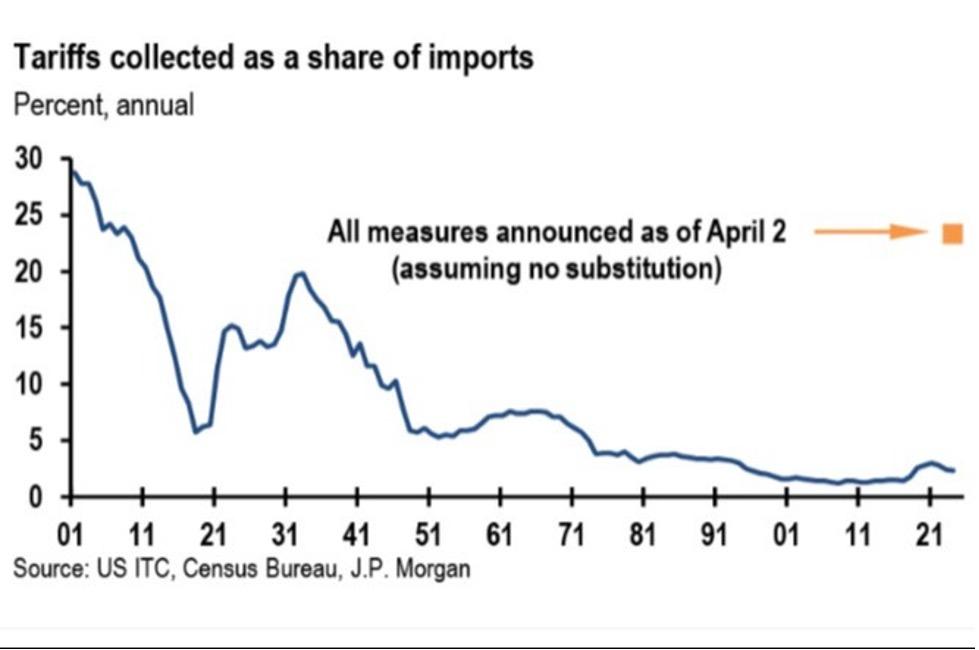
The imposition of new tariffs under the Trump administration has brought significant attention to the economic implications of trade policies on the United States and its trading partners. As a central aspect of President Donald Trump’s “America First” agenda, the new tariffs aimed to protect domestic industries from foreign competition, reduce trade deficits and revitalize American manufacturing.
While the underlying premise sounds lofty, the economic stability of the U.S. economy has been significantly impacted as the long-term consequences of these trade policies continue to unfold. The tariffs have introduced both challenges and opportunities, and their effects will ripple through various sectors, influencing global trade, inflation and overall economic growth of nations.
The most immediate economic implication of the Trump administration’s tariffs has been the disruption of international trade relations. Tariffs, particularly those imposed on China, Canada and the European Union, have raised the cost of imported goods, thereby affecting American consumers and businesses. These tariffs have also led to retaliatory measures from China and Canada while the European Union weighs its response. Given the Chinese tit-for-tat approach, these new rounds of tariffs may result in a trade war and escalate tensions between the U.S. and China on the one hand and the U.S. and several other major economies on the other. Domestically, Wall Street is in a panic mode with the Nasdaq, Dow Jones and the S&P 500 losing trillions of dollars in value due to panic tariff selloffs.
The ongoing tariff conflict will lead to a decline in global trade, as countries involved in the dispute will seek to protect their domestic industries by imposing reciprocal tariffs on U.S.-made goods. This reduction in global trade volume will not only hurt U.S. businesses that rely on exports but also disrupt supply chains that are integral to global manufacturing processes.
As I have emphasized previously in this newsletter, while some industries may benefit from tariff protections, such as steel and aluminum producers, the broader economic impact will manifest in the long-term affordability of products for U.S. consumers. The current set of tariffs has been calculated to equal a $1,900 annual tax increase on the average American consumer.
Another significant consequence of the Trump tariffs is their potential effect on economic growth. While the tariffs were intended to protect American jobs and industries, the overall impact on employment will be mixed. While jobs in the steel and aluminum producing sectors may be protected, jobs in the steel and aluminum consuming industries will be lost because the local steel and aluminum producers will raise prices due to increased demand occasioned by a drop in competition.
While some other domestic industries will see short-term gains due to reduced competition from foreign goods, the broader economy will face challenges. Businesses that rely on global supply chains will be forced to adjust to higher input costs, which can lead to reduced profits and even layoffs. In addition, the uncertainty surrounding the tariffs and trade war will create a climate of instability that deters investment and long-term business planning. Uncertainty about the future of American trade relations will make it difficult for companies to forecast future costs and plan effectively.
Furthermore, the continued imposition of tariffs and the creation of more trade barriers will undermine U.S. economic leadership on the global stage given that the United States has long advocated for free trade and the reduction of trade barriers. The Trump administration’s tariffs represent a significant departure from this stance, leading to a reevaluation of U.S. trade policy by other countries.
The shift toward protectionism has led to a fragmentation of global trade agreements, with countries accelerating new trade partnerships outside of U.S. influence i.e. BRICS+. This could have lasting effects on the ability of the U.S. to shape global trade norms and secure advantageous agreements for American businesses.
In conclusion, the new Trump tariffs have had profound implications for the economic stability of the United States. While aimed at protecting domestic industries and reducing trade deficits, the tariffs will contribute to higher consumer prices, trade disruptions and economic uncertainty. The long-term effects on global trade relations and U.S. economic growth remain uncertain. The experience of the past few years underscores the importance of balanced trade policies that promote both domestic growth and global economic stability.
|