| |
|
Child Care as Economic Development Infrastructure
Opportunities, Policy Shifts, and Proven Models
| | |
This issue is written for economic development leaders, employers, and community decision-makers who are confronting workforce constraints tied to child care access. Across the country, child care is increasingly recognized not as a social service add-on, but as essential economic infrastructure that enables labor force participation, business growth, and community stability.
The stories below highlight timely opportunities, emerging policy shifts, and practical models that communities and employers can act on now.
| | |
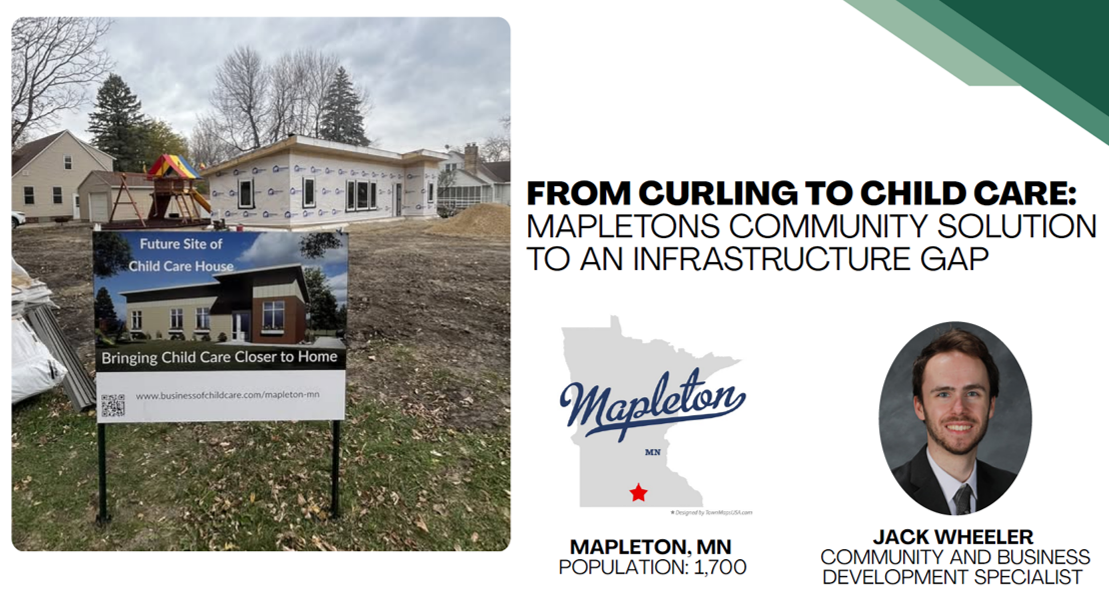
FROM CURLING TO CHILD CARE:
MAPLETONS COMMUNITY SOLUTION TO AN INFRASTRUCTURE GAP
| | As part of Business of Child Care’s ongoing virtual series highlighting opportunities of the moment, we are hosting a focused conversation on child care as economic development infrastructure. The session will be hosted by Jeff Andrews, President of Business of Child Care, and will feature Jack Wheeler, Community and Business Development Specialist with Community and Economic Development Associates. | | |
Jack will share the Mapleton, Minnesota experience and how a small rural community reframed child care as infrastructure to unlock workforce participation and long-term economic opportunity.
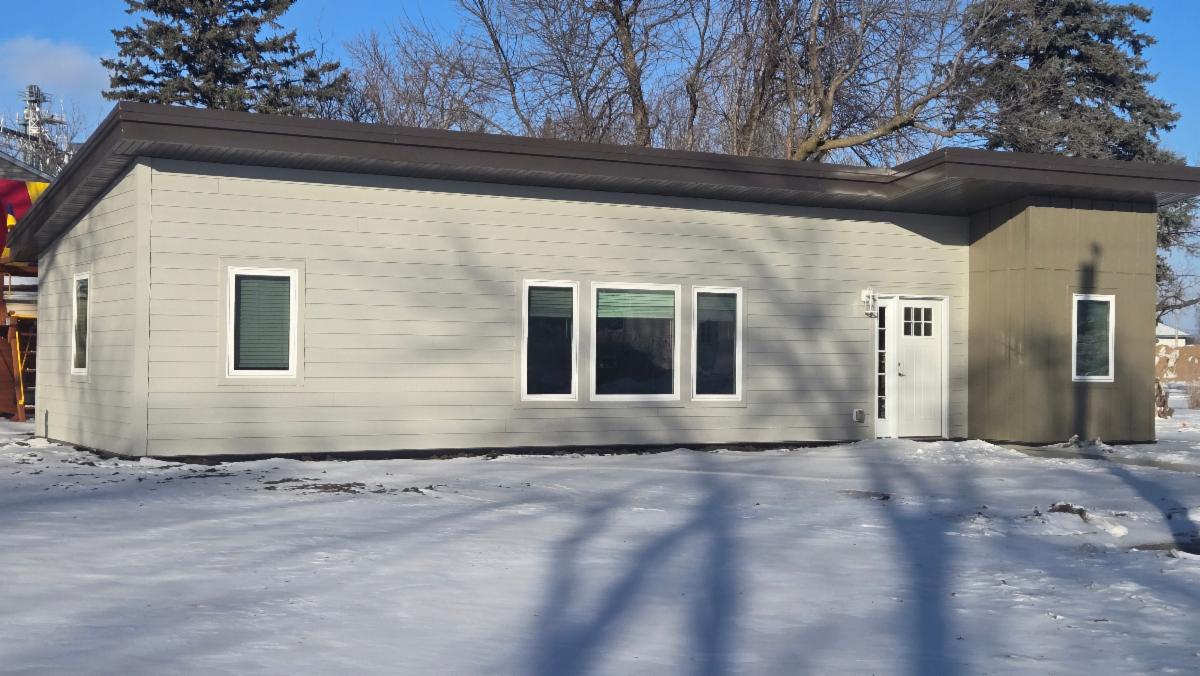
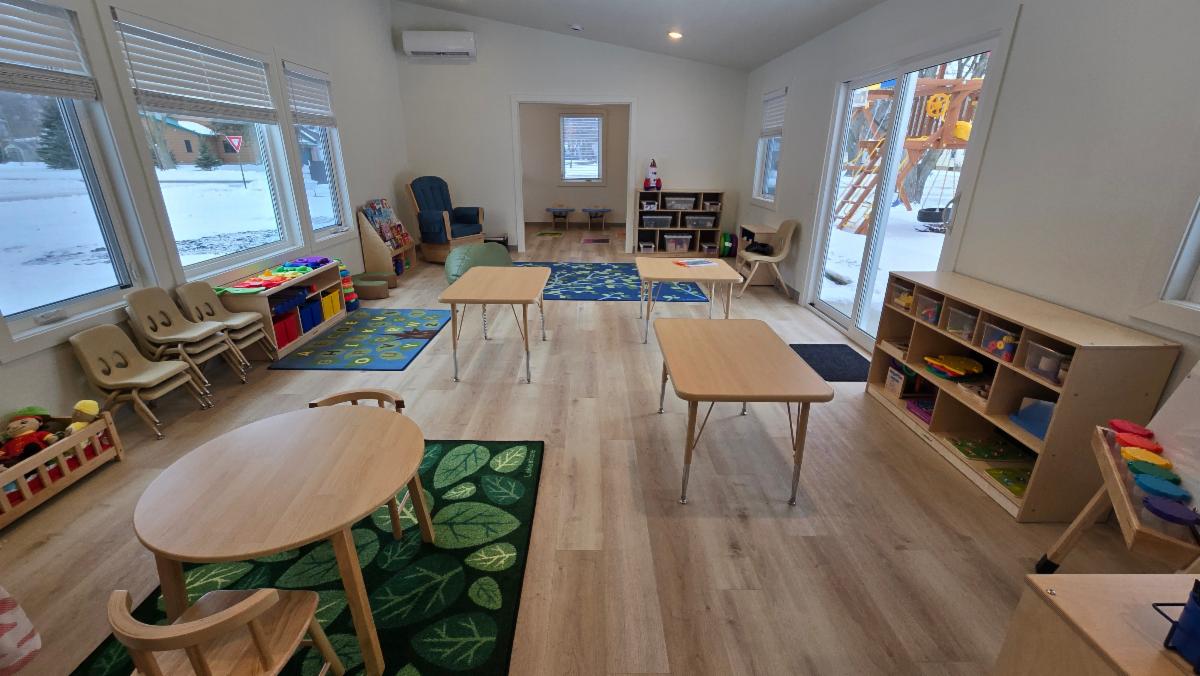
Mapleton, a community of approximately 1,700 residents, faced a severe child care shortage. More than 60 percent of children lacked a licensed child care spot, parents traveled up to 60 miles round trip for care, and providers had no capacity to expand. Rather than pursuing a traditional, high-cost child care center, the community worked with Business of Child Care to design and deploy a Child Care House, owned by the local economic development authority and operated by an independent provider.
The result was a fundraised $300,000 capital investment that will generate an estimated $6 million in long-term economic return through workforce wages, local ownership, and sustained economic activity.
The project demonstrates how child care can be planned, financed, and managed like other forms of public infrastructure.
Virtual Event: February 26, 2026
11:00am - 12:00pm
Register Here
| | |
Policy Opportunity:
Enhanced Employer Child Care Tax Credit (Section 45F)
| | |
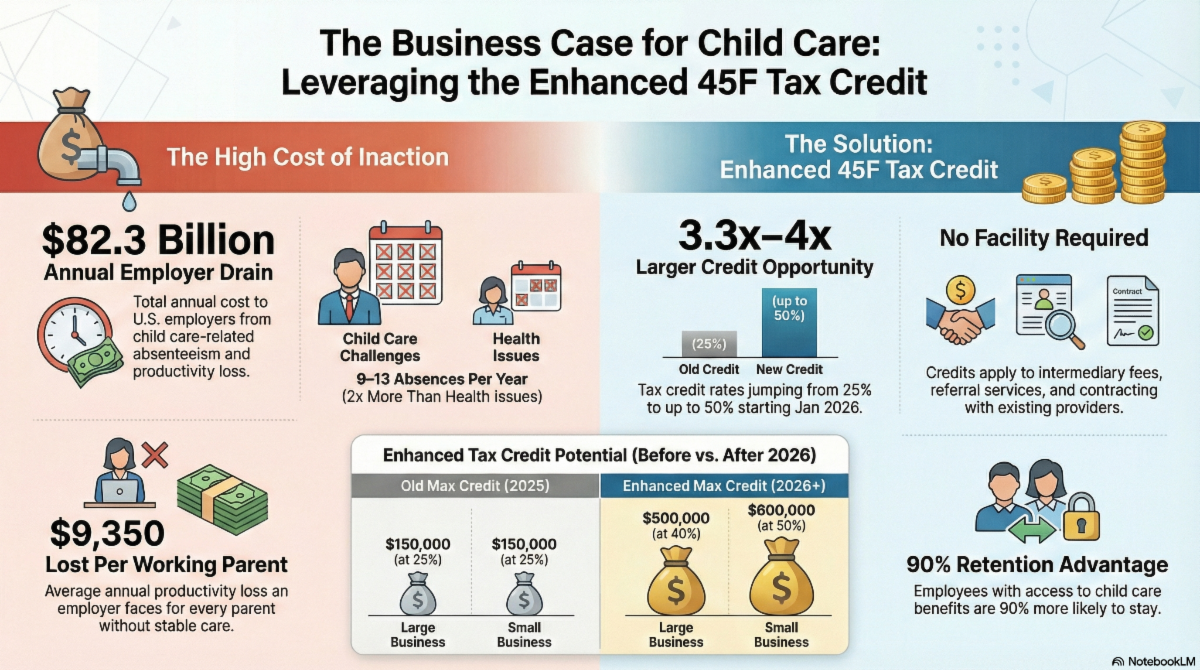
Beginning in 2026, updates to the federal employer child care tax credit create a meaningful new opportunity for employer participation in child care solutions.
Under the enhanced Section 45F credit, employers may receive tax credits of up to 50 percent of qualified expenditures, representing a three- to four-fold increase over prior limits. Eligible expenses now include intermediary fees, referral services, and contracted care with existing providers. Employers can participate without building, owning, or operating facilities.
This policy shift reframes child care from a discretionary employee benefit to workforce infrastructure. The enhanced credit reduces net capital exposure while supporting improved recruitment, retention, attendance, and productivity. Employers who act early can align workforce needs with community-based solutions in a financially responsible way.
Employers interested in understanding participation models under the enhanced credit are encouraged to connect with Business of Child Care.
| | |
National Leadership: Elevating Child Care as Core Infrastructure
Jeff Andrews at the Next Move Group National Conference
| | |
Business of Child Care is pleased to share that Jeff Andrews has been invited to present at an upcoming National Economic Development Conference in New Orleans on February 12th, hosted by Next Move Group.
Jeff’s session will focus on how communities can integrate child care into mainstream economic development planning, capital strategies, and workforce initiatives. Drawing from rural and national examples, the session emphasizes practical deployment models that align public, private, and philanthropic investment to deliver measurable economic outcomes.
For additional insight into this work, readers are encouraged to explore the We Are Jobs podcast, produced by Next Move Group, which features conversations at the intersection of workforce, economic development, and community strategy: https://www.thenextmovegroup.com/we-are-jobs-podcast
Click Here for Conference Information
| | |
Child Care House Spotlight:
One Infrastructure Asset, Multiple Economic Returns
| | |
The Child Care House model illustrates how child care can function as infrastructure rather than a one-off program. The same standardized asset can deliver different economic returns depending on who owns it and why.
Communities treat child care as civic infrastructure, unlocking recurring local economic activity through stabilized workforce participation.
Employers treat child care as workforce infrastructure, converting attendance and retention challenges into tangible, tax-advantaged investments.
Child care owner-operators gain long-term facility control, cost stability, and equity.
Institutional and philanthropic partners achieve predictable, scalable outcomes per dollar invested.
| | | |
This buyer-pathway framework allows child care to be planned, financed, and evaluated with the same discipline applied to other infrastructure investments, while remaining flexible to local context.
Learn More: Community Briefing on Child Care House
For communities, employers, and partners seeking to explore child care as infrastructure, Business of Child Care offers a Community Briefing on Child Care House. This briefing outlines the model, buyer pathways, economic impact logic, and practical next steps for implementation.
Community Briefing Link
https://businessofchildcare.com/cchbriefing/
| | |
Is a child care center in your community at risk?
Our free guide helps civic and community leaders identify early signs of distress, engage providers respectfully, and mobilize local support to prevent permanent loss of care.
To request a copy or learn more about how Business of Child Care can support your community's child care centers, email info@businessofchildcare.com
| | www.businessofchildcare.com | info@businessofchildcare.com | 844-444-5602 |
| | | |