|
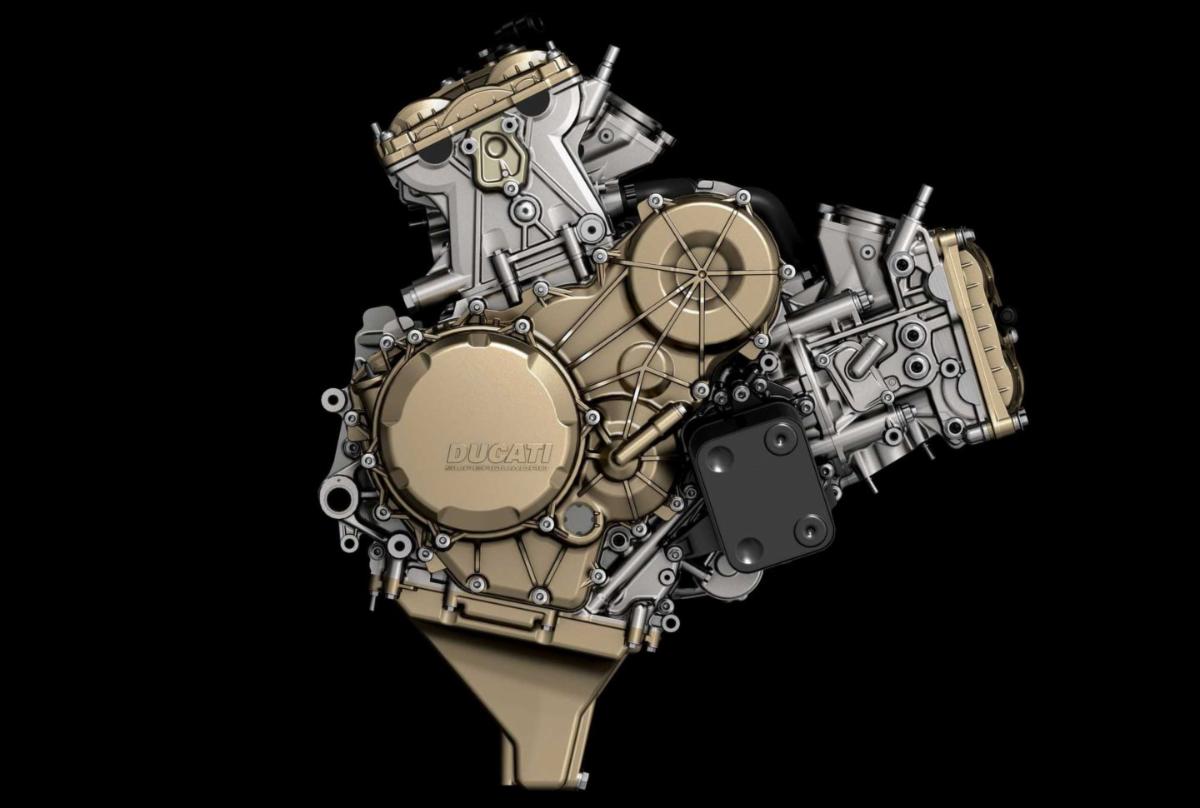
When motorcycle and aircraft pioneer Glen Curtiss needed more power than his home-built single-cylinder engines could provide, the next step was clear: He altered the original crankcase to accept a second cylinder and linked that cylinder’s connecting rod to the single’s existing rod. The result was a V-twin.
Because of Harley-Davidson’s longtime association with the layout, we may think of V-twins as an American innovation. But lots of V-twins were built in many places before US makers Curtiss, Indian, and Harley-Davidson built theirs. The first-ever such engine, a 20-degree V-twin built by Daimler in 1889, can be seen in the Deutsches Museum in Munich. It was the least expensive way of adding more displacement, not a contest to be first. Curtiss twins had a 50-degree cylinder angle, Indian favored 42 degrees for years, and Harley chose, and for over 100 years stuck with, 45 degrees.
The method of adding the second connecting rod varied. Harley and Indian placed the two rods in the same plane by attaching them to the single crankpin, fork-and-blade style. Curtiss added a boss to the big-end of the first or “master” rod and attached the link or “slave” rod to it with a pin. Vincent, and others, placed the two rods side-by-side on the single crankpin.
CLICK HERE FOR MORE INFORMATION
|