|
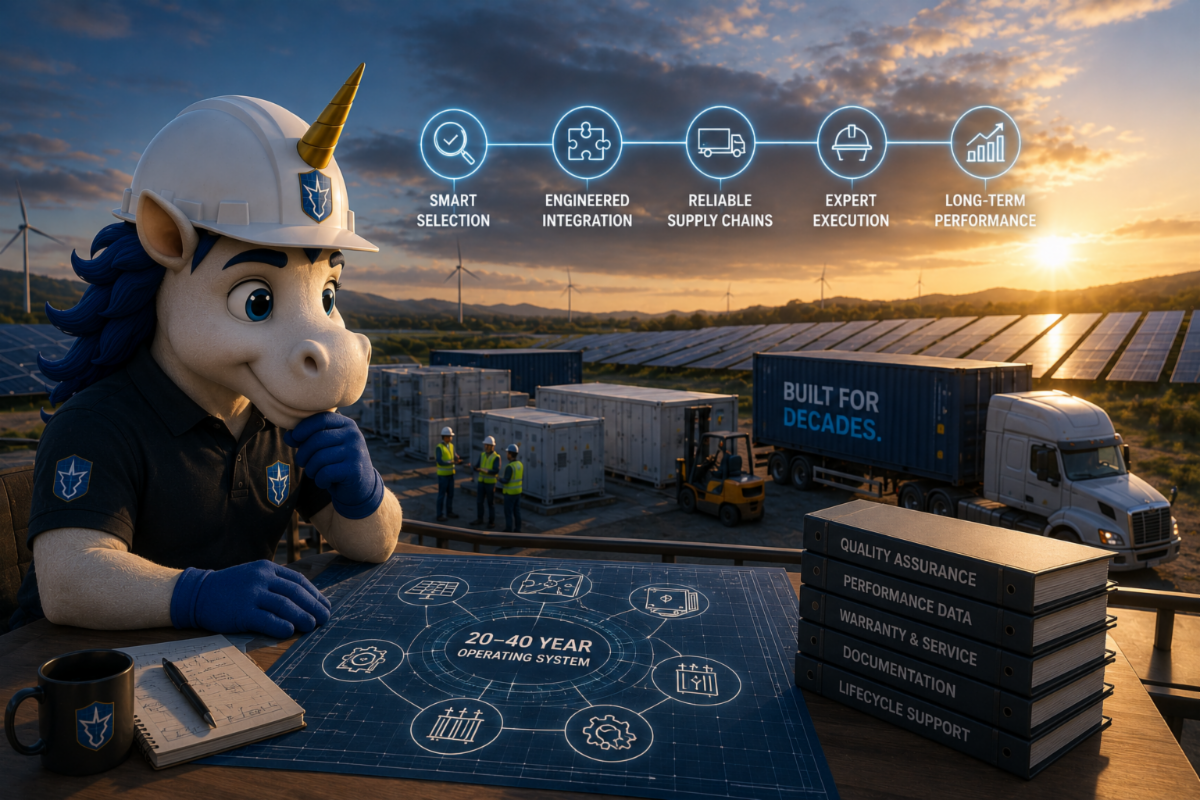
Commercial and utility buyers should treat energy equipment as a 20–40-year operating system—not a collection of low-bid components.
The central question is:
Which equipment combination delivers the lowest risk-adjusted cost of energy or capacity after accounting for performance, integration, downtime, replacement, financing, compliance, and end-of-life costs? At Unicorn Solar, we ensure the lowest risk option by auditing the factories before and during the manufacturing process. By reviewing the materials, you ensure the baseline of production is started correctly. Then confirm the quality of the manufacturing process and whether the production equipment receives regular maintenance and the employees are attentive, to mention a few of the important parts of the process.
EV charging stations
Fleet or public-use duty cycle; actual simultaneous demand; Level 2 versus DC-fast charging; connector and vehicle compatibility; managed charging; demand-charge exposure; uptime; payment-network and roaming fees; cellular costs; open protocols; cybersecurity; ADA and accessibility layout; cable management; cold- and hot-weather
performance; vandal resistance; parts support; utility make-ready work; transformer capacity; future bidirectional-charging needs.
Gas turbines
Net heat rate and output at the site’s temperature, altitude, humidity, fuel composition, degradation level, and part load; start time, ramp rate, minimum load, cycling penalties, water consumption, NOx/CO emissions, SCR and catalyst costs, fuel pressure and firm-transport requirements, black-start capability, outage intervals, borescope and major-overhaul costs, long-term service agreement terms, critical spares, and dispatch
economics against batteries and market prices. Treat future hydrogen capability claims cautiously unless performance, emissions, warranty, and fuel specifications are contractually guaranteed.
For U.S. gas-turbine projects, permitting must be part of equipment selection. EPA’s
current standards distinguish units by size, utilization, efficiency, fuel, and operating
condition, and impose specific NOx requirements on covered new, modified, or
reconstructed turbines. EPA stationary-combustion-turbine rule summary.
4. Investigate integration risk
Many failures occur at component interfaces rather than inside the equipment itself.
Confirm:
-
Module-to-racking clamp zones and load ratings
-
Module string voltage across the full temperature range
-
Inverter-to-transformer harmonic, grounding, and insulation compatibility
-
BESS inverter, battery-management system, EMS, SCADA, and fire-system integration
-
Transformer inrush and protection coordination
- Relay, meter, switchgear, utility-SCADA, and communications compatibility
- Charger-to-network, charger-to-vehicle, and charger-to-utility interoperability
- Gas-turbine, generator, controls, emissions system, gas supply, and plant-DCS interfaces
Assign contractual responsibility for every interface. Avoid gaps where each supplier
can claim another supplier caused the problem.
5. Make contracts measurable
Every major purchase agreement should address:
-
Exact product and controlled bill of materials
- Approved manufacturing facilities and subcontractors
- Notice and approval before design or component substitutions
-
Factory and site acceptance tests
- Production sampling and independent inspection rights
- Delivery milestones and delay damages
- Guaranteed output, efficiency, availability, degradation, noise, and emissions
- Clearly defined test conditions and correction factors
- Warranty response times and field-labor coverage
- Parent guarantee, letter of credit, bond, reserve, or insurance backing
- Spare-parts quantities and maximum replenishment times
- Software, firmware, data ownership, and continued system access
- Cybersecurity vulnerability notification and patch obligations
- Serial-number and supply-chain traceability
- Termination, step-in, assignment, and lender rights
- Recycling and end-of-life responsibilities
A long warranty from a weak supplier can be worth less than a shorter warranty backed
by a financially strong company with parts and technicians in the project’s region.
6. Score bids on risk-adjusted value
A useful evaluation weighting is:
- 25% lifecycle economics
- 20% technical performance and project fit
- 15% reliability and independently validated field history
- 15% supplier financial strength and service capability
- 10% delivery and supply-chain certainty
- 10% warranty and contractual protection
- 5% sustainability, recyclability, and end-of-life planning
The weighting should change by project. A remote utility plant may place more weight on serviceability and strategic spares; a constrained commercial site may prioritize footprint, noise, safety, and demand-charge control.
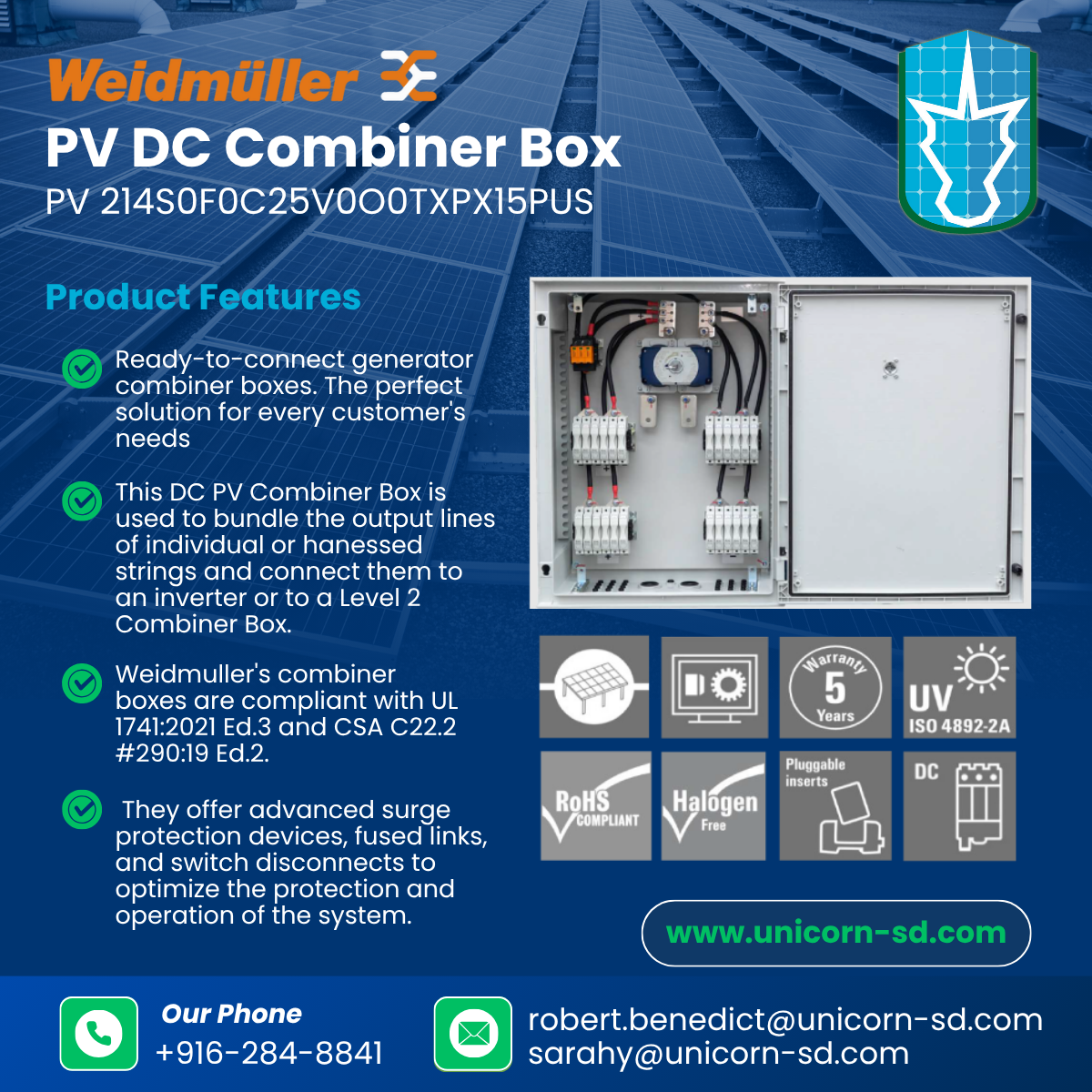
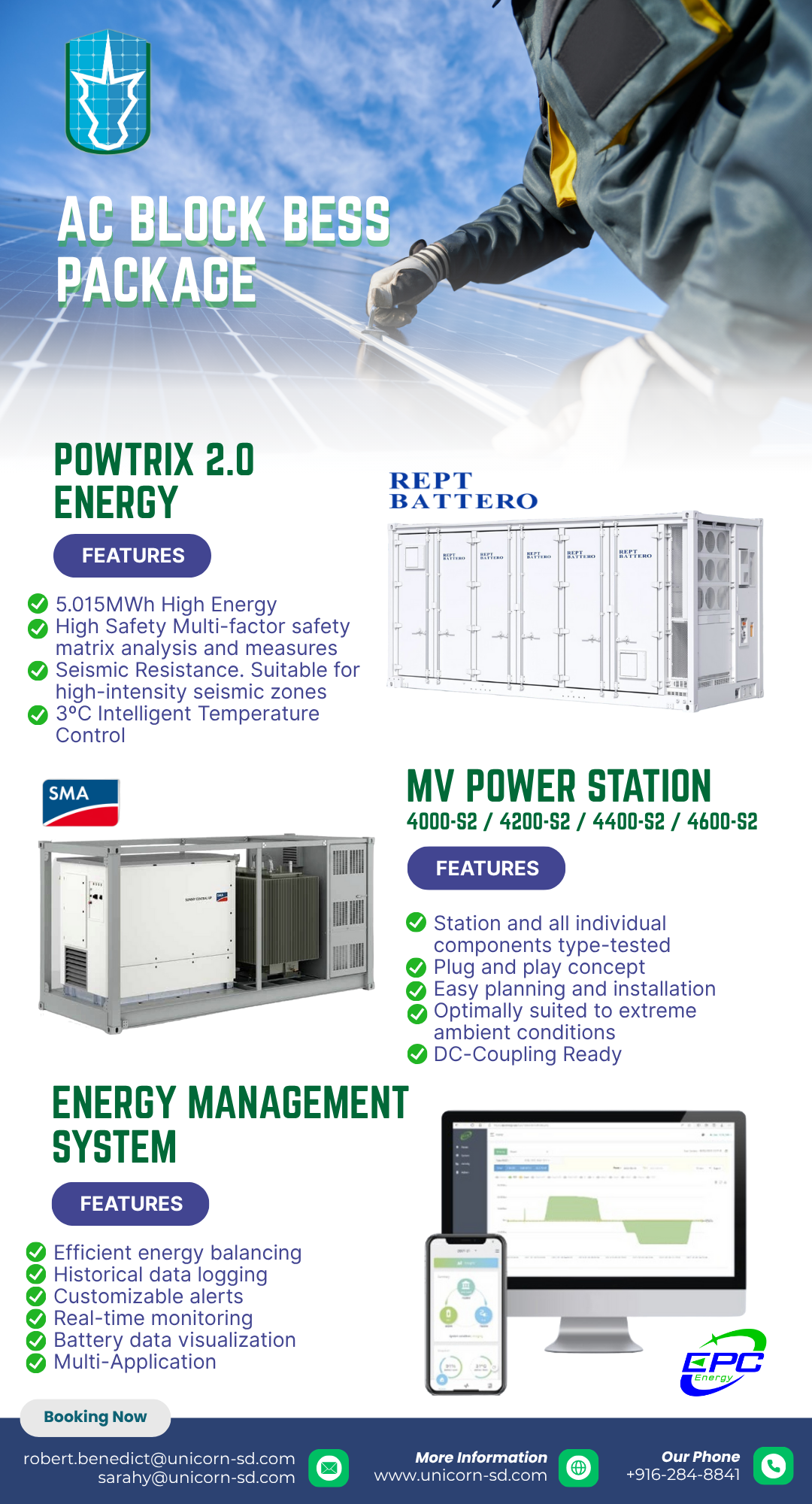
In part 1, we will discuss: starting with project requirements and their evaluation, total lifecycle economics, Equipment-specific diligence, and the primary purchasing considerations for PV modules, Inverters, Batteries/BESS, Racking & Trackers, Transformers, Switchboards and switchgear, and DC combiners.
Unicorn Solar understands that the strongest buyers standardize this process into an approved-vendor list, technical specification, interface matrix, bid-comparison model, factory-audit protocol, and lifecycle risk register. That makes purchasing repeatable and prevents a low initial price from becoming an expensive operating problem.
.…by Robert Benedict
Unicorn Solar is watching, studying, and working with companies innovating within the solar and decarbonization space. Please reach out to us, and we can work together to build a more efficient energy world.
If you have any questions or would like to work with a team of professionals who can help you achieve your success, please don't hesitate to contact Robert, Karlita, Sebastian, or Jayde for more information. Also, if you have supply-related questions, please contact Sarahy. For BESS, inverter, and transformer questions, please reach out to George or Sebastian.
|