|
How to Protect Horses From Respiratory Disease
Vaccination, biosecurity, and sound barn management practices reduce the risk of equine respiratory disease and support faster recovery.
Are there specific vaccinations or preventive measures that protect horses from common respiratory problems?
For the more common infectious causes of respiratory disease in horses, such as strangles (secondary to Streptococcus equi subspecies equi bacteria exposure), influenza virus, rhinitis virus, and herpesvirus (EHV-1 /EHV-4), there are commercially available vaccines veterinarians administer semi- or biannually as part of a horse’s core vaccinations. These vaccines will not completely eradicate the risk of a horse getting infected and sick from the respiratory disease completely but will help prime their immune system to mount a response if exposure occurs.
Most well-vaccinated horses have a shorter period of passive shedding into their environment and overall can recover quicker when compared to those animals that have not been vaccinated. Timing of vaccination is key, especially for horses that will be traveling because, ideally, they schedule prophylactic (preventive) vaccinations for respiratory diseases weeks prior to the anticipated shipping time. Long travel distances, coupled with the stress of transport, can weaken the healthiest of immune systems, increasing the risk of secondary contracture of an illness when exposed to another horse or horses shedding virus or bacteria into the shared environment.
Environmental Management and Equine Respiratory Disease
Another mainstay of prevention centers around environmental management and strict biosecurity measures for new horses or horses that have been traveling long distances. At facilities housing multiple horses, prioritize good ventilation year-round to prevent stagnant air, which can trap airway-irritating allergens or infectious agents (pathogens) and contribute to asthma, viral disease, or secondary bacterial pneumonia. Also consider utilizing methods to improve air quality: using low-dust bedding, storing hay and bedding away from where horses are stabled, cleaning and disinfecting stalls and common areas, and steaming or soaking hay to reduce the overall allergen load.
Biosecurity to Prevent Equine Respiratory Disease
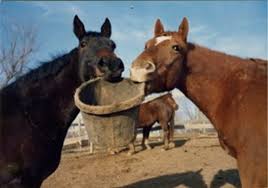
Implement a strict biosecurity protocol for new and returning horses as a main method to prevent exposure to and spread of infectious respiratory disease. Isolate such horses away from the general population for a period of two to three weeks, preventing nose-to-nose contact and monitoring for development of fever, nasal discharge, or cough in any animals to prevent viral or bacterial spread. Additionally, wash hands between animals and using separate mucking supplies to help prevent environmental contamination.
Dr.Garfinkel always recommend immediate veterinary care and consultation in any event of suspected exposure or outbreak because they are trained to diagnose, treat, and prevent most disease outbreaks in horses.
Take-Home Message
Preventing respiratory disease in horses demands a layered approach. Core vaccines against strangles, influenza, rhinitis virus, and EHV reduce illness severity, especially when timed appropriately ahead of travel. Management practices such as good ventilation, low-dust bedding, and soaking hay protect horses’ airways, while strict biosecurity—isolating new or returning horses and preventing nose-to-nose contact—helps stop contagious spread. Combining vaccination, smart stable practices, and vigilant monitoring gives horses the best chance to stay healthy and perform their best.
|