|
Black filmmakers and African Odysseys history @BFI
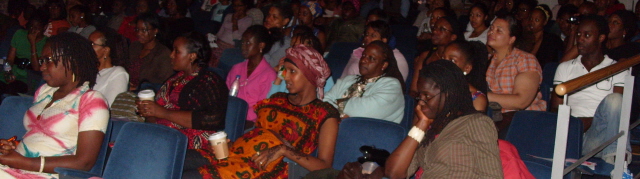
Apart from bringing tens of thousands of Black people to the BFI over the last 18 years, African Odysseys provided monthly access to three screens for producers of African diaspora content. There is no programme like it in the country. It is the most successful Black film programme the BFI has ever had. No other programme regularly fills up their flagship 450 seat cinema at 2pm on a Saturday.
This was not happening at the BFI before David Somerset started work there in 2007. There were several grassroots film exhibitors like; Screen Nation, Black Filmmaker Magazine, 100 Black Men, Kush Films, Images of Black Women Film festival etc who were showing films all over London but not at a single, dedicated space with the vast public resources of the BFI.
In the early 2000s the BFI was known as a white. middle-class enclave hostile to Black films and Black audiences, African Odysseys changed that and began to premiere Menelik Shabbaz films at the BFI Southbank whereas before he had been rejected numerous times despite his awards.
Even in 2017 the BFI senior management refused to show Ryan Coogler's film Black Panther. The BFI were twice approached by the African Odysseys Steering Committee to host the first Black Panther in their 450 seater. The BFI refused twice.
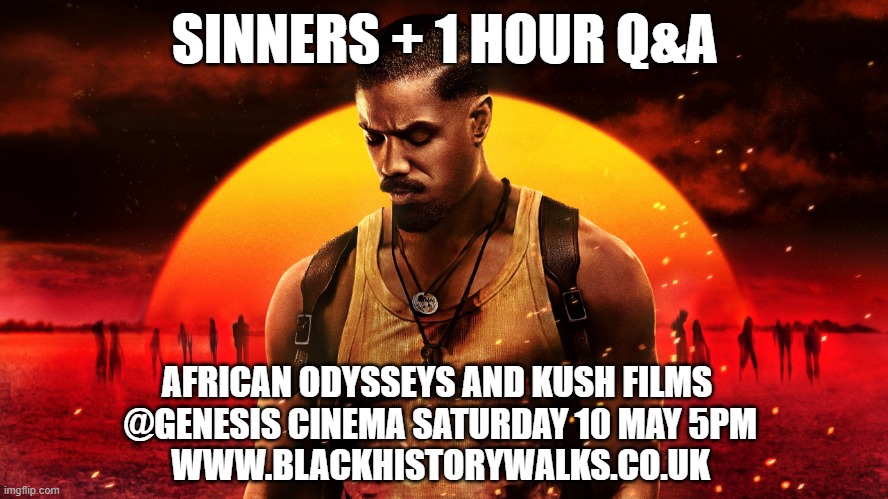
Stunned by the rejection, especially after 13 years of selling out the venue, the Steering Committee took Black Panther to Genesis cinema (which has a 550 seat cinema) and in February 2018 sold over 2000 tickets and hosted three Q&A sessions HERE African Odysseys believed in the film, put their money where their mouth was and were the first body to have tickets on sale.
Once the first two screenings sold out in advance .The BFI then changed their minds about showing Black Panther but paid an outside agency to present it. Ryan Coogler did a short introduction but none of the Steering Committee; who championed his art, whose idea it was, who had been working for free for 13 years, and who had brought a massive new Black audience to the BFI, were invited to the event. They did not get to meet Coogler whereas others did.
That BFI decision led to the first letter of complaint about poor treatment, discrimination and 17 years of exclusion from BFI Sight and Sound magazine being sent to BFI CEO Ben Roberts in 2020 .He did not reply for three months.
Therefore the present racism scandal @BFI goes back at least to 2017. As the BFI has now launched in America HERE (the day after Stephen Lawrence Day )and with anniversary of George Floyd approaching how will African Americans react to the BFI's treatment of local Black People
|