- State Legislature Roundup
- Washington Update & Outlook
- Cinnaire Advocacy in Action
- Report on State of the Nation's Housing
- News and Links
| |
State Legislature Roundup | |
|
Michigan
Both chambers of the Michigan legislature have passed budget legislation and are negotiating to finalize the budget before the July 1st deadline.
Cinnaire is advocating for a $3 million appropriation in the budget for opioid recovery housing to support the second phase of Andy’s Place. We are also advocating for an additional round of funding for the MI CDFI Fund, which provides grants to CDFIs in the state. The Senate passed budget includes $9 million for the program. Cinnaire and our partners at the Michigan CDFI Coalition are advocating to increase the funding to $20 million.
The chambers both included $150 million for housing development in their respective budgets but differed in how the funds could be used. If the Senate version prevails, funds would be available for downpayment assistance, weatherization grants, housing stabilization grants, homeowner repair and more. Lawmakers in both chambers continue to negotiate a proposal to reform the state’s corporate subsidies for economic development and pairing it with transit, community development and housing funds.
The legislature recently approved SB 417 to improve MSHDA's pass-through bond program and will be sending it to the Governor for approval. Cinnaire advocated for its passage as it was being considered. Currently, Michigan is the only state to require credit enhancement for all-tax exempt multifamily private activity bonds. SB 417 would allow private-placement bond structures and increase the maximum allowed outstanding balance per developer. The legislation may increase the number of housing developments approved under MSHDA's bonding authority.
| |
|
Illinois
Since 2021, Illinois has allocated $225 million in American Rescue Plan Act (ARPA) funds to support the development of affordable housing. Cinnaire and members of the Illinois Housing Council have advocated for a state housing tax credit to provide a stable funding source as federal ARPA resources wind down. The Illinois legislature approved the state budget in May and unfortunately did not include the proposed state housing tax credit. The budget included a $90 million increase for the Home Illinois program to address homelessness. The bulk of the increase will go towards court-based rental assistance. The legislature also increased the HFAs bonding authority.
| |
|
Delaware
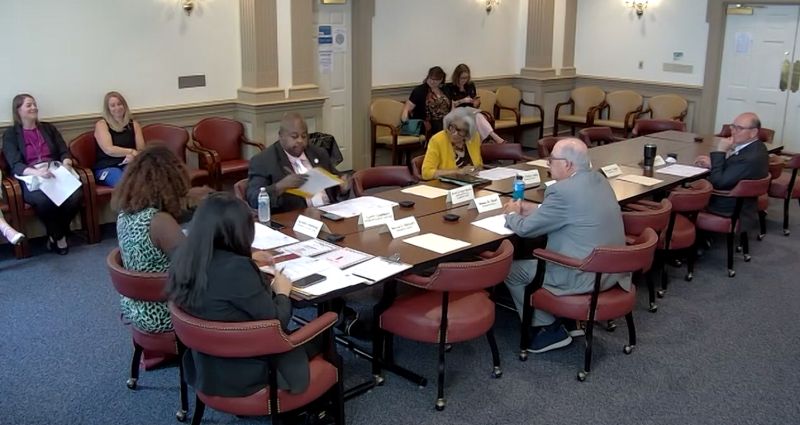
The Delaware General Assembly's House Housing Committee held a hearing on HB 442 to create an Affordable Housing Task Force. Cinnaire was proud to join the Delaware Affordable Housing Coalition in strong support of this legislation, which will help meet our State’s unmet demand for affordable housing opportunities. Cinnaire’s Dionna Sargent provided comment during the hearing and Chris Neary submitted a public comment letter.
| |
|
Pennsylvania
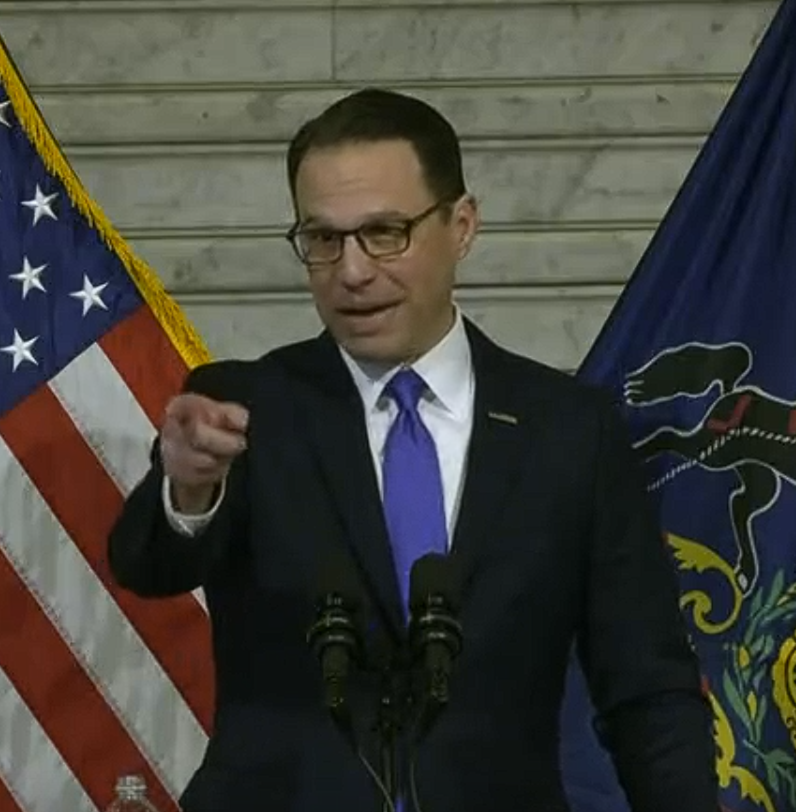
Governor Josh Shapiro has proposed a historic investment in housing by asking the General Assembly to allocate an additional $10 million to the Pennsylvania Housing Affordability and Rehabilitation Enhancement Program (PHARE) in the fiscal year budget. PHARE has been a proven and successful resource to support rental and owner-occupied housing throughout the commonwealth. Cinnaire recently closed a loan for Rising Tide East Hills in Pittsburgh which benefited from a flexible grant from the PHARE program. Cinnaire and members of the Pennsylvania Developer’s Council are advocating for state lawmakers to adopt the Governor’s budget recommendation to ensure affordable housing continues to have access to flexible resources as ARPA dollars wind down.
| |
|
Indiana
Cinnaire joined nearly 500 organizations and individuals urging Governor Holcomb to establish a commission on housing safety, stability, and affordability. The letter was supported by a broad cross section of stakeholders including housing providers, developers, investors, homelessness prevention specialists, community service organizations, churches and faith-based groups, and individual Hoosiers. Commissions like the Commission on Improving the Status of Children have been successful in driving policy solutions.
| |
|
|
Treasury Secretary Yellen Announces Biden Administration Actions on Housing, including new CDFI Fund program and CMF Reforms
On Monday, U.S. Treasury Secretary Janet Yellen announced several steps the Biden Administration is taking to boost housing supply, including the creation of a new $100 million program for CDFIs to boost affordable housing and reforms to the Capital Magnet Fund (CMF) program. Treasury also called on Federal Home Loan Banks to increase their spending on housing programs and published a new how-to guide for states and local governments to use recovery funding for housing.
The announcement can be found here. We will be on the lookout for additional details.
| |
|
Bipartisan Tax Package Remains Stalled in the Senate
The bipartisan tax package that included major new resources for the Low-Income Housing Tax Credit (LIHTC) program isn't dead, but the window for enactment is closing as the election inches closer. The measure remains stalled in the Senate. It is possible that Senate Majority Leader Chuck Schumer (D-NY) will put the $78 billion package on the Senate floor for a vote at some point in July, but it remains unclear whether there would be enough Republican support for the bill to clear that chamber. Key Senate Republicans, including Senate Finance Committee Ranking Member Mike Crapo (R-ID), have not backed down from their opposition, which centers around enhancements to the Child Tax Credit.
| |
|
Post-Election Federal Fiscal Deadlines Loom
After the election this November, Congress will begin to face major fiscal milestones that will dominate the agenda in 2025, including enacting legislation to continue funding the government and once again raising the debt ceiling. Congress and the winner of the presidential election will also need to grapple with the looming expiration of significant portions of President Trump’s 2017 tax law at the end of 2025. Congress must act in some way by the end of 2025 – even if merely by passing an extension – to avoid significant tax hikes on a majority of Americans.
But doing so would be very costly. The Congressional Budget Office (CBO) has estimated that extending tax breaks for individuals would cost $3.3 trillion, while fully extending the entirety of the Tax Cuts and Jobs Act (TCJA) could add $4.6 trillion to the debt. By comparison, the original TCJA was estimated to cost around $1.5 trillion.
Both Democrats and Republicans have signaled they want to extend major portions of the TCJA, but they disagree on how to do so. Broadly speaking, President Biden and Congressional Democrats want to extend tax cuts for families making less than $400,000 per year. They also plan to increase the corporate tax rate and taxes on the wealthy to help offset the cost and reduce the impact on the deficit. Former President Trump has indicated his desire to lower the corporate rate even further (to 20%) and eliminate taxes on tipped income.
It is too early to tell what a package might look like, as the election will determine who controls the levers of power in Washington and the different parties' approaches. Tonight's presidential debate could feature a discussion on taxes, with both candidates making their pitch.
That said, work is already underway in Washington in preparation for next year, when they would want to move quickly if there is a Republican sweep. House Ways & Means Committee Chairman Jason Smith (R-MO) has formed “tax teams” focused on different areas, including community development.
For the affordable housing and community development industries, the 2025 tax debate will be both an opportunity to advocate for expansion of successful tax credit programs while also ensuring that these programs are not on the chopping block, considering the significant budget constraints.
| |
|
Appropriations Update
Meanwhile, Congress has started its work on annual spending bills to fund federal agencies for the upcoming fiscal year. The House Appropriations Committee, led by Republicans, has begun to mark up its funding proposals, which once again would impose major cuts to domestic spending. Those proposed cuts – including significant decreases in funding for HUD and USDA programs – are dead on arrival in the Democratically controlled Senate and White House.
Final action isn't expected until the lame duck session this November. Congress will likely need to pass a Continuing Resolution before funding expires on September 30th. Like the tax debate, the outcome of the election will dictate the terms of the lame duck engagement.
| |
|
HUD Published Proposed Rule to Update the HOME Program
In May, the Department of Housing and Urban Development (HUD) announced the release of a proposed rule which would make revisions and updates to requirements for the HOME Investment Partnerships program. Key changes to the HOME proposed rule as outlined by HUD would expand access to community housing development organization set-aside funds by neighborhood-based nonprofit organizations, clarify homeownership requirements to improve compliance and improve program outcomes for homebuyers, better align HOME rental housing with other federal rental assistance programs, simplify requirements applicable to small rental housing projects, and more.
HUD is hosting virtual public listening sessions beginning on June 12 to provide opportunities for stakeholders to learn more about and provide comments on the program's changes. See the list of listening sessions and register to attend here. Read the full notice of proposed changes here and see the fact sheet on the proposal here.
If you have questions or comments, please contact Chris Neary.
| |
Cinnaire Advocacy in Action | |
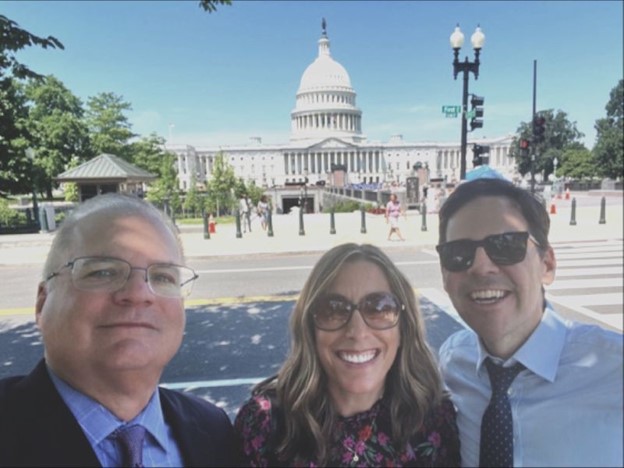
In May, Chris Neary joined Stacy Kaplowitz (Lincoln Avenue Communities) and David Gasson (Housing Advisory Group) to advocate for the Affordable Housing Credit Improvement Act in Washington as part of the Affordable Housing Tax Credit Coalition/Housing Advisory Group affordable housing symposium. | |
| |
|
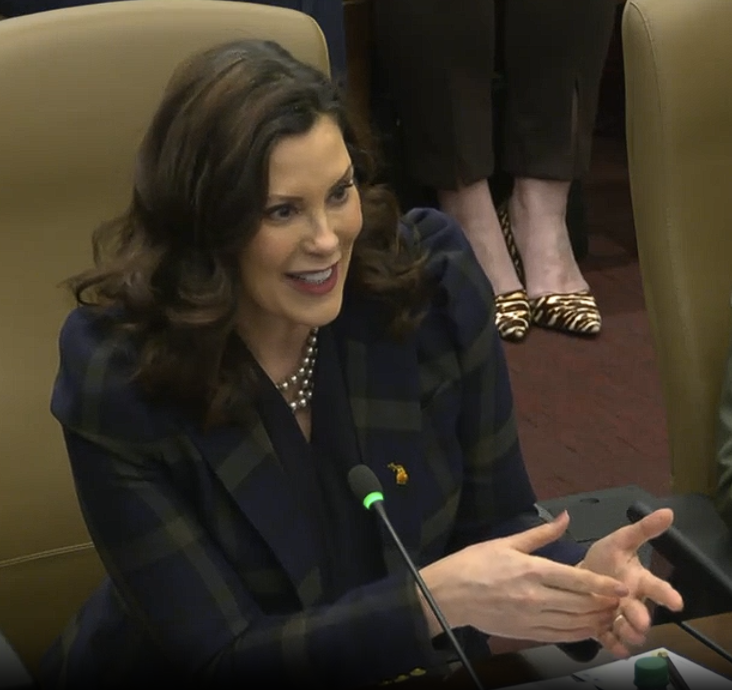
The Detroit Regional Chamber convened the Mackinac Policy Conference last week. Lucius Vassar and J.T. Mackey were pleased to join Gov. Whitmer and MSHDA Executive Director Amy Hovey and other stakeholders as they announced progress being made to achieve the goals of Michigan's statewide housing plan. | |
Governor Whitmer announced the initial goal to build 75,000 units by 2026 is increasing to 115,000 units and Michigan will invest federal funds to make affordable housing more energy efficient, lowering monthly energy costs for families. Elsewhere at the conference, Governor Whitmer delivered a policy address on innovation where she named Ben Marchionna as the state's first Chief Innovation Ecosystems Officer, established a shark-tank style competition called "PitchMI" focused on roads and transportation, and signed an executive order to make state technology, equipment and facilities more available to entrepreneurs. Detroit Mayor Mike Duggan focused his address to call for more mental health resources and highlighted the Detroit Police Department's new mental health division. | | |
|
|
Educating the Indiana and Illinois Congressional Delegations on Cinnaire's Work
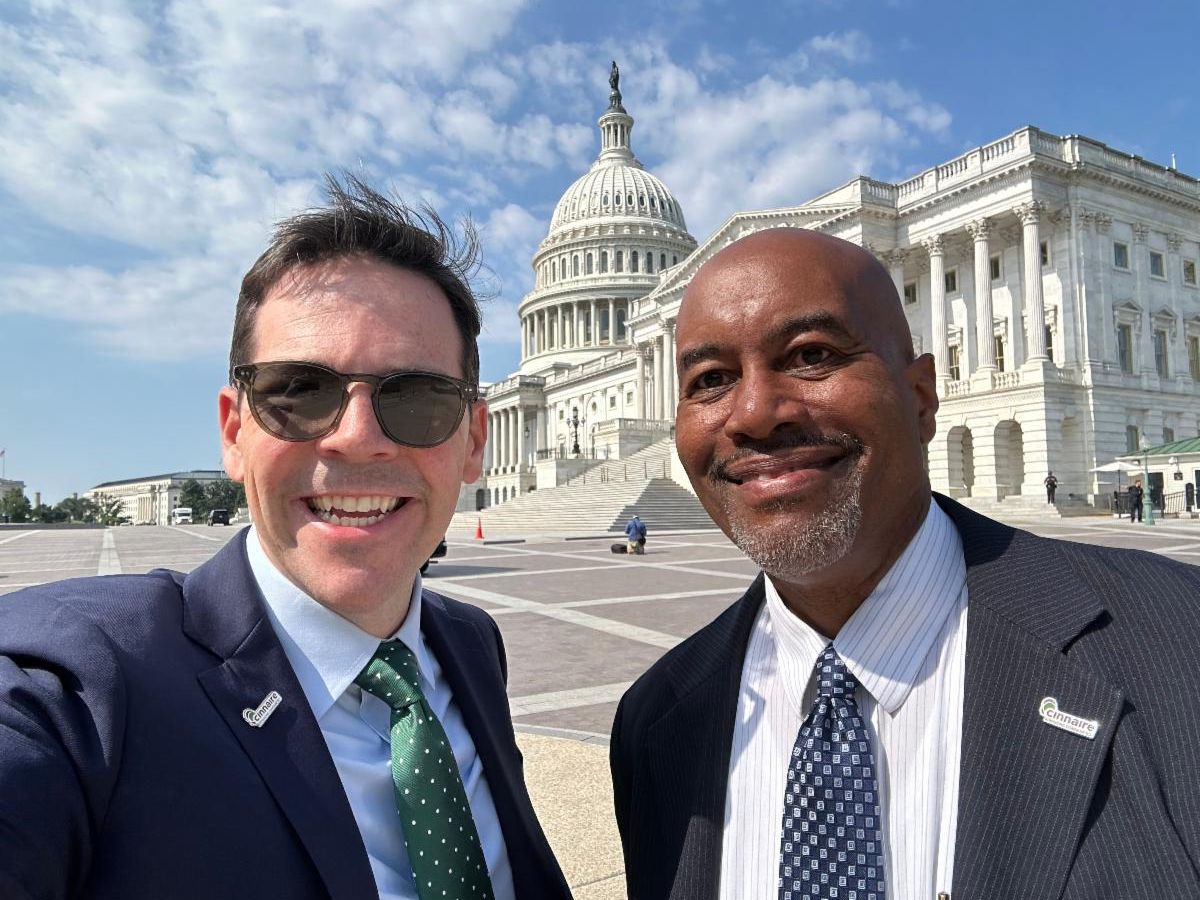
Keith Broadnax joined Chris Neary in Washington last week to educate the Indiana and Illinois Congressional delegations about Cinnaire's work and the value of the Low-Income Housing Tax Credit, New Markets Tax Credit, CDFI Fund, and other programs. Ketih's passion for Cinnaire and our communities shined in Washington!
| | |
Report on State of Nation's Housing | |
|
The Joint Center for Housing Studies released their annual report titled "The State of the Nation's Housing 2024." The report captures the many challenges facing renters, homeowners, and homeless individuals across the country. Some of the key findings of the report include:
- Costs for homeowners and renters continue to rise
- Homeownership is out of reach for many first-time homeowners
- Racial disparities in homeownership persist
- Cost burdens for renters and homeowners have reached new records
- Supply of multifamily housing is outpacing demand
- Low inventory of homes for sale is driving new home construction
- Homelessness is at its highest level
View the underlying analysis, data, and interactive maps here.
| |
Want to Stay Up-To-Date? Subscribe Here | |
Are you interested in regularly receiving policy updates? Click here to subscribe to stay up-to-date on the latest policy discussions in Washington.
Share Policy Pulse on social media
| | | | |