Summer 2025

View as Webpage

MSU community science initiative receives seed grant funding - and you can participate!


Five Montana State University projects that are collaborating with organizations across the state will receive seed grant funding this year from MSU’s Outreach and Engagement Council. 


The selected projects are designed to promote community outreach and address Montana residents’ needs. The council has awarded a total of $288,000 in seed grants since the grant program began in 2015. 


One of the 2025-26 funded projects is: Studying Salmonfly Hatches in Western Rivers Using Novel Sampling Methods and River Guides: A Community Science Initiative


Lindsey Albertson, associate professor in MSU’s Department of Ecology is the primary project coordinator, partnering with the  Madison River Foundation. 

The project will develop a biomonitoring program to help guides, local businesses and nonprofits measure the timing and size of salmonfly hatches — the transition from larval to adult stages — in Rocky Mountain rivers. Salmonflies, which are declining in population, are aquatic insects that provide food for predators and transport nutrients from water to land. 


Learn more about the Freshwater Ecosystem Research Fund and/or sign up to receive email info about volunteer opportunities for field work in the Bozeman area.

Spring Citizen Science Events Recap

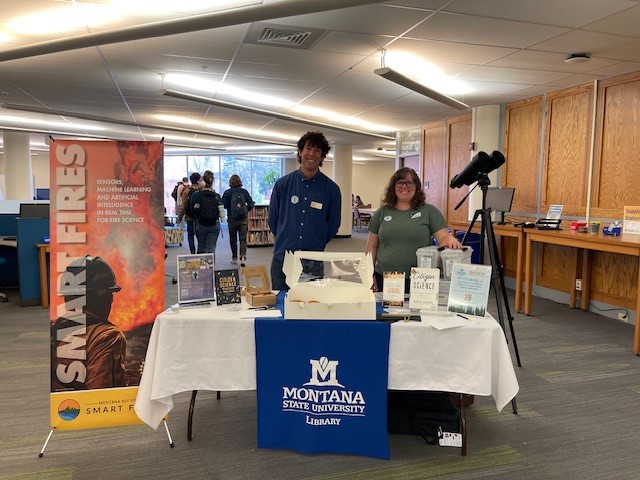
On April 22, the Montana NSF EPSCoR SMART FIRES project teamed up with the MSU Library to host a citizen science table on Earth Day. More than 100 people stopped by to learn more - most of whom said they were previously unfamiliar with citizen science.


Visitors learned about the four citizen science kits that are available for checkout from the MSU Library as well as its Celestial (Astronomy) Binoculars, also available for checkout as part of the library's citizen science equipment library.


Visitors also learned about the SMART FIRES project and its goal to develop a statewide citizen science project.


See some of the questions that were asked (and answered) at the booth below.

The Science Math Resource Center was selected by SciStarter as one of 8 sites across the country to host a special citizen science-themed event to honor the 75th anniversary of the National Science Foundation.


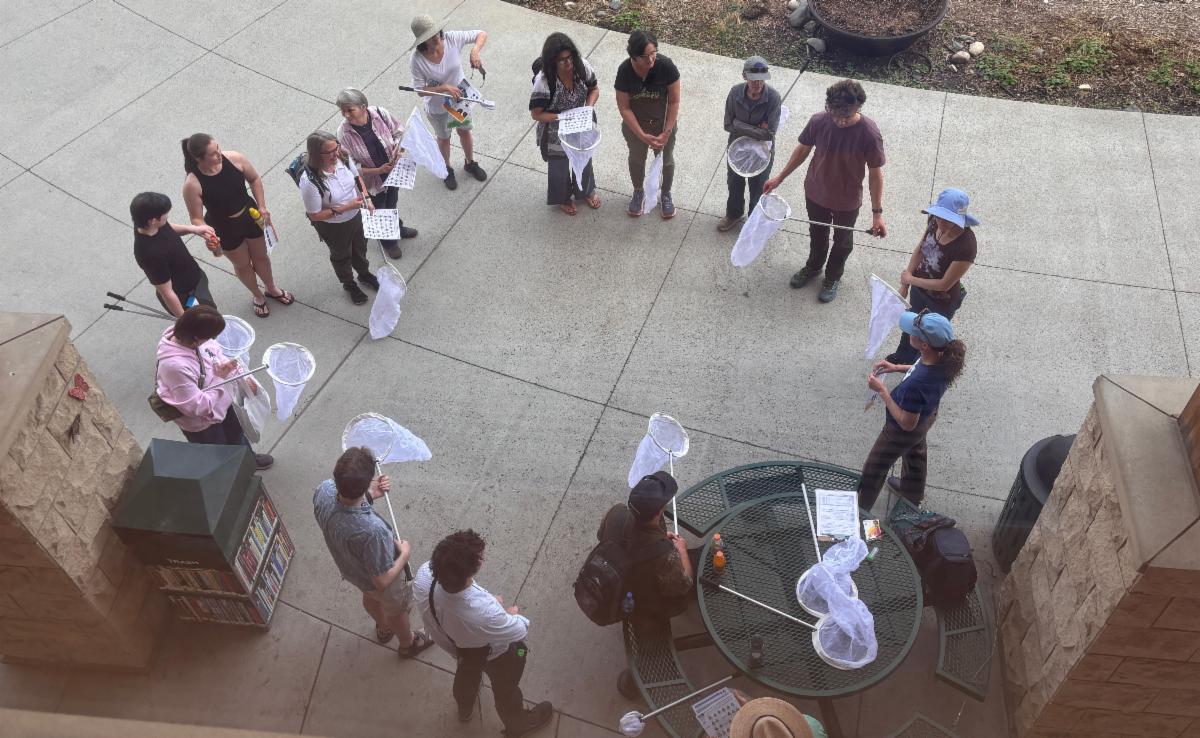
In a May 10 event at the Bozeman Public Library called Plants & Pollinators Palooza, organizers from SMRC and Montana NSF EPSCoR highlighted local citizen science projects the Xerces Society's Bumble Bee Atlas and the Montana Native Plant Society's Citizen Botany programs. The training sought to educate participants about citizen science opportunities available in Montana and give them the materials and trainings needed to participate.


Participants also learned how to become more involved in citizen science through SciStarter and the NSF-supported Science Near Me.

Citizen Science FAQs

At the MSU Library event (see above), visitors posed some excellent questions about citizen science. Here are answer to just a few (more to come in future issues). Many thanks to Emma Giles of SciStarter; SciStarter Amabassador Laurie Solch, and the entire Ambassador community for help with the answers.


What career fields are included in citizen science?

Citizen science covers a wide range of fields, from astronomy to medicine to biology to social science and beyond. To be a participant, there are no restrictions. To be a project leader, you need to be curious about something and be able to organize a way for the public to collect data. “community science” can be 100% driven from the community, no scientist necessary for most of the project. “Citizen science” makes somewhat of an assumption that there is active research being done by career scientists, but really there is no restriction.


How do you make sure the data is reliable?

Standard protocols, training, power of the crowd, and validation practices all help ensure the data coming through is accurate. Most projects communicate how they validate data to ensure the data is scientifically viable.


How can citizen science be useful for grad student research?

Citizen science can be very useful for graduate student research!


This eBird article from 2020 is a quintessential example of how a graduate student used citizen science data for their research.


Many students in Montana State University's Master of Science in Science Education (MSSE) have studied citizen science and/or used citizen science data in their theses, such as our former colleague (and Citizen Science newsletter editor) Julia Wente: Analyzing trends in the Hawaiian humpback whale population using citizen science


and Jessica Myron, a graduate teaching assistant for a calculus-based physics class: Citizen science project impact on students' motivation, attitude and self efficacy in their chosen career


Watch for more answers to Frequently Asked Questions about citizen science in our next issue.

Become a SciStarter Ambassador!

The SciStarter Ambassador Program is a volunteer training program designed for individuals from diverse backgrounds and experience levels who want to introduce SciStarter and citizen science to people in their communities. As libraries and community-based organizations are increasingly becoming community hubs for citizen science, they need additional volunteer support to maximize and sustain interest among the public. The SciStarter Ambassador Program aims to address this gap by providing volunteers with the knowledge, skills, experiences, and professionally designed resources essential for cultivating and supporting citizen science initiatives within their communities.


Learn more about becoming an ambassador

Citizen Science at the STEM Summer Institute


The Montana STEM Summer Institute is Montana's premier summer conference for STEM educators. Hosted each year on the Montana State University campus, the event brings together inspiring keynote speakers, teacher-led workshops, engaging exhibitors and lots of time to network and socialize with fellow STEM enthusiasts.


This year's event features several opportunities to learn about citizen science, including at the Montana NSF EPSCoR "SMART FIRES" exhibit booth and in a session led by Christina Buffington of the GLOBE Implementation Office called Fire Risk from Space and at your Place: GLOBE Data and Monitoring Tools for Montana Youth. To learn more about and register for the STEM Summer Institute, visit https://www.mt-schools.org/stem-summer-institute.html


NOTE: A few limited travel scholarship funds remain. Apply NOW!!

Montana-based citizen science project debuts on Zooniverse

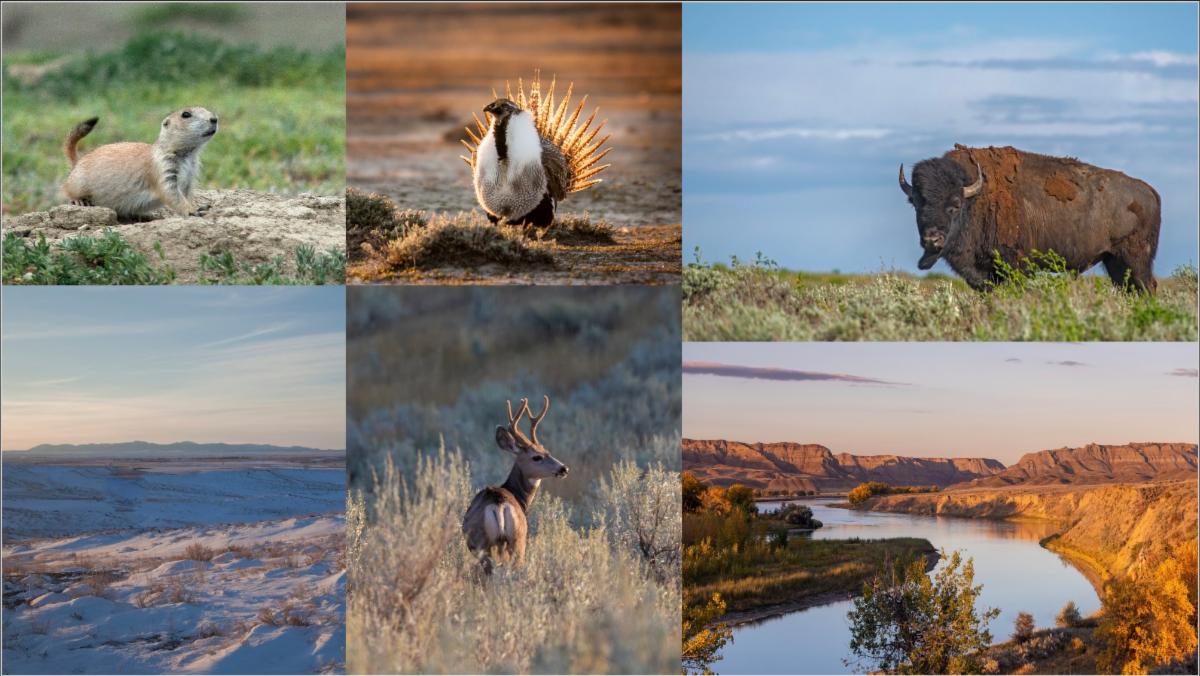
American Prairie's innovative Cameras for Conservation project uses dozens of remote wildlife cameras to gather data that supports conservation efforts and also provides rewards to local ranchers for wildlife presence on their land.


Now, Zooniverse users have helped American Prairie identify wildlife and support conservation on Montana's Great Plains. Monitoring iconic animals like grizzly bears, wolves, and badgers across the vast American Prairie is crucial for conservation but can be a challenge. Better data are needed on how wildlife uses this incredible landscape, which includes vital private lands managed alongside the reserve.


The classifications help monitor populations, understand habitat use, and shape conservation strategies for this wild heart of America, directly supporting both wildlife research and this collaborative landowner partnership.


Try the project today

Read about 50 years of citizen science in Montana

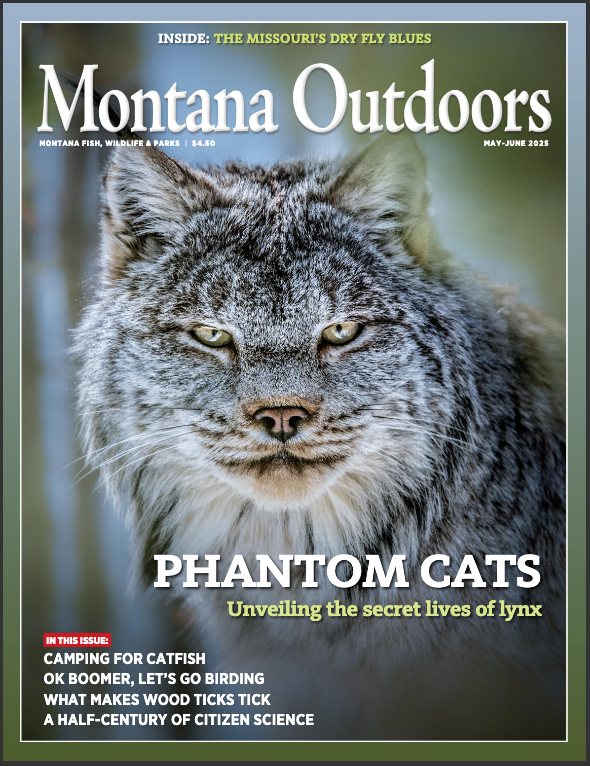
Montana Outdoors is the official magazine of Montana Fish, Wildlife & Parks, chronicling the Treasure State’s diverse wildlife, fisheries, and outdoor recreation. Published bimonthly, it features expert articles, stunning photography, and updates on conservation efforts across Montana’s majestic mountains, rivers, and prairies. 

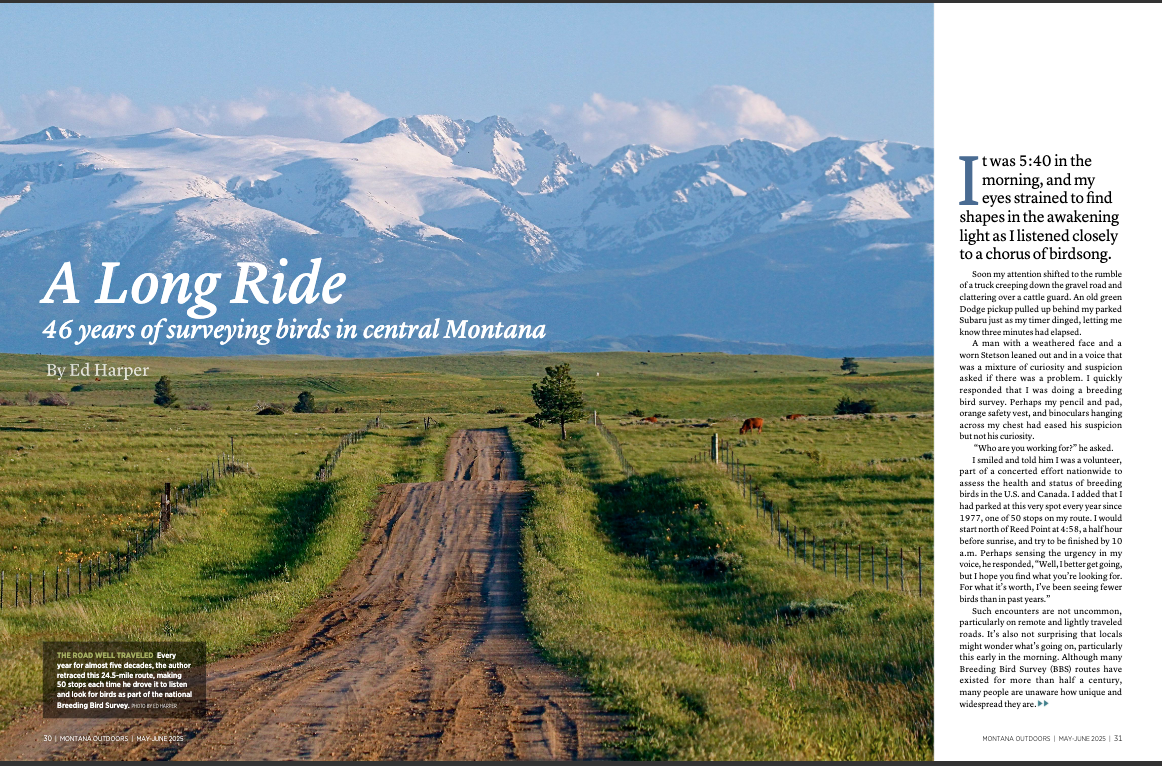
The May/June 2025 issue which is available online for free, features an article by Ed Harper called 46 Years of Surveying Birds in central Montana.


Harper chronicles his journey, as every year since 1977 he has participated in the North American Breeding Bird Survey (BBS), logging the presence of birds at 50 points, a half-mile apart, along the same route every year. Montana has 107 routes that are overseen by Beth Madden, a retired wildlife biologist with U.S. Fish & Wildlife Service.


To read Harper's article and see charts on a specific Montana bird, the vesper sparrow, see the May/June issue online. Learn more about BBS at www.pwrc.usgs.gov/BBS

Montana FWP ramps up bat research in southeast Montana with help from public


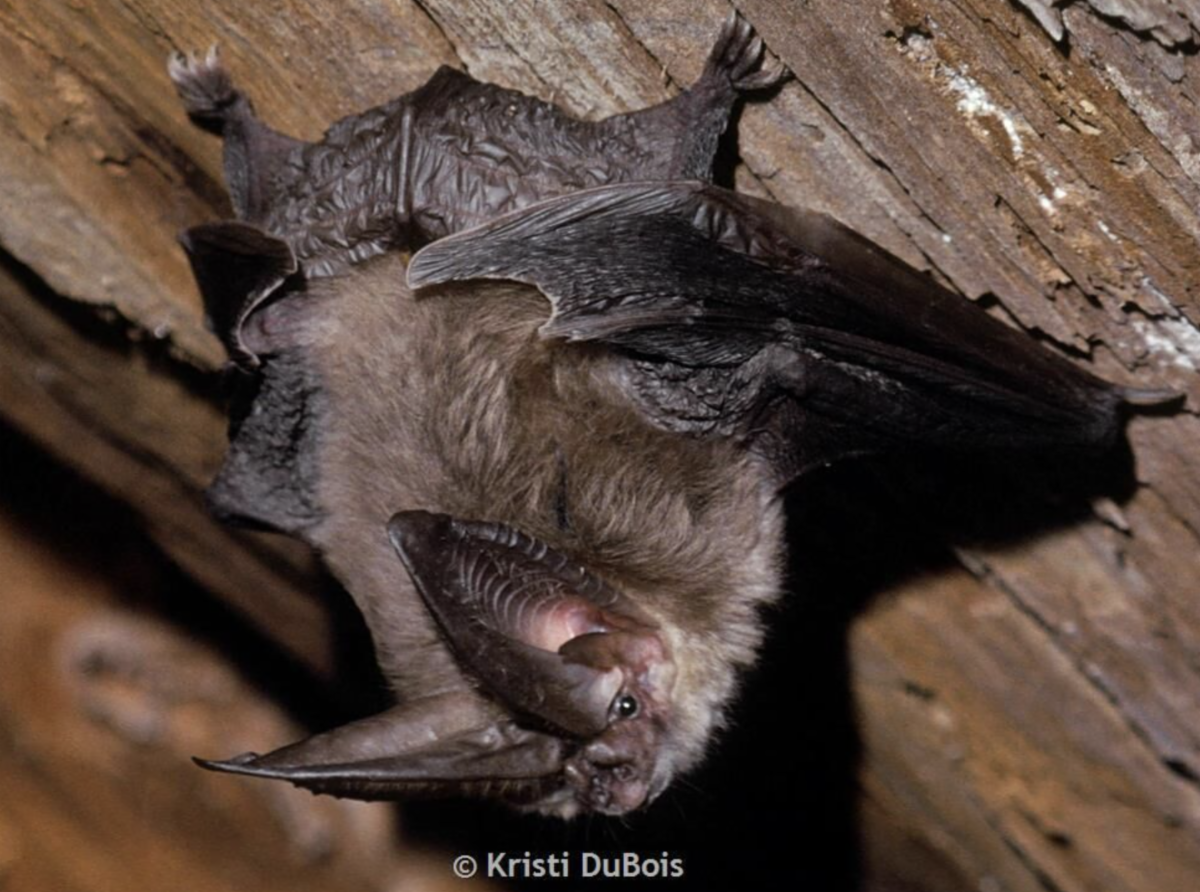
It’s spring in southeast Montana. Bats have emerged from their winter hibernacula, and nongame biologists have emerged from their offices to study said bats.


FWP Region 7’s nongame biology staff have been busy lately, spending a week mist-netting for bats around the region to detect signs of white-nose syndrome. This syndrome, detected in Montana bats in 2021, is caused by a cold-weather fungus that causes bats to awaken early and starve from lack of food sources. During mist-netting, biologists capture bats over waterways in very fine nets to determine species, take measurements, log reproductive status and check for the fungus that causes WNS.


Nongame biologists are also preparing to conduct emergence counts at various known roost sites around the region. Some of these sites are on public lands where bat boxes have been erected for this purpose, while other sites are at private residences where owners have volunteered to help monitor these flying mammals. Residents will allow FWP staff to come out and monitor bat activity at their outbuildings or other structures, and some plan to help observe the counts.


It's a rare, fun opportunity for people to assist FWP through citizen science.


Bats won’t just congregate anywhere, according to FWP nongame biologist Amanda Hall, even if you put up a bat house for them.


“Bats are very selective in terms of what is a suitable bat box or roost site,” Hall said. “You have to consider temperature, disturbances, proximity to water, etc., but we really don’t know in eastern Montana what their preferences are.”


That’s one reason why Hall sought help from the public to locate some sites around the region that offer suitable bat habitat. The hope is to track bat activity in these areas from year to year.


“Bats have site fidelity,” Hall said, explaining that they stay with chosen roost sites.


This outreach to bat hosts is a newer component to FWP’s existing bat research. These private sites can be located in the counties of Custer, Garfield, Treasure, Rosebud, Prairie, Powder River, Richland, Dawson, Wibaux, Fallon and Carter.


The data collected at these sites will be used in conjunction with the Montana Natural Heritage Program, but exact location information will not be published.


For more information or to participate, please reach out to Amanda Hall at amanda.hall@mt.gov or contact the FWP Miles City office at 406-234-0900.

Are you going to a national park this summer?

Last year, volunteers with Adventure Scientists (which is headquartered in Bozeman but works globally) joined forces through the Plastic Free Parks project with 5Gyres to categorize and remove plastic waste from our most beloved outdoor spaces—and the results were incredible.


Now it’s your turn! We're excited to launch the next chapter of the Plastic Free Parks project—and we’d love to have you on the team to go to the wild places within our National Parks.


Check out the 2024 Project Report to see the powerful impact our community made last year—and learn how you can be part of the movement this time around!

Join the project // Read the 2024 report

Want to start a citizen science student club at MSU-Bozeman?

If you know any students at MSU who might be interested in starting a Citizen Science Club, please encourage them to contact the Science Math Resource Center at smrc@montana.edu


We have some ideas, and would love to support them!


Check out more on our MSU Citizen Science Network page

This newsletter is brought to you by the MSU Science Math Resource Center with support from the NASA AEROKATS and ROVER Education Network (AREN) and Montana NSF EPSCoR