The Budget Process

Let's Get Wonky


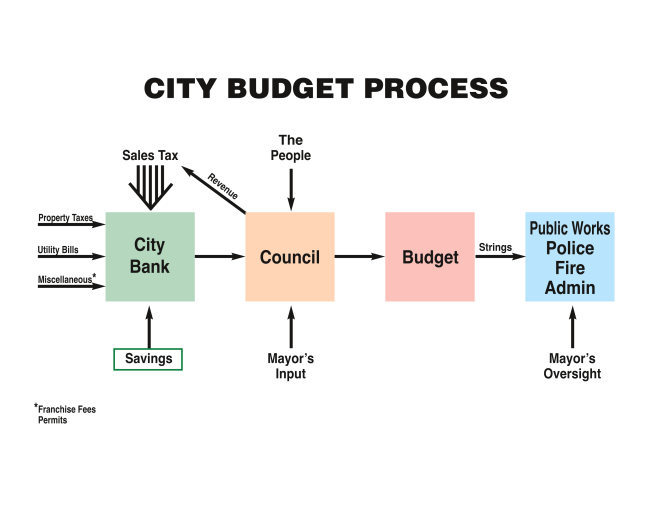
The City Administration and Council are now finishing the budget process for 2026. This process began in June of 2025. Hence, it's a good time to review just what that means.


The dollars available come directly from the citizens, mostly through sales tax, some through property taxes (less than 20%) and some from utility services. The amount collected is decided on by the people (taxes) and by the Council with input from citizens (rates and fees). 


Once the money is in the "Bank", the Council decides how to budget it. They do this with input from the Mayor (that's me) and from the people. I review last year's budget department by department, line by line - with each department head. Producing a proposed budget is a protracted and tedious process. Department heads begin in June and present for my comments in July.


In August, the proposed budget was presented to the Council. Council folks studied the budget and submitted scores of questions to Administration. CAO Erin Stair coordinated answers with Directors and Department Heads. A public meeting was held in October with Administration to clarify the clarifications (if need be).


Once the Council approves the budget, the money becomes available to the Administration on January 1st. For construction projects, this is a six month process BEFORE we can go out to bid. Under State law, bidding with the accompanying advertising laws can take months. 


Government moves at an excruciatingly slow pace, SMH.

Mayor's Budget Message

Part of the budget submitted to the Council includes comments from Da Mayor. Here are mine for 2026:


Financially Stable ... and Agile


We (the Administration and Council) have a responsibility to spend the taxpayer’s money judiciously. We also have a responsibility to spend it, not hoard it …  for the betterment of the community.

When assessing the budget from 80,000’, I focus on two things; our fund balance (savings) and cash flow. Regarding fund balance, GFOA requires that a city of our size keep $3.7M in reserve (rainy day fund). Because we are subject to hurricanes, our “rainy days” can be quite severe. Hence, I recommend we keep an additional $3.0M in reserve for a total of $6.7M. The Council agrees.


Our budgeted expenses for 2026 versus cash on hand / projected income for 2026 will leave an additional $2.3M in the bank on top of the $6.7M reserve … a nice cushion, but not enough to initiate any large new projects. Our fund balance is solid but not bloated.

A drive around downtown will reveal that our City staff is operating at 100% and that adding more projects to their plate at this time would cause a decline in the quality of work product. Hence, the 2026 budget does not call for the start of any new major projects. This pause allows us not only to rebuild our coffers but also to strive for private sector quality work as opposed to public sector.

Regarding projecting revenue, we don’t really predict revenue. Actually, we use the amount of income we collected for the past 12 months. In a sense, we project in arrears. It’s more of a real number than a projection. It’s money we have already collected.

Cash Flow: Revenue for the past 12 months equals $32.5M. Budgeted expenses for 2026 are $32.477M. On the surface, this appears to be cutting it pretty darn close. What if revenue falls short? Would we experience deficit spending? The answer is, “No” because I have a Dial. Imagine the knob for the gas burner on your cooktop. By turning the knob, one can easily increase or decrease the amount of flame. When it comes to spending, I have a “dial” which metaphorically allows me to decrease spending quickly and easily without negatively impacting the quality of life of our residents.


We have 64 sewer lift stations throughout the city. We rehabilitate 3 of those each year. Each rehab is approximately $100,000. I could dial that back to 2, 1, or 0 rehabs in a year and save up to $300,000. 


When I entered office, we budgeted $50,000 per year towards sidewalk repairs. With the Council, we doubled that to $100,000. That was better, but we again doubled it to $200,000 per year. We have made great headway in sidewalk repairs in the past couple of years. If need be, I could easily “dial” that number back to $100,000, $50,000 or $0 thereby saving up to $200,000.


Over the past couple of years, we have done maintenance work on detention ponds along Mile Branch and Blue Swamp Creek. None of these ponds had ever been previously addressed. Most of the ponds have now been done. If needed, we could delay a muck-out. Savings = $250,000.


To keep our Public Works vehicle fleet in good shape, we budget for two new pickup trucks each year. If need be, I could reduce that to 1 or 0.


All of the aforementioned are good for the City and help improve our quality of life. However, not doing any one of these does not negatively impact our quality of life. This last sentence might be a triple negative.


In conclusion, the city remains financially stable with a nice savings account, excellent cash flow and a mechanism in place to decrease spending if need be. We have enough major capital projects to keep us busy for the foreseeable future and a planned “pause” on new projects is good business.


Mayor Mark

Hubie Gallagher Park

Two Birds, One Stone

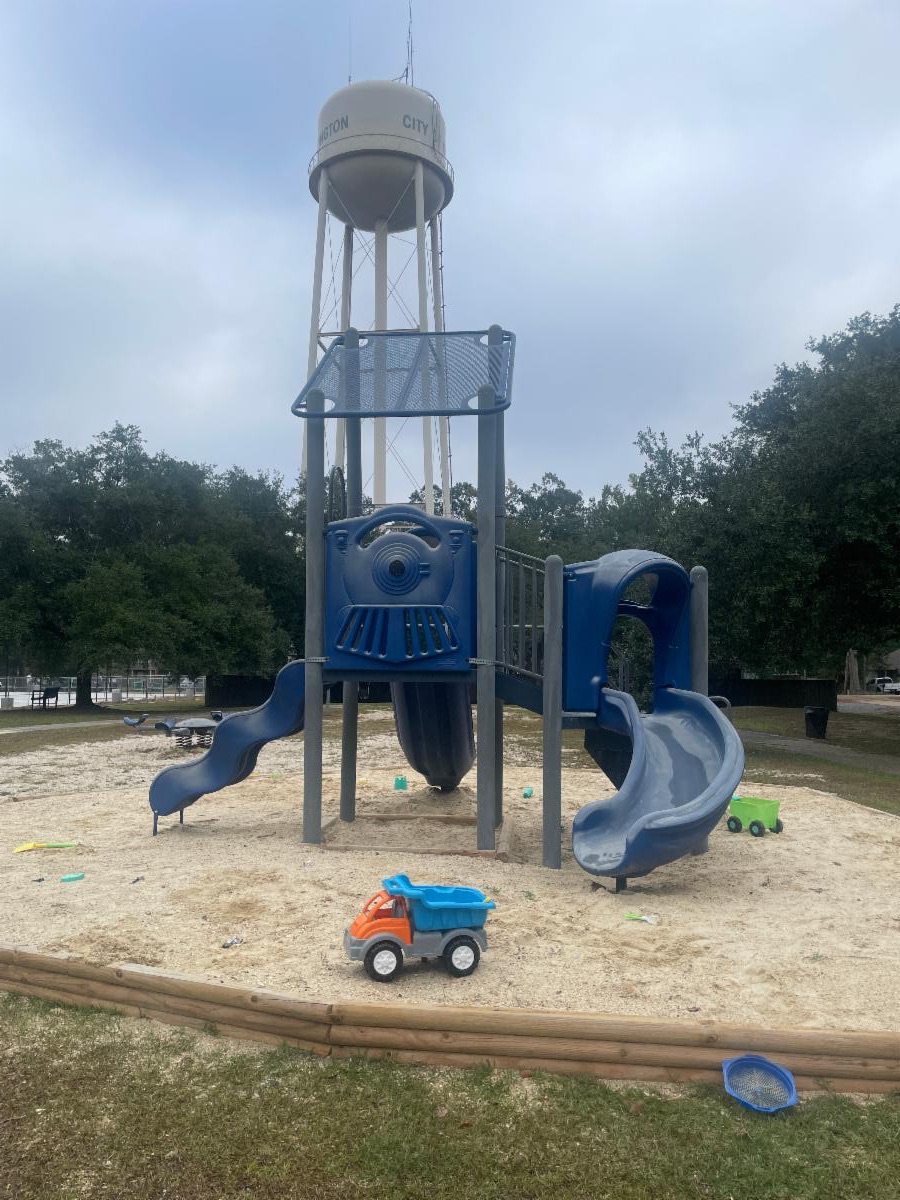
Hubie Gallagher Park (15th and S. Filmore) is one of our City's most fun neighborhood parks … but is / was in need of some TLC. #1 was replacing the tennis courts which is well underway. A smaller problem was the smaller slide for the smaller children. The drop-off at the bottom of the slide was as far as they were tall. Due to such a free fall, it was seldom used.


After the recent success of the sandbox at Bogue Falaya Park, I thinks to myself, "What if we added a sand box at the bottom of the slides?" Public Works, using some landscape timbers from Home Depot, sand we recovered freely from Bogue Falaya Park and some hands-on craftsmanship, constructed a sand box around the bottom … decreasing the drop-off significantly and creating a new play feature: One sandbox, two improvements.


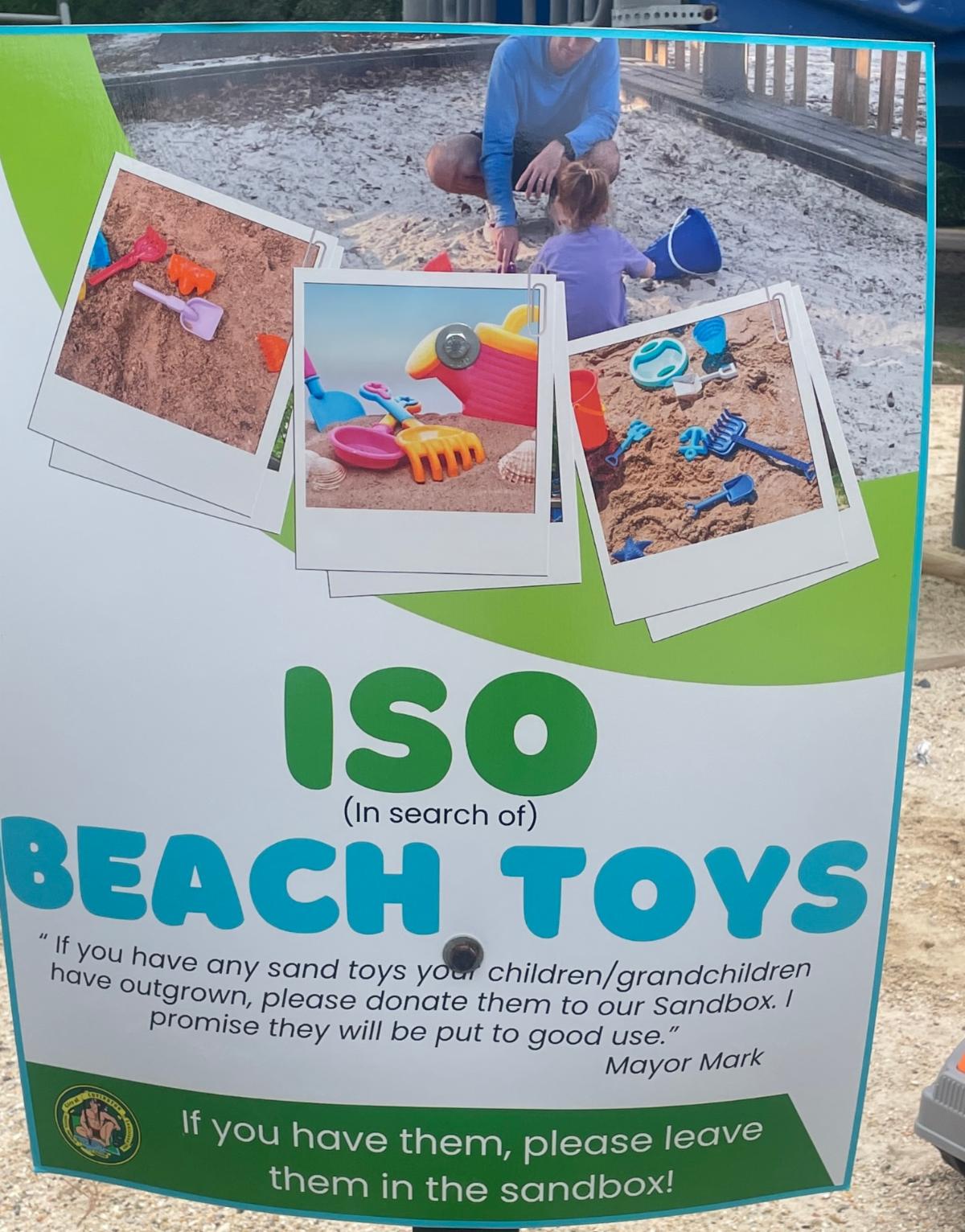
Now, this new sand box is In Search Of (ISO) any unused beach toys cluttering up your closet, garage or attic. Just drop them off … I promise they will get used :).

Another big challenge for playground equipment across the city is a lack of shade. Investigations into tarp covers revealed the tarps to be costly both initially and to replace in the future. In the case of Hubie Gallagher, they would also be large and unsightly. Inspired by the 15-20' tall Nutall Oaks planted at the Trace beautification, we will be planting oak trees on the western exposure of the play sets. Nutall Oaks grow 2 to 4' per year and live to be 100-150 years old. I believe we are going to get something naturally attractive, environmentally positive and functional. That's a good combination.

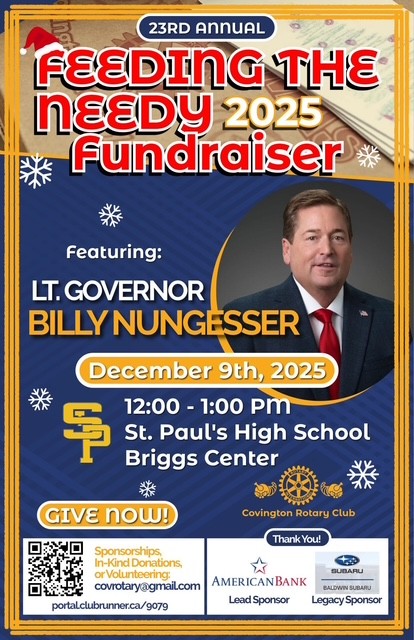
Rotary Club's

Feeding the Needy Banquet

I Love Old Maps

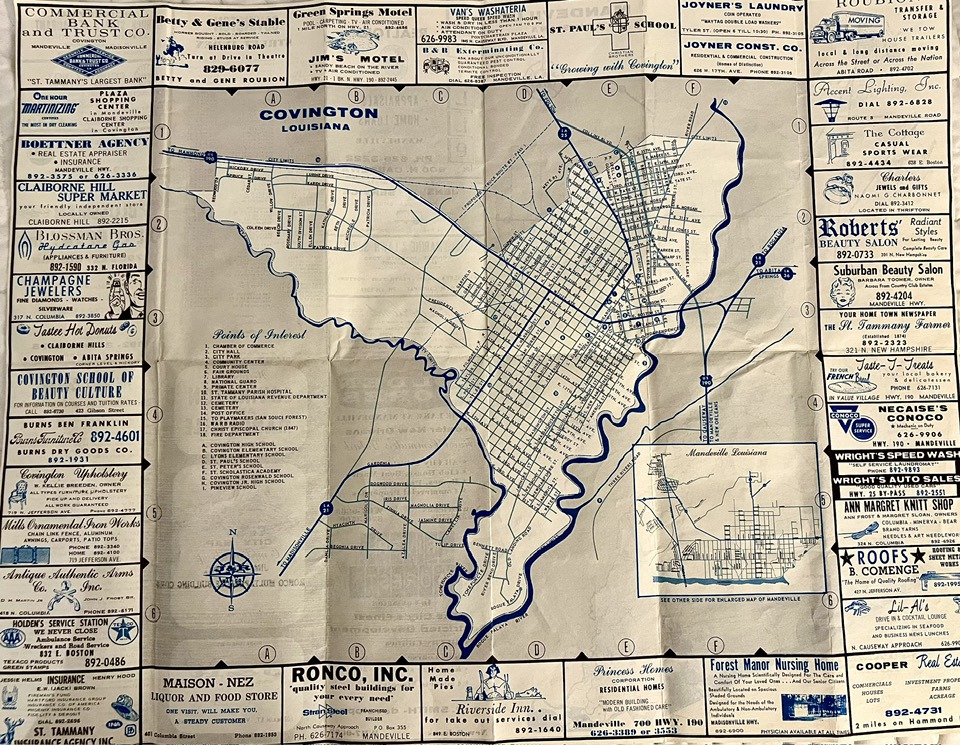
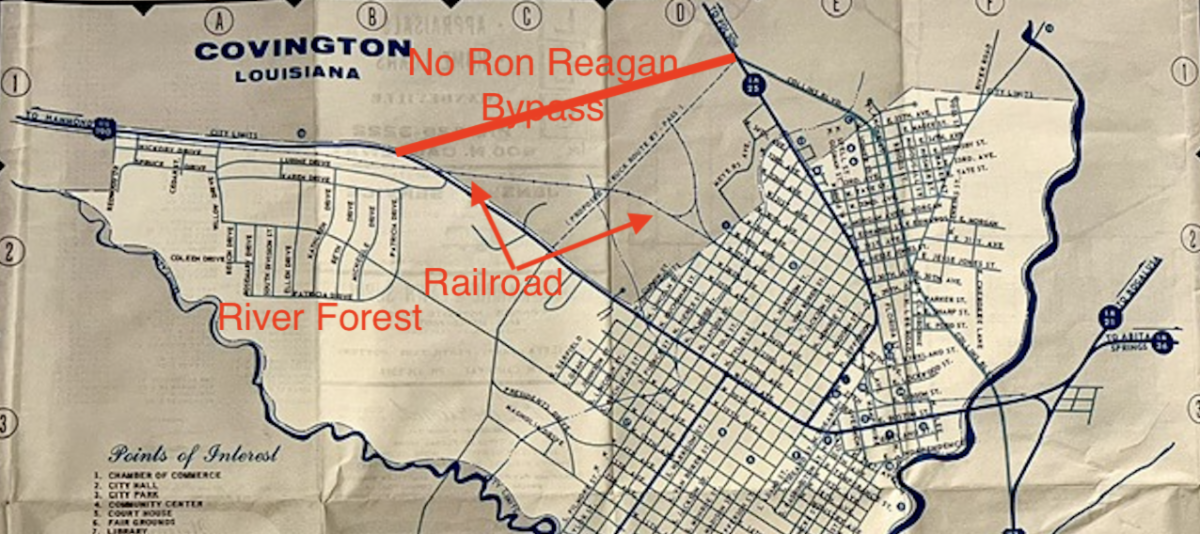
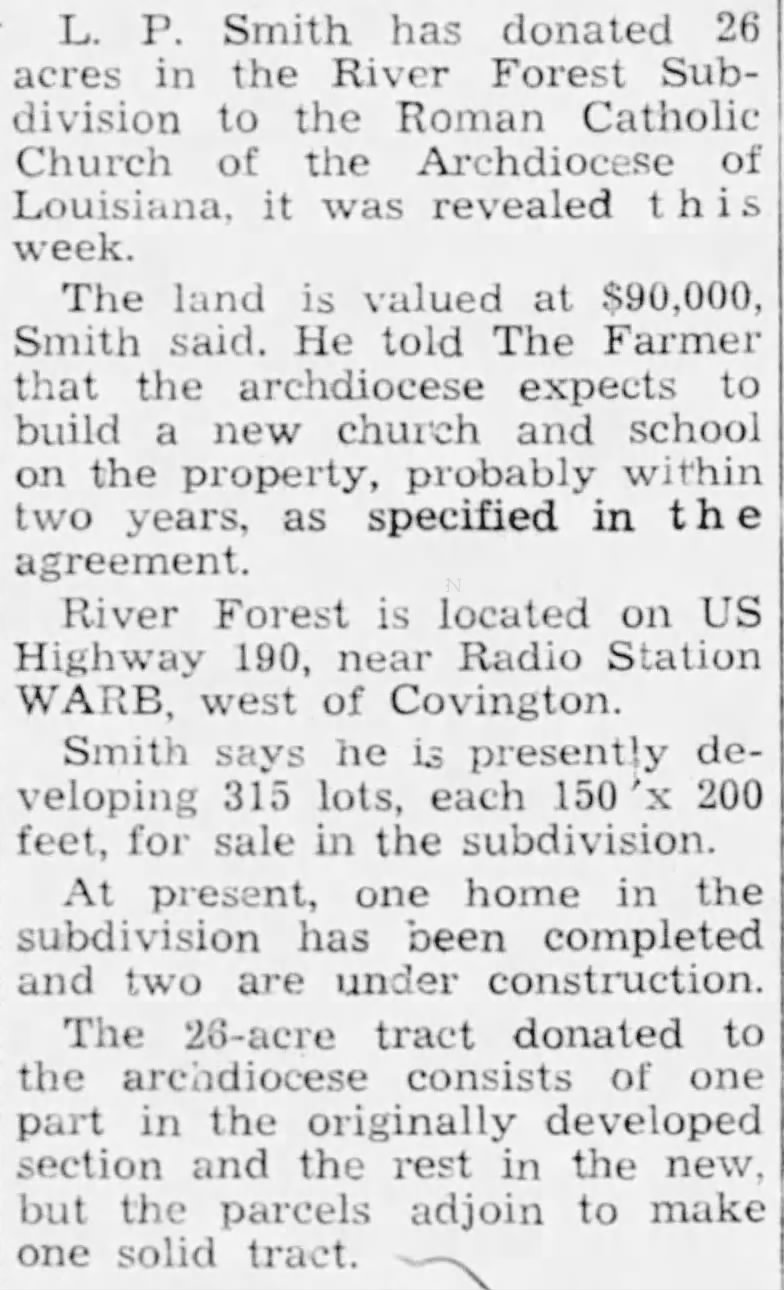
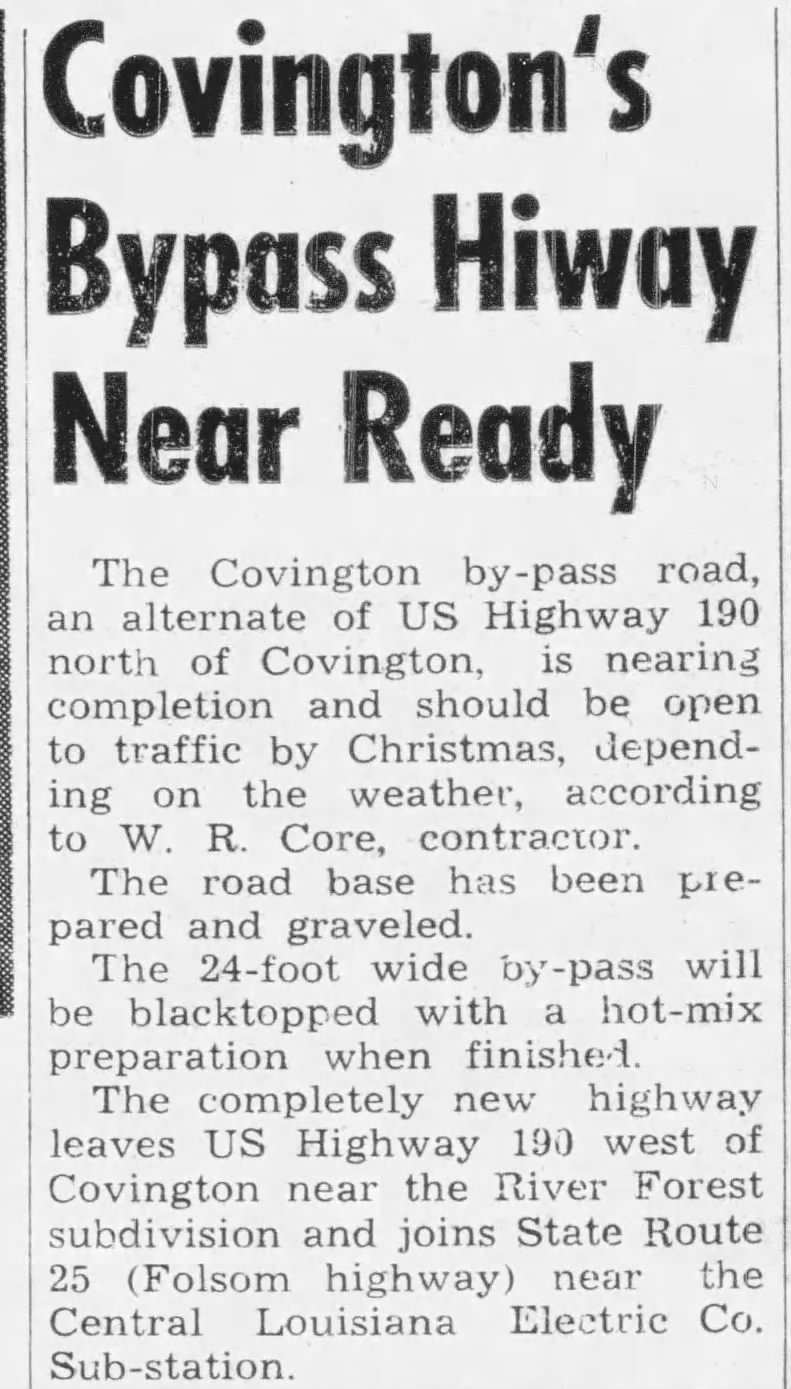
Big thanks to Sondra Meiners Johnson for posting this one on Facebook. It shows Covington in the 1960s and is a Who's Who of local businesses. Of particular note is River Forest Subdivision located on Highway 190 (the Hammond Highway) across from WARB. Note the bypass (now named Ronald Reagan Highway) had yet to be built. The railroad followed Hwy 190, then dipped into Covington near what today is Pineview Middle School, through the Justice Center, past the "new" depot (1920s) on what as of this week is the new Trace Beautification to the Trailhead and then down Gibson Street.

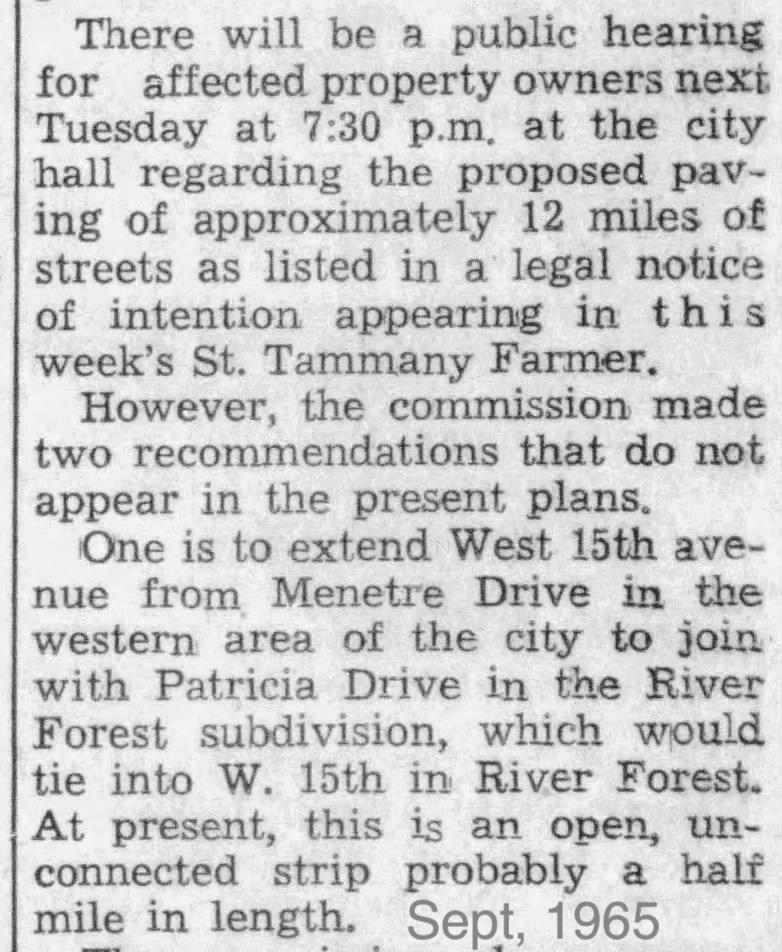
The map does show the existence of West 15th Ave connecting Menetre Drive to Patricia Drive. However, the idea to construct that portion of road did not occur until 1965.

1965

1966

1968

1973

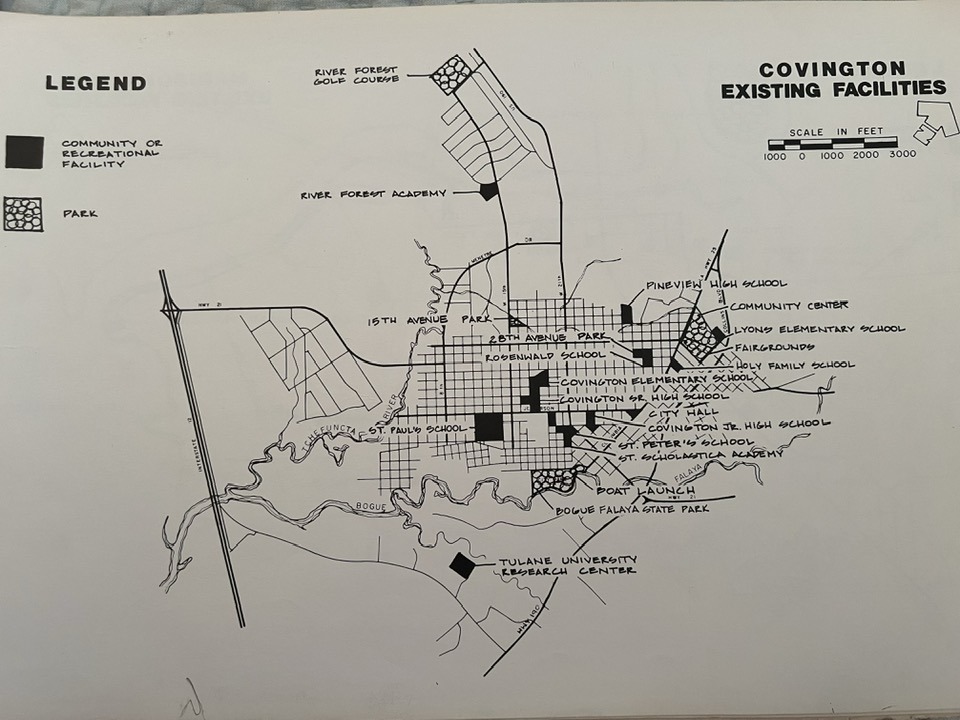
The Covington Existing Facilities map of 1973 show the 9 hole golf course located in the back of River Forest. The pond for tee #1 and hole #9 is still visible today from Samantha Drive. We (Dennis Busby, Ricky, David and Michael Seal and me) fished the ponds non-stop … battling a booming population of snakes. Chris Cooper and Jared Riecke recently shared the old pond sites are infested now more than ever. Around 1970, one moccasin killed every bream on my stringer, swallowed the last one and then was stuck on the stringer. I beat it to death with a stick … that stringer cost me 35¢.

Before a Subdivision

River Forest was a Dairy Farm

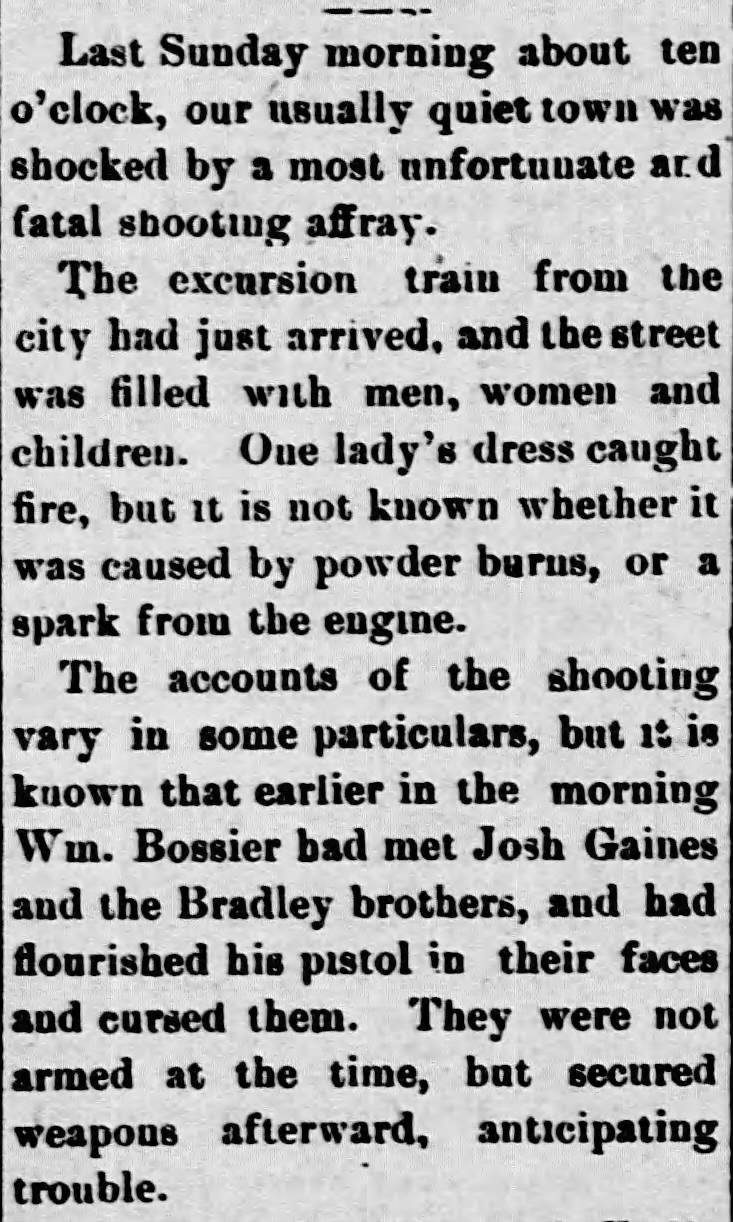
In the last part of the 19th century, River Forest was a dairy farm. Mr. Bradley's farm bordered both sides of the Tchefuncte River. As such, he built a bridge to cross from one side to the other. To recoup his investment of time and resources, he placed a gate with a lock. If you wished to cross his bridge, you paid a toll.


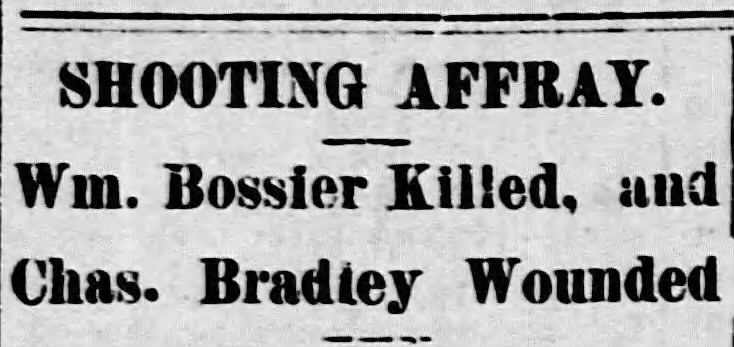
A Mr. Bossier didn't much like this toll-system. So he would shoot the lock off, thereby avoiding the toll and also causing property damage.

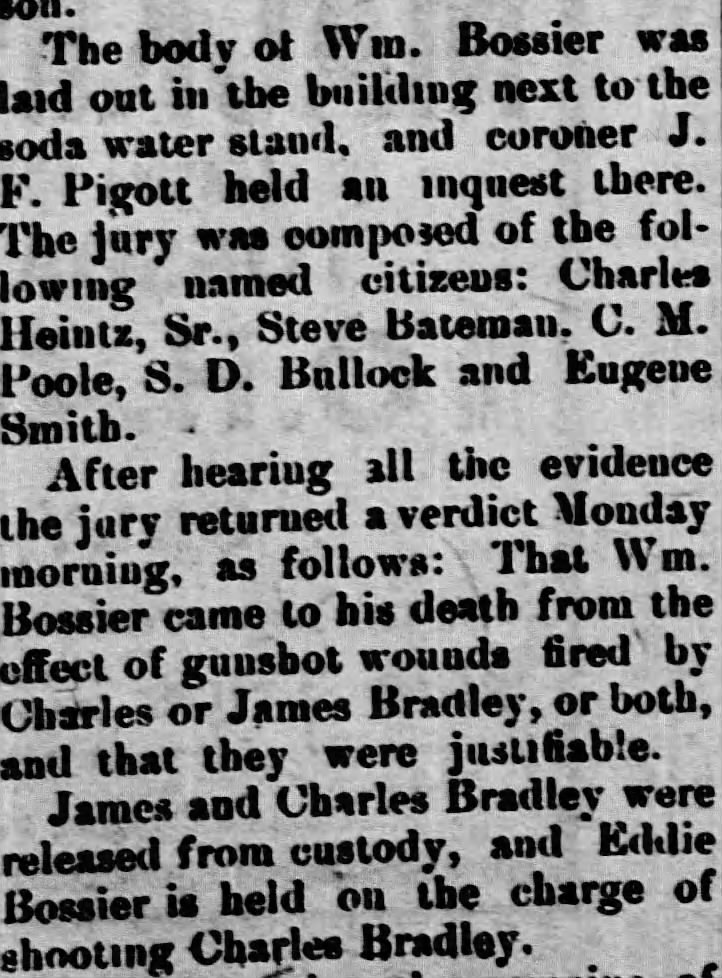
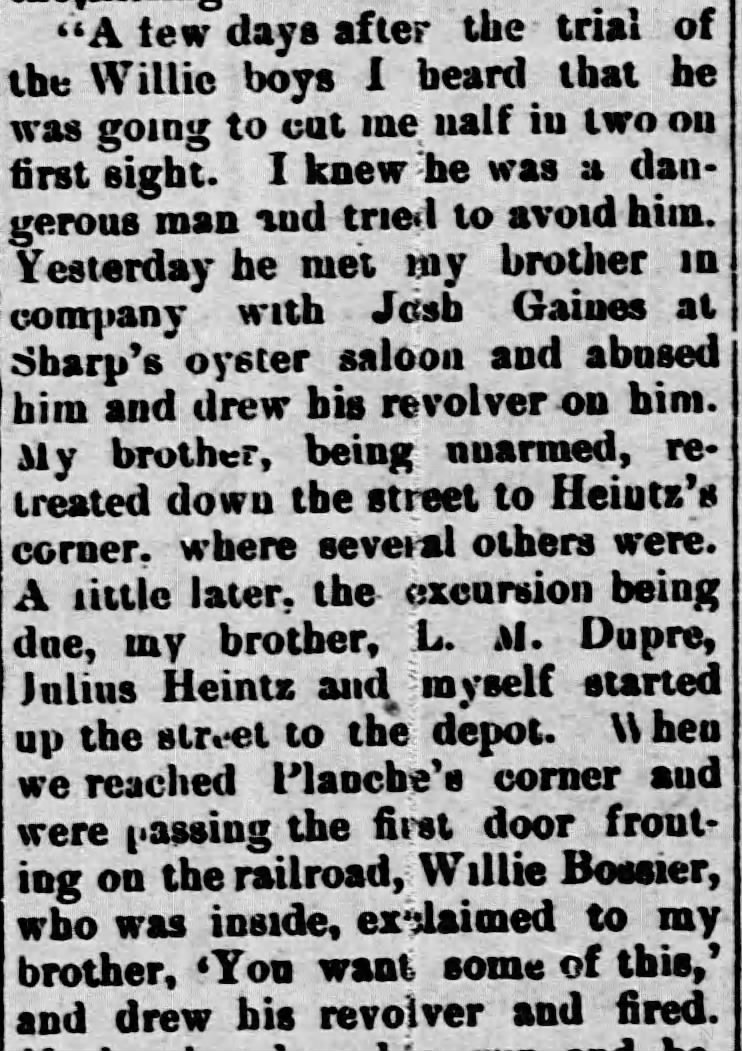
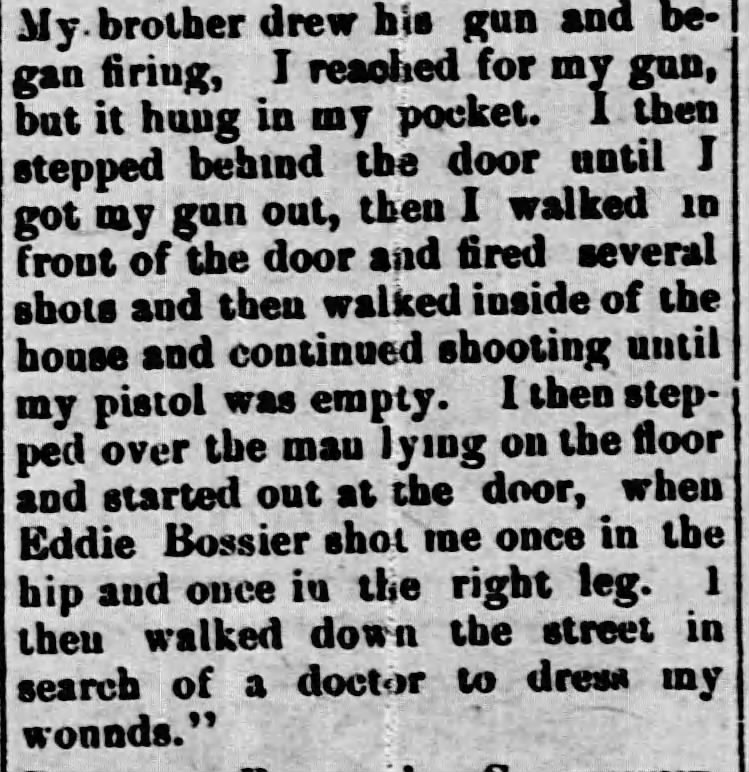
Per the St. Tammany Farmer of September 16, 1899, Bossier's dislike of the Bradleys (also inflamed by their unwillingness to help him kill the "Willie" boys) led to quite the shootout along "Railroad Street," which I take to mean Gibson Street since that is where the tracks lay and where the Train Depot was located.


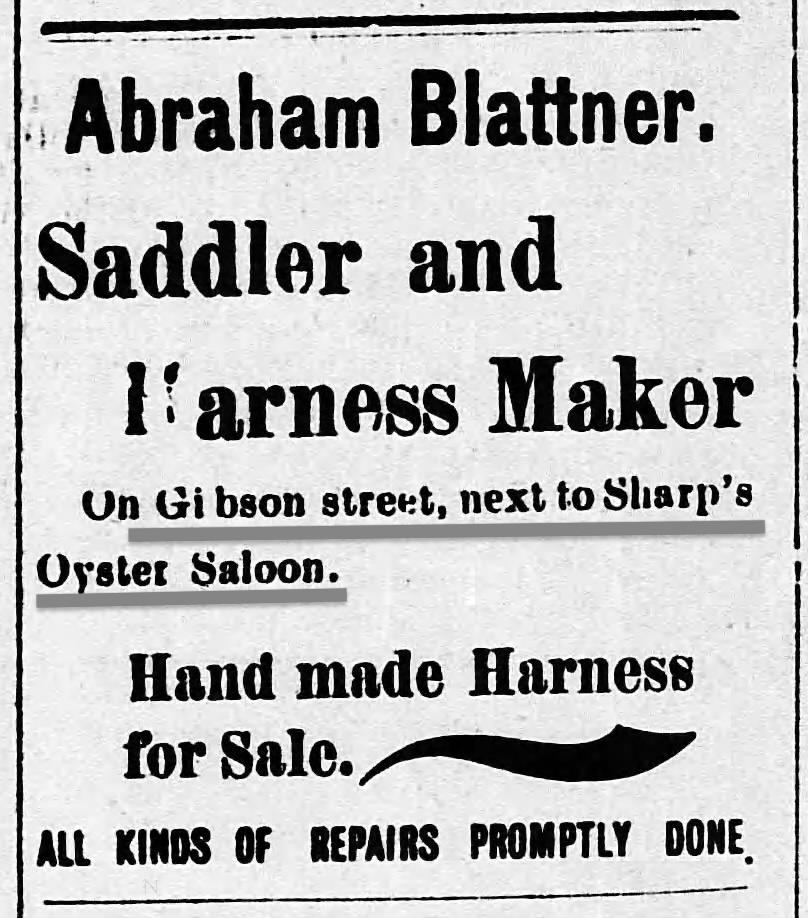
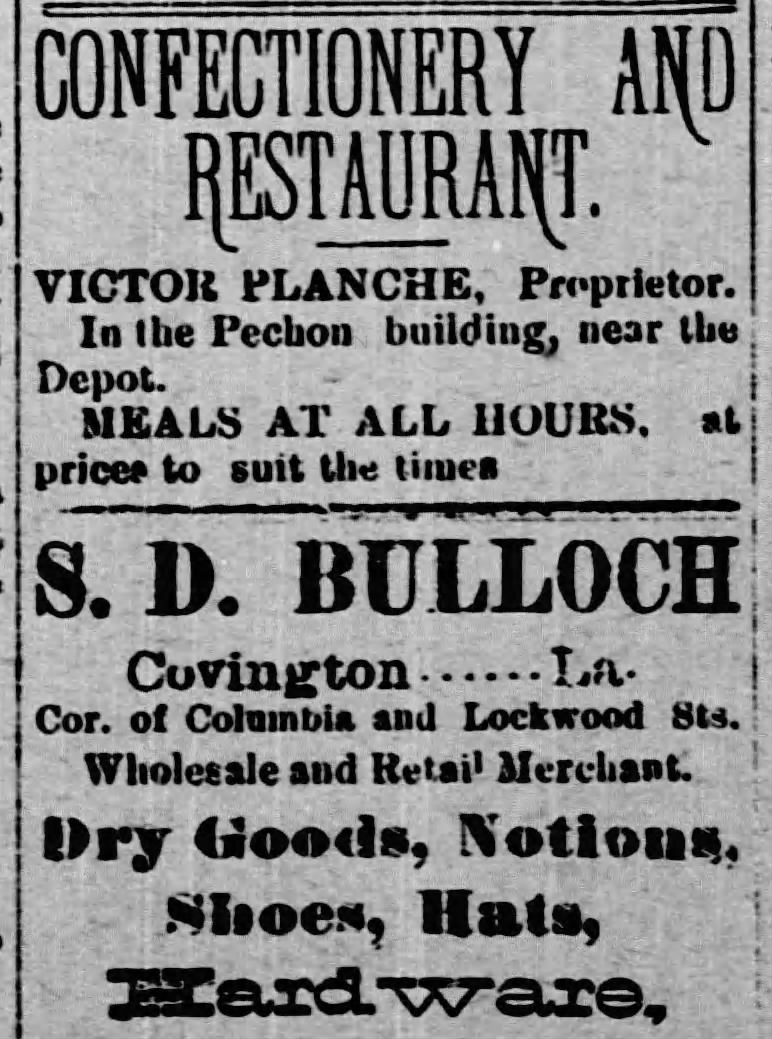
Establishments of note include Sharp's Oyster Saloon (precursor to Nathan's Oyster Bar by chance?) and Planche's Store. Jurors included a Heintz, a Bateman, a Poole, a Bullock and Eugene Smith.


Descendants of the Bradleys include Lindy Bradley Stonecypher (LaPorte Romig Accounting) and Barbara Bradley Hebert (retired teacher from Covington High School).

A Big Thanks to Clerk of Clerk Archivist Robin Perkins for bringing this story to our attention several years ago. Robin, you're the best!

August, 1899

August, 1899

Replies to this e-mail go directly to Mayor Mark.


Rooted in History, Focused on the Future


City of Covington | How Do I?

 
Facebook