Message from the Sustainability Manager
Welcome back! We hope you had a fantastic summer and enjoyed some well-deserved rest and relaxation. Now, the kids are back at school, the days are getting shorter, and the weather is getting cooler (or is it?). As we enter spooky season, it’s a good time to remember that, in the world of sustainability, there are plenty of “scary monsters” we can work together to tame!
Florida has experienced record-breaking heat in recent years, and NOAA identifies extreme heat as one of the most significant weather-related hazards in the United States. Our built environment can make matters worse. Pavement, concrete, and buildings absorb and retain heat, creating “urban heat islands” that can make some neighborhoods significantly hotter. So, what can you do to help?
🌳 Plant and protect trees, especially along streets, driveways, and patios.
🌿 Replace some lawn or pavement with native landscaping where practical.
🏡 Add shade around your home with trees, shade structures, or appropriately placed vegetation.
Want to take it a step further? Consider turning your landscape—or even your patio—into a National Wildlife Federation (NWF) Certified Wildlife Habitat. The City has joined the NWF Community Wildlife Habitat program to encourage residents to incorporate native trees and plants into their landscapes. These landscapes can help reduce heat, require less irrigation, and provide valuable habitat for native wildlife, especially birds and pollinators. Every certified habitat also brings the City one step closer to our community certification goal!
Read on for a recap of our summer activities and learn about upcoming events and programs that can help the City tackle the “scaries” of sustainability. Can’t wait to see you!
| | |
Tina Batoh-Jennings
Sustainability Manager, City of Boca Raton
| | |
Siena Botzer-Gunter
Sustainability Intern, City of Boca Raton
| | |
Sustainable Summer Recap
You all showed up and showed out for Sustainable Summer! Thank you for your participation in our programs and events. YOU are the reason why our City can push sustainable initiatives forward.
Here is a round-up of all that you accomplished this summer:
-
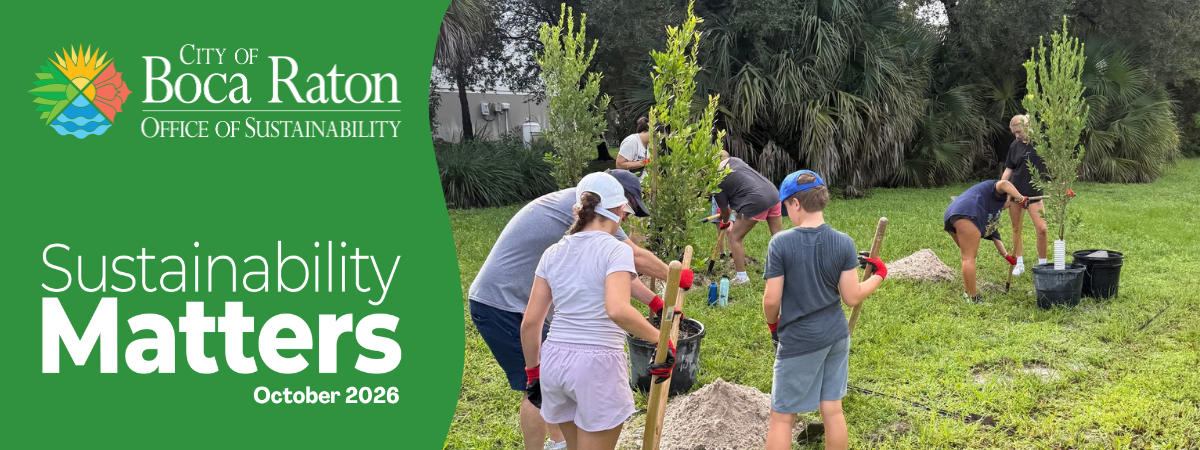
City partner Community Greening dropped off 500 trees to residents that pledged to plant and maintain these native shade trees on their property
-
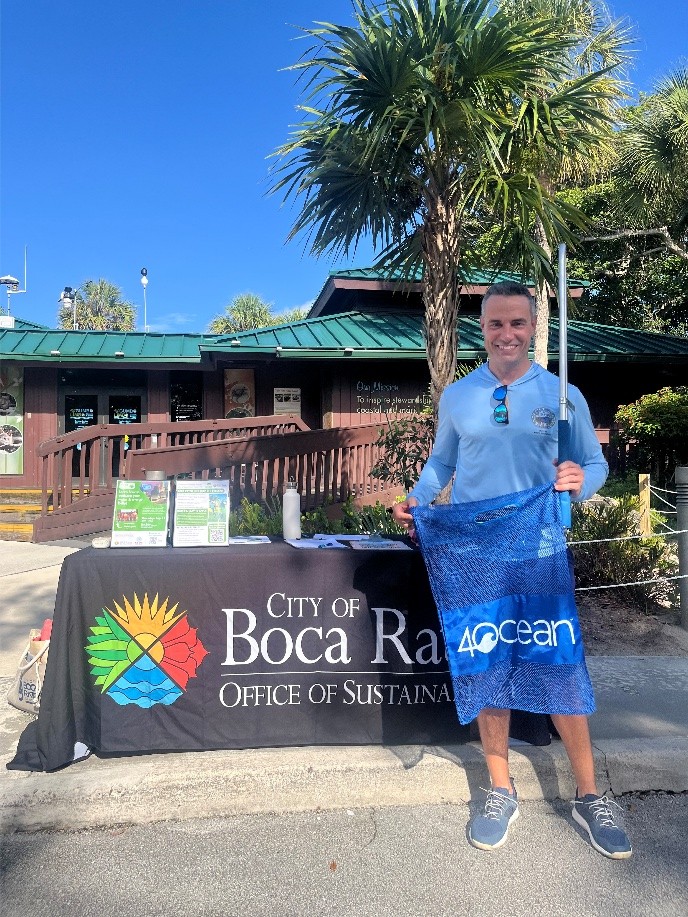
Mayor Thomson helped lead the charge in removing 140 pounds of trash from the intracoastal waterway following the 4th of July weekend.
| |
-
70+ hours were volunteered during two restoration events at Gopher Tortoise Preserve which opened to the public on July 27, 2026.
-
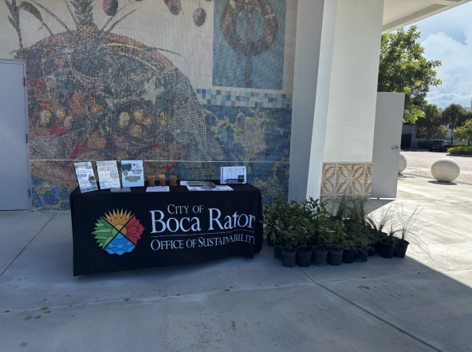
Distribution of 50 native plants and wildflower seeds were distributed to residents at Wildflower Park in support of the National Wildlife Federation’s Community Wildlife HabitatTM program.
-
Multiple residents attended Dream in Green We-Lab’s Water and Energy Conservation workshop and received free water and energy saving toolkits.
-
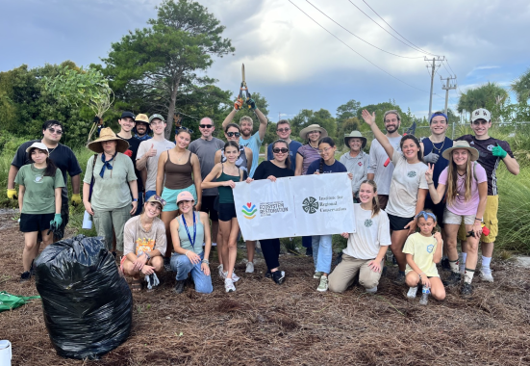
With the help of 90 volunteers, over 400 native plants were installed during two dune restoration events at South Beach Park arranged by City partner, the Institute for Regional Conservation.
| | |
The good news doesn’t end there! The City is especially grateful to an anonymous donor whose generous contribution supported the installation of 39 native shade trees along a 200-foot stretch of El Rio Trail, generally behind 6501 Park of Commerce Blvd. Installed earlier this spring, the trees include gumbo limbo, thatch palm, live oak, paradise tree, and pigeon plum.
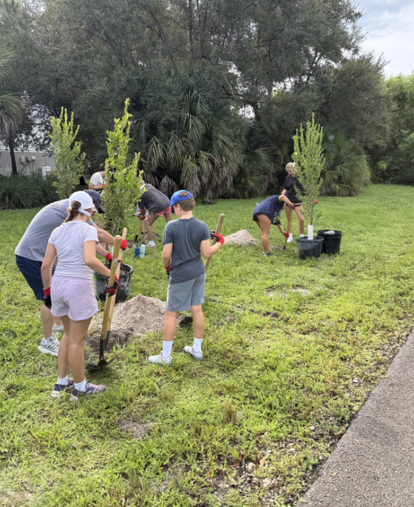
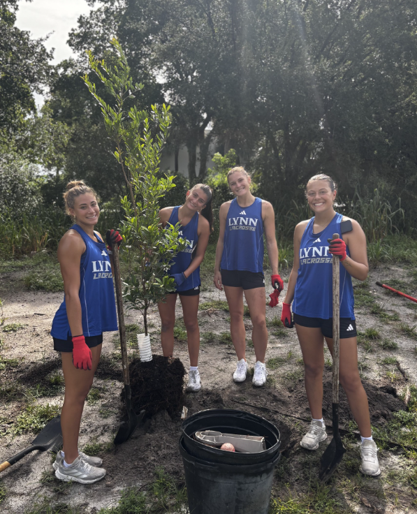
The project was made possible through coordination among the Office of Sustainability, Parks, Beautification & Irrigation, and Public Works & Engineering, including the Streets Division and Landscape Design. This effort also helped establish a framework for continued canopy enhancement along the trail, building on the City’s ongoing commitment to expanding and strengthening its urban tree canopy. That work continued when 86 volunteers came together with Community Greening to plant 100 additional shade trees along El Rio Trail between Clint Moore Road and Yamato Road.
| | |
Upcoming Events & Opportunities
Tree Giveaway with Community Greening
Saturday, September 26, beginning at 9am
Susan Whelchel Community Garden at Meadows Park, 1300 NW 8th Street, Boca Raton, FL 33486
Sustainability Action Plan Updates
We want to hear from you.
Residents, businesses, community organizations, and other stakeholders are invited to review the materials and provide feedback on the draft updates to the City’s Sustainability Action Plan by October 9, 2026. Your input will help inform the final plan that is presented to City Council for adoption and ensure it reflects the priorities and needs of the Boca Raton community.
'Unwrap the Waves' Candy Wrapper Recycling Program
October 14 – November 14
-
Did you know that in the typical Halloween season Americans purchase more than 300,000 tons of candy? The City is participating in the Loggerhead Marine Life Center's Unwrap the Waves program.
- Bring your clean candy wrappers to the following locations and put them in the designated bins:
- City Hall
- Children's Science Explorium
- Downtown Library
- Spanish River Library
- Gumbo Limbo Nature Center
Intracoastal Cleanup
Monday, September 28, 4:00-5:30pm
James A. Rutherford Park, 600 NE 24th Street, Boca Raton FL 33431
- Beach side cleanup is available to all participants
- Available kayaks and paddleboards for water-based cleanup are extremely limited. Please bring your own, if possible.
Visit the website for more details and to RSVP.
Lecture- Learn How to Grow a Wildlife Habitat with Native Plants
Tuesday, October 6, 6:00 – 7:00pm
Spanish River Library, 1501 Spanish River Blvd, Boca Raton, FL 33431
-
Join the City of Boca Raton's Office of Sustainability and the Institute for Regional Conservation to learn how to create a Certified Wildlife Habitat. You'll also discover how IRC's Natives for Your Neighborhood tool can help you choose native plants that are right for your landscape.
- Register for FREE!
Vertical Oyster Garden Workshop
Thursday, October 22, 3:00 – 4:00pm
Gumbo Limbo Nature Center, 1801 N. Ocean Blvd. Boca Raton, FL 33432
- Learn how oysters strengthen shorelines and clean our waters. Participants will build vertical oyster gardens to support habitat restoration in Boca Raton’s Intracoastal Waterway!
- Ages: 5+ and all minors must be accompanied by a registered parent or guardian
-
Details and Registration: Vertical Oyster Garden Workshop- Registration
| |
Vertical Oyster
Garden Update
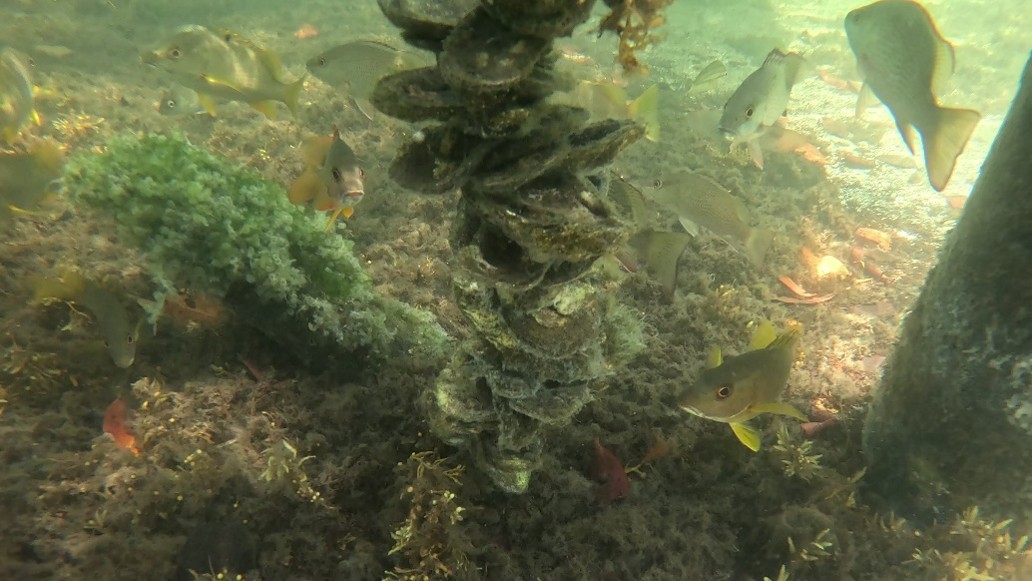
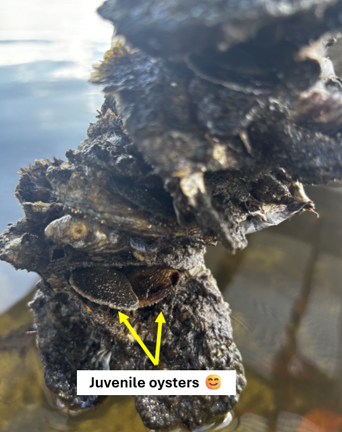
The vertical oyster garden strands constructed by volunteers in April and then installed in May of this year beneath the intracoastal waterway pier at Rutherford Park, have become a hotspot for biodiversity. At a recent site visit, fish such as pufferfish, mangrove and schoolmaster snapper, mojarra, and sergeant majors were seen swimming among the strands. The oyster shells themselves have attracted sponges, and hydroids to recruit, and have become a shelter for smaller fish and crabs.
| |
Most important, many of the strands have recruited baby oysters! The hoped for outcome is that these young oysters will grow to maturity and as they do so, their filter feeding will improve water quality by removing sediments and enhancing water clarity.
Visit the Vertical Oyster Garden webpage to learn more!
| |
Creature Feature
Eastern Glass Lizard (Ophisaurus ventralis)
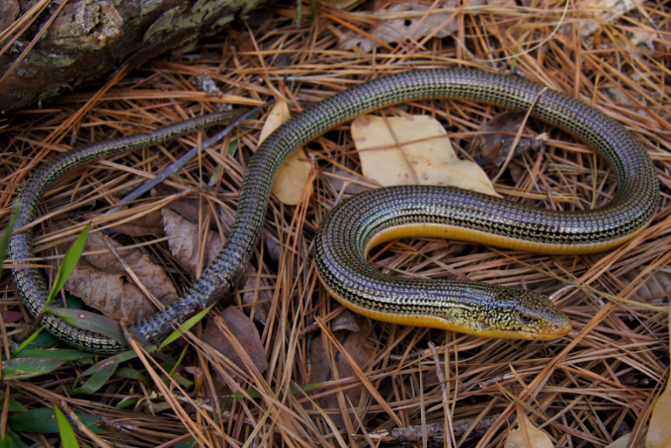
Meet the eastern glass lizard, Ophisaurus ventralis—a long, legless reptile that may look like a snake at first glance, but is actually a lizard! Native to Florida, this unusual reptile is a secretive creature that spends much of its time hidden among soil, grasses, and leaf litter in habitats ranging from wet flatwoods to beach dunes. They search these habitats for prey that includes insects and spiders.
Eastern glass lizards can grow to more than three feet long, with much of that impressive length coming from their tail. Unlike snakes, they have movable eyelids and visible external ear openings, two helpful features for telling them apart. Their bodies are also more rigid than those of snakes because of small bony plates beneath their scales.
| |
During the summer, females can lay up to about 20 eggs and remain with their nest until the young hatch nearly two months later—an interesting example of parental care in a reptile that many people rarely even get the chance to see.
The glass lizard gets its name from one of its most fascinating defenses. When threatened or grabbed by a predator, a glass lizard can break off its tail. The detached tail continues to wiggle, distracting the predator while the lizard escapes. The tail can eventually grow back, although the replacement may look different from the original.
So, if you spot what looks like a snake moving through the grass, look closely—you may have found one of Florida’s most unusual native lizards! With its unique tail, snake-like body, and hidden lifestyle, the eastern glass lizard is a great reminder that Florida wildlife isn’t always what it first appears to be.
| | Read, Watch, and Listen with the Office of Sustainability | |
Read
Waste Wars:
The Wild Afterlife of Your Trash
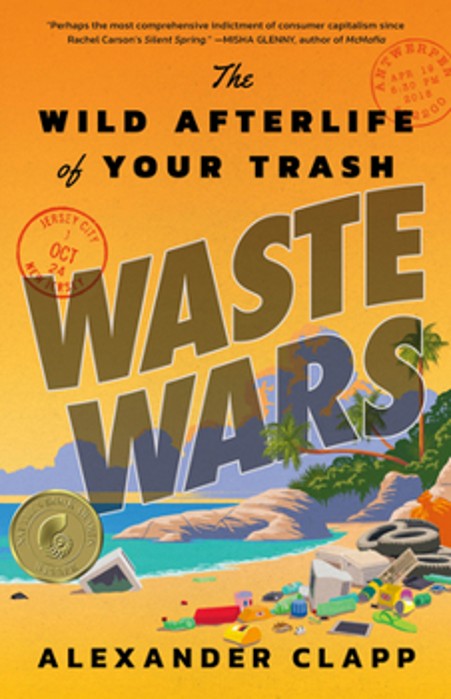
Where does your trash actually go after you throw it away? In Waste Wars, journalist Alexander Clapp follows the surprising—and often troubling—journey of garbage around the world, from recycling centers and shipping ports to landfills and communities dealing with the consequences. Through two years of reporting across five continents, Clapp reveals the hidden global trade in waste and asks us to rethink what “away” really means.
Check out Waste Wars from the Boca Raton Public Library!
| |  |
Watch
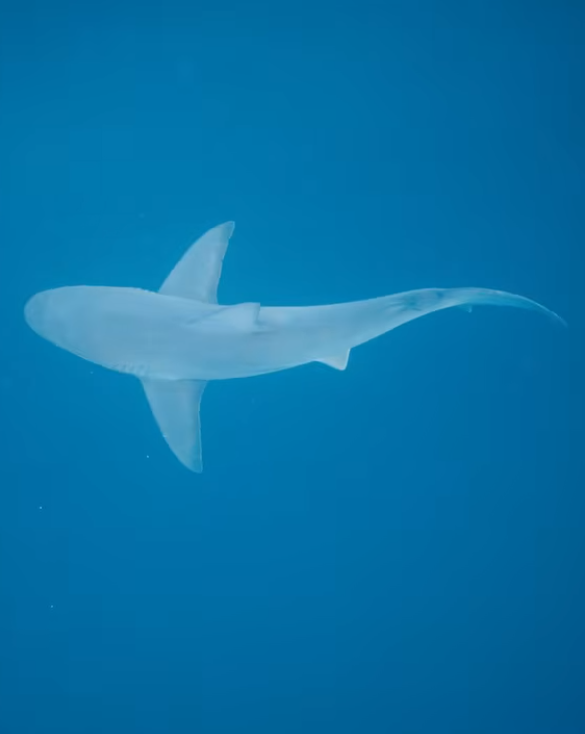
Getting Sharked:
Search for Solutions - Full Episode
What happens when recovering shark populations and recreational fishing collide? This episode of Changing Seas explores the growing issue of sharks taking fish from anglers’ lines and the research underway to find solutions. Scientists, anglers, and researchers are working together to test shark-repellent devices and better understand this human-wildlife conflict—all with the goal of keeping both anglers and sharks thriving.
| | |
Listen
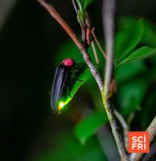
Science Friday Podcast- How do you ‘find’ a lost species?
Ever wonder how scientists search for species that haven’t been seen in years? Science Friday takes listeners into the world of biodiversity detective work, exploring what makes a species “lost to science” and how researchers—and community scientists—can help find them. The episode shines a light on rare fireflies and the important role that documenting even the smallest species can play in understanding and protecting our natural world.
| | | | |
Quarterly Call to Action
Challenge: 🧛♂️The Vampire Energy Hunt
There are ghosts lurking in your outlets, and they are quietly draining your wallet. Even when your devices are turned off, many of them continue to suck electricity just by being plugged into the wall. This is called vampire energy (or phantom load), and it accounts for up to 10% of the average household's energy bill.
We challenge you to grab a flashlight, channel your inner monster hunter, and banish these energy vampires from your home.
Your 4-Step Hunting Guide
- Spot the ghouls. Look for glowing standby lights, digital clocks, or power bricks that feel warm to the touch. If it glows or stays warm, it’s actively feeding.
- Target the worst offenders. The biggest energy vampires in your home are usually gaming consoles, desktop computers, old TVs, microwave clocks, and phone chargers left plugged into empty air.
- Drive a stake through them. Unplug at least five devices you don't use daily.
- Build a barrier. For entertainment centers or home offices, plug everything into a smart power strip. You can flip one switch to cut off all the vampires at once when you go to bed.
| | |
Are you, or someone you know, going above and beyond for sustainability in the City of Boca Raton?
Submit them for the next edition!
Email us at sustainability@myboca.us
| | | | |