|
Summer 2025
Milwaukee ECO Newsletter
| | |
Message from the Director
Talking about the weather is a common way to make "small talk" with an acquaintance or stranger. It's a topic of near universal interest because it affects us right now. I'd like us to have a "big talk" about serious changes to long-term weather trends, also known as climate change.
Our climate on Earth, among all known planets, is the only one that supports human, plant, and animal life. It is fundamental to everything else and must not be taken for granted. Our choices on how we use energy and where we get it has the power to change the climate. It makes a difference to the weather today, tomorrow, and for many years to come.
Burning too much fuel, as well as natural gas leaks, releases gasses into the atmosphere that trap more of the sun's energy, thus warming the planet at faster than natural rate. Since the start of the industrial revolution, our over-use of fossil fuels (including coal, natural gas, and petroleum) across the globe and especially in industrialized countries is warming the climate in dangerous ways. It's hotter than it used to be. You know it and I know it. The warming of the planet is increasing the risk of disasters like out-of-control wildfires, including the Los Angeles fire earlier this year that caused over $50 billion in damage. From Canada, wildfire smoke has made air quality poor in Milwaukee and the throughout the Midwest. Global warming increases the risk and severity of deadly floods that contributed to the tragic deaths in Texas. Drought makes it harder for farmers and all of us who eat to live (or live to eat).
Those past energy habits do not need to be our future. We can invest in clean energy technologies that do not pollute our air or warm the planet while supporting a better standard of living. We should switch to renewable energy and energy efficient vehicles, buildings, streetlights, and appliances. At ECO, we remain committed to changing practices and systems that make it easier for our residents to voluntarily choose these energy efficient technologies, renewable energy systems, and sustainable practices through leadership, education, green financing, and other policy tools.
We also need to recognize that the industry push for AI and associated data centers will use an enormous amount of energy with further risks to the climate. An AI search on your computer uses about 10 times the energy of a regular search. All of the computing power for AI models is leading to the construction of more energy-intensive data centers. Tech companies should get that power from clean energy and use technology to operate much more energy efficiently.
In this newsletter, you will discover all the ways that we are pressing forward to make clean energy a mainstream option. As a part of local government, we are doing our part on clean energy because we have a responsibility to act as a large energy user. And we also help our residents, taxpayers, and businesses reduce energy costs, improve the air we breathe, and create local jobs for the benefit of our economy. The whole ECO team is dedicated to helping all of our residents learn and implement practical solutions that improve our health, environment, and our economy in the short-term while supporting long-term sustainability. We invite you to collaborate with us. When your neighbors want to talk about the weather, help them talk about the climate, too. Let them know we are all in this together. And together, we can make Milwaukee a world class eco-city.
With hope,
Erick Shambarger
Director of Environmental Sustainability
City of Milwaukee
| | |
Electric Vehicle Charging
Exciting progress is underway in Milwaukee’s transition to cleaner transportation! The City of Milwaukee’s Environmental Collaboration Office (ECO) was awarded a $15 million federal Charging and Fueling Infrastructure (CFI) Grant to expand public electric vehicle (EV) charging stations citywide. This milestone supports the city’s Climate and Equity Plan and is a big step forward in making EV access more equitable and sustainable for all residents.
The project is rolling out in phases, starting with engineering. The Milwaukee Common Council approved the first 13 charging sites, which are slated for further federal environmental review this summer, with construction expected in 2026. These locations include 7 public libraries (Bayview, Center St., Good Hope, Dr. Martin Luther King Jr, Mitchell Street, Villard, & Zablocki) plus 6 Milwaukee County sites (Lincoln Park, Mitchell Park Domes, Washington Park Urban Ecology Center, Wilson Park, Veterans Park, and Zoofari Conference Center). The Milwaukee County sites will require County Board approval at a later date.
EV Charging vendors interested in partnering with the City on this project should register for our upcoming informational webinar. Residents and other stakeholders still have plenty of time to comment on other potential sites or even suggest locations. Visit Engage.Milwaukee.gov/EV. Your feedback will help shape future site selections and guide the next phases, planned through 2030.
| | |
Improving Milwaukee Homes
ECO is working hard to update Milwaukee's homes with energy efficient technologies and other improvements to indoor air quality and health. In 2025, the Milwaukee Energy Efficiency program helped 129 homeowners get energy saving upgrades to their home, such as insulation, heat pumps and energy efficiency furnaces. In addition, Milwaukee Habitat for Humanity has facilitated energy efficiency homes in another 15 houses in which they also removed lead paint hazards.
In an effort to support the City of Milwaukee’s Climate and Equity Plan to make Milwaukee homes healthy and energy efficient, the Environmental Collaboration Office applied for and was awarded a $2,000,000 Healthy Homes Production grant from the US Department of Housing and Urban Development.
These funds will add Healthy Homes interventions to about 123 homes that are using other already established housing repair programs in order to efficiently use their enrollment intake and case management processes.
Healthy Homes interventions address moisture control (roof repairs and addressing foundation moisture issues), indoor air quality (kitchen and bathroom ventilation, air filtration), pest control, radon mitigation, and other safety hazards.
| | |
Benchmarking Policy Helps Building Owners Manage their Energy Use
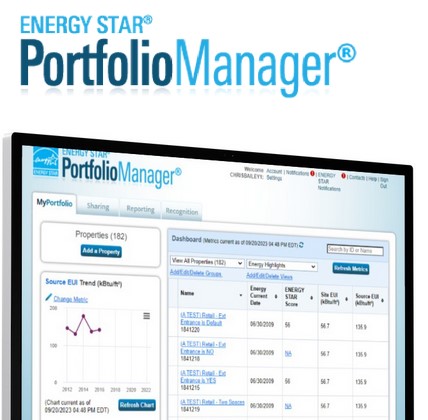
The City of Milwaukee Efficient Buildings Benchmarking Program and ordinance are now in implementation mode. Commercial buildings that are 50,000 square feet and larger, as well as City of Milwaukee and Milwaukee Public School buildings that are 10,000 square feet and larger are required to track and report their energy use to the City of Milwaukee through the free Energy Star Portfolio Manager tool by September 30th, 2025.
The benchmarking ordinance is one of the Big Ideas in the City of Milwaukee’s Climate and Equity Plan aimed at reducing greenhouse gas (GHG) emissions. Studies show that when owners begin tracking energy use in their buildings, they begin making changes and improvements to reduce that energy use at least 2.4% per year for the first three years. However, several other cities with such benchmarking policies in place report commercial building energy use reductions of more than 10%, which also leads to lower utility bills for building owners.
The Environmental Collaboration Office (ECO) has partnered with Clearly Energy to operate a Commercial Buildings Benchmarking Help Desk and Resource Center to help building owners get started. We provide assistance via email, phone, webinars, tutorial videos, and office hours. Once building owners have submitted their benchmarking reports, they will receive a scorecard with additional tips and resources to make their buildings more energy efficient.
| | Collaboration Across Local Government | | |
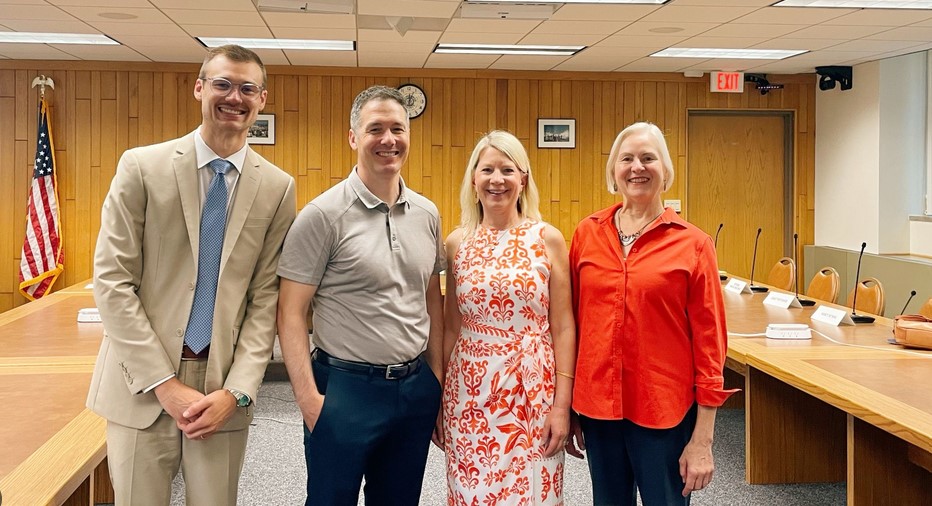
The risks of climate change don't stop at our borders. Climate action means doing our part locally while building collaboration across local, state, and federal governments. The City of Milwaukee and Milwaukee County have recommitted to collaborative action. The City County Advisory Board on Climate and Economic Equity convened on July 16th to share plans and updates and take community input. The meeting files and video provide an in-depth look at our respective governments' climate work and benefit to the community. We appreciate the leadership of the Board's co-chairs, Alderwoman Marina Dimitrijevic and County Supervisor Anne O'Connor, all of the members of the board who volunteer their time, and Milwaukee County Sustainability Director Grant Helle.
A clear example of collaboration is on our Electric Vehicle Infrastructure Plan, where we are working to integrate electric vehicle charging at County-run parks and recreational sites. We also meeting regularly with staff from Wauwatosa and Shorewood to share best practices. ECO is also working with Milwaukee Public Schools as they enhance their plans for environmental sustainability. And ECO, collaborating with the Wisconsin Local Government Climate Coalition, fosters collective action across local government and with State of Wisconsin agencies.
ECO is also supporting the Southeastern Wisconsin Regional Planning Commission as the develop a climate plan for the four-county region. Check out their website and complete the survey to have a voice in this regional plan.
| | |
Green Jobs Guide Now Available
ECO, in collaboration with many partners, is pleased to offer Milwaukee.gov/GreenJobs that shows career pathways in green fields with the highest potential for employment and wage growth, including electricians, urban foresters, plumbers, HVAC workers and more. The resource lists various support services for people who may need immediate entry level employment or support while seeking further training.
ECO is also a proud co-sponsor of the Waves of Change week-long career exploration camp for young people. Campers will get extensive exposure to careers in Civil Engineering, Environmental Health and Water Quality jobs, and blue/green jobs in the trades. Although the event is fully booked for this year, we look forward to hosting this event next year!
| |
FEED MKE Initiative Reduces Food Waste
ECO's FEED MKE Pilot Project is making significant strides in tackling food waste, keeping edible food out of landfills, and feeding the community. The project is funded by a $400,000 grant from the USDA National Institute of Food and Agriculture for Composting and Food Waste Reduction (USDA-CFWR) and runs from June 2024 to May 2026.
The FEED MKE Coalition has grown from 16 members in 2024 to more than 390 active members by June 2025, representing diverse individuals and organizations across the Greater Milwaukee area. The program has fostered increased community engagement through monthly meetups, quarterly planning sessions, field trips, a tri-weekly newsletter, a regular podcast, and a series of educational workshops.
FEED MKE also re-invested $190,000 in mini-grants for food recovery and composting projects, with 4 compost project awards totaling $62,500, and 11 food recovery awards totaling $127,500, following an open call that received 42 applications from local food-waste champions. These efforts contribute to the program's goals of diverting 60,000 pounds of organic waste via community compost sites and 200,000 pounds via self-drop sites, aiming to reduce greenhouse gas emissions by approximately 260 metric tons, all while partnering with some of Milwaukee's most dedicated food system partners.
Another major initiative currently underway is Mayor Cavalier Johnson's Food Saver Challenge, which offers zero-cost waste audits, professional training, and community-based marketing campaigns to local restaurants and food-based businesses to encourage food waste prevention. This year-long program launched during Food Waste Prevention Week in April 2024 and will continue to expand–connecting gleaners, growers, and consumers with waste-reduction opportunities that provide a delicious way to make a difference while supporting the local food scene.
| |
Solar Group Buy
ECO is again partnering with the Midwest Renewable Energy Association (MREA) to promote the 2025 Grow Solar Milwaukee-Waukesha group buy program. Grow Solar is a solar group-buying and education program that makes going solar easier. Offered by MREA, The City of Milwaukee, and the Waukesha County Green Team, property owners in Milwaukee and Waukesha counties can pool their buying power to secure significant discounts that make installing solar more affordable.
Free education about solar is provided at Solar Power Hours to help people figure out if solar is right for them. Topics include how the program works; solar basics; system design options; impact on utility bills; tax credits and incentives; example cost estimate and financing options. Then, get a free, no obligation site assessment and cost estimate from our competitively selected installer, Arch Solar.
Note: Due to high demand, the program cannot guarantee that your solar project will be fully installed in operational in 2025. Under the new federal budget bill all residential solar projects must be completed by December 31st, 2025, to qualify for the federal solar tax credit, or ITC. Milwaukee residents can work with other licensed solar installers and may qualify for a Milwaukee Shines solar loan in partnership with Summit Credit Union.
| |
| |
Green and Healthy Schools 9th Annual Conference
The annual Green & Healthy Schools Conference is an ideal opportunity to connect with the Milwaukee area's greener, healthier schools' movement. The conference is an opportunity to hear inspirational stories, connect with curricular and funding resources, and learn how schools in the Milwaukee area are removing asphalt and enhancing their schoolyards with outdoor classrooms, improved recreation, arts, green infrastructure, and project-based learning. Catch the ECO team there!
9th Annual Green & Healthy Schools Conference Tickets, Tue, Aug 12, 2025 at 8:00 AM | Eventbrite
| | | |
| |
Waves of Change
Those who signed up will have a week-long environmental careers course and explore cool jobs through hands-on activities, field trips, and real talks with people doing the work today. They will pick one of three tracks that interests them most and see if it’s a good fit for their future. There is a $250 stipend provided for full participation. Registration is now closed.
Waves of Change — MKE's Environmental Youth Collaborative
| | | | | |
Midwest Climate Resilience Conference
The University of Minnesota Climate Adaptation Partnership will host the 2025 Midwest Climate Resilience Conference at the Baird Center in Milwaukee, Wisconsin. The conference brings together representatives from the public, private, and non-profit sectors to inspire and encourage climate adaptation in communities throughout the Midwest and Great Lakes region.
2025 Midwest Climate Resilience Conference | University of Minnesota
| | | | |
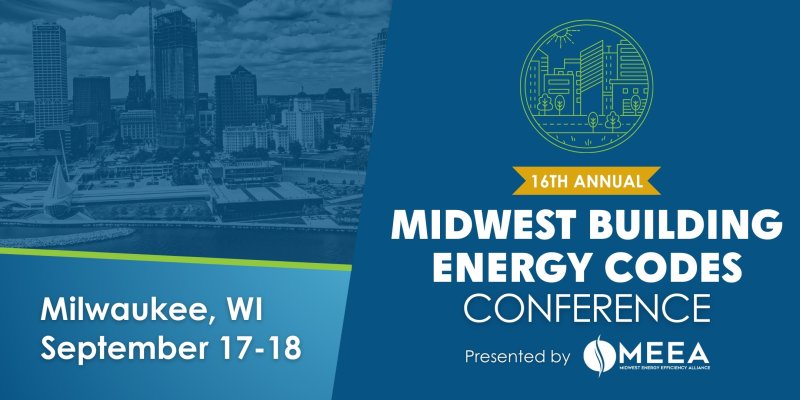
PhiusCon 2025
PhiusCon is North America’s leading passive building conference for zero energy design and construction, climate solutions, and building science expertise.
Each year, PhiusCon attracts hundreds of architects, builders, engineers, policymakers and developers from across the globe with its combination of content-rich sessions and thought-provoking keynote addresses.
PhiusCon 2025 - Tickets
| | |
| |
Nexus Sustainability Leaders Summit
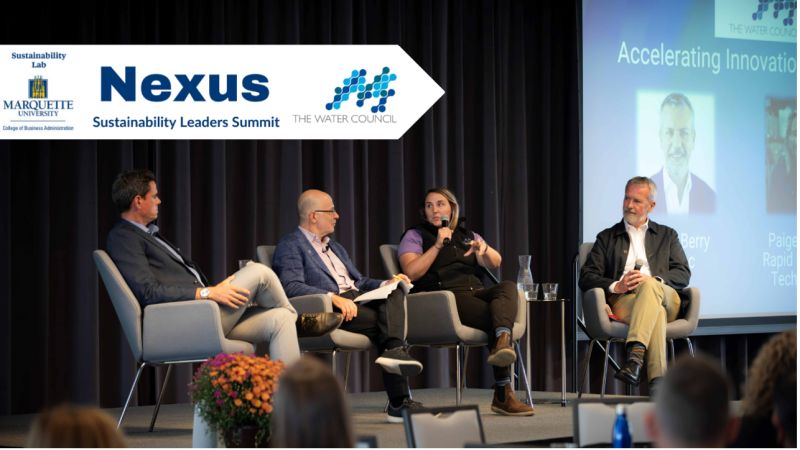
The second annual Nexus Sustainability Leaders Summit a collaboration between The Water Council and the Marquette University College of Business Sustainability Lab, will take place Oct.14 and 15 at the Harley Davidson Museum in Milwaukee, Wisconsin. The summit explores the latest topics in water, energy, resilience and innovation through thought provoking panel discussions and dynamic networking.
Nexus Sustainability Leaders Summit
| | | | |
Milwaukee Joins the Better Climate Challenge & pursues LEED for Cities Certification
In April 2025, the City of Milwaukee officially joined the U.S. Department of Energy’s Better Climate Challenge, committing to reduce greenhouse gas emissions from City operations 50% from 2019 levels by 2035. City of Milwaukee operations for purposes of the Better Climate Challenge include City of Milwaukee buildings, streetlights, city fleet vehicles and the Hop streetcar. While the City of Milwaukee will pursue and continue to make progress on its Better Building Challenge energy efficiency goal to reduce energy use 20% from city buildings, adding the Better Climate Challenge better aligns with City of Milwaukee and ECO goals to reduce GHG emissions from other sources like streetlights and the fleet, as well as the City’s goal to use 100% renewable energy to provide electricity to all city buildings by 2030. Members of the public can track the City of Milwaukee’s progress towards this goal by exploring a municipal energy use dashboard, which shows GHG emissions from City of Milwaukee operations in 2019, 2023 and 2024, and will continue to be updated.
The City of Milwaukee is currently in the process of applying for the LEED for cities certification with the US Green Building Council! LEED for cities offers local governments a clear roadmap to achieving sustainability goals and creating a greener future! Through a rigorous verification process, Milwaukee’s sustainability efforts in greenhouse gas emissions, water efficiency, transportation, and waste management, as well as the socio-economic conditions of the city will be rated alongside current environmental standards across the globe.
| | |
Act Now for State and Federal Clean Energy Incentives
During the Biden administration, Congress passed legislation that included important tax credit and rebate programs to encourage investments in clean energy technologies. However, at the direction of the Trump Administration, the most recent Congress passed laws to phase out many but not all of these tax credits, as their policy priority has shifted to encouraging fossil fuels. Resident interested in purchasing an electric vehicle must do so before September 30th, 2025, to qualify for the federal tax credit. Residential solar and energy efficiency projects must be completed by December 31st, 2025, to qualify for tax credits. (previously, the deadline was 2032). Some programs, like the low-moderate income HOME and HEAR rebate programs, remain active. Our friends at the Dane County Office of Climate and Clean Energy have a great website to explain the latest on various federal incentive programs for individuals, businesses, and non-profits. Check it out!
| |
ECO works with Milwaukee Fire Department to help Fire Stations save energy
ECO is happy to announce the completion of several energy efficiency improvements made to eleven Milwaukee Fire Department Engine Houses, thanks to a $443,642 grant from the State of Wisconsin Office of Energy Innovation. We appreciate the hard work of our partners on this project, including the City of Milwaukee Department of Public Works, the Milwaukee Fire Department, and the talented and dedicated lighting and HVAC technicians who completed these improvements. The energy efficiency improvements include the installation of high efficiency boilers at Engine Houses 3, 8, 9, and 14, as well as HVAC controls upgrades at Engine Houses 2, 8, 9 and 14, which reduce the use of fossil fuels for heating and reduces electricity use for cooling. Full LED lighting retrofits were also completed at Engine Houses 2, 8, 9, 12, 14, 22, 23, 26, 35 and 36. LED lights are generally 25-30% more efficient than fluorescent light fixtures, thereby providing significant energy and cost savings to the Milwaukee Fire Department. In addition to these improvements, educational energy efficiency posters were distributed and posted in all 31 City of Milwaukee Fire Department Engine Houses, providing tips to firefighters to continue reducing energy use and costs.
| |
ECO Staff Spotlight: Pamela Ritger de la Rosa
Pamela Ritger de la Rosa is an Environmental Sustainability Program Manager with a focus on energy efficiency and renewable energy in municipal and commercial buildings. She leads the City's interdepartmental Energy Reduction Team, tracks and reports on City energy use, prioritizes projects and more. She served on the City-County Task Force for Climate and Economic Equity where she chaired the Buildings and Energy working group. Pam says, "I love coming to work each day, focused on making my home town of Milwaukee a cleaner, greener, healthier place to live for all Milwaukeeans, and fighting the climate crisis to ensure future generations can enjoy our beautiful world."
She is currently managing a $2.6 million energy saving performance contract to install solar energy and other clean energy improvements to city buildings, completed energy retrofits in Milwaukee fire stations, and is leading implementation of the City's benchmarking ordinance. She also is a leader in ECO helping us provide better community reporting and dashboards.
| | Follow us on Social Media | | ECO posts daily news, resources, and events on social media. Follow us on the below social media channels using the handle @ecocitymke: | | |
City of Milwaukee
Department of Administration
Environmental Collaboration Office
200 E. Wells St., Room #603
Milwaukee, WI 53202
| | |
sustainability@milwaukee.gov
milwaukee.gov/eco
| | | | |