|
Fall 2023
Milwaukee Sustainability Newsletter
| |
|
Message from the Director
In June of this year, the City of Milwaukee adopted the Climate and Equity Plan. The plan was approved with near-unanimous support from the Common Council and signed by Mayor Cavalier Johnson. The Plan and its 10 Big Ideas support a new clean energy economy that provides opportunities for people of color to more fully and equitably participate in the economic life of the city.
Our job in the Environmental Collaboration Office (ECO) is to ensure that this plan does not simply sit on the shelf collecting dust. The Plan was adopted in time to take advantage of the massive new federal investments of the Infrastructure Investment and Jobs Act (IIJA) and Inflation Reduction Act (IRA). I’m grateful to the Biden-Harris Administration, Wisconsin Senator Tammy Baldwin, and Milwaukee Representative Gwen Moore for providing these federal resources and supporting equitable distribution of the funds and benefits to those most in need through the Justice40 Initiative.
We have increased ECO’s staff and contractor capacity to aggressively pursue these funding opportunities and accelerate investments in Milwaukee. As you will read in this newsletter, we have been successful in bringing new resources to Milwaukee to plant new trees and maintain our urban forest, increase environmental justice and awareness, and increase energy efficiency. We are also now supporting the Southeastern Wisconsin Regional Planning Commission to develop a regional climate action plan using the Milwaukee Climate and Equity Plan as the foundation.
At ECO, we are acting with the urgency that the climate crisis requires. It is important to note that turning community ideas into formal city plans, developing operational details, securing funding from those plans, implementing projects, and building a new workforce takes time and a great deal of coordination and hard work. The entire team at ECO is ready to seize the moment to deliver benefits to Milwaukee families and our neighborhoods. Right now, the IRA offers major new tax credits so homeowners and businesses can invest in solar and more energy-efficient equipment. Additional rebates, loans, and other support for lower-income households is expected to be available in 2024 and beyond. If you’re a homeowner or run a business, I urge you to start planning for how you can take advantage of these tax credits and programs. As more programs become available, ECO and its partners will offer educational opportunities so that everyone has a chance to reap the benefits of the new clean energy economy.
Let’s continue to collaborate to make Milwaukee a world-class, prosperous eco-city.
Sincerely,
Erick Shambarger
Director of Environmental Sustainability
City of Milwaukee
| |
Funding the Milwaukee Climate & Equity Plan | Now is a time of a historic investment in climate action, environmental justice, and workforce development. This year, ECO applied to and secured a total of $14,600,000 in grant funding alongside key partners to deliver on the actions in the Climate and Equity Plan. Several grant applications are still outstanding on other plan priorities, including funding to support electric vehicle charging and food waste recovery. ECO continues to apply to new opportunities as they become available. | | |
|
U.S. Department of Agriculture Forest Service Urban and Community Forestry Grant | The City of Milwaukee received $12 million for the "Growing Milwaukee's Tree Canopy and Community Resilience" project to coordinate local government agencies and community-based organizations in urban greening activities, the majority of which will be conducted in disadvantaged areas. These activities include tree maintenance and hazardous tree removal, tree planting and asphalt depaving, public outreach and education, and workforce development. | | |
|
U.S. Environmental Protection Agency Climate Pollution Reduction Grant | The Southeastern Wisconsin Regional Planning Commission (SEWRPC) received $1 million for a "Milwaukee Metropolitan Climate Action Plan" for Milwaukee, Waukesha, Ozaukee, and Washington counties. Milwaukee’s adopted Climate and Equity Plan will be the foundational document for the regional plan. The preliminary plan is a pre-requisite to apply for a large-scale implementation grant due in April 2023. ECO will receive $200,000 of the funding. | | |
|
U.S. Environmental Protection Agency Environmental Justice Government-to-Government Grant | ECO received $1 million for the "Healthy Homes & ECO Neighborhoods" project, which will expand awareness of and access to local and statewide housing improvement programs and federal funding sources through collaborative outreach by funding pre-weatherization home repairs for residents and distribution of housing program guides. | | |
|
U.S. Department of Energy Buildings UP Prize | Slipstream and a team of partners including ECO were one of the winners in Phase 1 of the Buildings UP prize, securing $400,000 to support planning efforts to break down the barriers to electrification and energy-efficient building upgrades through the "Cream City Climate Challenge." The Challenge is a community-scale approach to inspire weatherization and electrification and improve health and safety outcomes for the City of Milwaukee’s historically disadvantaged communities. | | |
|
ECO supported Sherman Park Community Association and Slipstream in receiving a combined $165,000 for the “Greening Congregations" project, which aims to establish a streamlined pathway for houses of worship to pursue green stormwater infrastructure and decarbonization projects in the Sherman Park neighborhood. The project focuses on faith leaders as they pursue eco-friendly actions, but also projects that could be replicated by their congregants at home and in the neighborhood. | |
ClimateView Dashboard Publicly Available | |
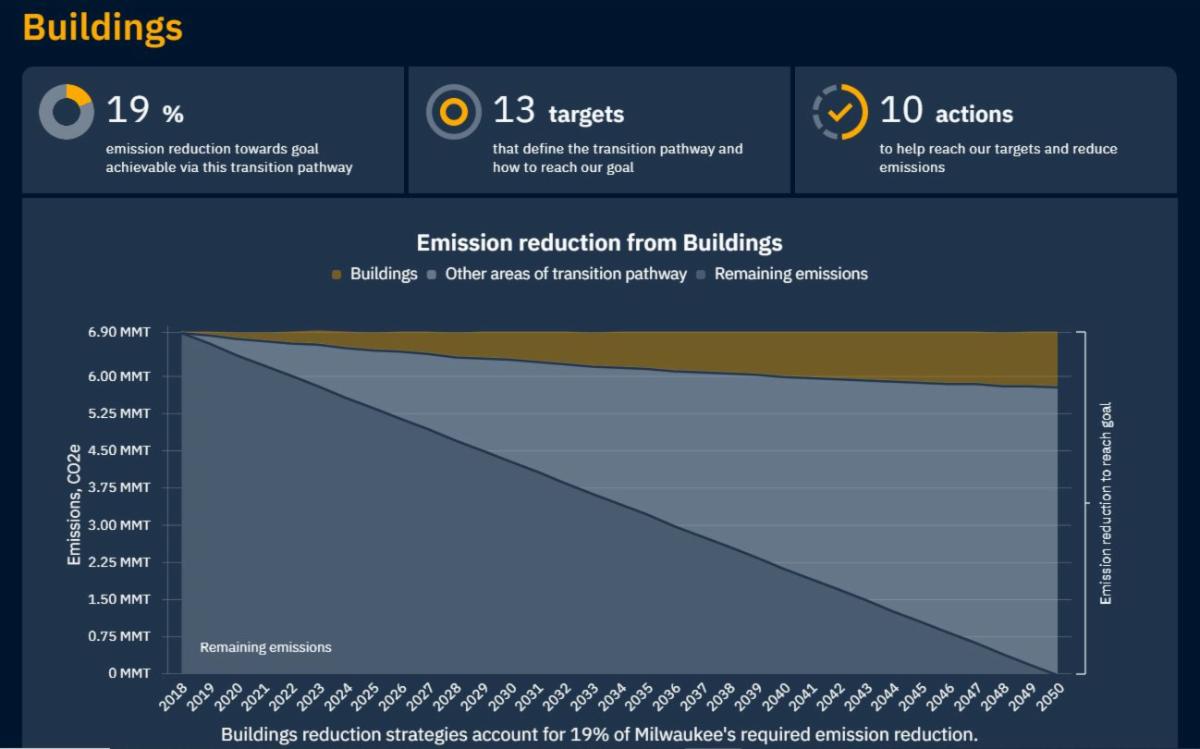
This year ECO has been working with ClimateView to launch a climate forecast and reporting tool that available online for the public to track the City's progress on climate action. The dashboard will display the programs and initiatives outlined in the Climate and Equity Plan and provide on-going status updates on implementation. The ClimateView Dashboard models emissions reductions across buildings, transportation, waste and sustainable consumption, energy production, and more. Nearly 40 policies and commitments are outlined and tracked in the dashboard to support the City's climate goals to reduce community greenhouse gas emissions 45% by 2030 and achieve net-zero emissions by 2050.
Please Note: The ClimateView Dashboard is still under development and will continue to be updated with more information in the coming months. Climate modeling for buildings is now publicly available and includes 13 targets and 10 actions for success. Transportation will be the next model made publicly available.
Although the Climate and Equity Plan should be implemented by all relevant City departments, ECO maintains responsibility and accountability for its programs and reporting on progress of the overall plan. Beyond 2023, the City will continue to use this or a similar dashboard tool to provide ongoing reporting. The ClimateView Dashboard is most geared to climate metrics. The Office of Equity and Inclusion (OEI) will continue to provide citywide equity-related metrics through its dashboard or other methods.
| |
Grow Solar Greater MKE Group Buy Program | |
|
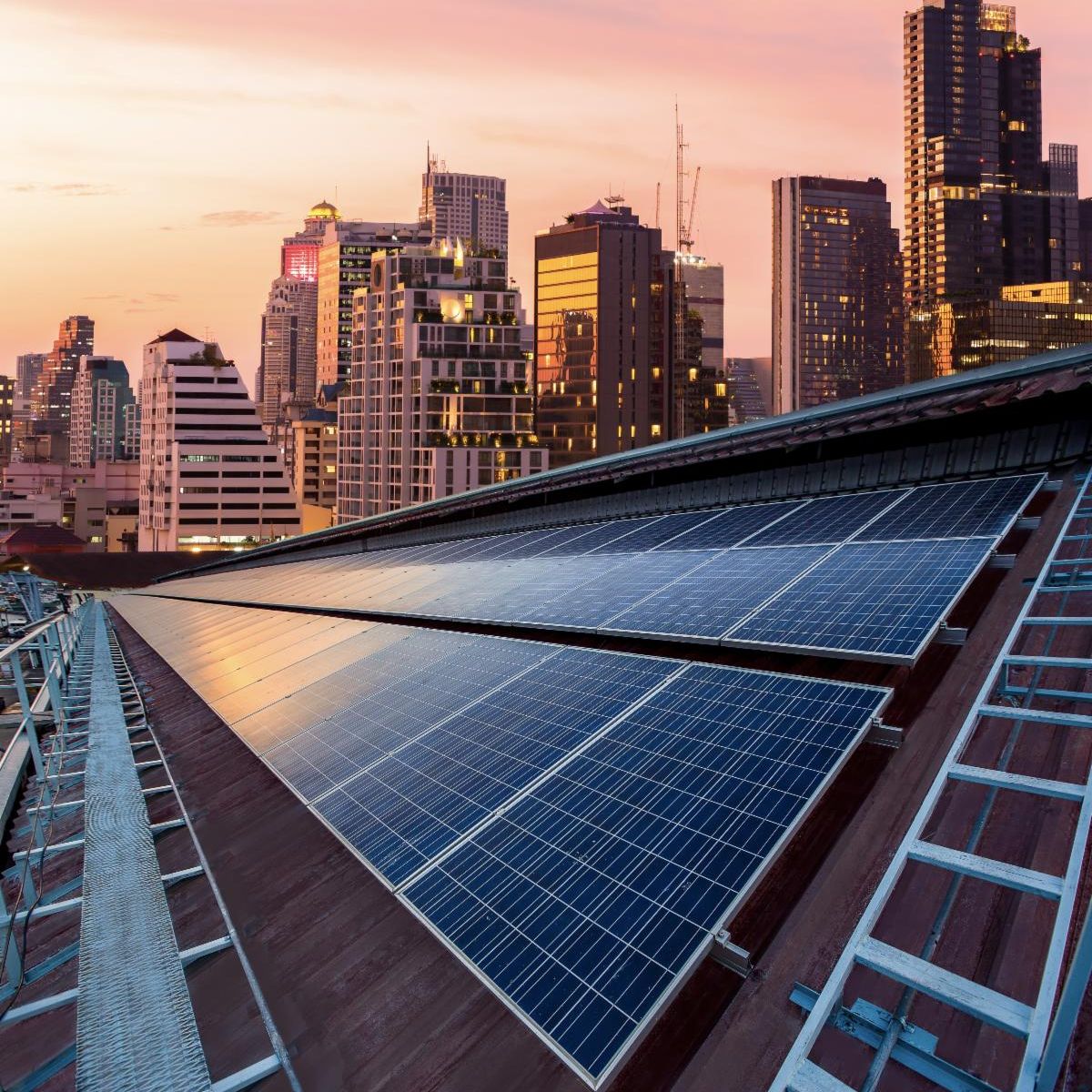
The Midwest Renewable Energy Association in partnership with ECO is closing its 2023 Grow Solar Greater Milwaukee Group Buy Program designed to bring community members together to learn about residential solar and purchase solar panels in bulk for significant cost savings and incentives not available to individual buyers. Request a solar assessment by November 30 to participate.
The Grow Solar Program is open to residents and small businesses in Milwaukee County and offers free solar education and financing sessions, solar site assessments, cost estimates for custom-designed solar systems, and below-market-rate costs for a warrantied solar system with a reputable contractor. Solar discounts can be combined with federal incentives to further reduce the cost of solar. The recently enacted Inflation Reduction Act includes a number of measures designed to promote electrification and renewable energy, including expanded tax credits for solar installations. Plus, financing for solar projects is also available through a partnership with Summit Credit Union.
Solar Power Hours were conducted this summer and fall virtually and in-person at locations throughout the city. Watch a virtual recording to learn the basics of solar and more about program details.
| |
Environmental Justice Grant Funds Healthy People, Homes & Neighborhoods Workshops | |
|
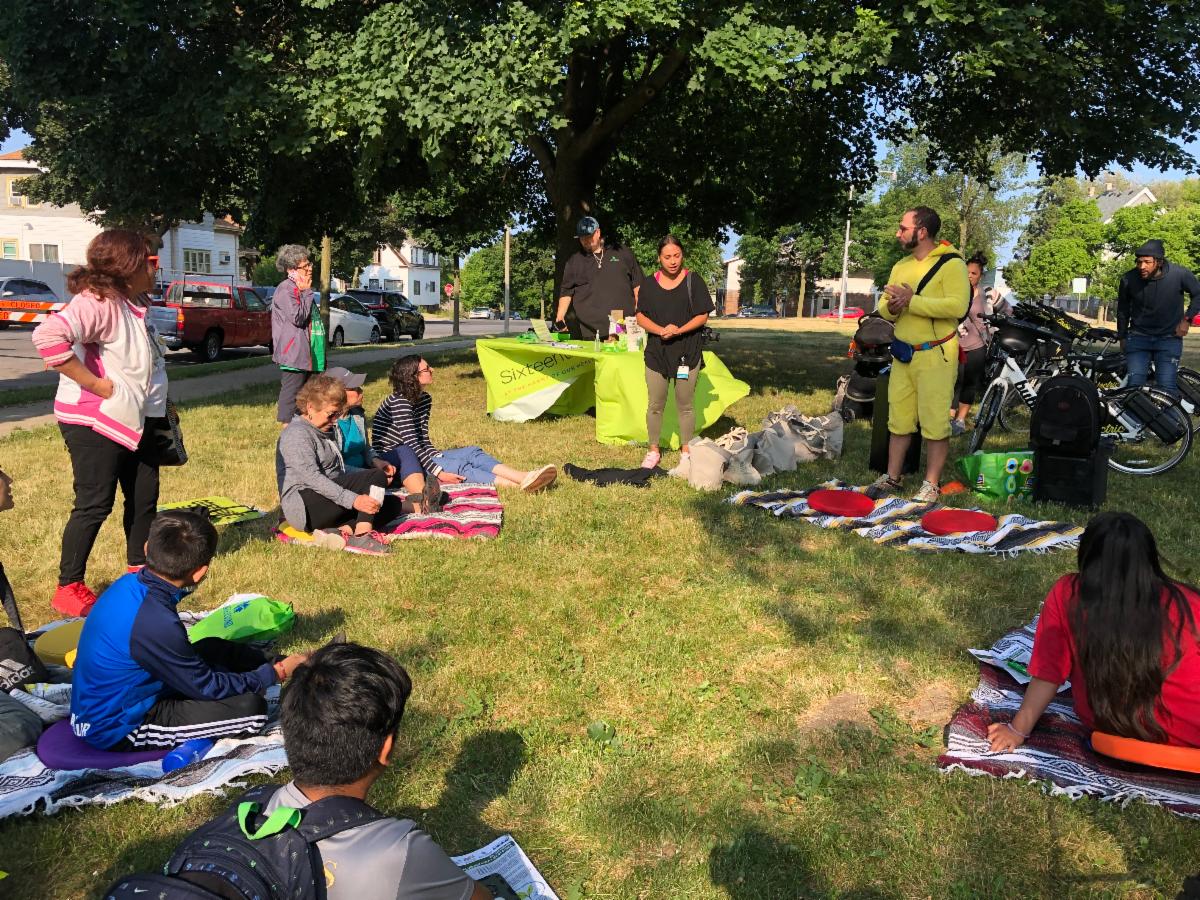
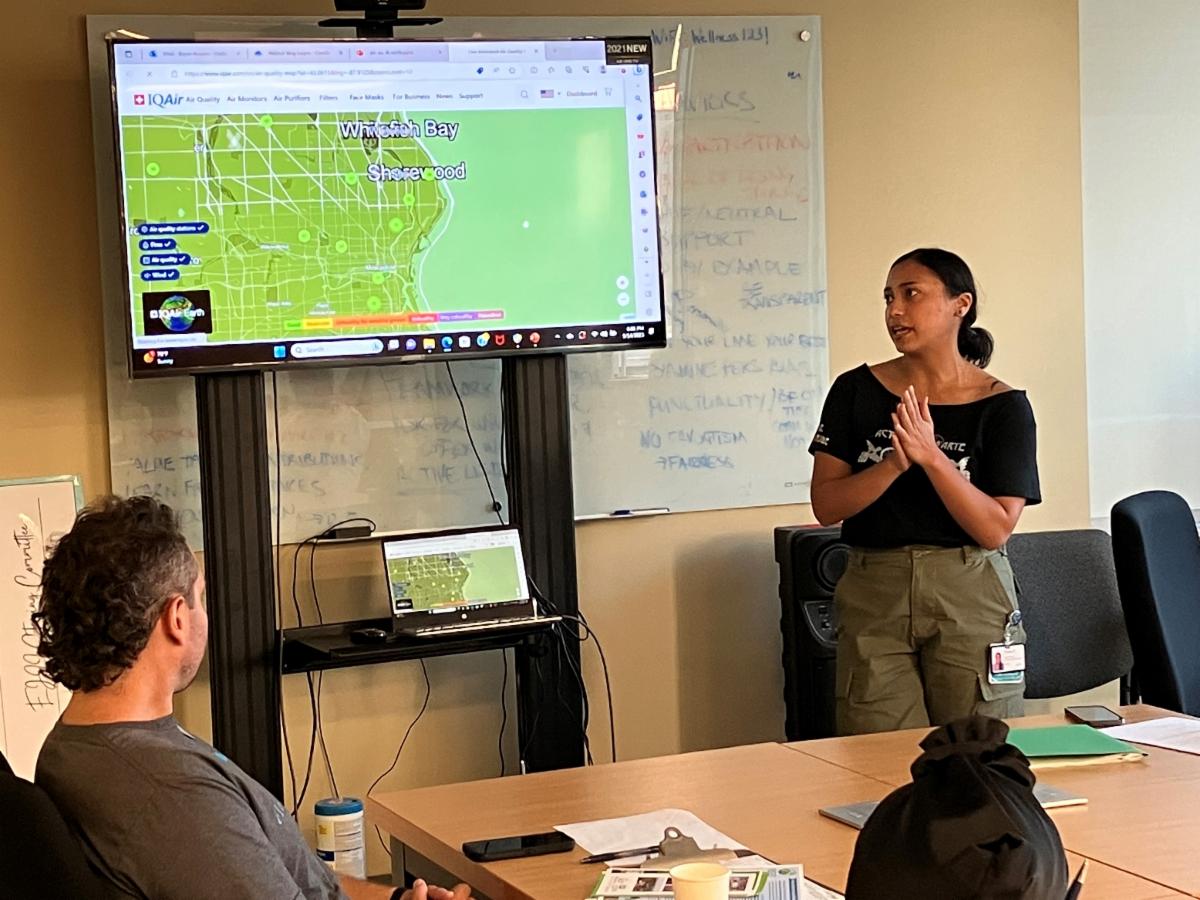
ECO has partnered with Sixteenth Street Community Health Centers (SSCHC) and Walnut Way Conservation Corp. on the U.S. Environmental Protection Agency State Environmental Justice Cooperative Agreement Program grant to offer a series of community workshops.
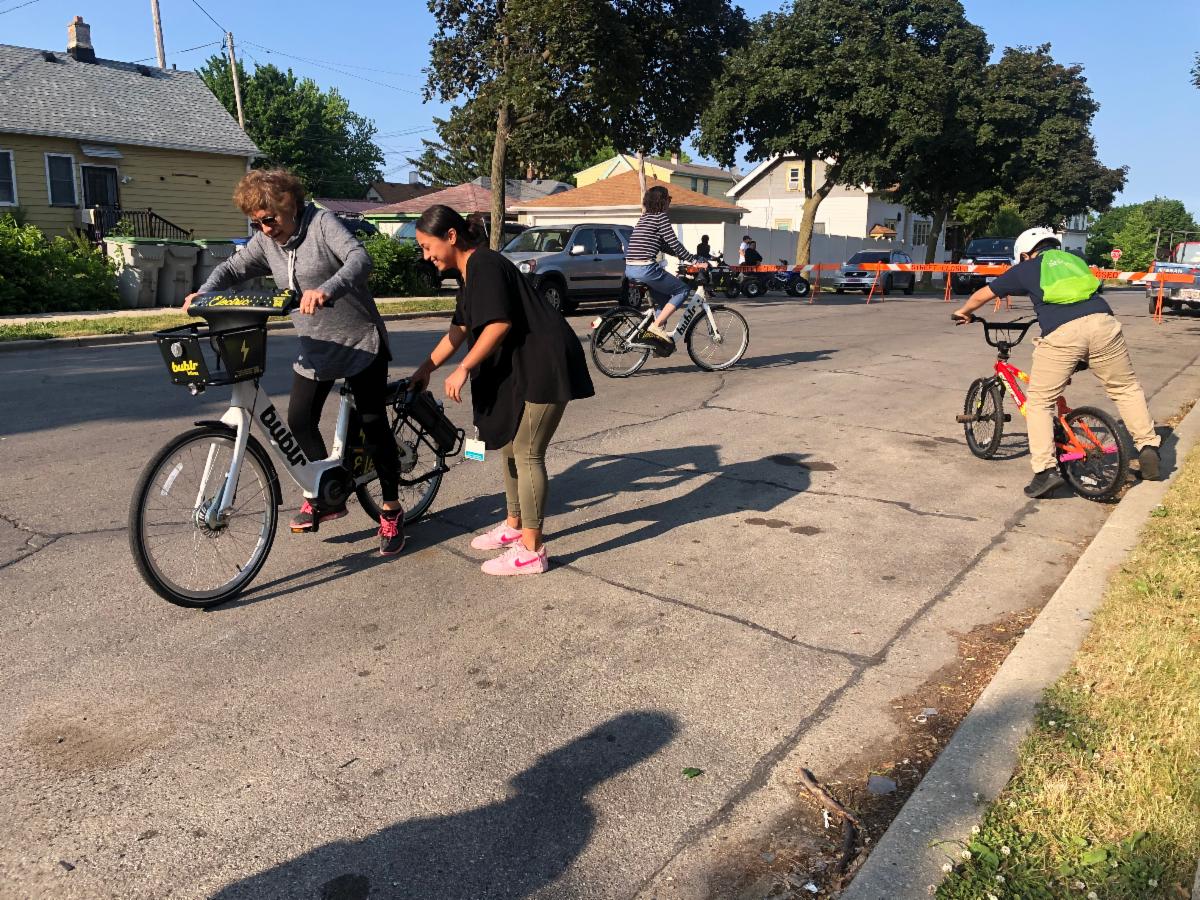
This summer, residents learned about alternate forms of transit, like biking, to reduce greenhouse gas emissions and improve environmental and personal health outcomes with SSCHC. Supporting partners Bublr Bikes and Wisconsin Bike Fed shared the importance of bike safety and how to use the local bikeshare system. Bublr Bikes supplied electric and non-electric bikes for a group ride around the park.
| |
|
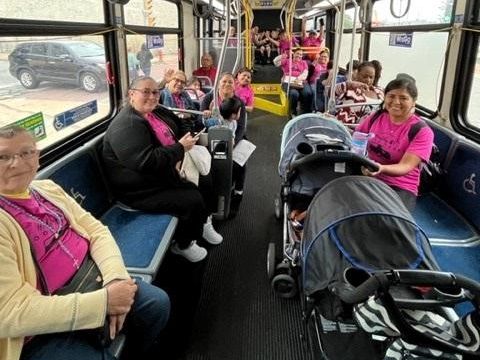
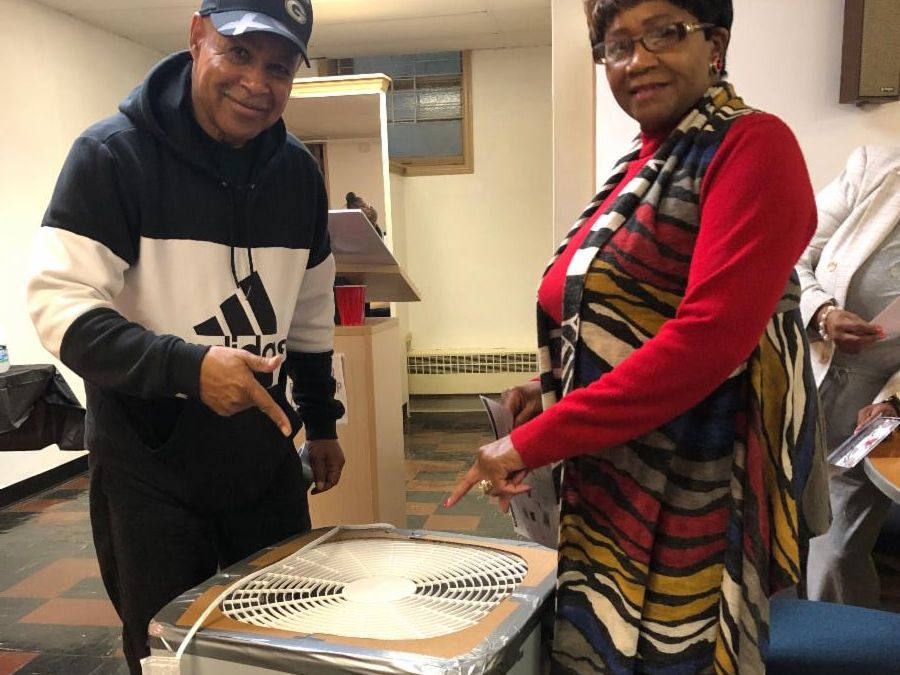
In the fall, SSCHC hosted a healthy food tours series to teach residents about indoor and outdoor air pollution with a focus on using public transportation and buying locally-grown foods. Residents rode the bus to a local grocery store and farmers market, where they received education on making healthy food choices. Walnut Way provided Do-It-Yourself Corsi-Rosenthal Boxes (air cleaners) workshops guided by the Milwaukee Health Department. Residents learned how household supplies like box fans and cardboard can be paired with HEPA air filters to create high-functioning air cleaners to improve the quality of air inside their homes, offices, or houses of worship.
As part of the workshops, residents also received Healthy Homes Resource Kits with eco-friendly cleaning supplies, carbon monoxide detectors, and resource guides.
| |
Pre-Weatherization for Deferred Residents | |
|
Milwaukee has a high number of older, energy-inefficient and structurally deficient houses that impact low-income and BIPOC households more severely than other populations. Data from the 2008 U.S. Census Bureau American Community Survey shows that Milwaukee has 249,302 homes. Nearly 131,987—more than half of these homes—were built prior to the 1950s. Inefficiencies from outdated construction leads to high household energy bills and a burden on family finances. Many older homes pose significant health risks from leaky roofs, lead paint, and fire hazards from bad electrical wiring. Structural issues like leaky roofs can force weatherization agencies like the Social Development Commission (SDC) to defer applications for the Weatherization Assistance Program.
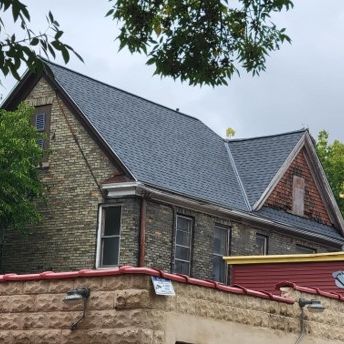
Using grant funding from the "Rewiring Homes for Equity and Efficiency" project through the Urban Sustainability Directors Network Energy Innovation Fund for Mid-Sized U.S. Cities, ECO provided gap funding to support residents' deeper housing needs, such as roof repairs, that are a prerequisite to weatherization improvements that can make the home more energy efficient and comfortable. Securing funding allowed SDC and its contractors to help three families with the critical roof repairs they needed to also make weatherization improvements like new insulation. ECO’s new Environmental Justice grant from U.S. EPA will help more families receive this kind of support.
| |
|
Fall Recap
Read about our community events this fall:
-
Sept. 19: Honoring Our Orchardists Event
-
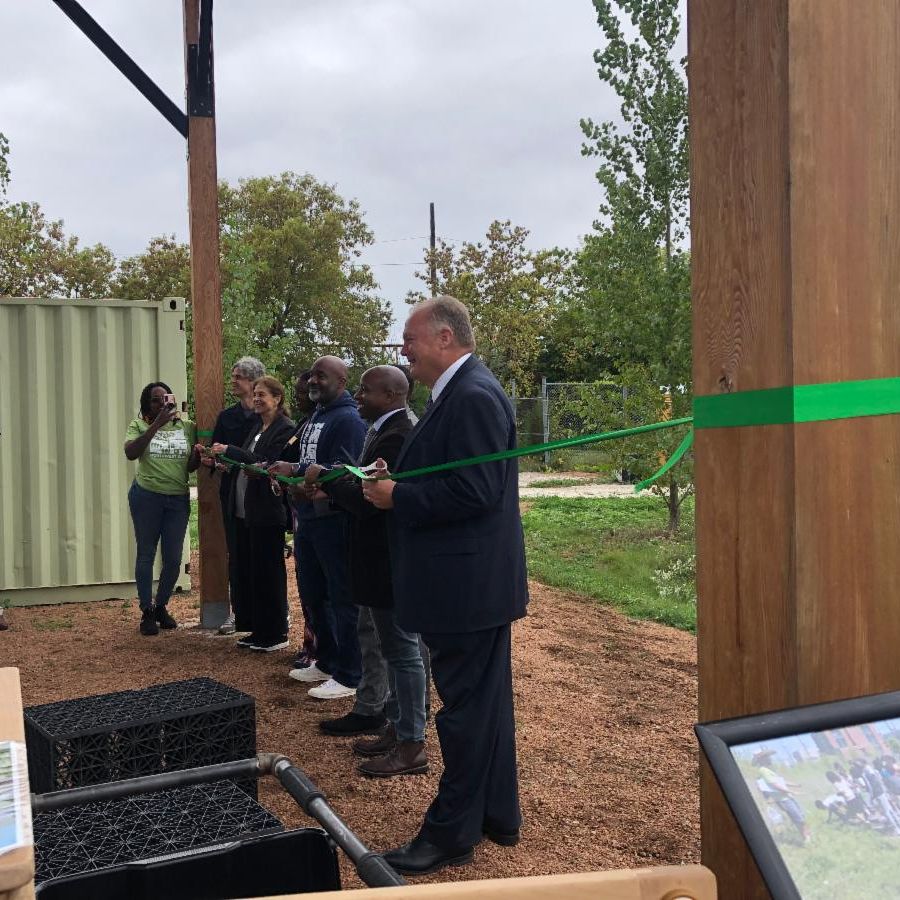
Sept. 29: Green Tech Station Ribbon Cutting
-
Oct. 11: Green & Healthy Schools Celebration
-
Aug. 2: 2023 Housing Resource Fair
| |
Honoring Our Orchardists Event | | |
|
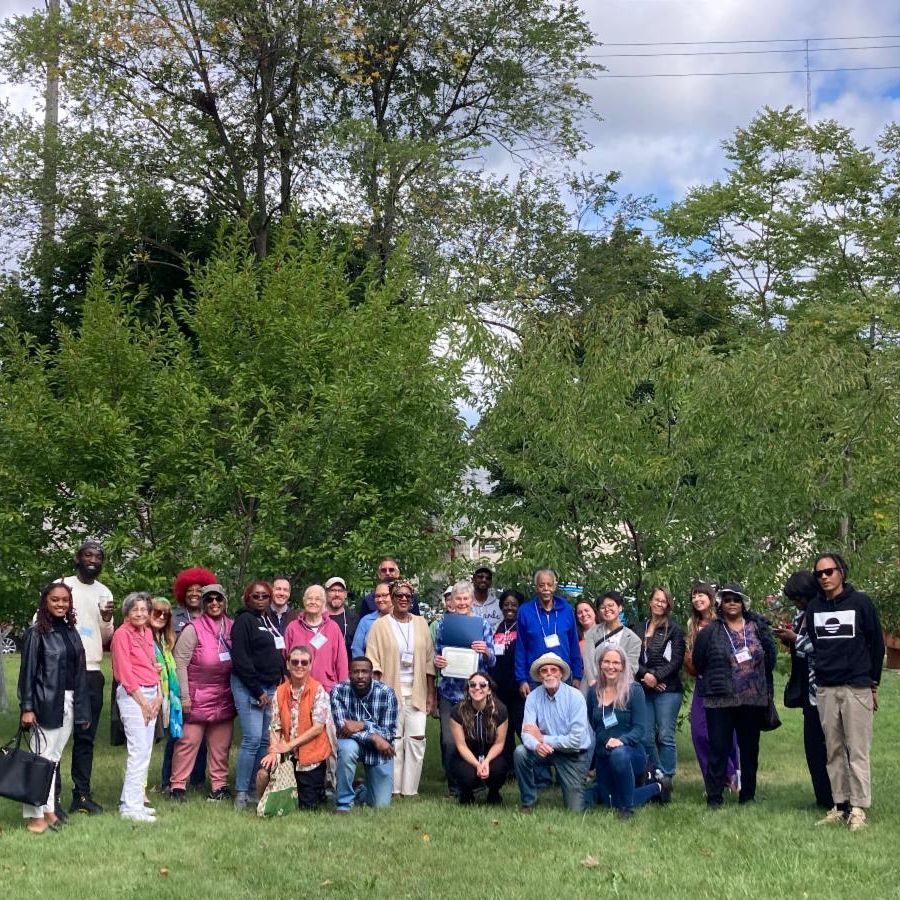
Back in 2014, ECO converted about 20 vacant, city-owned lots around the north side of the city into pocket parks and orchards to increase access to green, community spaces and healthy foods in underserved neighborhoods. ECO recognized the many volunteers that maintain the city's orchards during a private event at Samuel Sims Pocket Park. Volunteers received certificates of recognition from Milwaukee Mayor Johnson for their care and stewardship in nurturing the trees as they celebrated over fruit-based desserts and homemade apple cider. | |
Green Tech Station Ribbon Cutting | | |
|
The Northwest Side Community Development Corporation and partners cut the ribbon on Green Tech Station, a project that transformed a once-vacant brownfield into a hub for green infrastructure, environmental education, research, art, and community-building in Milwaukee’s 30th St. Corridor. Combined, the green infrastructure features such as native prairie, trees, wetland, rain barrels, bioswales, a cistern, and permeable pavement on-site manage over 100,000 gallons of stormwater every time it rains! | |
Green & Healthy Schools Celebration | | |
|
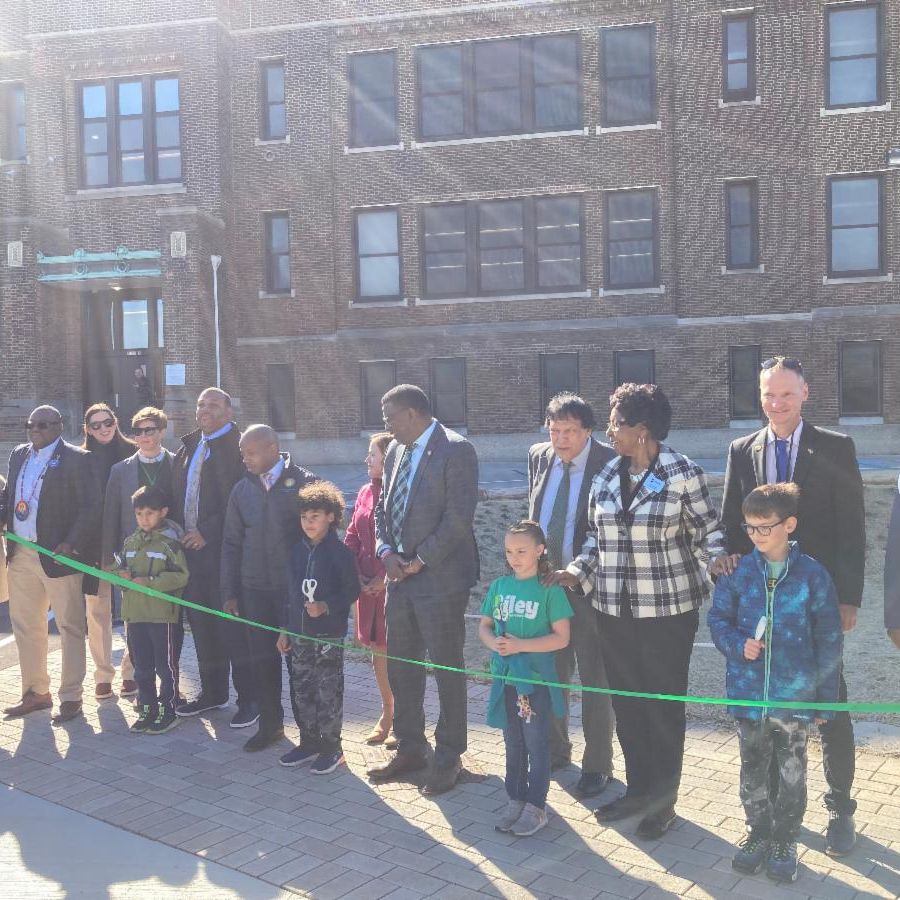
This year, Riley, Gaenslen, German Immersion, Kluge, and Mitchell schools completed construction of their green schoolyards. Mayor Cavalier Johnson joined other representatives for a ribbon cutting celebration of the green learning spaces. Green and healthy schools support the City's green infrastructure goals to capture 36 million gallons of stormwater by 2030. They also support the Milwaukee Climate and Equity Plan priority to expand nature in the city, with one of those ways through doubling the program to 10 schools a year. | |
2023 Housing Resource Fair | | |
|
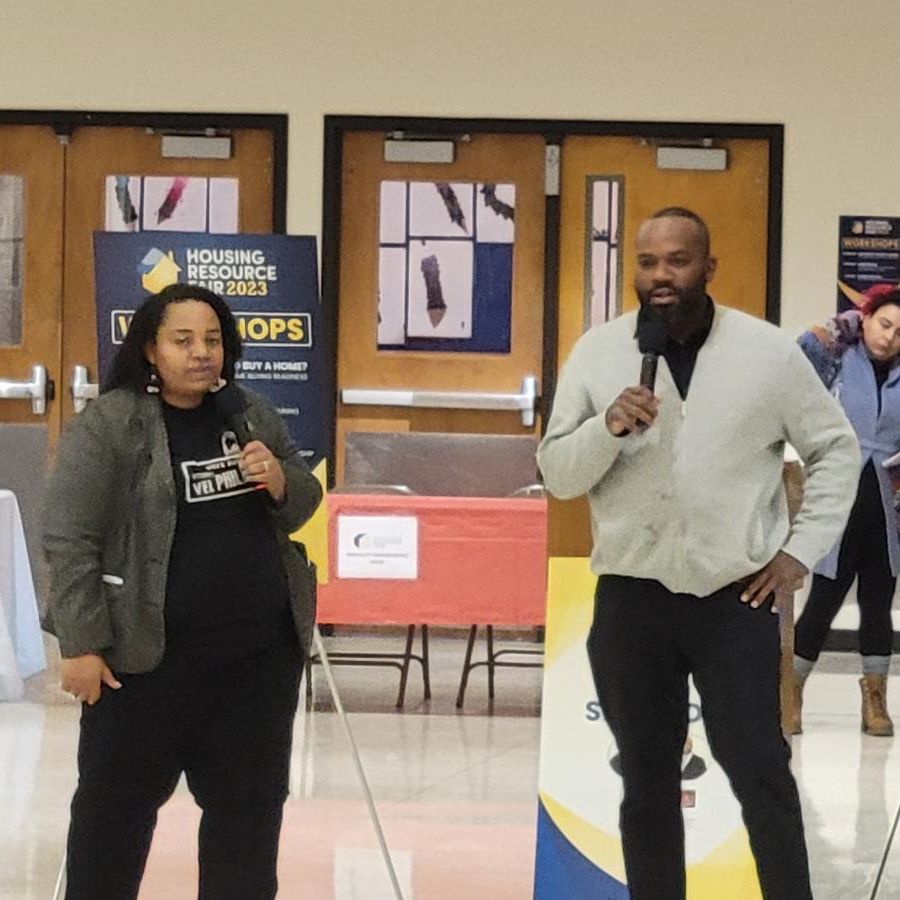
This year's housing resource fair at North Division High School was a great event to connect residents to housing programs and partners. ECO was happy to take part and share its programs that support homeowners in reducing energy use and lowering their energy bills. Homeowners can take part in ECO's Milwaukee Energy Efficiency Program or the Milwaukee Shines Solar Program to get connected to financing through Summit Credit Union loans, Federal and State incentives, trusted contractors, and educational materials | |
Quick Tips for a Sustainable Holiday Season | |
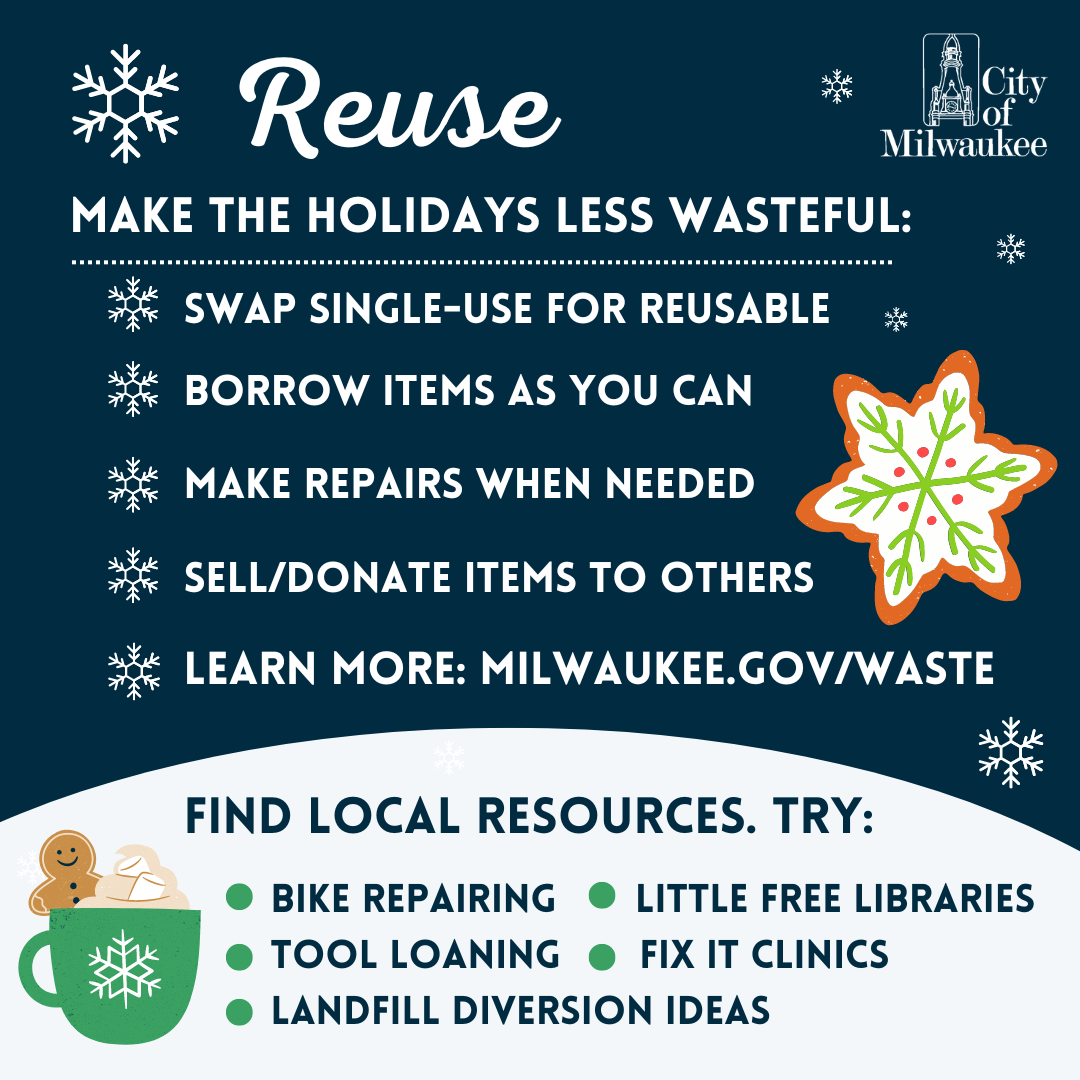
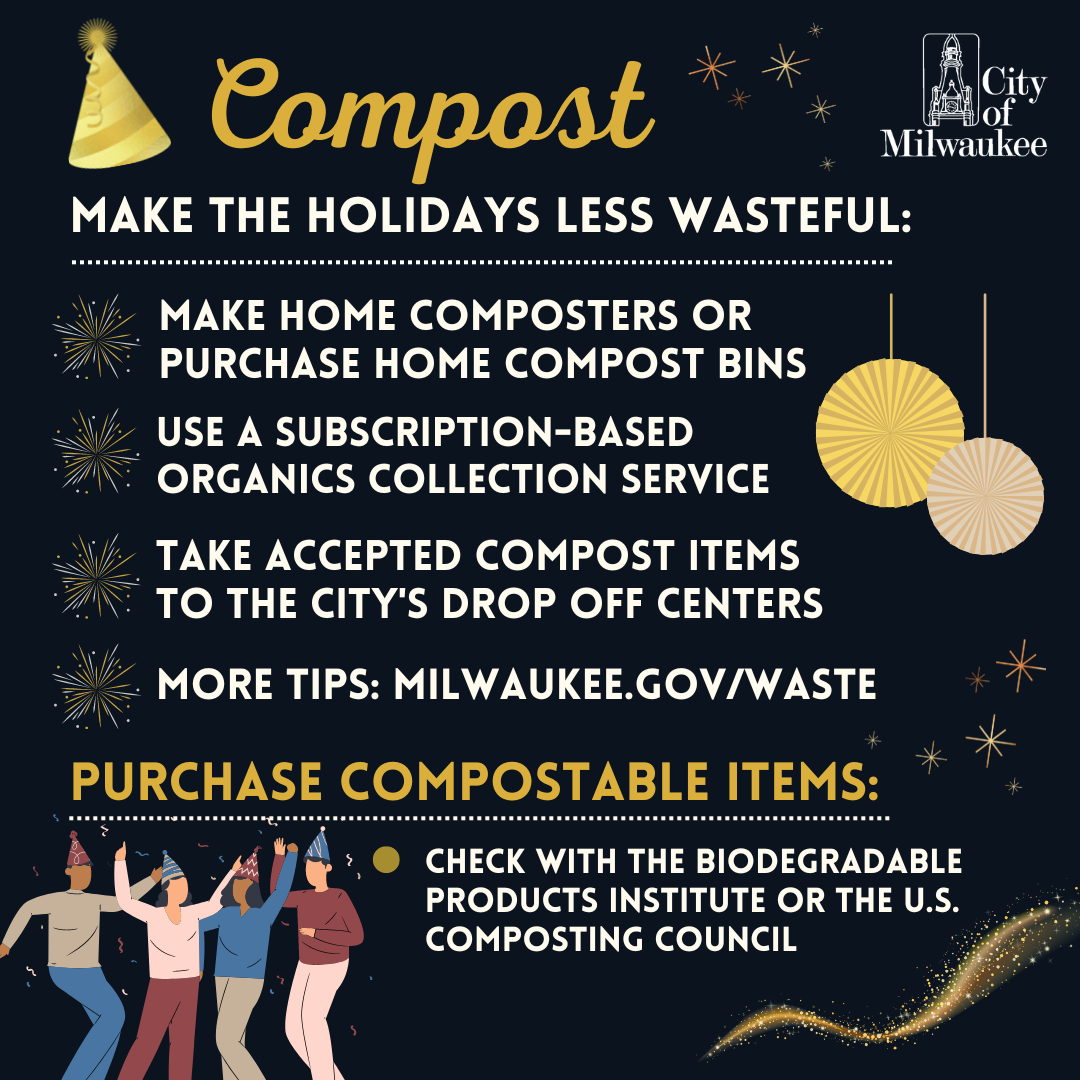
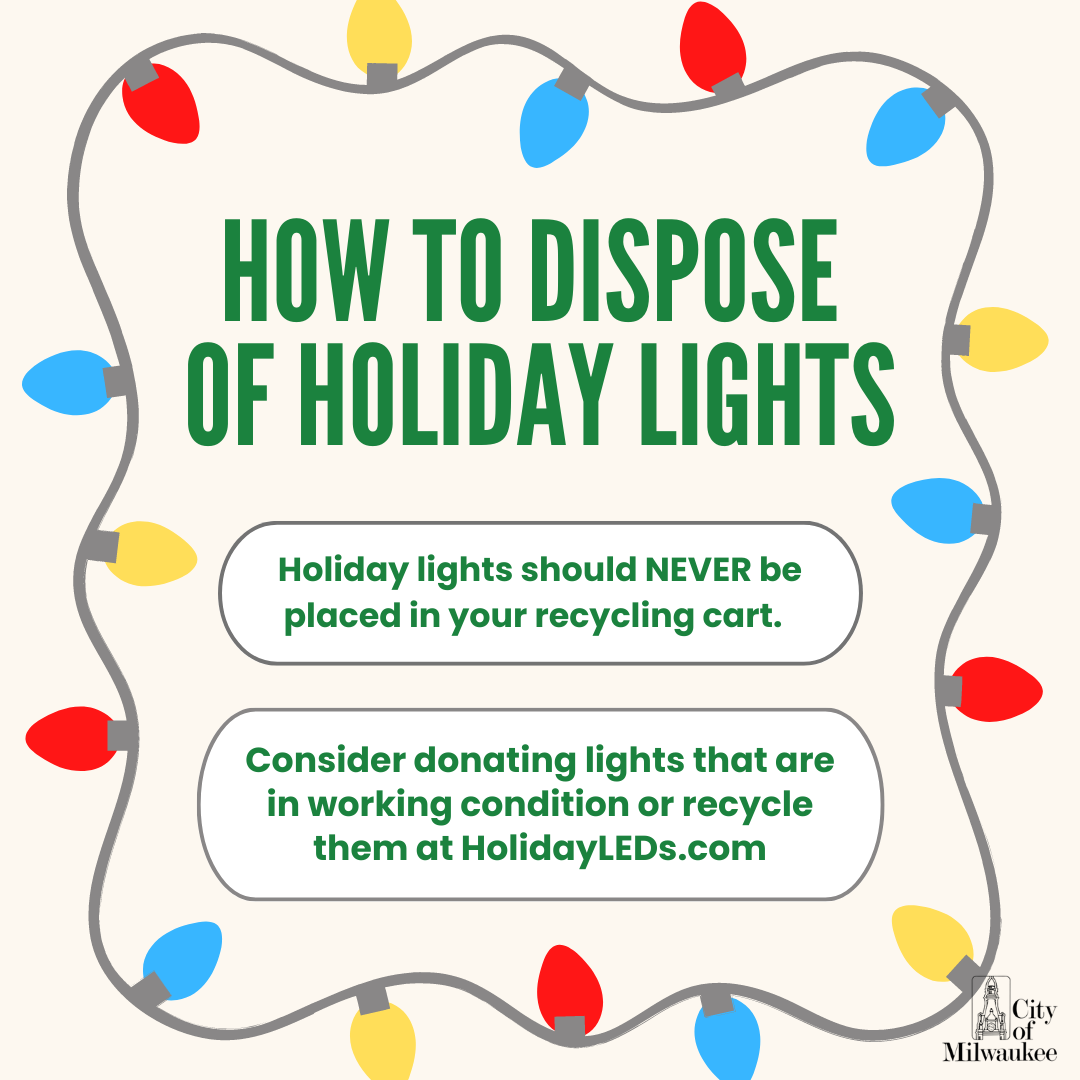
Planning a holiday party or other gathering this season? Often our public events leave our streets and waterways littered with plastic and debris, posing serious threats to the environment and health. Reference the City's Green Events Guide for considerations to help you plan a more conscious community event that protects the environment. Remember to Reduce, Reuse, Recycle, and Compost. Plus, learn how to responsibly dispose of your holiday decorations like your lights and trees. | |
Follow us on Social Media | |
ECO posts daily news, resources, and events on on social media. Follow us on the below social media channels using the handle @ecocitymke: | |
|
City of Milwaukee
Environmental Collaboration Office
200 E. Wells St., Room #603
Milwaukee, WI 53202
| |
|
sustainability@milwauke.gov
milwaukee.gov/eco
| | | | |