2026 GRA Conference Recap | | |
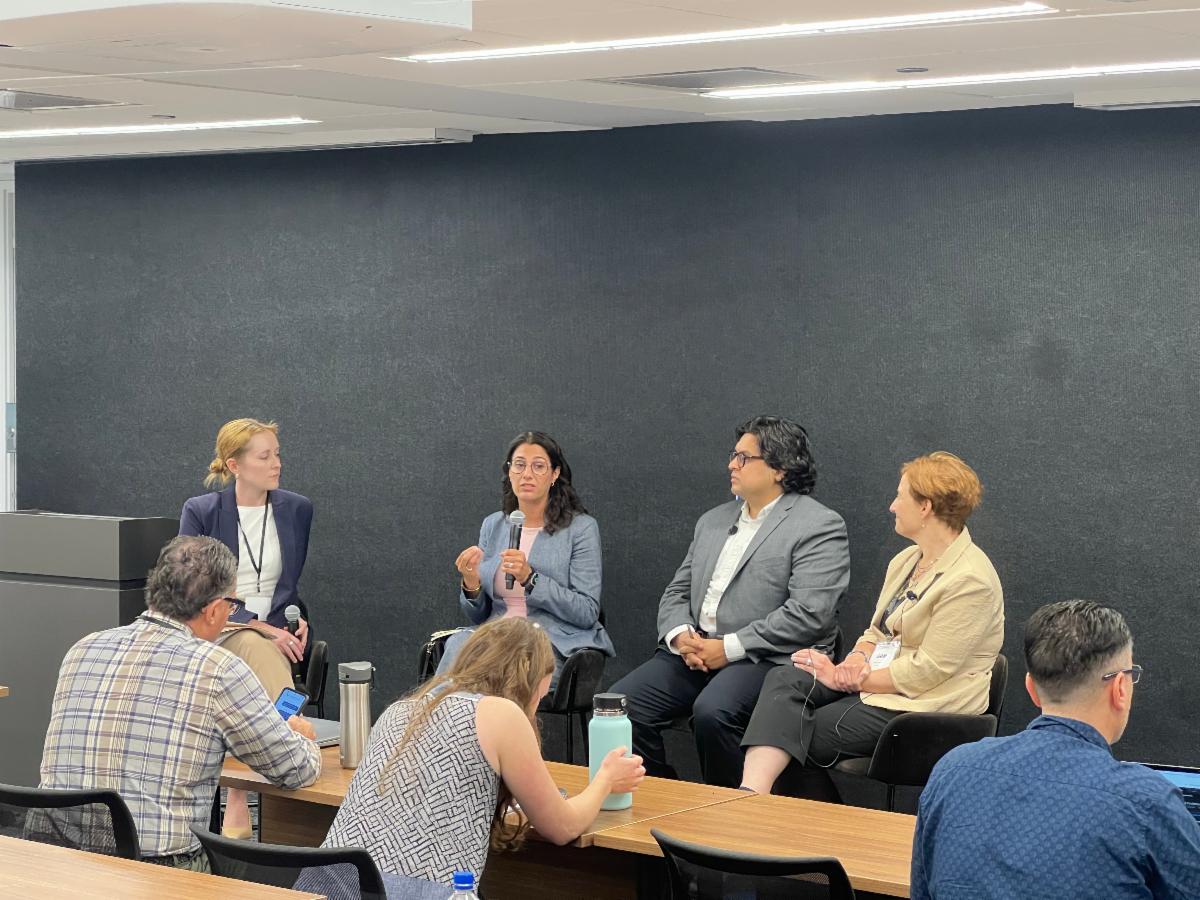
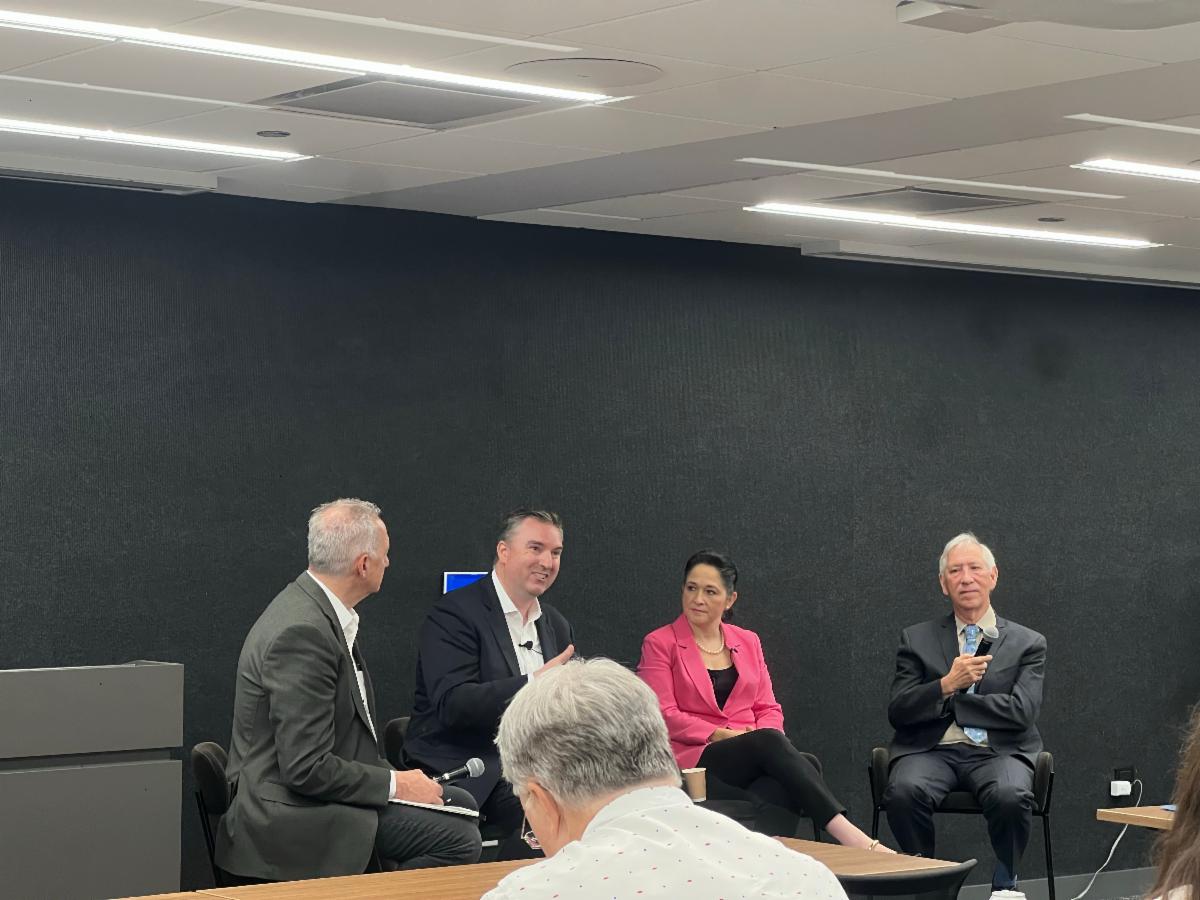
This year, the Civic Federation was proud to host the annual conference of the Governmental Research Association (GRA), bringing together government research organizations from across the country. At a time when credible, nonpartisan research is more important than ever, this was an opportunity to exchange ideas, learn from one another, and celebrate the organizations working every day to strengthen public policy and trust.
Like the Civic Federation, GRA member organizations translate complex policy issues into clear, accessible research that helps the public stay more connected to local and state government issues. Each year, the association recognizes exceptional achievements in research and communications, highlighting innovative work from across the country.
Click the links below to explore this year's award-winning projects and recipients.
Communications
Outstanding Policy Achievement
-
Citizens Research Council of Michigan for Promoting Budget Reform: Legislative Earmarks
Most Distinguished Research Award
Most Effective Education
Frederick P. Gruenberg Award
-
Dominic Calabro recognizing a lifetime of service to research organizations
| | |
CPS' Cash Crunch
Research by Daniel Vesecky
With September payroll looming, rising debt liabilities, a junk credit rating, and no cash reserves, the Chicago Public School district enters treacherous territory as the start of the new school year nears.
Without enough cash on hand and perpetually facing a deficit, CPS has been forced to incur debt in the form of short term loans called Tax Anticipation Notes (TANS) to manage cash flow issues. But handling operating expenses with short term loans is costly. Last year, CPS faced an estimated $2.1 billion in outstanding TANS liabilities and paid $43 million in interest costs for TANS alone. This year’s cash flow issues have been exacerbated by delays in property tax payments from the county — CPS' largest revenue source.
Our latest report examines CPS' cash shortage, how it got to this point, and what the district can do to alleviate the issue.
| | |
Illinois Fails to Lower SNAP Payment Error Rates Targeted by H.R.1
Research by Paula R. Worthington
New federal changes to the Supplemental Nutrition Assistance Program (SNAP) could have major fiscal implications for Illinois. Under H.R. 1, states with high SNAP payment error rates will be required to pay in to the cost of benefits beginning in FY2028. Newly released federal data show that Illinois' payment error rate increased again in FY2025, placing the State in the highest cost-sharing category and exposing it to an estimated annual cost of nearly $550 million if current conditions persist.
This report examines the latest USDA data, explains how declining SNAP enrollment has reduced the State's potential financial exposure, and explores the difficult policy tradeoffs Illinois faces. As the State works to improve program administration and maintain access for eligible residents, these new federal requirements could have significant implications for both the State budget and food security across Illinois.
| |  | |
Understanding Chicago Public Schools' use of TIF in FY2027
Research by Daniel Vesecky
Chicago Public Schools' proposed FY2027 budget reflects a shift in how the District is managing ongoing fiscal uncertainty. Rather than relying on hundreds of millions of dollars in uncertain Tax Increment Financing (TIF) surplus revenue, as it has in recent years, CPS has lowered its TIF assumption to $285 million, nearly $100 million less than it's assumed surplus last year.
This report examines the District's revised approach to TIF surplus revenue and what the changes reveal about the financial challenges that continue to face CPS. While the FY2027 budget represents a more cautious approach to uncertain revenues, significant fiscal risks remain, making the months ahead critical for the District's financial outlook.
| | | |
CPS Webinar: Understanding the Priorities, Tradeoffs, and What Comes Next
July 29
In partnership with Kids First Chicago, Civic Federation hosted an informational webinar to deconstruct and demystify CPS' FY2027 budget. The program brought together leaders from across Chicago's education landscape to unpack the district's fiscal outlook, explain the key budget issues, and discuss what the final budget could mean for communities across the city in a moderated discussion led by Kids First Chicago CEO Daniel Anello.
The program began with a high-level overview of the CPS budget by Civic Federation Senior Research Associate Danny Vesecky to discuss the district's fiscal outlook, revenue estimates, expenditures, and key priorities.
Our distinguished panel consisted of:
-
Heather Wendell — Chief Operating Officer, Chicago Education Alliance; former Chief Budget Officer, Chicago Public Schools
-
Claiborne Wade — Co-Chair, Austin Community Action Council, and Chairman, Kids First Chicago’s Equitable Funding Task Force
-
Nicole Upton — Executive Director, Ingenuity
Missed the webinar? Find the link to the webinar recording below.
| | How did you like this webinar? | | | |
Term of the Month:
Unfunded Liabilities / noun
Unfunded liabilities are obligations that are not presently backed by sufficient assets. In the context of pension systems or other post-employment benefit plans, they represent the portion of promised future benefits that has not yet been funded through employer and employee contributions or investment earnings. A higher level of unfunded liabilities indicates a larger funding gap that must be closed through future contributions, stronger-than-expected investment returns, benefit changes, or a combination of these measures.
Example: Illinois State Pensions
Illinois pension systems provide a useful example of unfunded liabilities in practice. As of June 30, 2024, the State's five retirement systems reported approximately $147 billion in unfunded pension liabilities, meaning the value of pension benefits promised to current and future retirees exceeded the assets set aside to pay for those benefits by that amount. This funding gap did not develop overnight; it reflects decades of contributions that were insufficient to fully fund promised benefits, combined with investment performance and other actuarial factors. As unfunded liabilities grow, so does the cost of financing them, requiring a larger share of the State budget to be dedicated to pension contributions rather than other public priorities.
| | |
New Early Childhood Newsletter
Following the launch of the new Illinois Department of Early Childhood (IDEC), the Civic Federation published our first Early Childhood newsletter to track all the updates related to this exciting new department. This monumental shift will consolidate several programs that were previously spread out across multiple agencies into one cohesive department, allowing children and families across the state to have greater access and transparency to the services they rely on. Throughout this pivotal transition period, Civic Federation will continue to monitor progress and keep our members apprised of the latest updates.
Find the link to our most recent Early Childhood newsletter below and visit our website to access our new interactive Early Childhood dashboard.
| |
Policy Pulse
A snapshot of the issues, legislation, and fiscal debates shaping Illinois' public policy conversation.
| | |
2025 Annual Comprehensive Financial Report
After the release of the 2025 ACFR, Civic Federation issued the following statement:
“The City of Chicago's 2025 Annual Comprehensive Financial Report confirms that the 2025 public safety pension legislation enacted by Illinois in August 2025 will substantially increase the City's long-term pension costs. Updated actuarial valuations project that required City contributions to the Police and Fire pension funds will increase by approximately $8.4 billion between 2025 and 2055, or $1.7 billion on a present value basis.
During the consideration of this legislation, the Civic Federation cautioned that increasing pension benefits without providing a dedicated funding source would create significant long-term fiscal pressures for the City. We are now able to see those long-term impacts. This outcome underscores the importance of fully evaluating the downstream fiscal implications of State legislation that imposes new financial obligations on local governments. Pension and other policy changes should be accompanied by sustainable funding plans so that local governments can meet new obligations without further straining future budgets or reducing resources available for essential public services.”
| | | |
CPS FY2027 Budget
Today, Civic Federation President Joe Ferguson released the following statement on Chicago Public Schools' FY2027 budget:
“Sound budgeting, and the law, require reliable, fact-based revenue projections. By approving an amendment that assumes $150 million in additional State funding that has neither been approved nor identified, the Chicago Board of Education abandoned those principles. The Civic Federation is deeply disappointed that the Board chose to reject the responsible fiscal approach reflected in District leadership's proposed budget and instead rely on speculative revenue to close a significant budget gap, creating needless crisis and chaos for what appears to be political objectives.
We strongly support the CEO's objection to this amendment and commend her commitment to presenting a budget grounded in realistic financial assumptions.
By adopting a budget that relies on uncertain State revenue, the Board has increased the District's financial risk. If these funds do not materialize, CPS will likely need to enact mid-year cuts and layoffs and further delay the long-term reforms needed to restore the District's financial stability. Ultimately, it is Chicago's students and their families who bear the immediate consequences of today's decision.”
| | |
Get Involved with the Civic Federation
Join a network of civic, business, and nonprofit leaders who are shaping the future of Chicago and Illinois. Civic Federation members bring deep expertise across a wide range of sectors—and a shared passion for civic engagement, collaboration, and driving real change.
Membership includes access to a series of exclusive programs and events held throughout the year, connecting you directly with Civic Federation staff, public officials, subject-matter experts, and fellow leaders. These gatherings spark dynamic conversations, foster new partnerships, and turn bold ideas into actionable solutions for our region’s most pressing challenges. We offer several levels of membership, thoughtfully calibrated to organization type and size, individual needs, and the desired level of engagement and impact.
| | Civic Federation In the News | | |
Highlights from Recent Months
Each month builds on the last. Explore our past work on Chicago and Illinois’ fiscal health, governance reform, and good government:
| | Want to dive deeper into the Civic Federation's work? Visit our Research Library to explore our research by government and topic area. | | | | |