News & Updates

MEMPHIS'S NONPROFIT NEWSROOM

Donate
 

A letter from our Civil Wrongs coordinator

January 17, 2024

Dear Reader,


Slavery was still happening in eastern Arkansas in the 1930s — seven decades after Emancipation.


Efforts to seek better pay and working conditions by the Southern Tenant

Farmers Union, a rare interracial labor organization, sparked violent backlash from the planter class. One sheriff’s deputy went so far as to arrest and enslave eight Black men on trumped up charges so they could work without pay on land that he was leasing.

Laura Kebede-Twumasi

In Season 3 of the Institute for Public Service Reporting’s podcast Civil Wrongs, we explore the federal investigation that followed and talk with descendants of people connected to this case who only recently learned this piece of their family history.

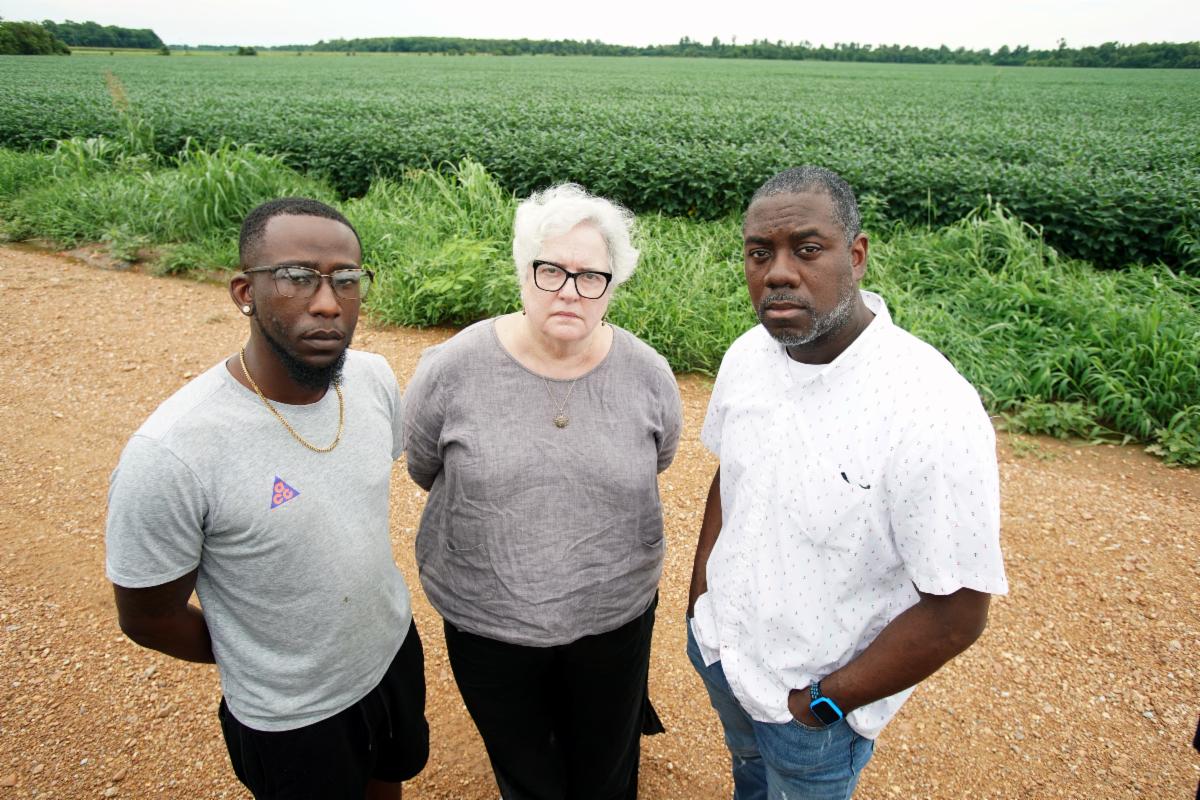
Lekendrick Bunting, Carla Peacher-Ryan and Marquette Smith in Earle, Arkansas, where their ancestors were involved in a forced-labor case in the 1930s. (Karen Pulfer Focht)

But this overlooked piece of history also has repercussions for today. The stereotype that Black people are inherently lazy and morally corrupt is also widely used to characterize people with addiction – and some treatment facilities may be capitalizing on that misrepresentation to pay for their programming.

It’s called work therapy. Every year, thousands of people are required to work without pay as part of their substance abuse treatment. The concept is being challenged in courts across the nation and experts say there’s no proof it helps people overcome addiction.


You can go here to listen to the season’s two episodes. You can also read a long-form narrative version of the story here.


If you think stories like these are important, leave us a review and share the podcast with your network.

Laura Kebede-Twumasi


Some of our latest stories


Since 2013, more than 600 children have died due to firearms in Tennessee

Federal Judge Orders TVA to Divulge Salaries of 4 Regional Vice Presidents


MPD Officer Avoids Discipline By Taking New Job in Mississippi

Police Shooting Videos Are Being Released Faster, Yet Questions Remain

Who We Are


We believe in the Fourth Estate's vital role in democracy.


We value the journalist's duty to impartially "explore and explain” complex issues that impact metropolitan Memphis and its citizens.


We believe quality local journalism leads to an informed electorate and is among the highest forms of public service.


We are duty bound to prepare the next generation of journalists in support of this essential mission.


The Institute is led by director Marc Perrusquia, who worked nearly 30 years as an investigative reporter at The Commercial Appeal. He’s the author of the 2018 book “A Spy In Canaan,’’ which exposed civil rights photographer Ernest Withers’ secret life as an FBI informant and inspired the 10-part podcast “Ernie’s Secret” and the documentary film “The Picture Taker,’’ to be released on PBS in January.

The Institute’s associate director, David Waters, worked more than 30 years at The Commercial Appeal and another four at The Washington Post. He is revered as Memphis’s best news writer and is beloved for his work exploring faith, child poverty and education

Laura Kebede-Twumasi is a Report for America corps member. She recently hosted and wrote WKNO public television’s special “History, Justice and the Journalists” on unresolved civil rights crimes in the Memphis area. She previously covered education inequities for Chalkbeat Tennessee and local government and religion for the Richmond Times-Dispatch.  

 
CONNECT WITH US!
Facebook  Twitter