A regional resource for climate advocates
January 26, 2022
|
|
Energiesprong (‘energy jump’) is finding ways to make buildings more efficient without requiring major construction projects.
By Adele Peters, Fast Company, January 14, 2022 | Photo: courtesy Self-Help Enterprises
Every building on the planet will have to get to net-zero emissions by the middle of the century to meet global climate goals—and since most of the buildings that will exist then have already been built, that means a massive number of home retrofits will have to happen to shrink energy use and replace old equipment like gas furnaces.
“In the U.S., that’s around 3 to 6 million buildings per year that need to be fully decarbonized,” says Martha Campbell, a principal in the Carbon-Free Buildings program at the energy nonprofit RMI. In Europe, by another calculation, roughly 15,000 houses need to transform every day for the next 30 years.
That’s not happening now. But in the Netherlands, one program is demonstrating how the process could speed up. Energiesprong (which translates to “energy jump”), a nonprofit that the Dutch government helped launch a decade ago, is coordinating a system of mass retrofits. Read more.
|
|
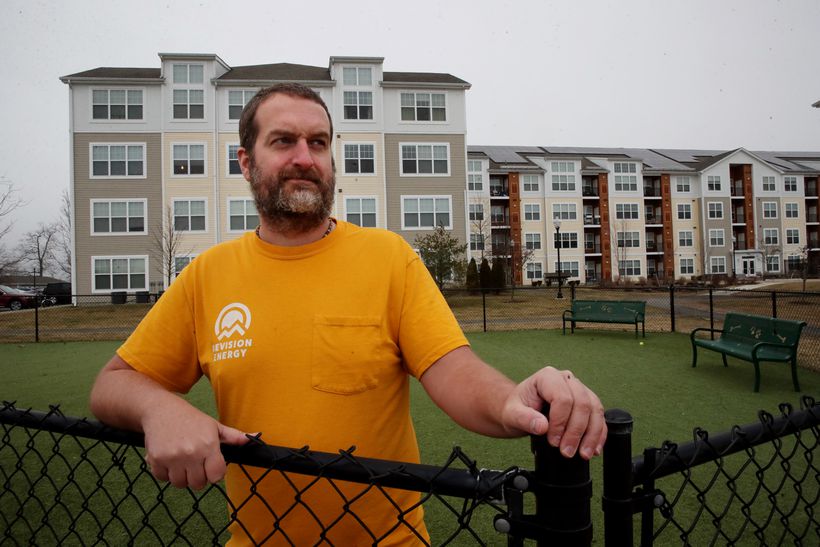
After months of delays, state approves doubling of solar energy
By Sabrina Shankman, Globe Staff,Updated January 23, 2022 | Photo: Craig F. Walker, Globe Staff
James Manzer of ReVision Energy at the site of an apartment complex where solar panels have been installed in Marlborough. The project had to be scaled down and many others were cancelled or delayed when the state DPU took 18 months to approve what was considered to be an uncontroversial expansion of the state's solar program.
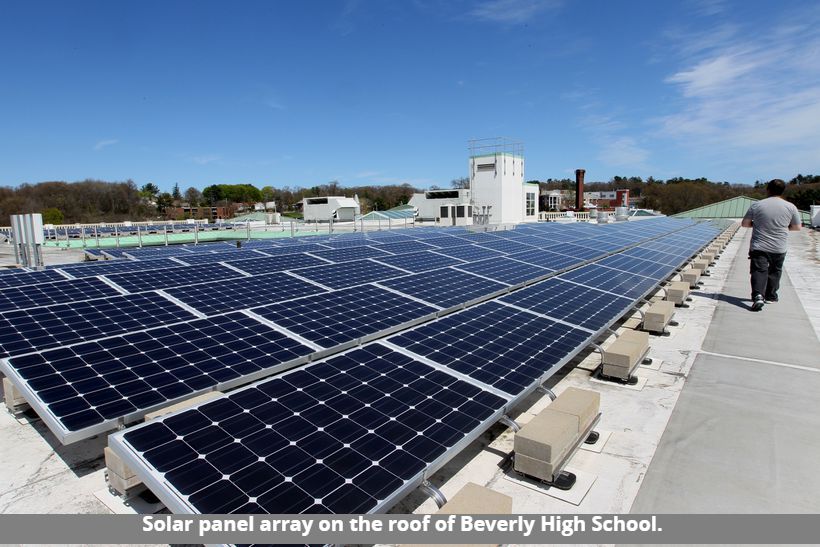
If Massachusetts is to quickly cut carbon emissions to meet its 2030 emissions mandate, then solar panels will have to be just about everywhere: on rooftops of houses, apartment buildings, and schools, sprawling across fields and parks, lining highway medians.
And it needs to happen soon. The state’s plan to import hydropower from Canada is on life support, and wind energy projects take a long time to bring online. So the pressure on solar to deliver, and deliver quickly, has never been greater.
Yet, for more than a year, plans for a big buildout of solar languished in a bureaucratic limbo. Permits and initial review complete, hundreds of solar projects were ready to go but for one thing: a green light from the state’s utility regulator that would free up funds to subsidize them. Read more.
|
|
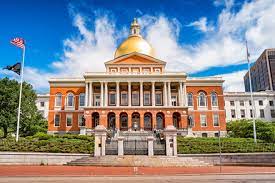
Baker-Polito Administration Launches First-in-the-Nation Commission on Clean Heat
Commission Will Advise the Administration on Approaches to Reduce GHG Emissions in the Buildings Sector
Craig Gilvarg, Massachusetts Executive Office of Energy & Environmental Affairs, January 12, 2022
BOSTON — The Baker-Polito Administration today announced that the members of Massachusetts’ first-in-the-nation Commission on Clean Heat were sworn in, helping to advance the Commonwealth’s ambitious goals to reduce Greenhouse Gas emissions in the buildings sector.
The Commission, which was created via Executive Order 596, held its first meeting on Wednesday, January 12, 2022, and over the next year will advise the Administration as it works to achieve Net Zero emissions by 2050. The Commission membership, representing a wide range of backgrounds and expertise including affordable housing, energy efficient building design and construction, health care and real estate, will identify policies and strategies and recommend a framework to achieve emissions reductions that is well-balanced, affordable, and equitable. Read more.
|
|
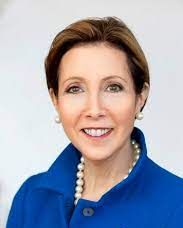
Dorothy Savarese, Cape Cod 5 CEO, Climate Collaborative board director appointed to commission
We are pleased to share that Dorothy Savarese-- Chair and CEO of Cape Cod Five and Cape Cod Climate Change Collaborative board director--has been appointed by Governor Charlie Baker to serve on the first-ever Commission on Clean Heat, a new state committee that met for the first time this month.
The committee will be comprised of a group of 21 subject matter experts from various sectors across the state who will work together to make policy recommendations to the Governor on ways to reduce Greenhouse Gas emissions in the building sector, and help the Commonwealth achieve its 2050 Decarbonization Roadmap goals.
|
|
All around Massachusetts, cities and towns want to go fossil fuel free. Here’s why they can’t.
By Sabrina Shankman, The Boston Globe, January 18, 2022 (Photo: Joanne Rathe)
Across Massachusetts, dozens of cities and towns have said they want to outlaw the use of fossil fuels in newly constructed buildings — considered an easy and effective step toward a carbon-free future.
The state’s new climate legislation aimed to do just that, and required the state to come up with a new building code that would allow cities and towns to move ahead. he Baker administration promised a draft by fall 2021 but failed to deliver. And now some climate-concerned legislators want the administration to answer for it. Read more.
|
|
Quotes of Note
“This [Clean Heat] Commission brings together a diverse,
experienced and thoughtful group of experts and stakeholders to help our Administration develop the policies and strategies we will need to meet the challenges associated with decarbonizing the buildings sector in Massachusetts."
— Governor Charlie Baker
|
|
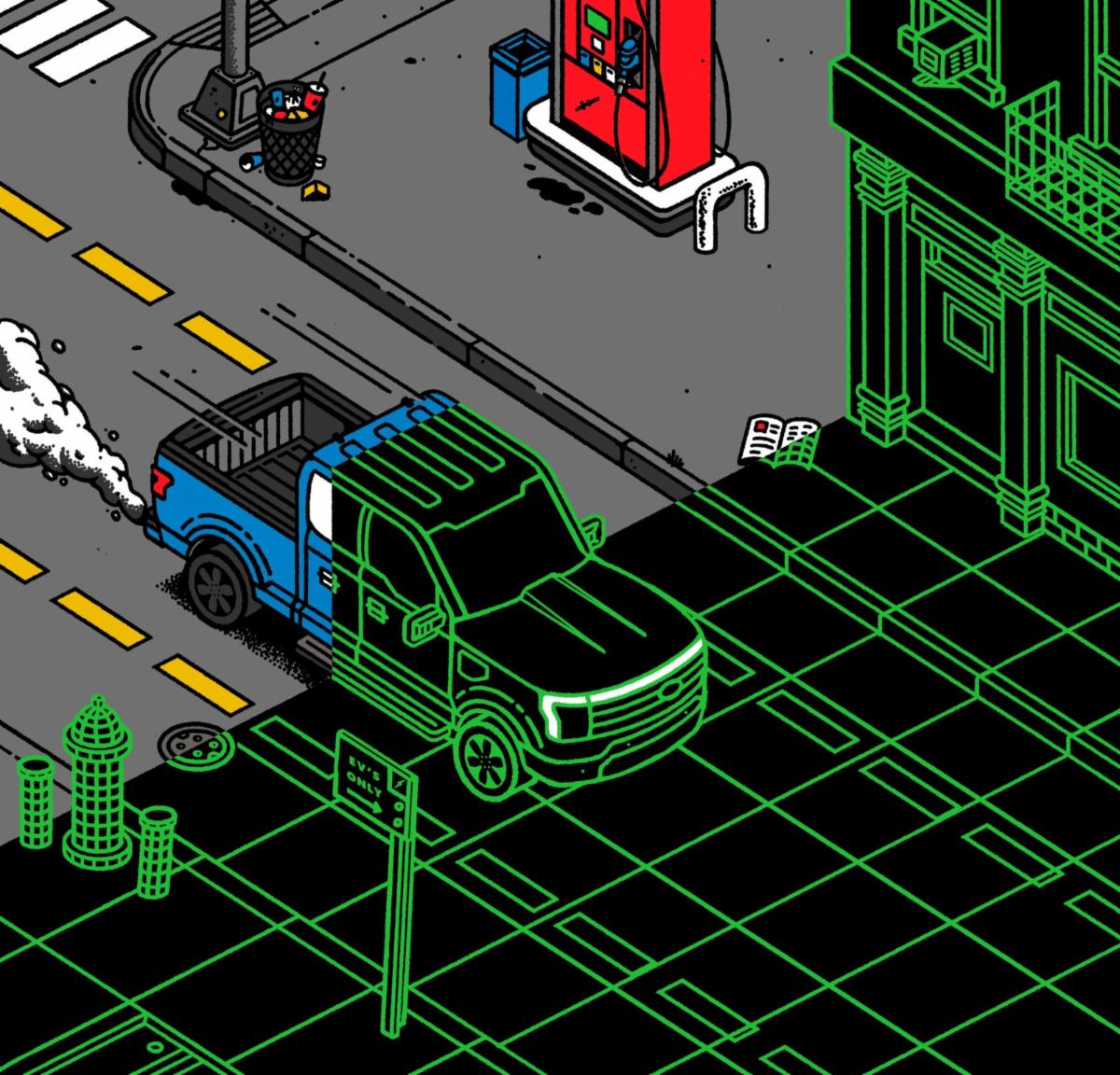
America’s Favorite Pickup Truck Goes Electric
Ford’s F-series trucks make up the best-selling vehicle line in the U.S. Can its new F-150 Lightning compete with Tesla in the E.V. market?
By John Seabrook, The New Yorker, January 24, 2022
When I was twelve, in 1971, the walls of my bedroom in southern New Jersey were covered with full-page photographs of rail dragsters and “funny cars” with swollen engines which I carefully razor-bladed from hot-rod magazines. My older cousin Charlie Seabrook and his car, the Jersey Jimmy, were well known on the East Coast drag-racing circuit. On Saturdays in warmer weather, Charlie and his brother Larry would work on engines down the road from my family’s farm, and I would hang around and watch, in love with the words they used—which showed up a few years later in Springsteen lyrics like “Chrome-wheeled, fuel-injected, and steppin’ out over the line,” in “Born to Run,” and “Fuelie heads and a Hurst on the floor,” from “Racing in the Street,” a song about guys like Charlie, the “hot-rod angels / Rumbling through this Promised Land.” Read more.
|
|
No, Really, Flying Taxis Are Getting Close to Takeoff
Billions of dollars have flowed into companies working to change “eVTOLs” from a gimmick to a standard mode of transportation.
By Christopher Jasper, Bloomberg News, January 13, 2022 (Illustration: Pete Sharp for Bloomberg Businessweek)
Startups around the globe are in the final stage of developing and refining the technology behind what the industry calls eVTOLs, or electric vertical takeoff and landing aircraft. These flying taxis are battery-powered and, the companies say, destined to fly without a pilot—once regulations allow. Billions of dollars flowed into the sector in 2021, as well as an impressive number of orders, mostly from commercial airlines. The next 18 months will be pivotal for the fledgling industry, as manufacturers run vital test flights and finalize plans for so-called vertiports and regulators consider how best to guarantee safety. Read more.
|
|
The US Refuses to Fall in Love With Electric Cars
As China and Europe lead the race to make electric vehicles mainstream, America lags behind. This is a problem.
By Chris, Stokel-Walker, Wired, January 21.2022
In December 2021, sales of electric vehicles overtook sales of diesel cars for the first time in Europe, as 176,000 EVs rolled out of car dealerships across the continent. At the same time in China, the country’s automotive industry announced that EV sales for the year had ballooned by 158 percent compared with 2020, as more than 3.5 million vehicles took to the roads.
These sales figures were not a blip. In Europe, EVs made up an estimated 14 percent of all new vehicles sold in 2021, according to the banking and financial services company ING. In China, it was 9 percent.
In the United States? Not so much. EVs made up just 4 percent of vehicles sale last year. While the world falls in love with electric cars, the US is holding out. If it’s not careful, the knock-on impact on the rest of the world could be huge. Transportation is the biggest single contributor to greenhouse gas emissions in the US, and the country in turn is the second-largest contributor to global carbon emissions. Read more.
|
|
 |
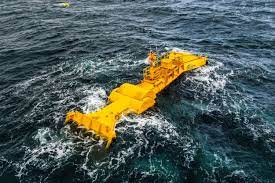
Harnessing the energy of the ocean to power homes, planes and whisky distilleries
By William Booth, The Washington Post, November 9, 2021
KIRKWALL, Scotland — Ocean boosters like to compare the kinetic energy stored in the sea to a ginormous oil reserve that’s never going to run dry.
It doesn’t matter if the sun shines or the wind blows. The tides turn. You can set your watch to them. The trick is how to generate cost-effective, renewable electricity from that limitless, ceaseless motion. They’re working on the problem here on Scotland’s Orkney Islands.
When you first look at the ideas for ocean-energy devices, the whole thing does look a little … sci-fi. Underwater corkscrews. Oscillating hydrofoils. Tidal kites? Seriously. Read more.
|
|
|
|
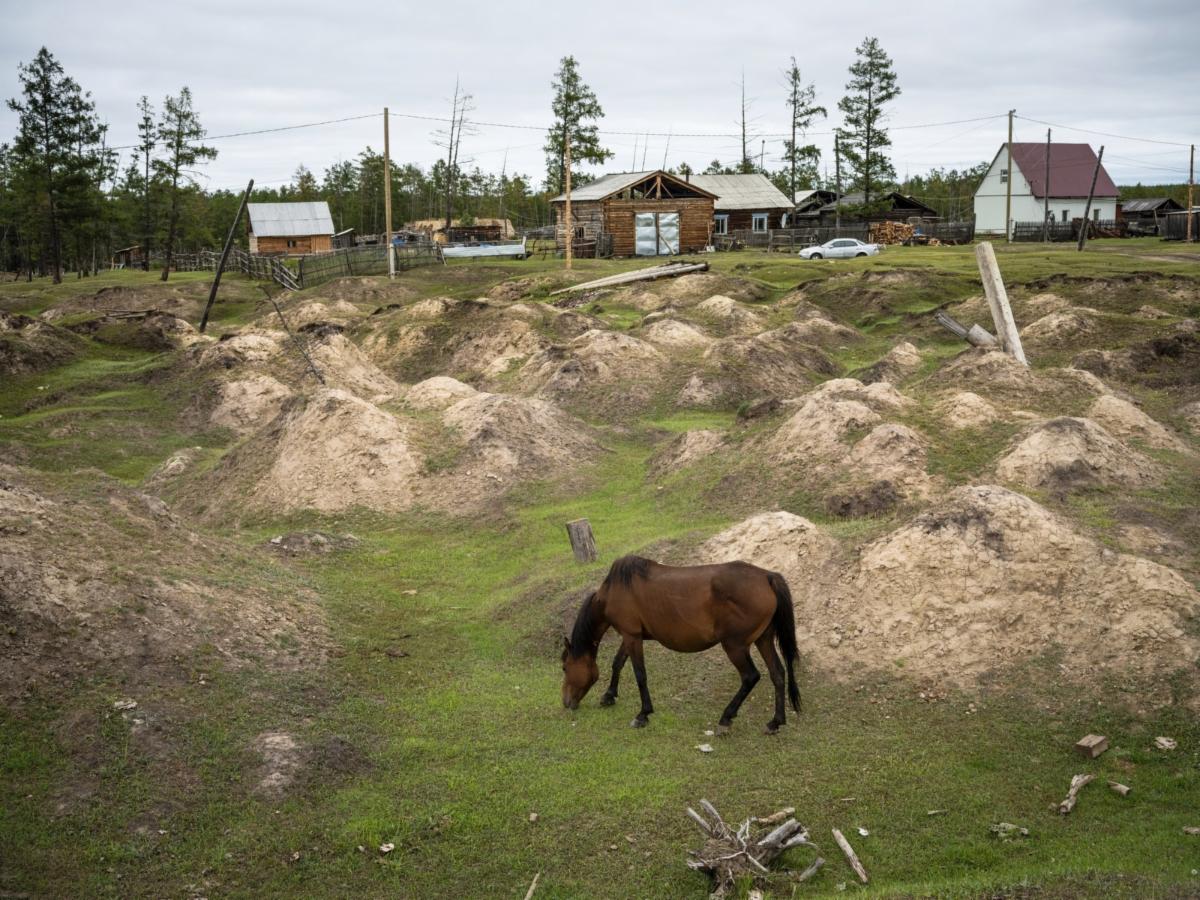
The Great Siberian Thaw
Permafrost contains microbes, mammoths, and twice as much carbon as Earth’s atmosphere. What happens when it starts to melt?
By Joshua Yaffa, The New Yorker, January 10, 2022
Flying over Yakutia, in northeastern Russia, I watched the dark shades of the boreal forest blend with patches of soft, lightly colored grass. I was strapped to a hard metal seat inside the cabin of an Antonov-2, a single-engine biplane, known in the Soviet era as a kukuruznik, or corn-crop duster. The plane rumbled upward, climbing above a horizon of larch and pine, and lakes the color of mud. It was impossible to tell through the Antonov’s dusty porthole, but below me the ground was breathing, or, rather, exhaling.
Three million years ago, as continent-size glaciers pulsed down from the poles, temperatures in Siberia plunged to minus eighty degrees Fahrenheit and vast stretches of soil froze underground. As the planet cycled between glacial and interglacial periods, much of that frozen ground thawed, only to freeze again, dozens of times. Read more.
|
|
|
|
The World Has Changed. So Has ‘52 Places.’
Our annual list of destinations to visit this year looks at spots where visitors can be part of the solution to problems like overtourism and climate change.
By Amy Virshup, The New York Times, January 10, 2022 (Credit: Andy Haslam,The New York Times)
This year, the second in a row, the Times Travel desk faced the challenge of creating one of our signature pieces of journalism, the annual “52 Places” list, in a world turned upside down. A year ago, with global travel at all but a standstill, we turned to readers to ask about the places that had sustained them in the darkest days of lockdown. That list included locations as varied as fantastical colored-rock formations in India and a humble brickwork church in South London. They were faraway destinations held dear in memory, or nearby spots that had offered solace, and they served as a reminder that the world was still out there, waiting. Read more.
|
|
|
Despite Growing Climate Fears, Global Firms Struggle With Solutions
A survey of 2,000 top executives shows how climate change is affecting companies and what they’re doing about it
ByAkshat Rathi Bloomberg News, January 18, 2022 | Photo credit: Alex Kraus/Bloomberg
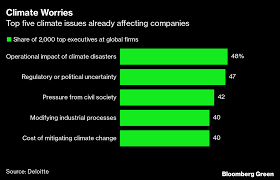
Climate change concerns are growing among top executives at global firms, but they still struggle to implement solutions across their firms to address those worries.
That’s the conclusion of a new survey of 2,000 C-suite executives conducted by professional-services organization Deloitte Touche Tohmatsu Ltd. More than 97% of respondents said that climate change had already negatively affected their businesses, but only 19% had implemented some of the most common tools across their firms to address the challenge. Read more.
|
|
|
|
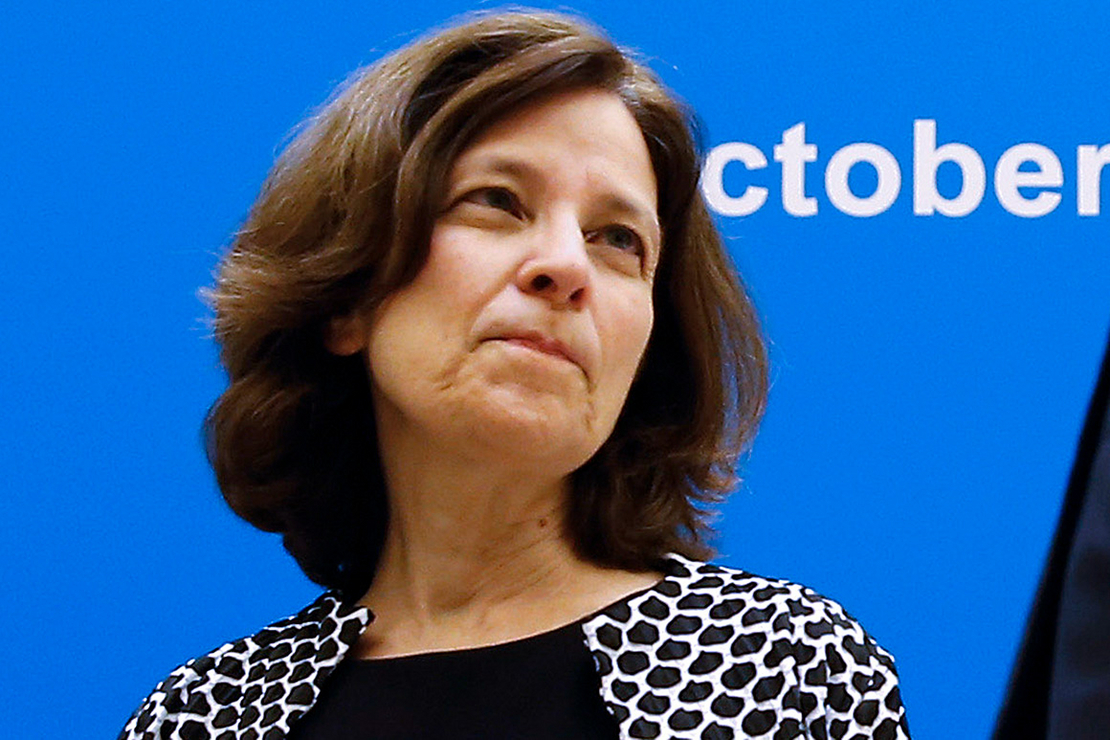
Biden nominates climate champ as Fed’s bank cop
By Avery Ellfeldt, E&E News, January 14, 2022 | AP Photo/Andy Wong, File
President Biden is expected to nominate Sarah Bloom Raskin, one of the United States’ most prominent climate finance hawks, to be the Federal Reserve’s top bank cop.
If confirmed as the central bank’s vice chair for supervision, the Obama-era Fed governor and former Treasury Department official would be elevated to a post responsible for overseeing the nation’s banks. The role was created in the aftermath of the 2007-08 financial crisis and is charged with ensuring the Fed keeps a closer eye on emerging threats to financial stability. Read more.
|
|
|
|
In the Spotlight: Cape Light Compact
|
|
New to Cape Cod or Martha's Vineyard? Check out Cape Light Compact's 2022 energy savings offerings for your home, rental, or business
Cape Light Compact is a nationally recognized award-winning energy services organization operated by the 21 towns on Cape Cod and Martha’s Vineyard and Dukes County. The Compact’s mission is to serve its 200,000 customers through the delivery of proven energy efficiency programs, effective consumer advocacy and renewable competitive electricity supply.
The Compact offers a variety of programs through the year designed to help homeowners, landlords, renters, and business owners access and implement cost-effective energy efficiency programs for their properties. Check out the programs below:
|
|
Events, Webinars & Trainings |
|
Live Online CC-P® Prep Programs
ACCO’s live online training programs incorporate pragmatic and real-life scenarios in a collaborative learning environment with peer practitioners and resources to facilitate your professional development.
Spring 2022 Program
The Association of Climate Change Officers (ACCO) is offering a series of live online training programs to help participants build competencies to effectively integrate climate change into their decision-making and professional activities. This series provides participants with training in a peer cohort environment that will prepare them for the Certified Climate Change Professional® (CC-P®) credential and CC-P® Candidate exams by leveraging a combination of video homework, live training and interactive exercises/discussions.Learn more.
|
|
All Hands on Deck: How researchers, communities, and industry are working together to sustain ocean health
Wednesday, January 26, 2022
7:30 - 8:30 PM (ET)
The Woods Hole Oceanographic Institution presents Ocean Encounters: All Hands On Deck. This webinar discusses new partnerships key to transforming our relationship with the ocean. Join to learn how a plastic spill off the coast of Sri Lanka forged new collaborations and how alliances spanning many sectors of society may help ensure the health and vitality of the ocean and the people who rely on it. Speakers include:
- Dr. Asha de Vos, Founder/Executive Director, Oceanswell, Sri Lanka
- Dr. Chris Reddy, Senior Scientist and Marine Chemist, WHOI
- and Host Ken Kostel, WHOI
|
|
Climate Risk Series — (Part 1) Beyond the IPCC: Understanding and Harnessing the Latest
Climate Physical Risk Data and Tools
Tuesday, February 1, 2022
1:00-2:00pm
|
|
Youth Climate Justice Summit
Friday, February 25 &
Saturday, February 26, 2022
(Registration closes Feb. 17)
Climate Generation: A Will Steger Legacy presents the Youth Climate Justice Summit -- a day of youth action, learning, and a chance to directly participate in government. Join workshops led by youth and partners in the movement for climate justice. Meet with legislators to talk with them about what matters to you. Join the YEA! Network campaign for climate justice education and learn how you can support other efforts to transition to a thriving climate future. Plus, meet youth from across the country and discuss how to make change in your communities!
|
|
NZ-21 CONFERENCE
Missed the conference?
Not to worry!
|
|
Energy & The Built Environment |
|
These machines scrub greenhouse gases from the air – an inventor of direct air capture technology shows how it works
What is direct carbon removal and why is it considered necessary?
By Klaus Lackner, Professor of Engineering and Director of the Center for Negative Carbon Emissions, Arizona State University
When I got interested in carbon management in the early 1990s, what drove me was the observation that carbon piles up in the environment. It takes nature thousands of years to remove that CO2, and we’re on a trajectory toward much higher CO2 concentrations, well beyond anything humans have experienced. Humanity can’t afford to have increasing amounts of excess carbon floating around in the environment, so we have to get it back out.
Not all emissions are from large sources, like power plants or factories, where we can capture CO2 as it comes out. So we need to deal with the other half of emissions – from cars, planes, taking a hot shower while your gas furnace is putting out CO2. That means pulling CO2 out of the air. Read more.
|
|
How the Refrigerator Became an Agent of Climate Catastrophe
The evolution of cooling technology helps to explain why supposed solutions to global warming have only made the situation worse.
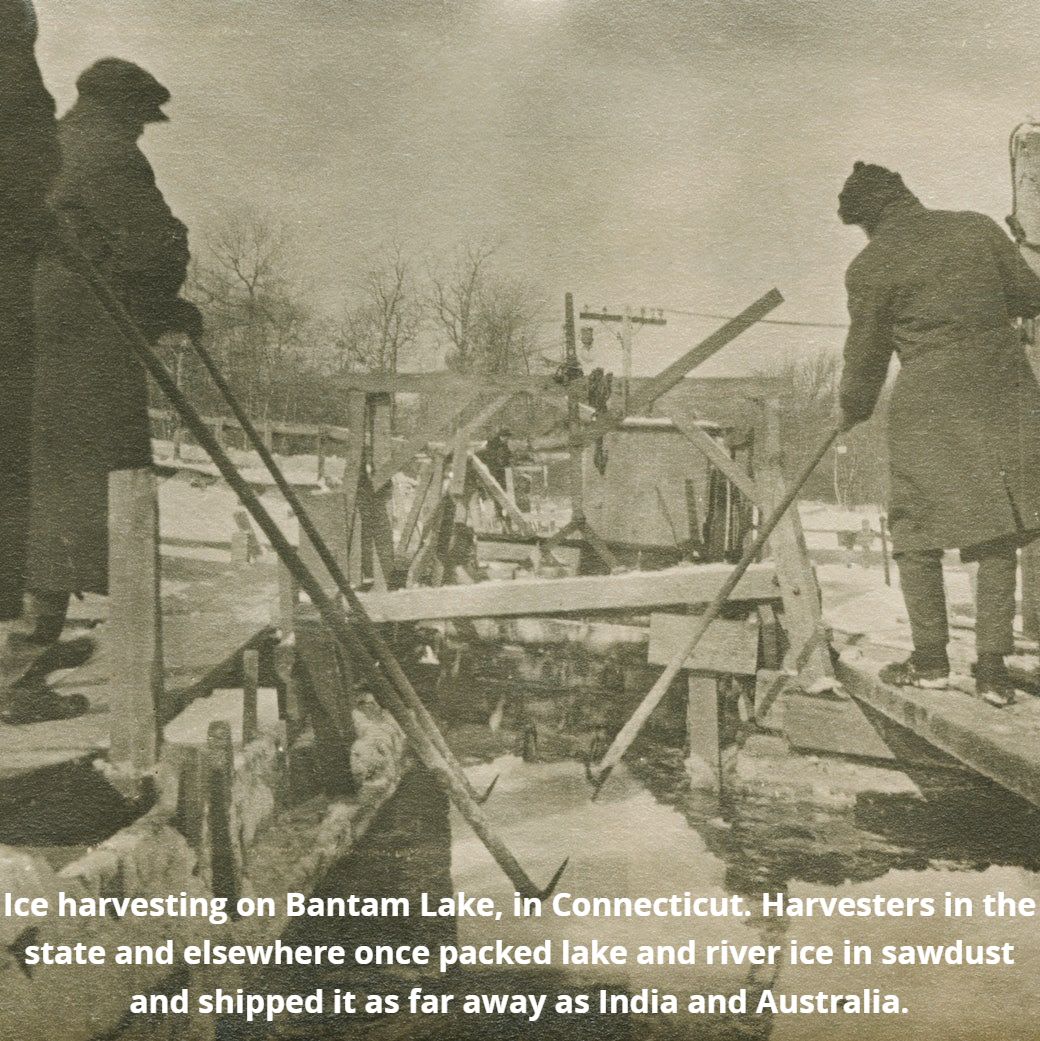
By David Owen, The New Yorker, January 15, 2022 (Photo courtesy of Bantam Historical Society)
A couple of years ago, in spring, my wife and I took our dog for a walk near Bantam Lake, in northwestern Connecticut, a few miles from our house. In swampy woods on the lake’s northern shore, we noticed a double row of lichen-spattered concrete pillars, each one four or five feet tall. The rows began at the edge of the water and extended maybe two hundred yards into the trees. Nearby was a narrow canal filled with water and dead leaves, crossed in several places by wooden bridges that looked like shipping pallets. In a rectangular clearing beyond the inland end of the canal, we saw two parallel strips of concrete, hundreds of feet long and more than a hundred feet apart. They made useful walking paths over the mucky ground.Read more.
|
|
Climate Education & Communication |
|
Bow Street 2022 Ocean Awareness Contest: The Funny Thing About Climate Change
The Ocean Awareness Contest is a platform for young people to learn about environmental issues through art-making and creative communication, and become advocates for positive change.
The 2022 Ocean Awareness Contest theme THE FUNNY THING ABOUT CLIMATE CHANGE challenges students to learn about climate change and its impact on the ocean, and to explore new ways, like humor, satire, or kitsch, to communicate the urgency of the climate crisis.
Submissions accepted in: Visual Art, Creative Writing, Film, Interactive & Multimedia, Performing Arts: Music & Dance, and Poetry & Spoken Word. Open to middle and high school students ages 11-18 worldwide. Students can work as individuals or as a group/class/club. Hundreds of cash awards available, ranging from $50 to $1,500. Free to enter Read more.
|
|
450+ Climate Scientists Demand PR Industry Drop Fossil Fuel Clients
"To put it simply, advertising and public relations campaigns for fossil fuels must stop," states an open letter to ad agencies and major firms.
By Andrea Germanos, Common Dreams, January 19, 2022 | Photo: Dominic Lipinski/PA Images via Getty
In a new letter stressing the need for an "immediate and rapid transition" away from planet-heating fuels, a group of over 450 scientists on Wednesday called on public relations and advertising agencies to no longer work with fossil fuel clients. "Greenwashing is a primary tactic in what I call the 'New War' on climate action and it must be called out for what it is—denial under another name."
"As scientists who study and communicate the realities of climate change," they wrote, "we are consistently faced with a major and needless challenge: overcoming advertising and PR efforts by fossil fuel companies that seek to obfuscate or downplay our data and the risks posed by the climate crisis." Read more.
|
|
|
|
We are an all-volunteer 501(c)(3) organization whose mission is to reach carbon neutrality — or net zero — on Cape Cod and the Islands of Massachusetts by enhancing communication, collaboration, and activism among organizations, programs, and individuals committed to mitigating the climate crisis. We depend upon the generosity of our stakeholders to conduct our work. All donations are tax deductible as allowed by law.
|
|
The Climate Action Alerts newsletter is curated and crafted by Fran Schofield. If you have a climate story from your home, school, workplace, town or organization, please be in touch! And don't forget to share this action alert with your friends and suggest they subscribe here.
|
|
|
|
|
|
|