 |
Greetings All,
Summer is nearly here, and activity abounds. Anticipating graduations and weddings, cheering on sport playoffs and season openers or simply enjoying the beauty outdoors, our pursuits involve continuous choices around direction and communication.
The great thing in this world is not so much where we stand, as in what direction we are moving.
-
Oliver Wendell Holmes
This topic of
direction intrigues me, both as a metaphor to individual decision making, and professionally, to the inherent nature of light and how it informs design. Have a great summer, whatever direction you are heading!
Sincerely,
Debra Gilmore, IALD, MIES
|
|
|
|
 |
|
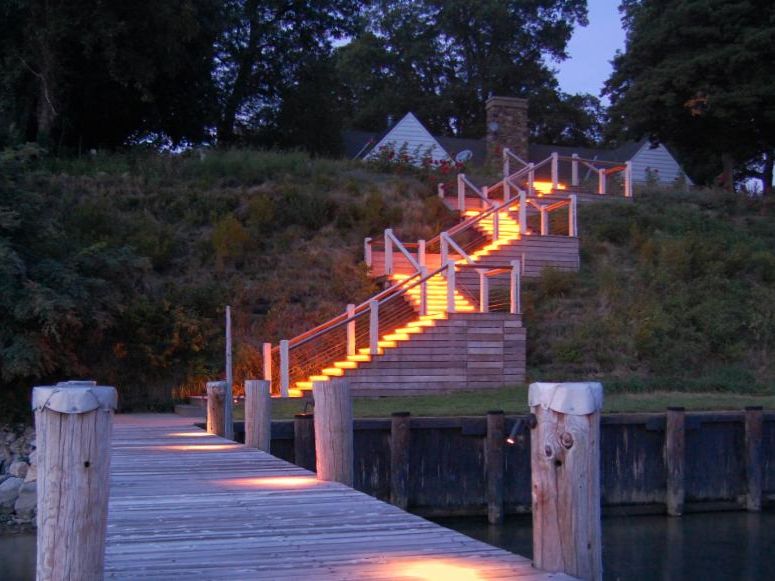
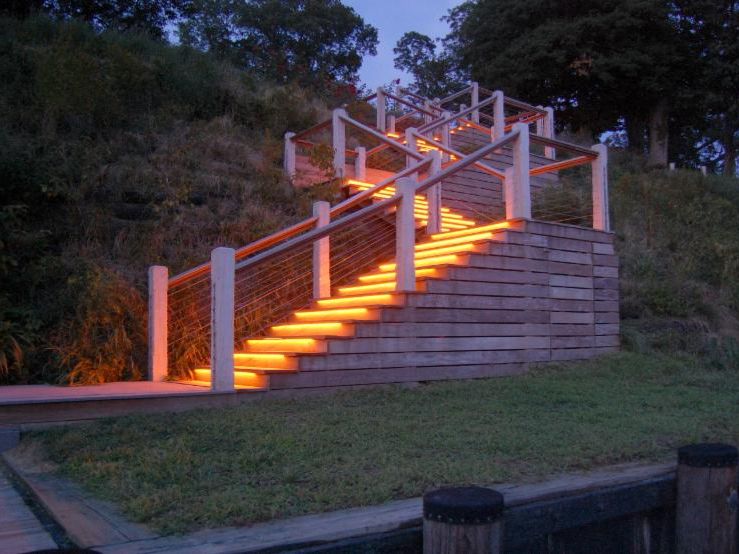
Elk River Residence
Photographs by O'Doherty Group
|
|
|
|
|
|
|
Design Processes and Direction
|
As designers, we
give and take direction throughout project phases. Natural light is directional, either with direct sun angles, or on an overcast day when brightness is perceived in the east or west. In lighting design considerations for electric light, we create compositions considering numerous factors, especially how lighting is oriented.
What and where is the target surface? What is the application - garage drive lane, building entry, or corridor accent? These answers inform the intended "
direction of light" and resultant design. Thus,
communicating directionality becomes a critical message within our concepts, and rolls forward into project development.
|
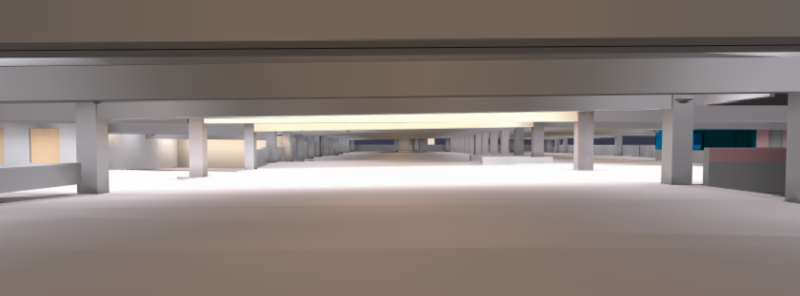
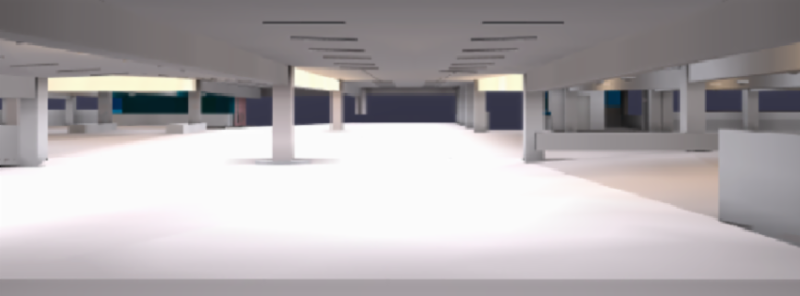
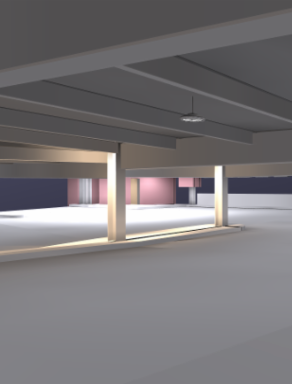
| As part of a schematic design study introducing Quality of Light into a municipal garage going through a lighting upgrade, the above renderings show the importance of accenting key features such as elevators, pay stations, and structure. Higher contrast areas can provide a sense of orientation and directionality for the user. |
|
|
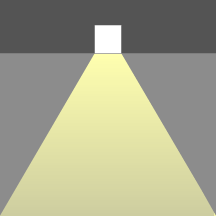
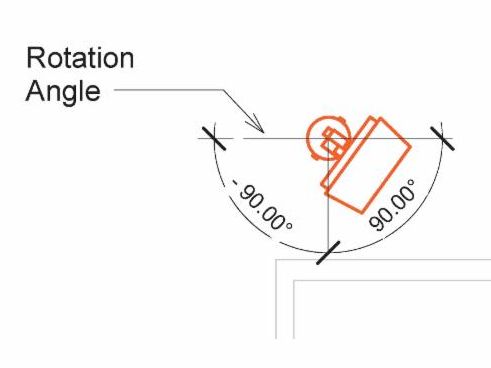
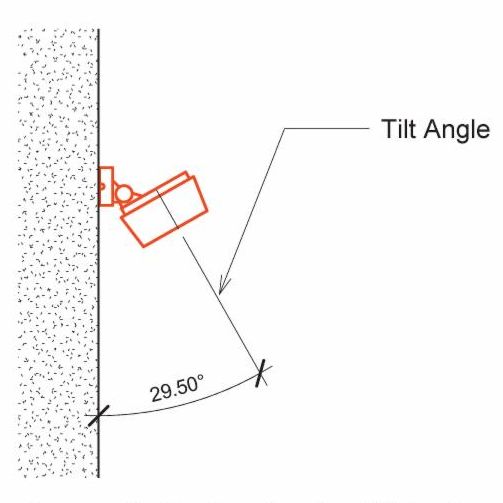
During Design Development, clarity in fixture specification relative to direction is important on many levels, including for pricing accuracy. We question: is the fixture adjustable, or is it indirectly orientated in a fixed direction? What mounting hardware and/or optic meets our conceptual intention? The fixture icons below exemplify direction of light during all project phases.
|
|
In developing the required
Lighting Control Sequence
of Operation, we contemplate how the user will experience the space depending on which lights are on or off, bright or dim, and in what sequence. The document
provides direction
to the controls manufacturer for specification intent, and to the owner trying to understand how to interface with the building or space. "Automated sensing for detecting motion" might be a commonly required control methodology. A zone of light then is triggered ON providing the user with a
visual direction
and a sense of security.

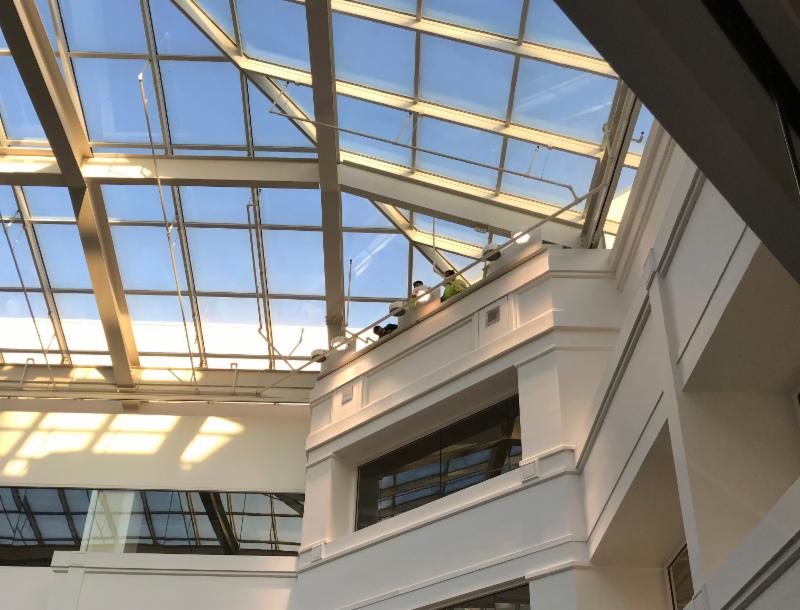
At the recently completed Ballston Exchange in Arlington, Virginia, Gilmore designed base building solutions for interior and exterior, including tall narrow spaces. From 100 ft heights, catwalk and parapet-mounted "moonlights" project tightly controlled directional beams down to horizontal planes, providing general illumination.
|
|
From our recent focus session at Ballston Exchange, on the left, looking down from the atrium skylight catwalk; on the right, looking up to the skylight corner where six of the 24 moonlights were located.
|
|
|
Schematic mounting details coordinated during
Construction Documentation
and Construction Administration illustrate specific fixture orientations critical to a successful install and final focus. Specific tilt and rotation angles for each of the 35 atrium and Paseo-located moonlights were established as part of documentation.
|
|
|
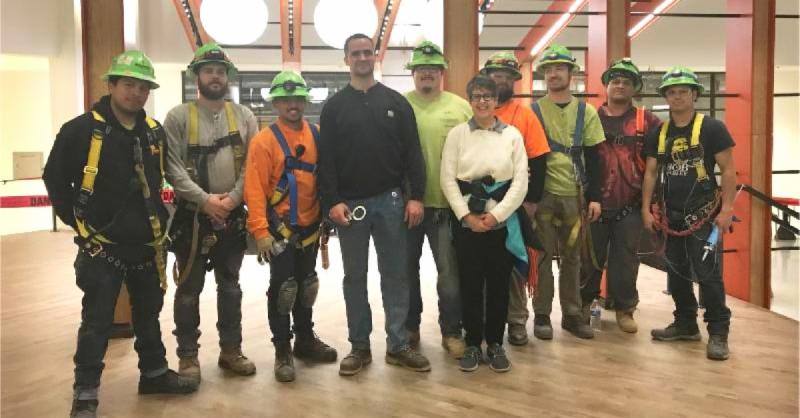
The Ballston Exchange focus crew from Dyna Electric standing with Debra Gilmore.
Dyna was the electrical subcontractor to Davis Construction.
|
|
|
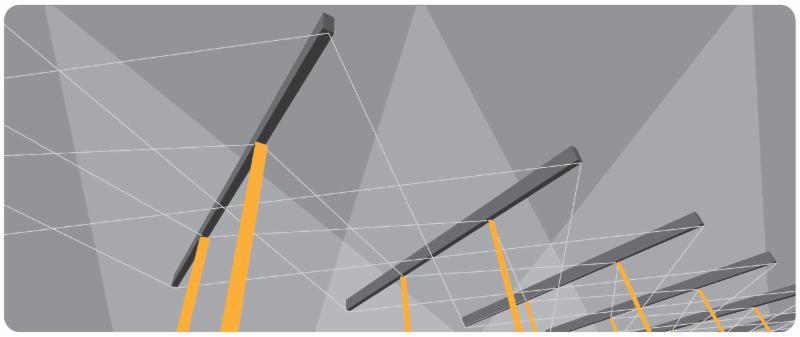
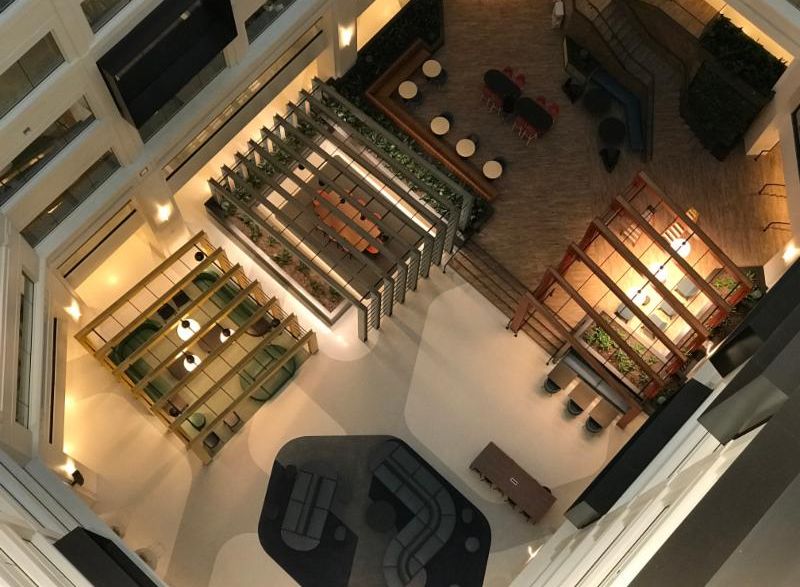
The newsletter top banner image abstractly illustrates lighting components within the Paseo scope area at Ballston Exchange, including directional moonlights. If you can guess the additional lighting components within the illustration, email us and you will receive a California Tortilla coupon good for a taco.
|
|
Lighting Design Direction
|
|
In general, the biggest design direction movement in lighting is in 'color tunable white light' and control advancements. Sound dull and too technical? Maybe the latter, but not the former. It's exciting starting a project having options that can render spaces like watercolor. Meaning, adding subtle mixes that balance daylight transitions. Here at Gilmore, we are keenly aware of color and how lighting affects its perception. Even the basic white static color choices are important considerations.
|
|
While not new, these advancements in color tuning and control technology generate a stronger need for our involvement in the budget and bid analysis process. The lighting designer understands the design and continues to be a strong resource when sorting through complexities of lighting procurement.
Below are links to articles shedding some light on the topic of tunable white light:
|
|
Two projects are receiving 2019 Candela Awards in June by the District of Columbia section of the IES.
|
This fall, Debra Gilmore will be speaking at the 2019 IALD Enlighten Conference i
n Albuquerque, NM. She will present the recently completed
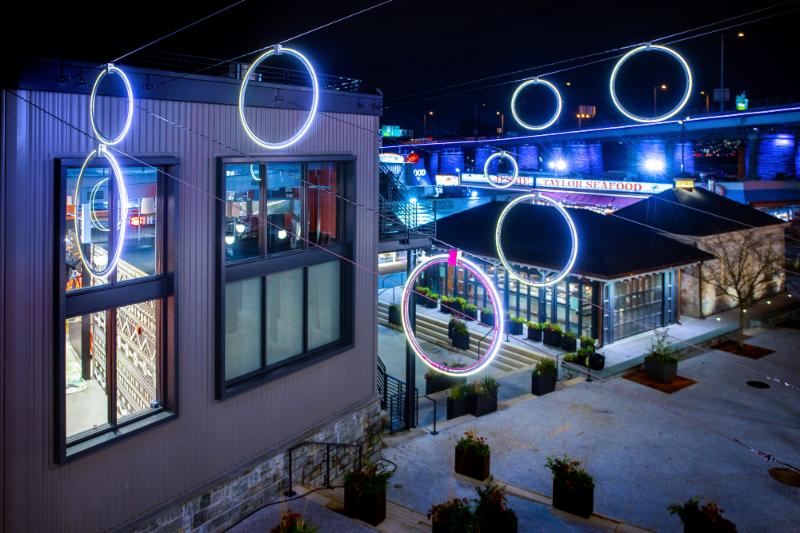
Washington Fish Market as a case study about integrating site lighting with artistic moments.
|
|
|
|
|
Washington Fish Market, Photo by
Regis Lefebure
|
|
|
For 21 years, Gilmore Lighting Design, a certified woman-owned business, has produced award-winning work. Gilmore has designed millions of square feet for commercial lighting projects including government facilities, corporate headquarters, institutional campuses, parks and zoos; while utilizing 36 years of experience to wisely integrate appropriate technologies, including Revit, into projects.
|
|
|
|
|
|