|
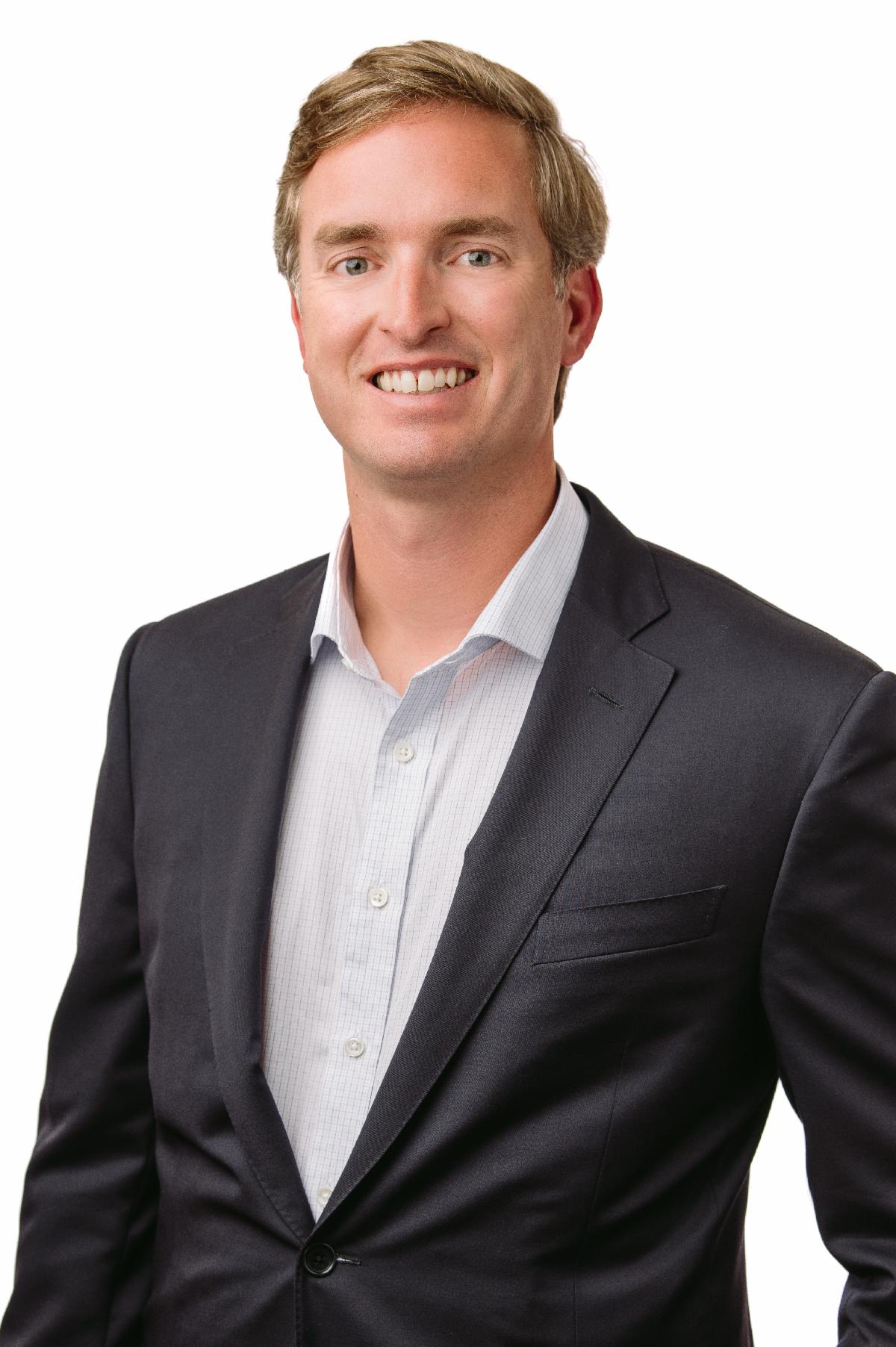
Austin Rhodes
Partner, Rhodes Companies
Partner, EverPine Holdings
B.S., Agricultural Education; Emphasis in Leadership, 2012
What role do you play in the entrepreneurial ecosystem?
Most of my work is centered around family businesses and long-term ownership, along with a few other efforts that support the next generation of businesses and entrepreneurs. That includes our work with VentureSouth angel investing, as well as the work we do through our branding agency, where we help school districts strengthen how they communicate and market career and technical education programs.
Rhodes Companies, our family holding company, includes several operating businesses, including Rhodes Graduation Services, Rhodes Branding, and Mill & Crate, as well as real estate interests across the Southeast.
More recently, we launched EverPine Holdings to acquire and support privately owned businesses across the Southeast. Our approach is pretty simple: be the trusted long-term home for companies that matter to their employees, customers, founders, and communities. We want to keep doing the hard things required to grow businesses the right way, rather than relying on financial engineering for short-term profits.
I would describe my role as part operator, part builder, part investor, and part connector. I enjoy helping people think through what they are building, what kind of owner they want to be, and how to build something that can last.
What are some of your best memories of your time at Clemson?
Clemson has a way of creating lifelong relationships before you fully realize how important they will become.
I also think Clemson reinforced something I had already learned growing up in a small town: relationships and reputation matter. How you treat people, how you follow through, and how you carry yourself tend to stay with you much longer than any one class, job, or opportunity.
A few memories that jump out are the rush process, Float Week, walking onto the football team for a short stint, 3 a.m. nights in the basement of Cooper Library, riding a moped to the front of the parking lot and no longer having to walk, Mac’s lunches, riding a kayak down the back of a snowy Hartwell Dam, and most importantly, all the amazing people who helped me along the way and were there for all those experiences.
What were the key inflection points in your career after you left Clemson?
A major inflection point was committing fully to our family business after giving my father the one-year working term he asked of us. My brother and I were both asked to work in the business for one year after college, and we both fell in love with it. It was no longer just about a job or growing a company. It became about stewardship, responsibility, employees, customers, and carrying forward something someone else had spent his life building.
Helping start Rhodes Branding in 2019 was another key moment. That business gave me a deeper appreciation for the challenges school leaders face and the role marketing and branding can play in education. It also helped me see how much opportunity exists when entrepreneurial thinking is applied to real problems in the education space.
Over time, I have become more convinced that how you build matters just as much as what you build.
What are your personal and professional dreams?
Personally, my main dream is to be a great husband and a great father to our two daughters, while leading a Christian life the best I can. I want our girls to grow up with faith, confidence, curiosity, and a strong sense of responsibility to other people.
Faith is an important part of my life. I serve as a deacon at my church, and that role has reinforced for me that leadership is ultimately about service.
I also want to create a family life that is full of meaningful experiences, not just the grind. Travel, time outside, time together, and exposure to different people and places are important to me.
Professionally, I want to continue building companies that last well beyond my own career.
We try to do things the right way, even when that is not always the easiest way. That is true in how we run our existing companies and in how we partner with new ones.
We are not interested in financial engineering or trying to extract the maximum amount of short-term profit from a business. We are much more interested in building long-term stability, strength, and trust. That kind of approach matters to dedicated founders who have spent decades building a company and care deeply about what happens after they step away.
Across our businesses, we have team members who have been with us for 20, 30, and even 40 years. That kind of tenure does not happen by accident. It comes from a service-first mindset.
What would you recommend students do to maximize their remaining time at Clemson?
First, take relationships seriously. Get to know your classmates, professors, alumni, and people a few steps ahead of you. Those relationships will become more important than you realize.
Second, do something that requires initiative. Start a small business, work for a founder, lead a group, take on a hard internship, or build something on the side. You learn a lot about yourself when you are responsible for making something happen.
Third, get good at communicating. Learn to write clearly, speak clearly, ask good questions, and follow up well. Those skills sound simple, but they separate people quickly.
I would also tell students that it is often less about the exact job you start in and more about how you approach it. Work hard, be curious, look for better ways to do things, and become the person your team is grateful to have around. If you can be dependable, thoughtful, hungry to learn, and willing to make the people around you better, opportunities tend to follow.
Finally, do not worry too much about looking impressive right away. Focus on becoming useful, healthy, grounded, and trustworthy. Take care of yourself physically, mentally, and spiritually so you have the capacity to serve your family, your teammates, your customers, and your community well. Those traits compound.
What else should we know about you?
As an 11th-generation South Carolinian, I take great pride in giving back to my state and honoring those who came before us. Our family has served in roles such as Governor, Speaker of the House, and Commissioner of Agriculture. Closer to Clemson, several of my ancestors were also connected to the founding of the university, including D.K. Norris and James Ezra Tindal.
I am very optimistic about South Carolina and the Southeast. I think this region has a real opportunity over the next several decades to build on its core strengths, especially if we keep investing in entrepreneurship, education, workforce development, and strong local businesses.
|