February 2026

Greetings,


We are continuing to explore electricity costs and how you can control yours. In this issue, we look into battery backup systems for times when the power is cut off, and you want to keep yours on. We also offer tips on using the time of use rates now in widespread use to your advantage.

Sunny regards,

Rebecca Cantwell 

for New Energy Colorado


Please forward this newsletter to friends and colleagues and let us know what else you would like to read about by emailing us here

Control Your Energy Costs

Keeping the Lights on

Backup power systems


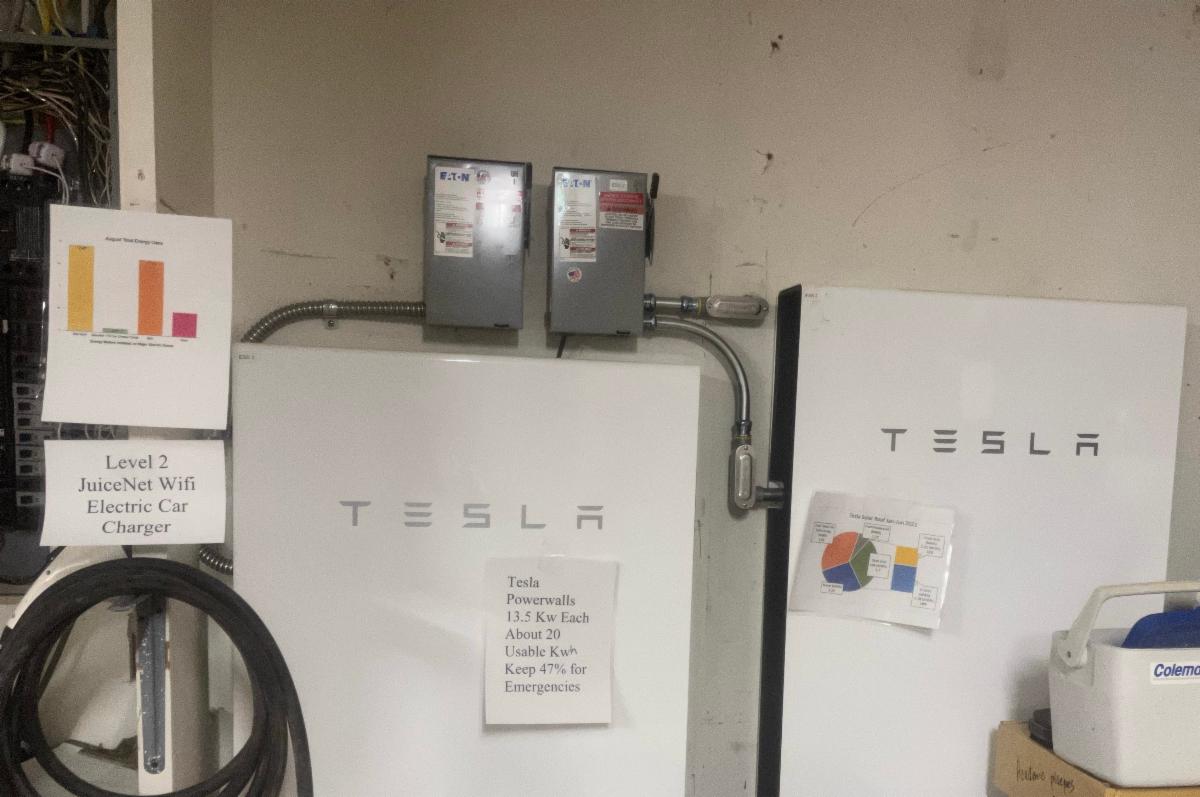
Unfortunately, recent power outages experienced in Colorado are likely to be more common, but you can prepare in order to prevent loss of food in your refrigerator and freezer, keep the lights and heat and even reduce the cost of your electricity. Power backup systems (generators or batteries) can provide on-demand electricity to keep things working at your house when your utility cuts power or when snow and wind storms knock down power lines.


There are two types of systems available: 1) Generators that produce electricity by burning fuel 2) Battery backup systems that store electricity to be used later during outages. Important considerations for these systems are cost, the size of the system, the type of fuel or battery and if you want to use it to reduce electricity costs in general. Costs of small, portable systems can be a few hundred dollars and can be used to run appliances during an outage and for camping. Whole house systems can cost several thousand dollars.


Generators can use natural gas, propane, gasoline or diesel as fuel, and they are noisy, produce air pollution and require regular maintenance and upkeep.


The types of battery systems vary from lead acid, to nickel magnesium cobalt (NMC), to lithium ion (LiFePo4). Lead acid systems are the least expensive and have a shorter lifespan with fewer charges, and only 50% of their rated power can be used before recharging. Lithium Ion batteries are getting less expensive over time, can use 80-90% of their rated power and can last up to 15 years. Systems able to power whole houses can cost about $16,000 installed. The advantage of battery backup systems is that they are not noisy, don’t emit noxious gas, require much less maintenance, don’t require liquid fuel, and can be used to lower your electricity costs.


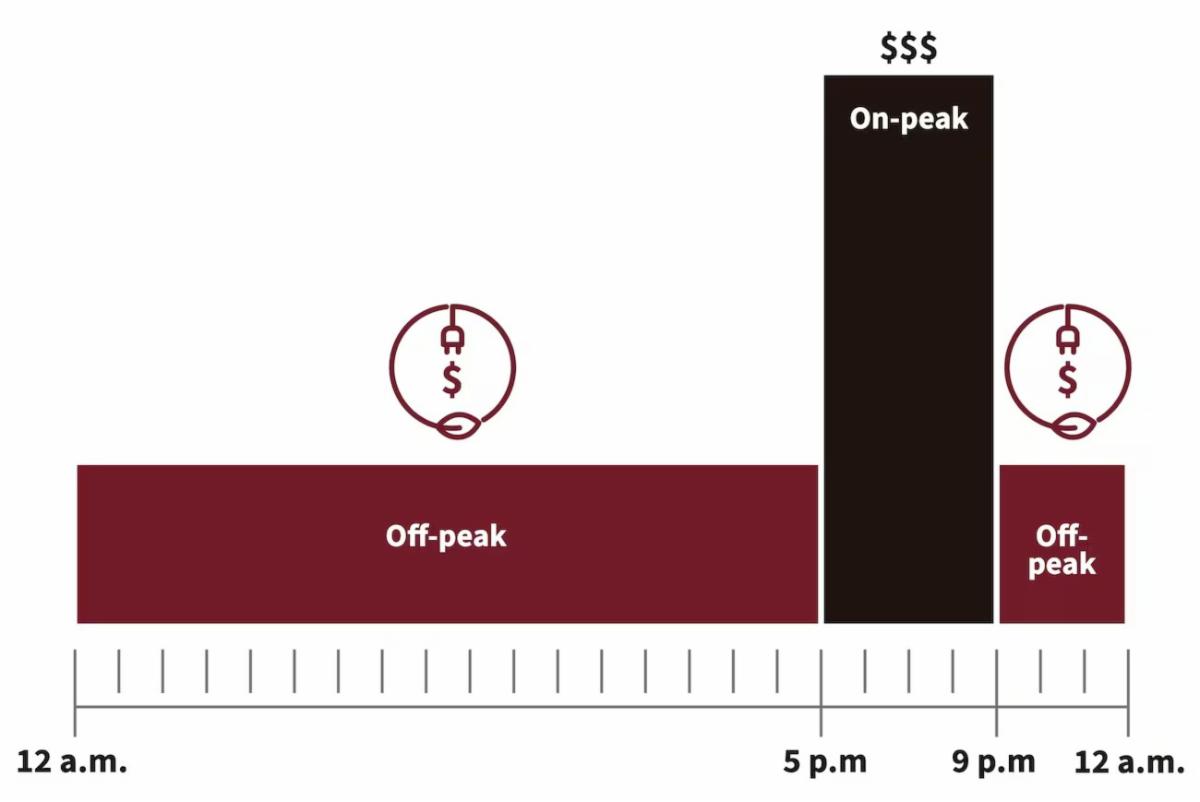
You can reduce your electricity costs by charging during off peak hours, when power is cheaper and using the battery during peak hours, when electricity can be three times the cost. This is particularly true for solar electricity that is generated during off peak hours. Utilities pay significantly less for excess electricity generated from your solar panels than they charge you for their electricity use during peak time, so saving the cheaper solar electricity in batteries can reduce your need for more expensive power from your utility. In addition, there are significant financial incentives offered by utilities, the State of Colorado and some local governments to add battery backup that can be used in turn by utilities to supplement the grid.


Learn More:

Battery Storage Guide for Homeowners

https://solarunitedneighbors.org/wp-content/uploads/2023/01/Solar-United-Neighbors-Battery-Storage-Guide-1.pdf


Tired of High Energy Costs? A Home Battery Could be the Answer.

https://www.cnet.com/home/solar/tired-of-high-energy-costs-home-battery-could-be-the-answer


Saving by the Hour

How to use time-of-use billing to your advantage


One way that you can save money on your electricity bills is by using the new time-of-use (TOU) billing and minimizing your electricity use during peak hours. Peak hours are usually in the evening on weekdays when there is the highest demand for electric power.


For Xcel Energy in Colorado, peak hours are 5 PM to 9 PM on weekdays. During off-peak hours, utilities that provide TOU billing will offer rates lower than flat rates, but during peak hours the rates will be much higher. Peak hour electricity could be three times as expensive as off-peak electricity. To save money with TOU billing, you should shift your most energy-intensive activities to off-peak hours when electricity demand and prices are lowest.


The most effective strategy is to delay high-load tasks like running the dishwasher, washing machine, and clothes dryer until after 9:00 PM. For climate control, which often accounts for over half of home energy use, you can "pre-cool" or "pre-heat" your home just before peak pricing begins and then adjust the thermostat by a few degrees during expensive evening hours to "float" through the peak period.


Owners of electric vehicles (EVs) can see significant savings by programming chargers to operate exclusively overnight. Utilizing smart technology, such as programmable thermostats and smart plugs, can automate these shifts so you don't have to manage them manually every day. By actively moving just 20% of your usage to off-peak windows, you can significantly reduce your monthly utility costs. Because electricity produced during the day is much cleaner than power produced at night, advocates are trying to get midday price signals to encourage daytime charging.


You can estimate your actual savings by looking at your current energy usage in your monthly energy bills.----------------------------------


Information on Time-of-Use Rates:

Black Hills

Residential Time-of-Day rates

https://www.blackhillsenergy.com/efficiency-and-savings/welcome-ready-ev/welcome-colorado-ready-ev/residential-time-day-rates#:~:text=amount of time.-,Estimated energy costs:,the TOD off%2Dpeak rate


Xcel Time-of-use

https://co.my.xcelenergy.com/s/billing-payment/residential-rates/time-of-use-pricing


State Hurries to Approve New Energy Projects


Colorado officials have approved major new energy projects - most of them renewable- to take advantage of expiring federal tax credits.

The Colorado Public Utilities Commission (PUC) recently approved up to 4,100MW of new energy generation for Xcel Energy. The ten projects approved include a mix of solar, storage, wind, and natural gas.

“Today’s action locks in cost savings for Xcel customers as we work to replace aging coal plants and meet growing energy demand,” said Rebecca White, Director of the Public Utilities Commission. “This was an extraordinary effort on the part of multiple stakeholders to bring these projects forward quickly in order to leverage expiring tax credits and save ratepayers billions.''

More information on Proceeding No. 21A-0141E can be found on the PUC website. 


While many federal programs to help people save on renewable energy and energy efficiency have ended, the state of Colorado's comprehensive portal can help you find anything you might qualify for:

Colorado Energy Savings Navigator | Public Utilities Commission

Events


CRES

Terrible Beauty: Auden Schendler on Reckoning with Climate Complicity

Thursday, February 26, 2026 at 7:00:00 PM (Hybrid)

Jefferson Unitarian Church

14350 W. 32nd Ave., 1 mi west of 32nd & Youngfield Golden, CO


Go Electric Colorado and New Energy Colorado

House of the Future-Monthly Home Tour John Avenson

Saturday Feb 28th

Location after registration


SAVE THE DATE!

New Energy Colorado Annual Summer Celebration

July 7th at the beautiful Solterra Retreat in Lakewood

Stories We Think You'll Want to Read


Lipo4 vs NMC (Nickel Manganese Cobalt) battery science


Heat Pump Installations Doubled in 2025


Smart Building Systems Are Cutting Energy Waste, and AI Is Making Them Even Smarter


Data centers' power demand surging faster, new analysis shows

Partner Organizations

and Sponsors