|
In June, Colorado’s water security reached a critical point as Governor Polis officially declared a statewide Drought Emergency. Driven by the warmest winter on record and a historically low mountain snowpack—which peaked 40 days early and left river basins with just 21% to 37% of median runoff—every one of Colorado’s 64 counties is now affected. As the state navigates this crisis, the intersection of water scarcity, energy costs, and personal consumption has become a defining issue for residents.
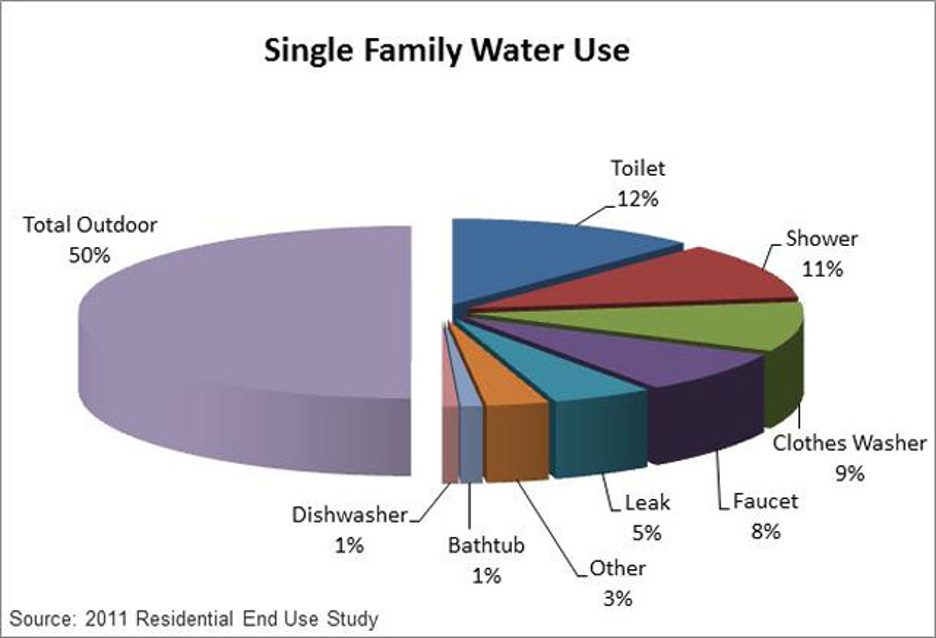
While agriculture accounts for the vast majority of statewide water use (~90%), municipal and residential water use remains a primary focus for local drought response plans. A significant driver of residential consumption is outdoor landscape irrigation. In Colorado’s semi-arid climate, outdoor watering represents 40% to 50% of an average single-family home’s annual water consumption, soaring to 70% or more during the hot summer months.
This high demand has triggered strict municipal watering restrictions, tiered pricing, and even state-level legislation. Senate Bill 24-005, for example, marks a shift in policy by prohibiting ornamental grass, invasive plants, and artificial turf on most commercial and industrial properties, while incentivizing the replacement of thirsty bluegrass lawns with water-efficient alternatives.
Reducing water is no longer just an environmental choice but a financial necessity. Residents can take immediate action to lower their water bills::
1. Transforming the Outdoor Footprint
- Embrace Xeriscaping: Replacing water-thirsty Kentucky bluegrass with native, water-wise landscaping drastically reduces water use. Programs such as "Garden In A Box" offer pre-designed kits tailored for Colorado’s climate.
- Prioritize Lawn Dormancy: Simply allowing your lawn to go dormant during the height of summer can reduce outdoor water consumption by up to 75%.
- Upgrade Irrigation: Replace outdated timers with EPA WaterSense-labeled smart irrigation controllers that utilize local weather data to prevent unnecessary watering.
2. Managing Indoor Consumption
- Target the "Big Three": Indoor water usage is dominated by toilets (24–27%), clothes washers (18–22%), and showers (17–20%). Upgrading to low-flow fixtures and front-loading washing machines can yield significant long-term savings.
- Leak Detection: Silent leaks, such as running toilet flaps or dripping pipes, can waste 5% to 13% of indoor water unnecessarily. Periodic checks are highly effective at preventing wasted water.
By shifting away from traditional water-intensive practices, Coloradans can reduce their costs and help secure a more resilient and affordable future for the state.
RESOURCES
Water Use, Denver Water
Understanding Colorado Senate Bill 24-005 and House Bill 25-1113, Town of Breckenridge,
|