October 2026

Greetings,

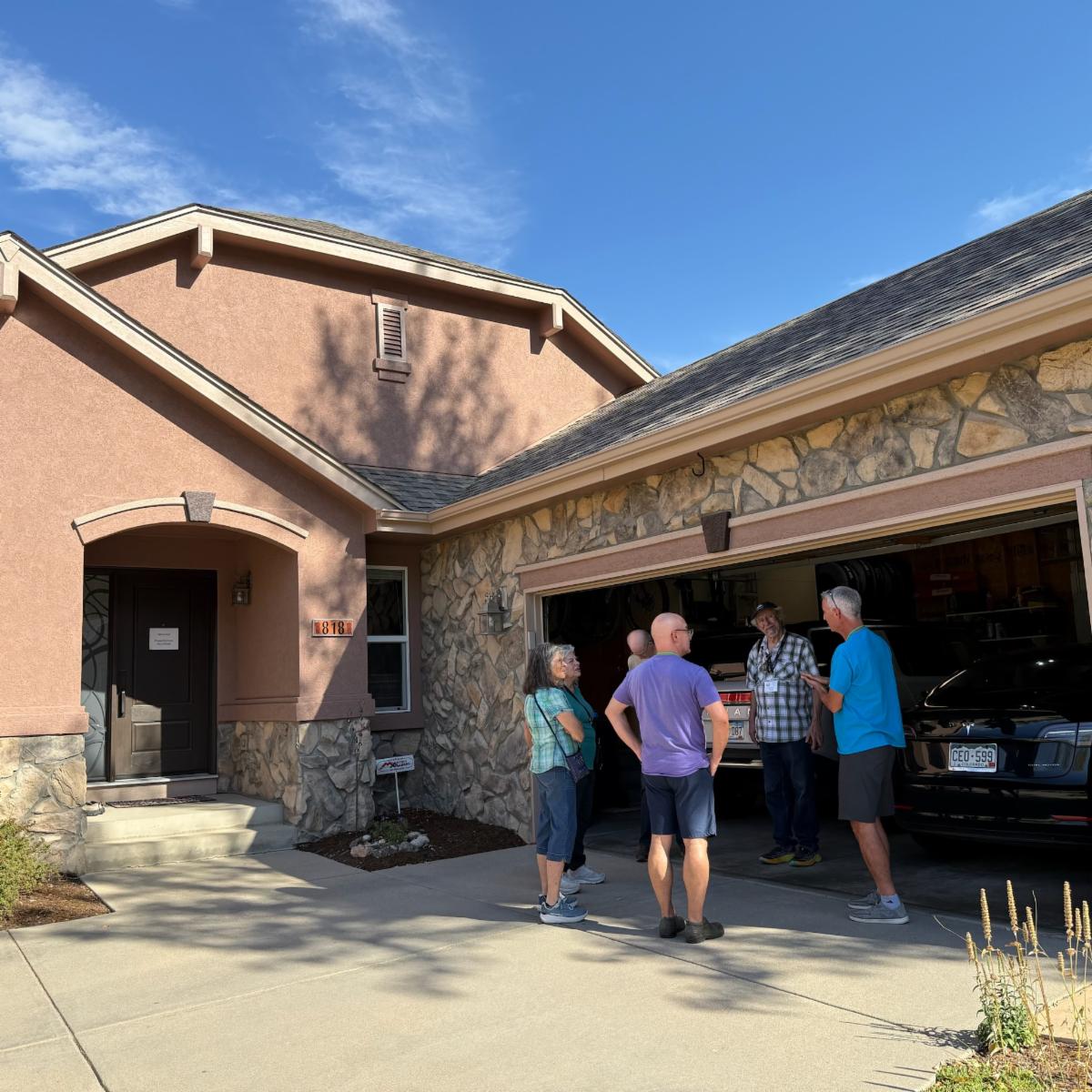
Thanks to all who joined us for our biggest events of the year--the 31st annual Metro Denver Green Homes Tour and the Ark Valley Home Tour in Salida.

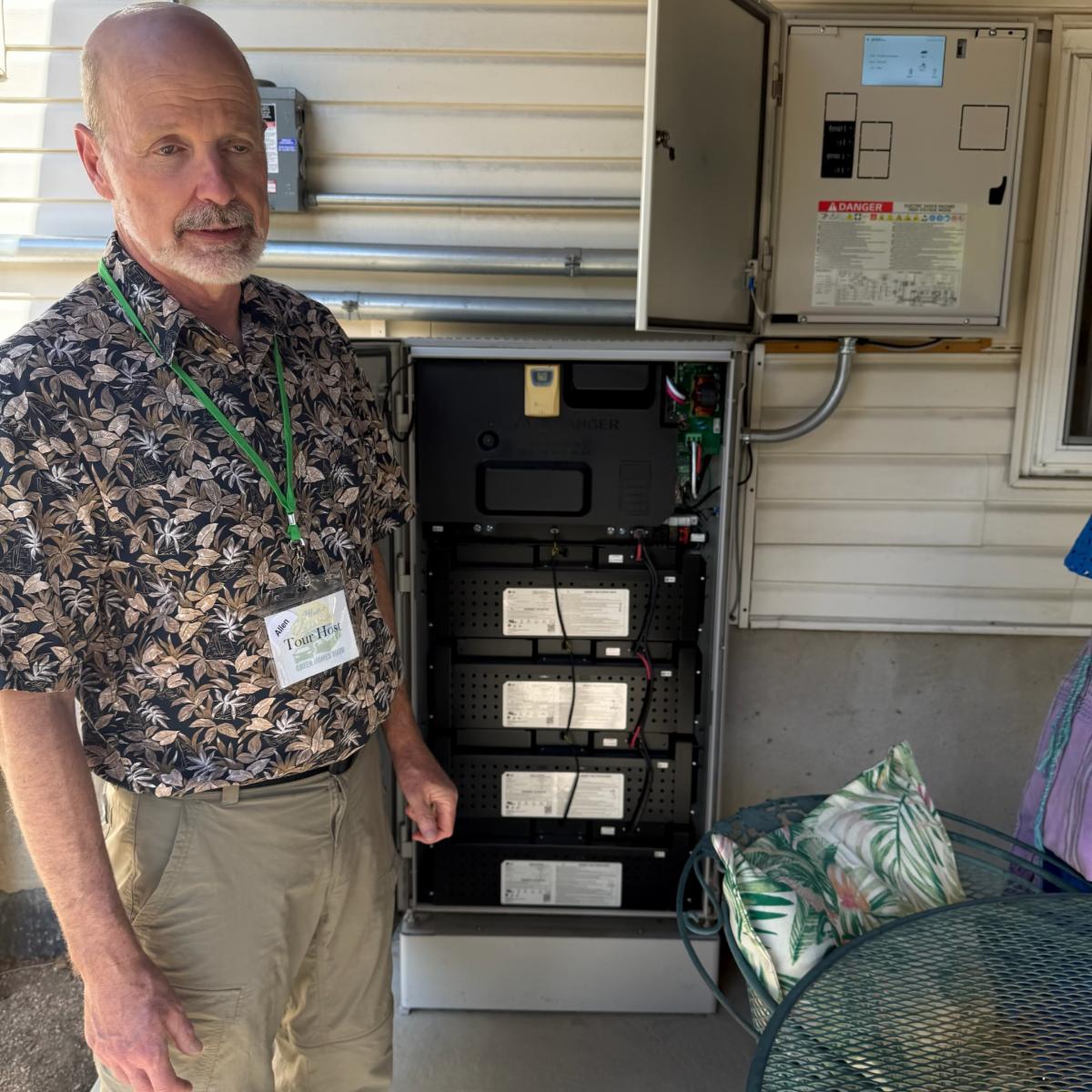
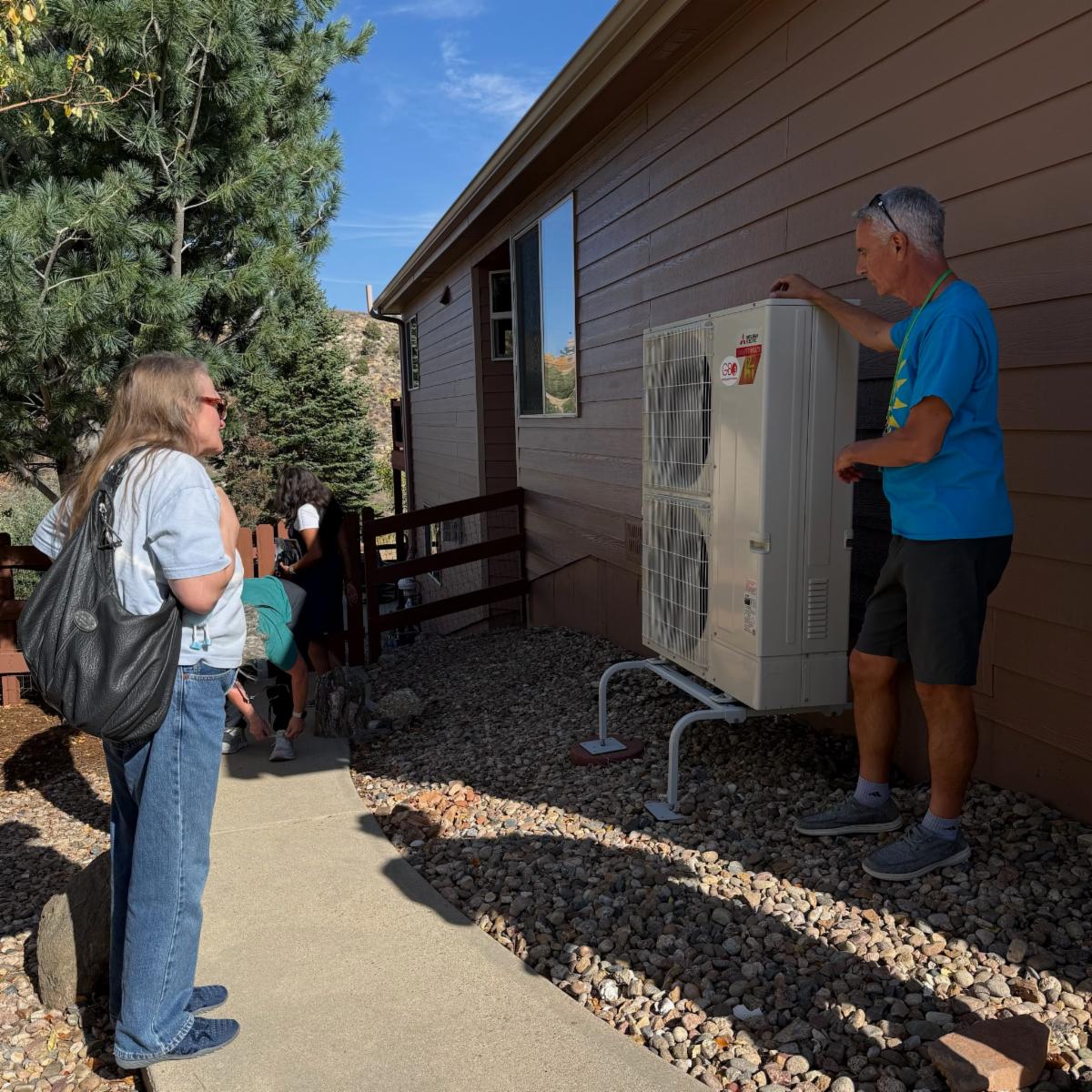
Hundreds of people learned more about how to increase the efficiency of their homes to save money and save energy through heat pumps, solar energy and efficiency measures.

This month's newsletter includes a cost comparison between electric and internal combustion vehicles we think you will find interesting.

And don't forget to VOTE in this year's very important election.

Sunny regards,

Rebecca Cantwell 

for New Energy Colorado


Please forward this newsletter to friends and colleagues and let us know what else you would like to read about by emailing us here

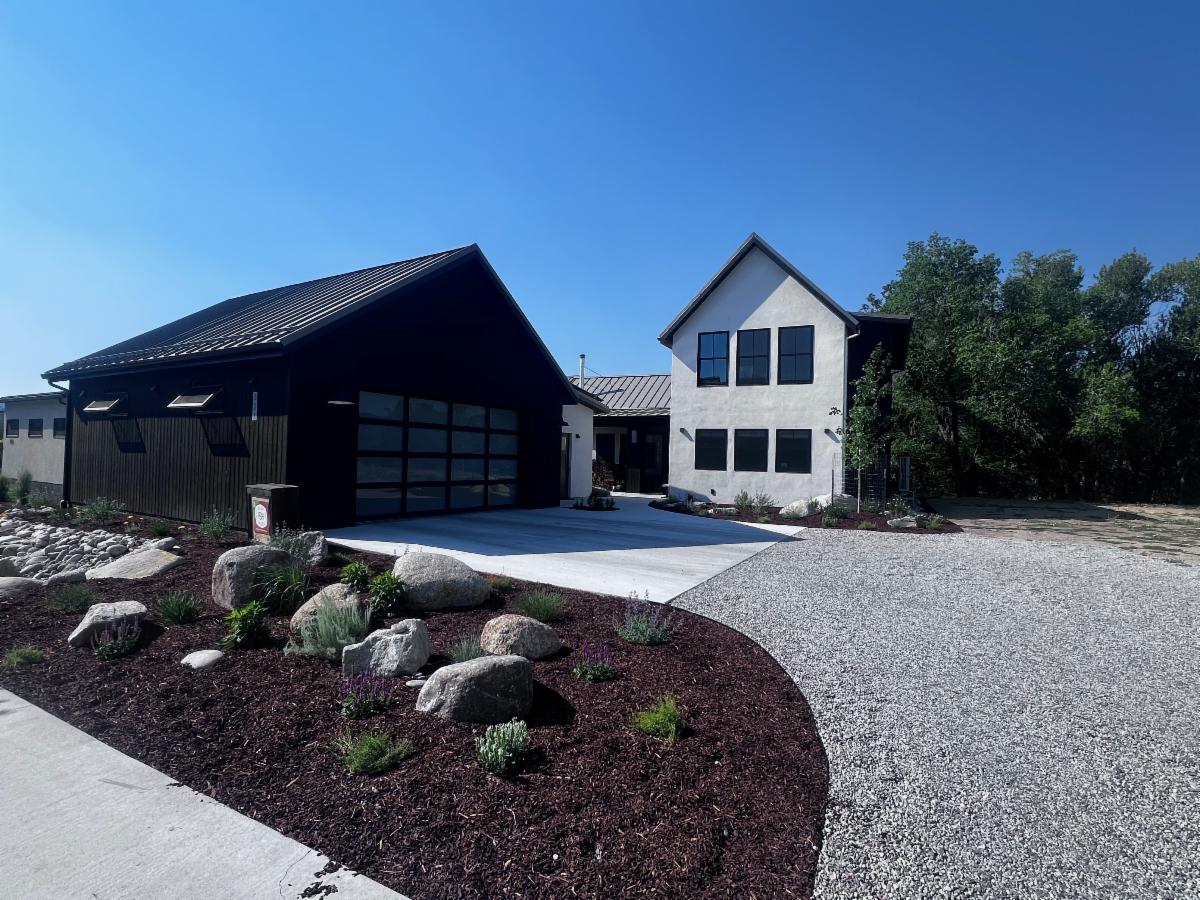
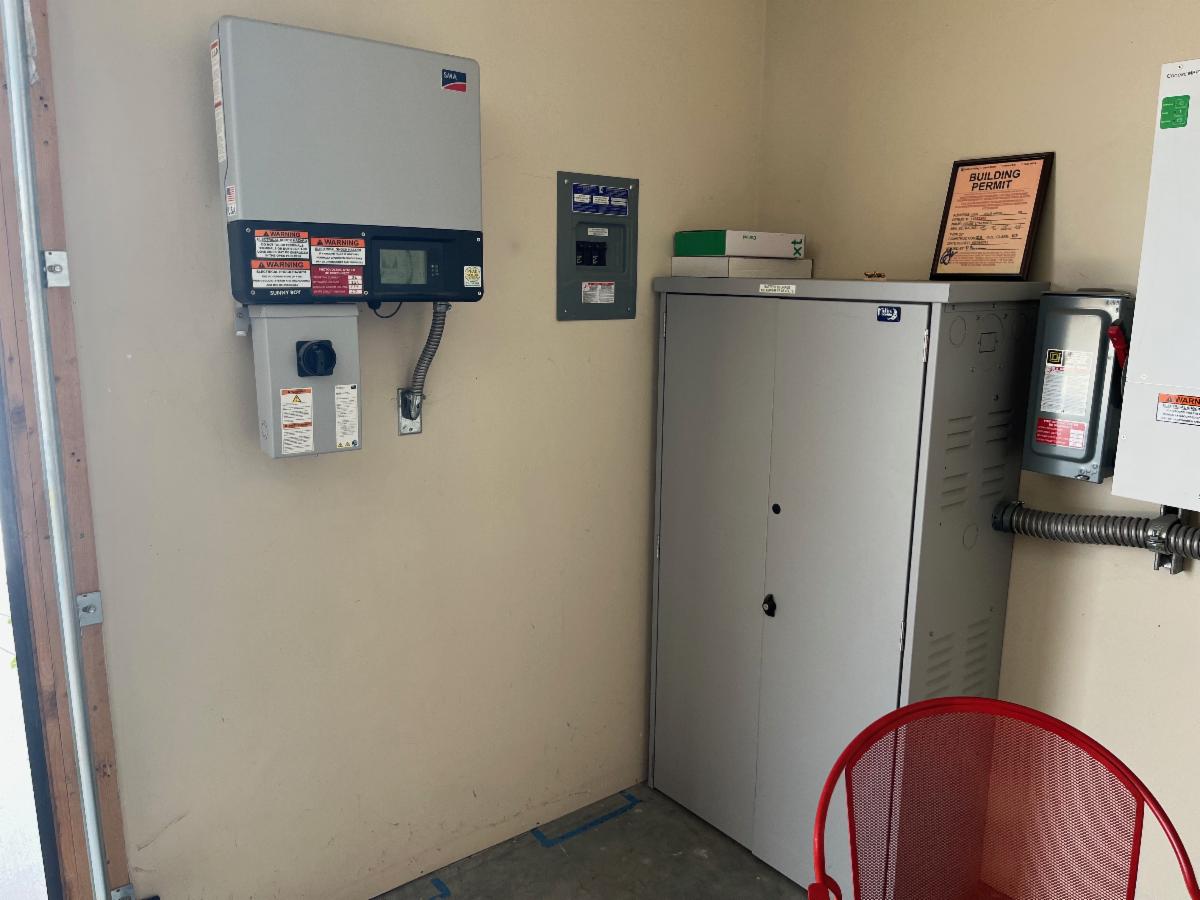
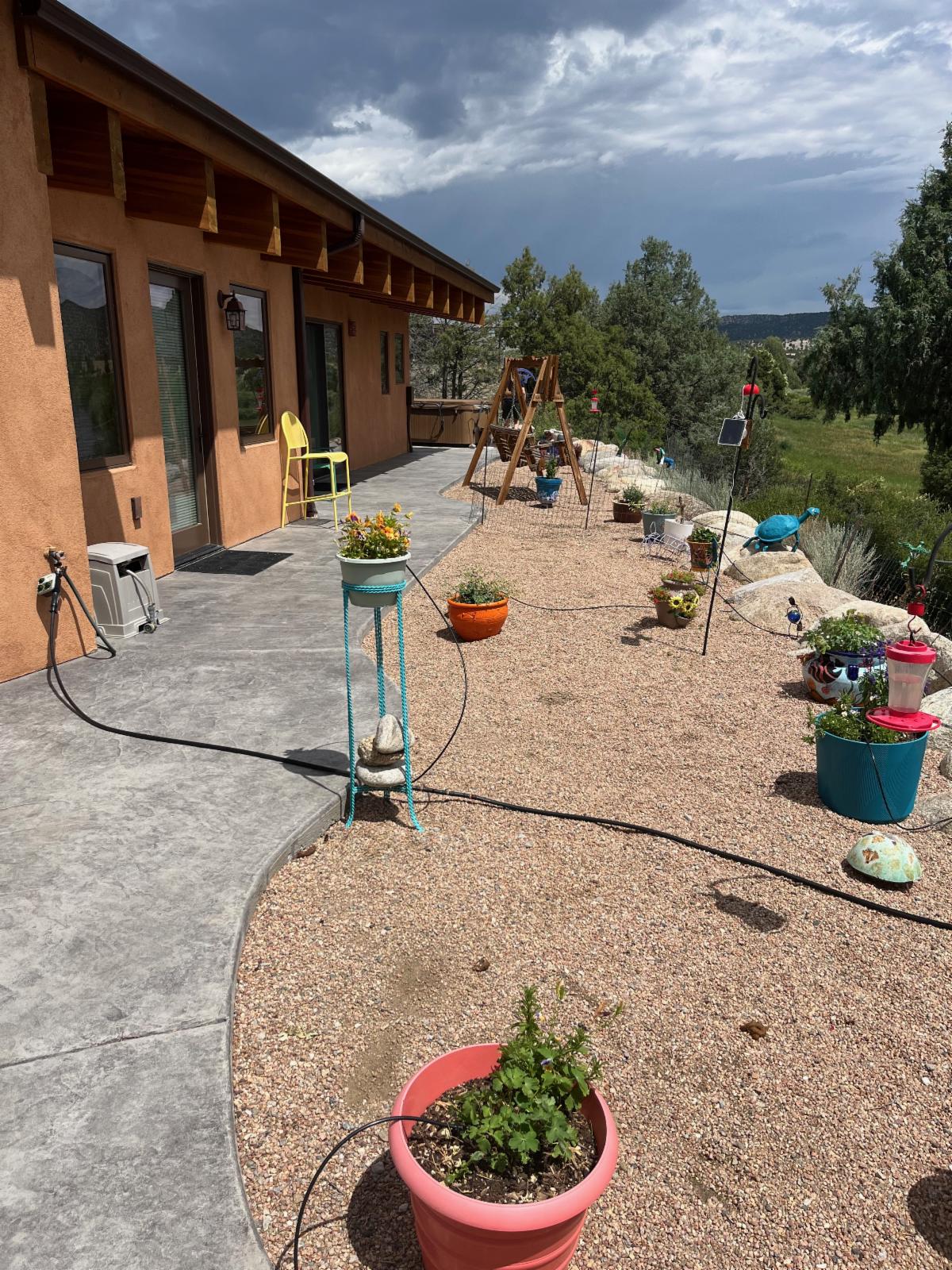
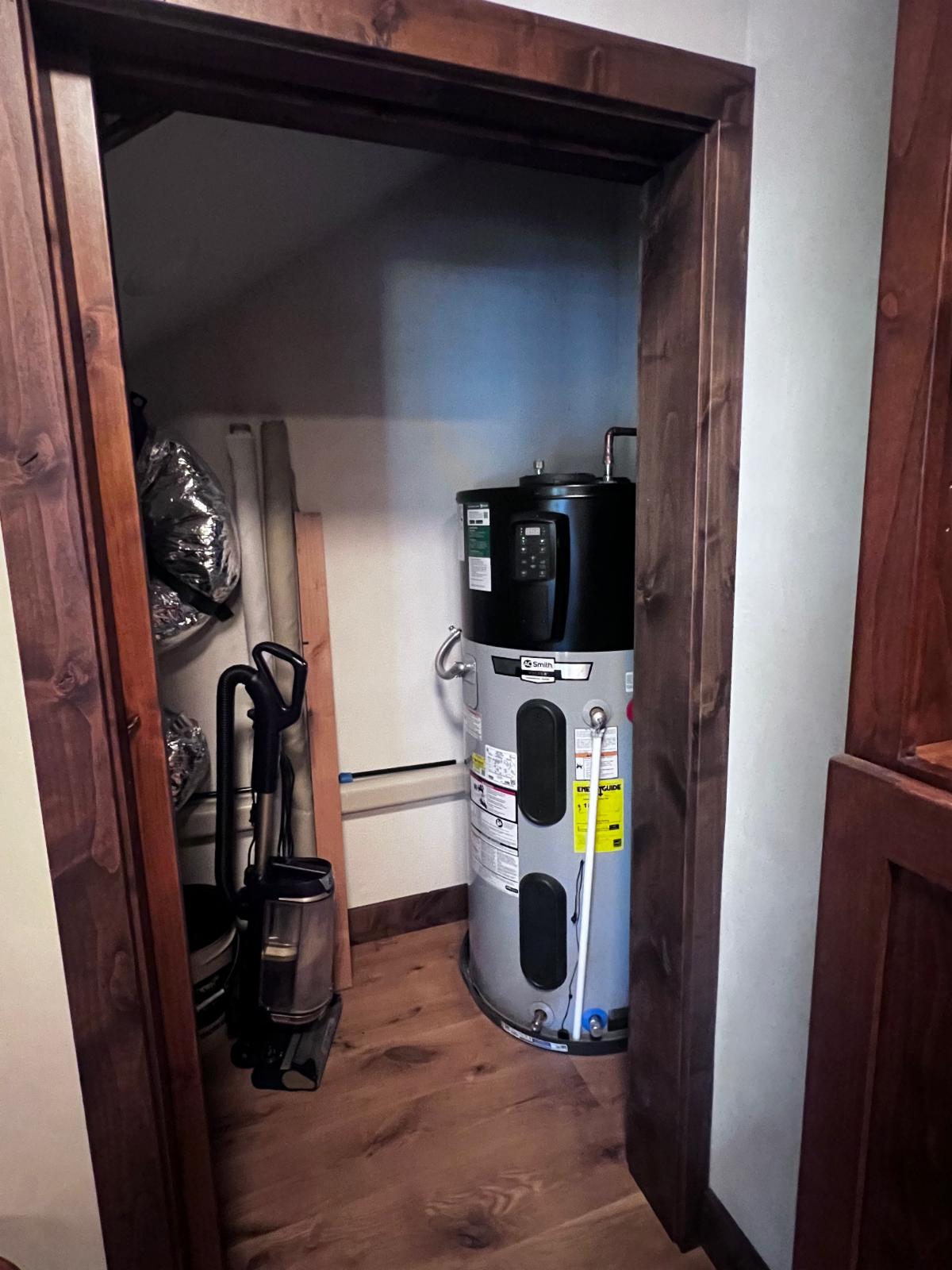
Ark Valley Home Tour in Salida Features Green Technologies

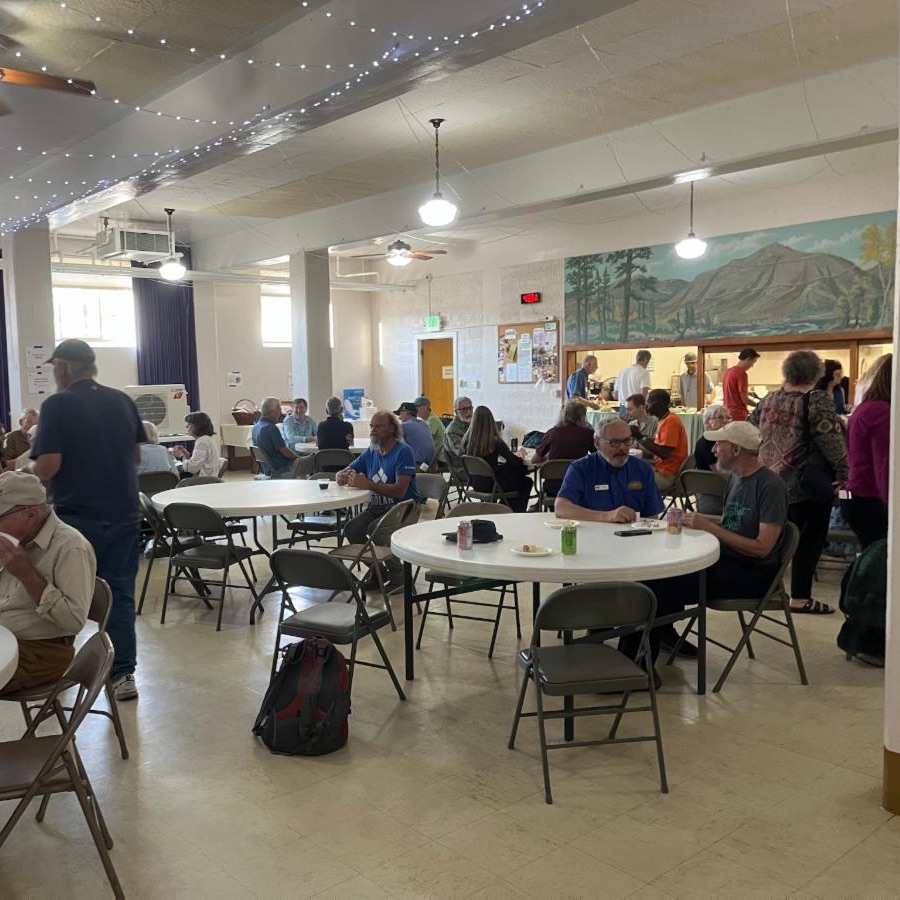
The Ark Valley tour on September 26th featured a hemp house, a 3D printed home, a heat pump conversion and a geothermal heat and cooled home. Residents enjoyed the beautiful homes and advanced technologies.

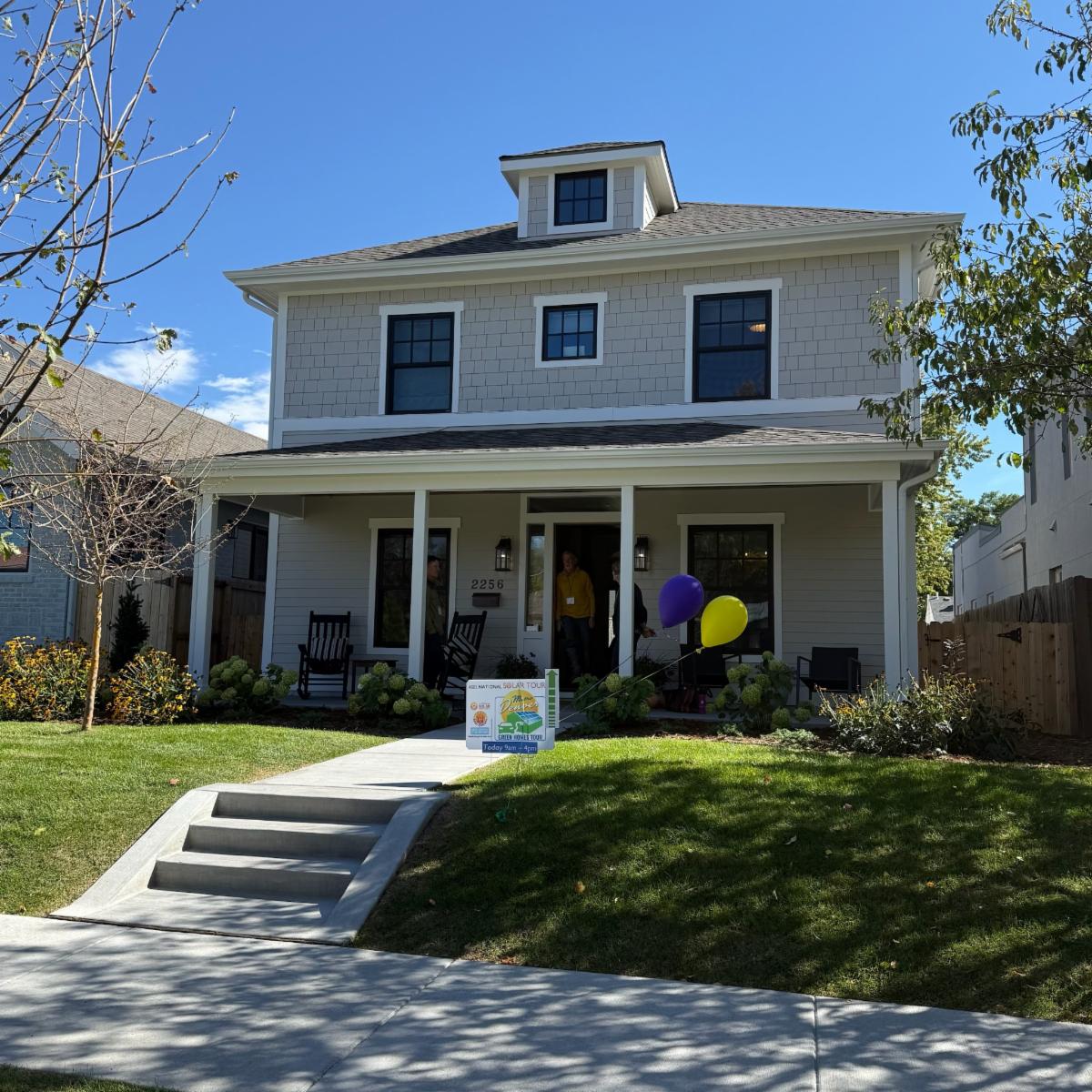
Metro Denver Green Homes Tour Oct. 3:

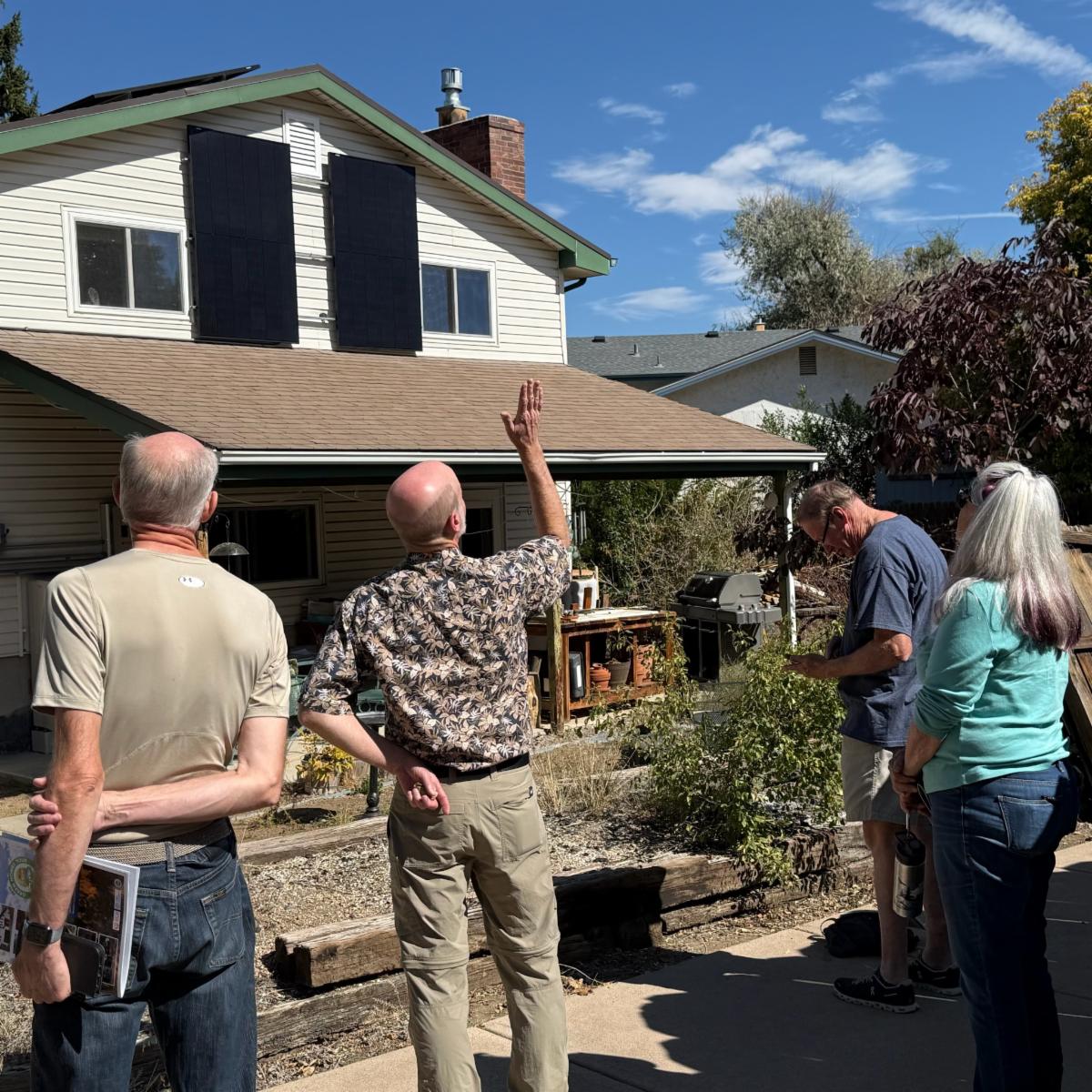
12 Homes Showcase Ways to Save Energy

Metro Denver Green Homes Tour 2026 See more about the homes that were on display at NewEnergyColorado.org/home-tour

The Real Cost of EV vs. ICE Ownership in Colorado


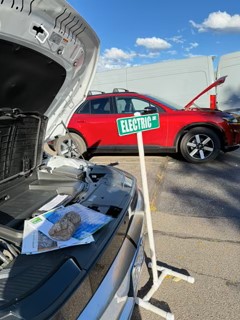
Making the switch from an internal combustion engine (ICE) vehicle to an electric vehicle (EV) in Colorado involves weighing higher upfront sticker prices against significantly lower ongoing operating expenses.

While new and used ICE vehicles often feature lower initial purchase costs, Colorado remains one of the most supportive states in the nation for EV adoption, closing that upfront gap through financial incentives.

 Coloradans can leverage the state’s Innovative Motor Vehicle Tax Credit (IMVC) alongside local utility incentives—such as Xcel Energy's EV purchase rebates (up to $5,500 for eligible income-qualified buyers) and up to $1,300 in home charger installation rebates.

Income-qualifying residents taking advantage of the Vehicle Exchange Colorado (VXC) trade-in program can secure up to $9,000 off a new EV or $6,000 off a pre-owned EV, drastically reducing or completely eliminating the purchase price differential. Furthermore, pre-owned EVs offer exceptional entry points as initial depreciation lowers purchase prices, allowing buyers to capture low operating costs at a fraction of the original sticker price.

Over the vehicle's lifespan, fuel and routine maintenance result in the largest difference between EV and ICE. Gas vehicles require recurring fluid changes, complex drivetrain service, and exposure to fluctuating pump prices, whereas EVs require approximately 40% to 50% less routine maintenance due to regenerative braking and fewer moving parts.

Fueling costs depend heavily on how and when you charge: public DC fast charging can approach or equal the per-mile price of gasoline, but residential charging offers dramatic savings.

By taking advantage of Time-of-Use (TOU) utility rates, charging during overnight off-peak hours cuts electricity costs to a roughly a third of peak rates. Pairing home charging with rooftop solar or community solar lowers per-mile fuel costs even further, effectively capping charging costs near zero. Adding home battery storage allows drivers to capture solar generation during peak sunlight hours and dispatch that clean energy straight into their EV overnight, insulating households from peak electricity tariffs entirely. While EVs carry slightly higher annual registration fees in Colorado (to offset fuel taxes) and comparable insurance premiums, the large savings in fuel and maintenance ensure EVs yield a lower overall total cost of ownership.

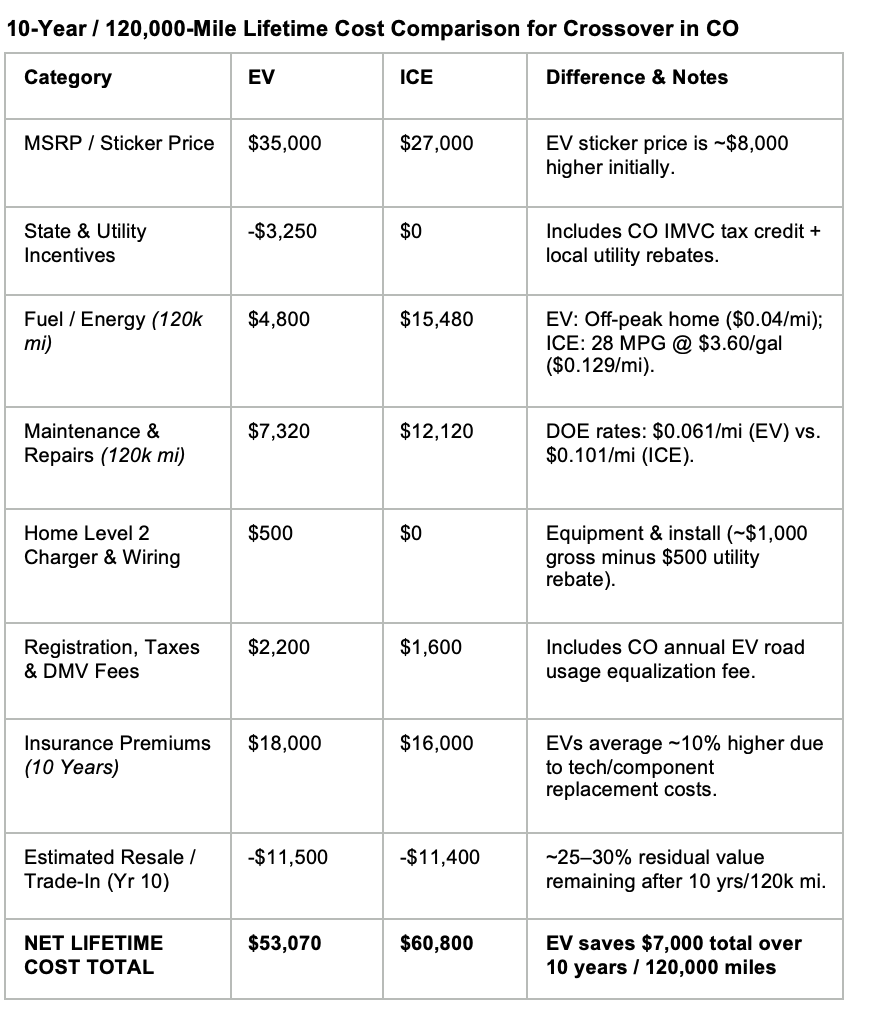
The table below shows a comparison of costs for a typical crossover in CO. The incentives assume that the EV will cost less than $35,000. Additional, income qualified incentives are available from both the State of Colorado and Xcel Energy


Colorado Energy Office, “Get the facts on driving electric” https://evco.colorado.gov/get-the-facts/save-money


US Department of Energy, Alternative Fuel Data Center, https://afdc.energy.gov/


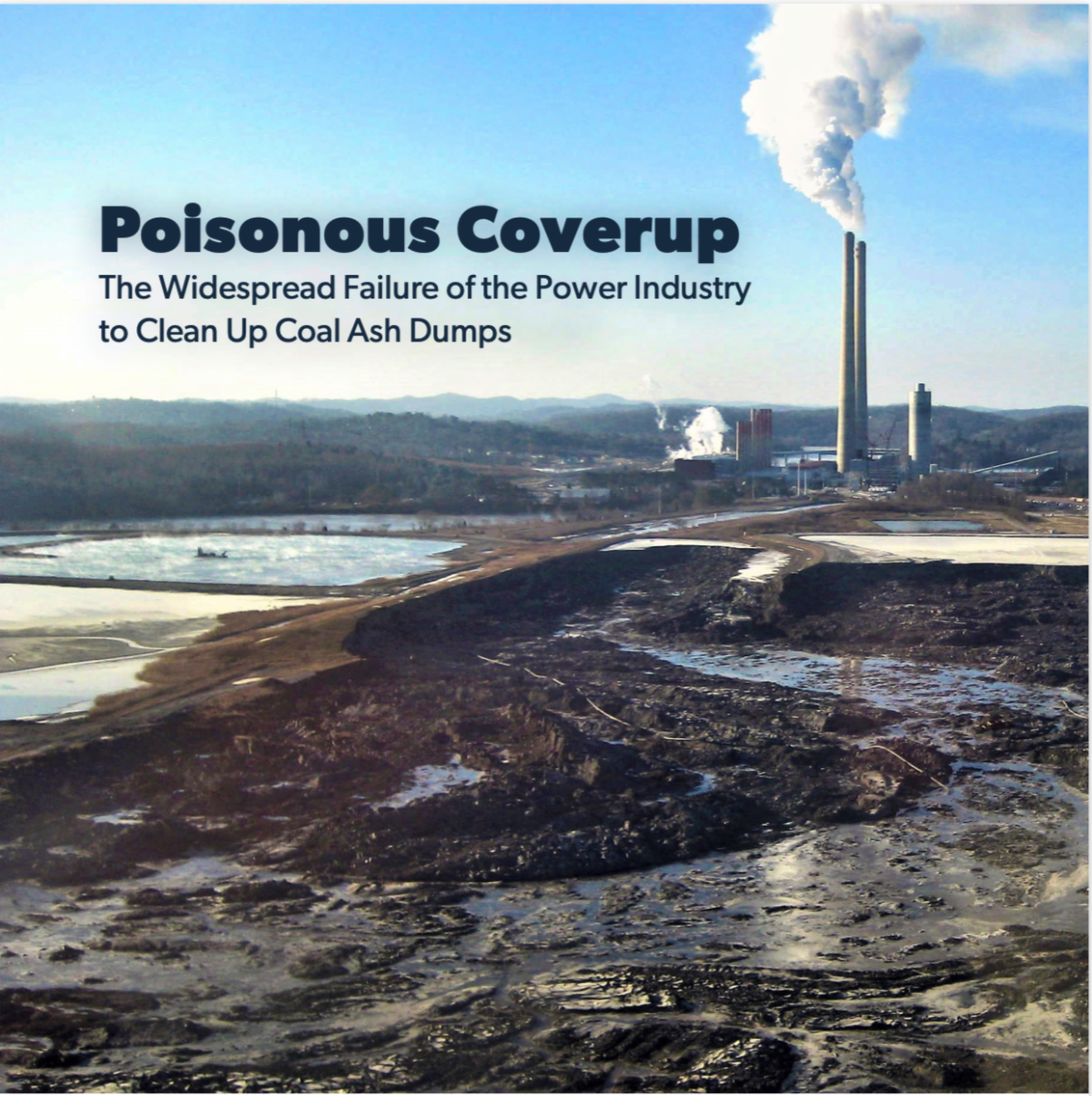
Addressing Colorado’s Toxic Legacy: The Hidden Cost of Coal Ash


As Colorado pivots toward clean energy and retires its remaining coal-fired power plants, an enormous byproduct of the state's industrial past remains scattered across the Front Range and Western Slope.

Decades of electricity generation have left over 30 million tons of legacy coal ash stored across major utility power stations—including Hayden, Pawnee, Comanche, and the retired Valmont facility. Even as annual generation declines to roughly 1.5 million tons from remaining active boilers, managing these vast, toxic mounds presents an urgent challenge.

Without proper containment or cleanup, toxic constituents like arsenic, lithium, boron, and selenium leach into vulnerable groundwater supplies and rivers. State regulators and federal oversight require utilities to implement rigorous environmental safeguards—such as full excavation or advanced synthetic capping—to guarantee our water tables remain safe for generations to come. Many power plants have on-site disposal landfills or ponds and there is concern about what will happen to the toxic components in the future as these plants are retired.

The economic and practical stakes of this transition will directly touch Colorado households and businesses. Environmental remediation and site closures carry significant capital price tags—often tens to hundreds of millions of dollars per station. As utilities petition the Public Utilities Commission to pass these compliance and excavation costs onto ratepayers, electricity rates could see upward pressure unless offset by smart waste management. This is where beneficial reuse becomes a vital economic and environmental tool.

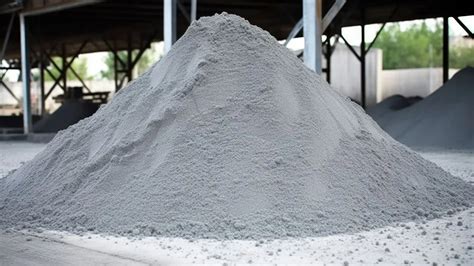
Utilities like Xcel Energy are working to process and recycle high-grade fly ash as an additive for Portland cement in concrete. Recycling ash not only locks toxins permanently inside structural concrete and dramatically lowers the carbon footprint of the concrete, but the resulting sales revenue and avoided landfill fees also help cushion Colorado consumers from rate increases.

Environmental activists, however, caution that the reuse of coal ash needs to be very carefully managed so as not to spread the toxins.


Coal Ash Management, Xcel Energy, 

https://corporate.my.xcelenergy.com/s/energy/sources/coal/coal-ash-management?_ga=2.269239799.724929888.1786225357-1955019084.1785963218


Toxic Coal Ash in Colorado: Addressing Coal Plants’ Hazardous Legacy, Earthjustice: https://earthjustice.org/feature/coal-ash-states/colorado


Make your Voice Heard on Data Center Guardrails


Tuesday, October 20 is an opportunity to make your voice heard on data centers by signing up at a second public hearing at the Colorado Public Utilities Commission from 4-6 p.m. Register Here

Our partners have put together a public comment toolkit for you to use that highlights background information, talking points, tips, and guidance on submitting comments. 

The Colorado Renewable Energy Society recently completed an updated policy statement on data centers which is available here: Policy Statement on Hyperscale Data Centers.

Events

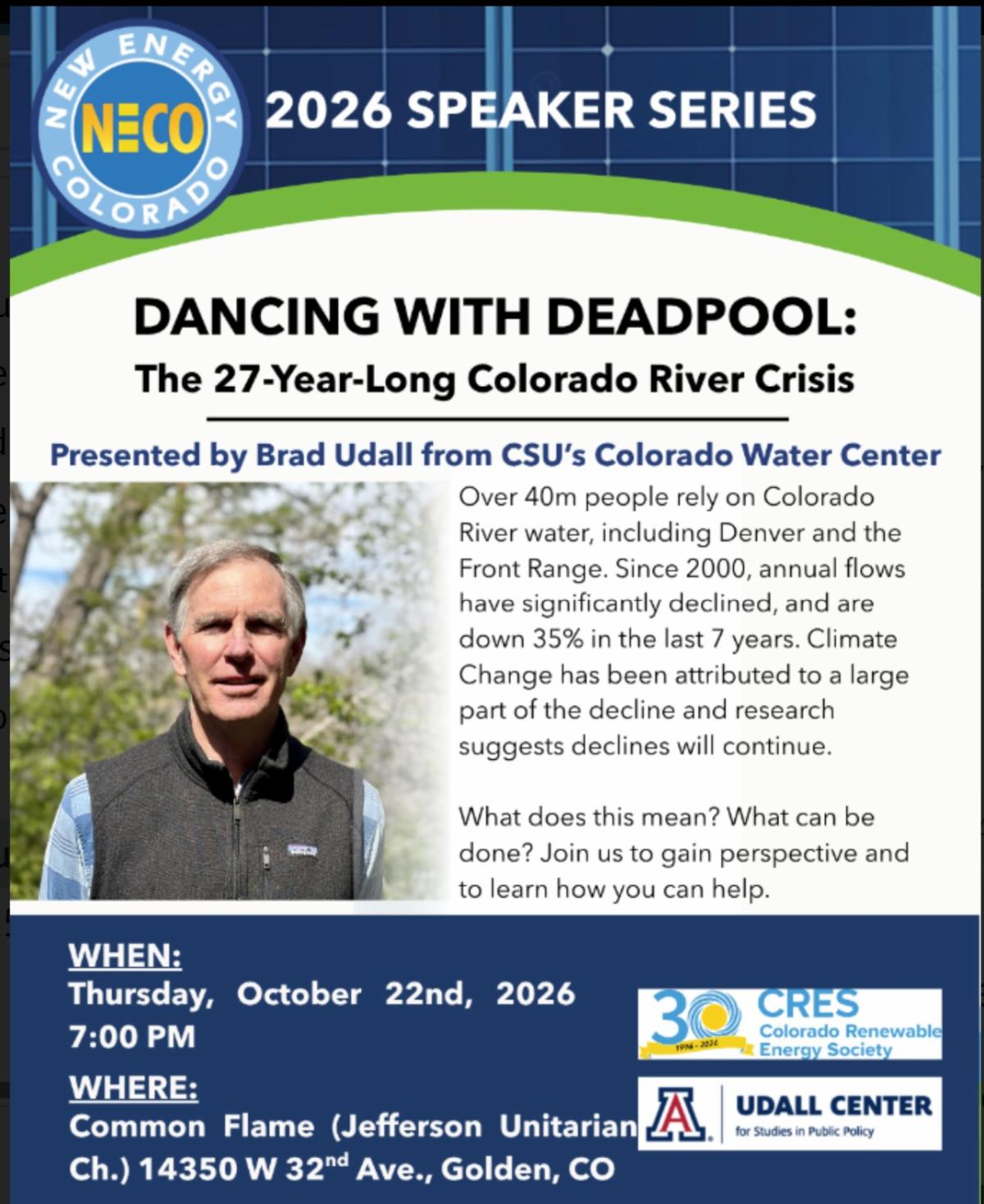
Dancing with Deadpool: The 27-year-long Colorado River Crisis

Thursday, October 22, 2026 7-9 pm at the Common Flame (Jefferson Universalist Church) 14350 W 32nd Ave, Golden

LIVE STREAM


Since 2000 the Colorado River has lost 20% of its annual flow, with higher temperatures and precipitation declines to blame. Up to half of this loss has been attributed to human caused warming.


Presented by Bradley H. Udall, a Senior Water and Climate Research Scientist / Scholar at Colorado State University’s Colorado Water Center.

 Co-hosted by CRES.

3 Stories We Think You Will Want to Read


Clean Energy Drives Eastern Colorado Job Growth


Solar Plus Storage Surging Globally


Why is Google Funding a VPP Pilot?

While many federal programs to help people save on renewable energy and energy efficiency have ended, the state of Colorado's comprehensive portal can help you find anything you might qualify for:

Colorado Energy Savings Navigator | Public Utilities Commission

PUC Consumer page and affordability webpage; and link to Xcel Energy’s PIPP program. 

Partner Organizations

and Sponsors

To add your organization to our list of sponsors for 2026-2027 Please contact support@newenergycolorado.org

More information at https://www.newenergycolorado.org/greenhomestours