View in Browser

Climate-Obsessed Anesthesiologists Numb to Reality

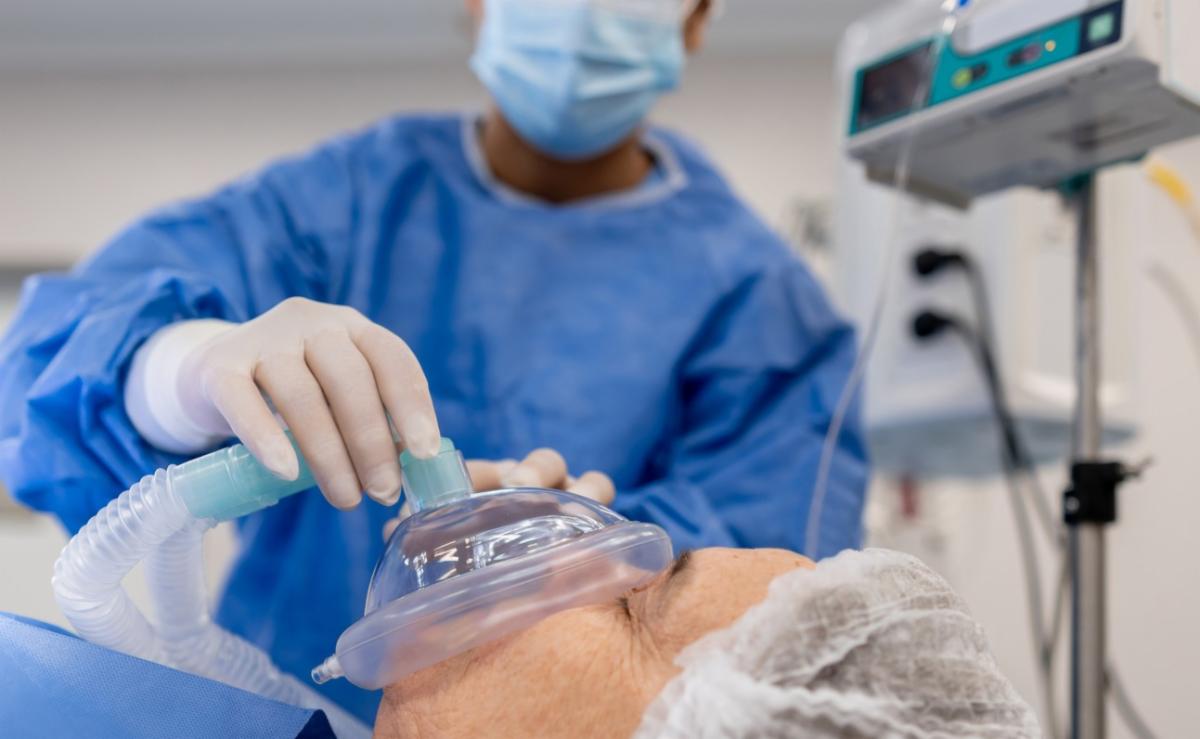
We were approached recently by a leading anesthesiologist who was concerned that some of his colleagues have encouraged limiting or banning the use of some of the major anesthetic gases because of their potential to warm the climate.


A new CO2 Coalition paper debunks this scare, stating that anesthesiologists should make their priority the safety and comfort of patients undergoing medical procedures.


Authored by three CO2 Coalition scientists – Frits Byron Soepyan, Dr. William Happer and Gregory Wrightstone – the paper states that:


  • Concentrations of anesthetic gases in the atmosphere are exceedingly small – measured in parts per billion and per trillion where carbon dioxide, for example, is measured in parts per million. Because of this and other factors, the warming potential caused by anesthetic gases is exceedingly small.


  • Emissions of anesthetic gases to the atmosphere are inconsequential, theoretically causing imperceptible temperature increases of about 0.032 °C in 50 years and of about 0.064 °C in 100 years.


“Therefore, any measures for curbing the emissions of these anesthetic gases into the atmosphere are unnecessary and serve no useful environmental purpose,” conclude the scientists.


A longer discussion of the research was published as an op-ed, appearing originally in RealClear Markets.

Recently Published from CO2 Coalition


Arctic Blast Reminds Us That Warming Is Good Donald Trump’s second presidential inauguration is only the second in modern American history that dangerous Arctic temperatures have forced indoors. The last was Ronald Reagan’s second one in 1985, when wind chills plunged to below zero. However, this winter’s unstoppable, ferocious cold isn’t confined to the U.S. In the Eastern Hemisphere, temperatures have fallen to record lows.


Gases from Asthma Inhalers Cause Negligible Warming Various educational and medical institutions, as well as policymakers, have expressed concerns regarding the use of metered-dose inhalers to prevent or treat shortness of breath associated with asthma and chronic obstructive pulmonary disease (COPD), as these inhalers use hydrofluorocarbons (HFCs), which are greenhouse gases, as propellants.


Your Cappuccino Is Safe Despite Climate Fearmongering I think it is safe to say that our coffee supply is secure for the foreseeable future. So, the next time you hear that the emissions of your internal combustion engine are endangering your morning cup of joe, take it with a grain of salt — or perhaps with a cup of salted caramel cappuccino.

Quote of the Week

If you would like to help fund our important outreach efforts,

please thoughtfully consider donating either by check or online.


CO2 Coalition

2677 Prosperity Ave, Suite 300

Fairfax, Virginia 22031


Gregory Wrightstone


Executive Director,

CO2 Coalition


Connect with us
Facebook  Twitter  Youtube  Linkedin