Clinical Law Program Newsletter
|
|
The University of Baltimore School of Law's Clinical Law Program celebrates 30 years of doing work with clients and communities in Baltimore, Md., and beyond.
We invite you to read about our 12 clinics’ sustained work teaching students and working with clients on such important issues as water accessibility, access to immigration law options and rights, exonerating the wrongfully convicted, legal representation of veterans seeking benefits and upgrades, low-income taxpayer rights and remedies, reproductive and menstrual justice, and legal representation of juvenile lifers in parole hearings.
Here's to the next 30 years!
--
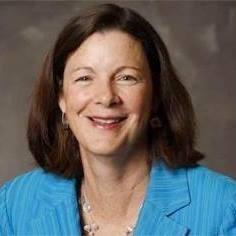
Margaret E. Johnson
, Associate Dean for Experiential Education and Professor of Law
|
|
 |
In 2018-19:
Student-attorneys continued to advocate for more veterans treatment courts in Maryland. Additionally, students represented veterans in VA benefits appeals, focusing on veterans with mental health issues. In one case, a Korean War veteran died from drugs prescribed by the VA. Student-attorneys represented the veteran’s spouse on appeal and, during a settlement conference, the VA conceded errors alleged in the students’ brief and remanded the case.
In 2018-19:
Clinic student-attorneys represented low-income clients in civil domestic violence cases and in complex divorce, child-custody, child-support and paternity cases as well as in Special Immigrant Juvenile Status cases. The student-attorneys conducted trials and hearings, drafted motions and complaints, and conducted innumerable interviews and legal counseling sessions.
Working with the Reproductive Justice Inside coalition, they researched and wrote a model policy on reproductive health care and menstrual products for Maryland’s correctional facilities. Student-attorneys also drafted and filed an amicus brief in conjunction with the ACLU of Arizona, arguing that the state had no constitutional basis for depriving a Mexican father of access to his son, who remains in foster care.
|
|
|
|
attorneys provide legal representation about such matters as business formation, operations and financing, land use and real estate acquisition to community associations, nonprofit organizations and small-business owners.
In 2018-19
: Student-attorneys assisted an urban farming nonprofit in revising its bylaws and establishing employment policies, advised an educational entrepreneur about small business formation options, and helped a disaster relief organization comply with benefit organization laws. To create systemic change, student-attorneys provided legal and policy support to community residents affected by Baltimore’s water crisis. Student-attorneys prepared and presented “know your rights” materials to community organizations and provided pro bono legal advice to prevent tax sales in collaboration with local legal aid organizations.
The
Criminal Practice Clinic
,
led b
y
Director Dan Shemer
and
Prof. Mary Jo Livingston
, place
s students in a state’s attorney’s or public defender’s office. Under the supervision of an assistant state’s attorney or an assistant public defender, student-attorneys prosecute or defend people charged with crimes.
In 2018-19:
Student-attorneys interviewed witnesses, investigated charges, negotiated pleas and argued motions in court for cases that involved drug possession, drunken driving, domestic violence and disorderly conduct, among other crimes.
In the
Human Trafficking Prevention Project
,
led by
Director Jessica Emerson
, st
udent-attorneys work to reduce the collateral consequences of criminal legal involvement for survivors of human trafficking and those populations made most vulnerable to exploitation. Students also advocate for systemic criminal legal reform at both the state and federal level, as well as provide support for the legislative efforts of partnering agencies that are working to dismantle other oppressive systems impacting clients.
In 2018-19:
Clinic student-attorneys represented survivors of human trafficking in expungement, vacatur and federal commutation cases. Clinic student-attorneys filed the clinic’s first presidential pardon application, as well as the first vacatur case ever submitted in Baltimore County in an attempt to set aside the prostitution convictions of a trafficking survivor who had been exploited since the age of 11.
|
|
|
|
|
In the
Immigrant Rights Clinic
, led by
Prof. Elizabeth Keyes
, above, and
Clinical Teaching Fellow Nickole Miller
, student-attorneys represent low-income immigrants in Immigration Court, in Maryland Circuit Court and before the U.S. Department of Homeland Security’s Citizenship and Immigration Services. Caseloads are diverse, as are the clinic’s clients. The clinic work includes asylum law, family reunification, detention and naturalization.
In 2018-19
:
Clinic student-attorneys represented asylum-seekers from Central America who had fled gang violence, domestic violence, or a combination of both. Some clients were families who had been separated and detained at the border. Other clients came from East Africa, Southeast Asia and the Middle East. Student-attorneys interviewed clients and witnesses; counseled clients on everything from case strategies to collateral issues; gathered evidence to prove their clients’ claims; addressed family members’ immigration options, and argued the cases in legal briefs, at the asylum office and in court.
Students in the
Innocence Project Clinic
,
led by
Director Michele Nethercott
and
Deputy Director Brianna Ford
, learn client-centered lawyering, primarily through investigation and litigation. Students represent clients claiming factual innocence and are involved in client, witness, fact and paper investigation; draft motions and briefs, and negotiate and argue in trial courts throughout Maryland.
In 2018-19:
Clinic student-attorneys investigated more than 20 cases of factual innocence, filed multiple DNA testing petitions in Maryland Circuit Courts and presented two cases of factual innocence to the Baltimore City State’s Attorney Conviction Integrity Unit. In December 2018 and again in May 2019, the clinic, in connection with the Conviction Integrity Unit, secured the exoneration of clients who had spent 27 and 24 years, respectively, in prison for crimes they did not commit.
In the
Low-Income Taxpayer Clinic
,
led by
Director John Snyder
, student-attorneys represent taxpayers in federal tax disputes. Cases involve administrative controversies before the IRS and the state comptroller’s office, as well as litigation in federal courts. Students are responsible for all aspects of representing clients, including interviewing and counseling clients, developing case strategy, engaging in fact investigation and discovery, drafting documents, negotiating with adversaries and conducting hearings and trials.
In 2018-19:
The clinic’s student-attorneys filed its first three tax-refund suits in U.S. District Court, obtaining concessions from the U.S. Department of Justice in two of the three. The clinic’s student-attorneys also litigated more than 12 cases in U.S. Tax Court, obtaining favorable settlements or concessions in most, and successfully negotiated offers to compromise with the IRS on the tax liabilities of numerous low-income clients facing medical issues, financial problems and other serious life events.
|
|
|
|
Students in the
Mediation Clinic for Families
, led by
Prof. Robert Rubinson
and
Clinical Teaching Fellow Alexandra Smith
, represent clients in the mediation process, co-mediate family law disputes and engage in projects designed to improve the practice of family mediation. Student mediators and attorneys often appear in cases before the Family Division of the Baltimore City Circuit Court, but they also may be involved in mediation in other contexts, such as cases in the Maryland Court of Special Appeals and in international abduction mediations under the Hague Convention.
In 2018-19:
Clinic student-attorneys represented clients in mediation and mediated family disputes in the Circuit Court of Baltimore City. Student-attorneys also made presentations about mediation and conflict resolution as part of the Center for Urban Families’ STRIVE Future Leaders Program, which focuses on enhancing career readiness for Baltimore youth.
Students enrolled in the
Mental Health Law Clinic
, led by
Prof. Donald Stone and
Linda Penn
, represent and advise children and adults facing involuntary psychiatric civil commitment within the Sheppard Pratt Health System. Administrative hearings are conducted each week, and student-attorneys handle cases, including the initial interviews of clients, witnesses and experts; case preparation and investigation. Students research procedural errors, prepare memoranda and argue motions before administrative law judges.
In 2018-19:
Students met with many adults and children, advising them of the right to postpone cases or admit themselves voluntarily, or to prepare for representation at commitment hearings. Student-attorneys successfully argued for the release of individuals in cases in which procedural errors occurred and in cases on which the merits were at issue. They extensively researched various issues, contacted witnesses and prepared arguments to present to the administrative law judge.
They also negotiated with parents, caregivers and governmental agencies to secure voluntary admission or to allow for treatment in less restrictive settings.
In 2018-19:
Clinic student-attorneys advocated for low-income individuals facing incorrect debt collection actions, tenants living in substandard conditions, individuals seeking to expunge criminal records so they can obtain employment, and elderly individuals defending against unsupported claims from former landlords. They also aided impoverished parents appealing denials regarding their children’s Social Security benefits and seeking to enforce a judgment against an unscrupulous landlord.
|
|
|
|
In the program for the event, it was noted that Keyes’ “teaching, scholarship and practice all focus on improving access to justice for immigrants in the immigration system.”
After several years of research, community education and working with legislators, The Water Accountability and Equity Act is expected to be presented for a vote in the Baltimore City Council on Oct. 28.
|
|
The
Legal Data and Design Clinic
will help students boost their technological literacy so they can use data more effectively as lawyers, as well as better understand the rapidly changing field of technology in the context of criminal justice, data privacy and other areas of the law.
|
|
|
|
Meet Our 2019-20 Clinical Teaching Fellows
|
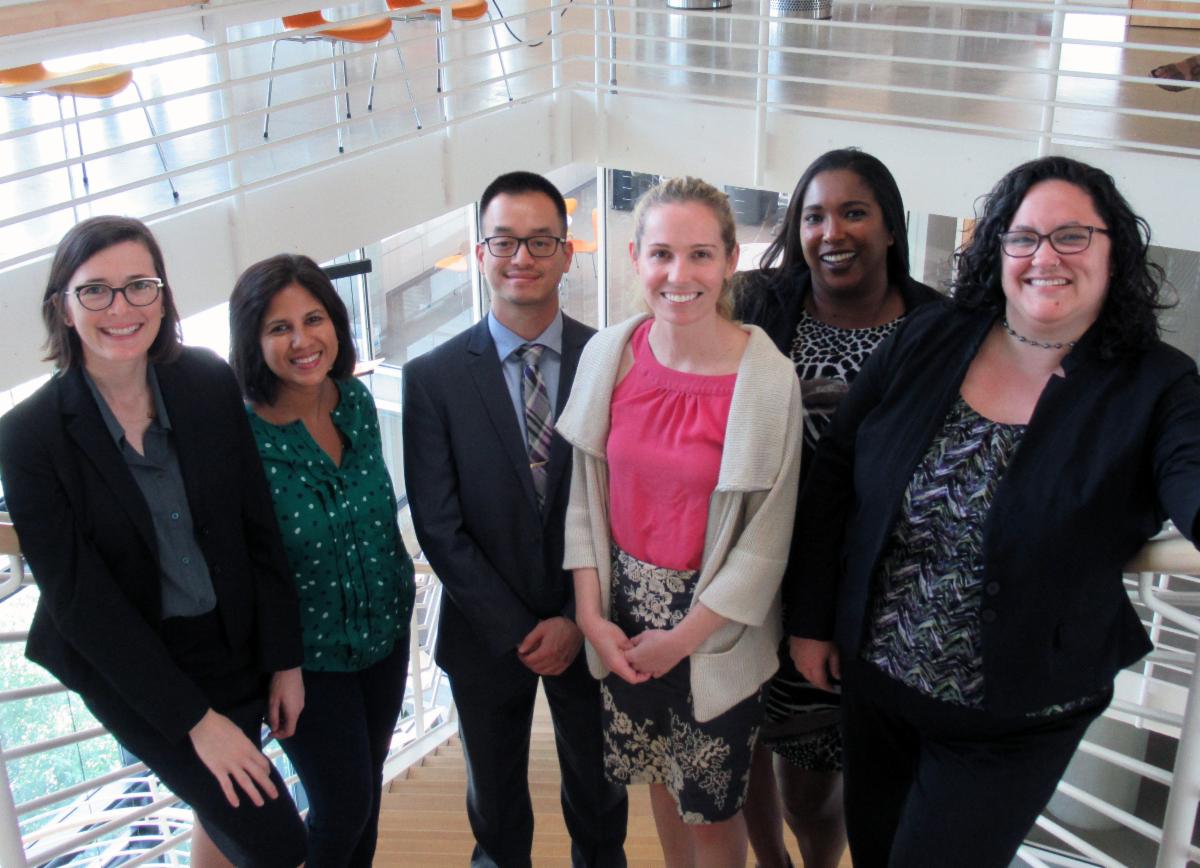
Our clinical law program offers a three-year rigorous clinical teacher-training program. Our fellows supervise student attorneys, teach clinical seminars and engage in scholarship. Our former fellows have gone on to full-time teaching positions at other law schools. This year's fellows, from left: Nickole Miller, Shanta Trivedi, Veryl Pow, Alexandra Smith, Nicole McConlogue and Katy Clemens.
|
|
Prof. Jane Murphy, Clinical Law Program Founder, to Retire
|
Prof. Jane Murphy
founded the UB Clinical Law Program,
as well as the Family Law Clinic, in 1989. From the beginning, the clinic focused on both client representation and systemic advocacy, with an emphasis on clinical pedagogy, including a fellowship program to train new clinical law professors.
Prof. Murphy's clinic work has transformed the practice of family law and, more recently, juvenile justice law, in the the state of Maryland. She plans to retire from teaching in May 2020.
"Our clinical program was begun by Prof. Jane Murphy, and her impending retirement will be a huge loss for the program and our law school," said Associate Dean Margaret E. Johnson. "Jane has been a trailblazer working with students and our community to create change in legal system injustices. She will be missed."
|
|
|
|
University of Baltimore School of Law
1420 N. Charles St., Baltimore MD 21201
|
|
|
|
|
|
|