Winter 2019
Clinical Trials Office Newsletter
|
|
In this Issue
too
Q & A
- Expanded Access Protocols
|
Maine Medical Center Research Institute will be rolling out a Research Module in EPIC planned for February 2019. For more information, contact Lisa Lemire at
LLemire@mmc.org
.
|
|
Message from the Director
|
We hope the information in this newsletter is of interest to you, and it informs the expanding research community about the diverse and groundbreaking work that is going on in Clinical Trials at MMC, MMP, MaineHealth, SMHC, Biddeford, Sanford, HACCC, PenBay, Waldo and coming soon to the other MaineHealth hospitals.
The Clinical Trials Office has released new Standard Operating Procedures (SOPs) effective August 1, 2018. SOPs are available on the Clinical Research Intranet and cover topics such as Protocol Start Up, Study Documentation, Monitoring, Study Close Out, Subject Recruitment and Screening, Subject Management, Adverse Event Management, Data Management and Electronic Records, and Audits and Inspections.
We paired a training module along with the release of the new SOPs. Most Clinical Research Coordinators have completed their training, but for those that missed the trainings we will be setting up additional trainings soon. Please contact the Clinical Trials Office to find out more at:
ClinicalResearch@mmc.org
or 396-8670.
In closing, I would like to remind you of two educational opportunities for research staff. First is the Quarterly Clinical Research Coordinator Meeting for all Research Coordinators and other interested Research Staff. It is highly recommended that all Research Coordinators attend this meeting. For your convenience it is now available as a
GoToMeeting
. Second, we have ‘Meet and Greet’ sessions scheduled monthly for any new Research Coordinators or other new Research Staff. It allows any new staff the opportunity to meet with all the groups that support research, such as the Clinical Trials Office, Project Management, Office of Research Compliance, Billing Compliance, Grants and Contracts, and NorDx. Please contact Deb Wright, MMCRI Program Coordinator, at
wrighd@mmc.org
for information on the next scheduled session.
Please feel free to contact me at
GARRIK@mmc.org
with any comments, suggestions or ideas for upcoming editions of the
Trials in Motion
newsletter.
Respectfully,
Krista
Krista Garrison, Director Clinical Trials Office
|
|
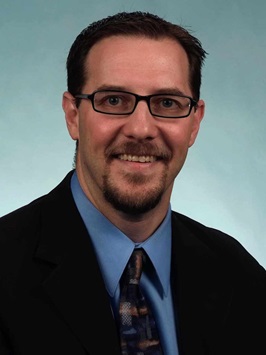
Dr. Aaron Weiss, a Pediatric Oncologist at Maine Children’s Cancer Program, has been involved in clinical research for over 15 years. Dr. Weiss received his medical degree from the Philadelphia College of Osteopathic Medicine, completed his residency at A.I. duPont Hospital for Children and his fellowship at St. Jude Children’s Research Hospital. Dr. Weiss has overseen a variety of studies focused on soft tissue sarcomas, from his own investigator-initiated multisite trial to the acting chair of a national cooperative group trial. In addition, he was recently appointed the Medical Director of the Desmoid Tumor Research Foundation and serves on the Soft Tissue Sarcoma Committee of the Children’s Oncology Group.
How did you get involved in research?
I began my career in medicine thinking I would become a pediatrician; it was research that motivated me to go into pediatric oncology. I wanted the ability to help understand and discover novel approaches to treatment in order to move the field forward.
How has conducting clinical research affected the care you provide to your patients?
Conducting research opened my eyes to the fact that there are always opportunities to get involved on both a provider and patient level. I take time to inform patients about how prior involvement of patients in research has contributed significantly to the treatments we have today. Many people are skeptical when they hear the word research, but once the background is explained most people want to participate. Leukemia is a prime example – in 1960 there was a 10% survival rate, today it is over 95% due largely to clinical research.
What is your focus area?
I am currently overseeing two soft tissue sarcoma studies looking at adding targeted agents to treat diseases with poor outcomes and/or ineffective treatment options. It is important to look at the disease biology and treatment together; studies helping to better elucidate the biology of the disease may help facilitate the discovery of new treatments to complement those findings.
Another focus area of mine is Adolescent and Young Adult (AYA) cancer. It is an underrepresented group, largely due to a lack of participation in clinical research. This leads to less tissue acquisition necessary to gain a better understanding of the underlying biology which is likely different than children or older adults. These gaps help explain the poorer outcomes in this population.
Some barriers to clinical trial involvement are a lack of insurance coverage, lack of a primary provider, and studies with strict age cut-offs. The National Cancer Institute (NCI) has started to work on this by expanding enrollment on pediatric clinical trials to lower and older ages and encouraging pediatric and adult cooperative group collaboration for joint studies.
Where do you see the future of pediatric oncology care?
Genetics will likely begin to drive therapy decision making. The majority of patients will have genetic characterization of their disease at the time of diagnosis rather than waiting until relapse. Treatment will largely be based on this result due to better upfront risk stratification. Returning to the leukemia example, while it is wonderful that 95% of our patients are cured, we really need to better identify early on who the other 5% of B-cell leukemia patients are so initial therapy can be intensified accordingly.
|
|
Office of Research Compliance News
|
|
New Location & Information
The Office of Research Compliance is now located at 509 Forest Avenue in Portland. New direct phone numbers are listed below, please contact the office with your general research study questions at 661-4474. There is also a New Common Rule for researchers applying to new studies approved on after January 21, 2019. For more information please go to:
New Common Rule
.
|
|
Institutional Review Board
Research Program Manager:
Emily Berg 661-4471
Research Manager:
Donna Horne 661-4473
Project Manager:
Robert Kennedy 661-4478
Research Compliance Coordinator:
Kathleen Durost 661-4477
|
|
Research Compliance & Education Office
Rebecca Lamb: 661-4470
Crystal Nayock: 661-4484
|
|
|
ABCs of Expanded Access Protocols
|
|
Sometimes called “compassionate use”, expanded access is a potential pathway for a patient with a serious or life-threatening disease or condition to try an investigational medical product, such as investigational drugs, biologics or medical devices that are being tested to see whether they are safe and effective.
Expanded Access Protocols (EAP) come in different forms. There are EAPs for single patient use, intermediate-size patient populations and ones that are for widespread use. The single patient EAPs are often used in emergent situations. Intermediate-size patient population EAPs allow access to treatment with an approved drug, or related product that is not available because of drug shortage or other reason. EAPs for widespread use are protocols that are submitted under an existing Investigational New Drug.
EAPs are not Clinical Trials, but often look, feel and have the same requirements as Clinical Trials, such as approval from an Institutional Review Board before participation. EAPs often have limited or no compensation from the Sponsor, but many standard of care procedures required by the EAP can be billed as usual. Costs such as investigator and coordinator time required to perform all of the required regulatory and patient monitoring will often not be covered. MMCRI has put a review process in place to help to determine the feasibility and cost burden of participating in EAPs. For more information, please contact the Clinical Trials Office at
ClinicalResearch@mmc.org
or 396-8670.
|
|
Clinical Trial Spotlight - The CODA Trial
|
|
For the past 130 years, the surgical removal of the appendix (appendectomy) has been the primary treatment for acute appendicitis. While largely safe, appendectomies cost the healthcare system billions of dollars annually, and may keep patients from returning to work or resuming regular activities for 10 days or more. Recent clinical trials conducted in Europe have challenged these long-held beliefs about the need for surgery, demonstrating successfully that antibiotic treatment without surgery may be just as effective as appendectomy for the treatment of acute uncomplicated appendicitis (AUA).
Maine Medical Center is one of 25 U.S. sites participating in the largest-ever clinical trial (and the first in the U.S) to compare appendectomy and antibiotics as treatments for AUA. This important trial, conducted in our Emergency Medicine and Surgery Departments and called
The Comparison of Outcomes of Antibiotic Drugs and Appendectomy
or “
CODA
”, is funded by the Patient-Centered Outcomes Research Institute (PCORI) and sponsored by the University of Washington. CODA, which plans to enroll 1500 patients nationwide, will compare clinical outcomes between patients randomized to appendectomy or antibiotic treatment, including their resolution of symptoms, need for eventual appendectomy, complications, quality of life, and healthcare burden.
Screening to identify patients eligible for CODA is currently underway here in the MMC-ER. Patients who are aged at least 18 years and who have a clinical diagnosis of AUA may be eligible to join. Contact Debra Burris, RN at
burrid@mmc.org
or 207-741-1889.
We hope that the results of this important trial will lead to empowering patients and surgeons to make better-informed healthcare decisions.
|
|
Clinical Research Coordinator Up Close
|
|
Up Close with Robin Donovan
|
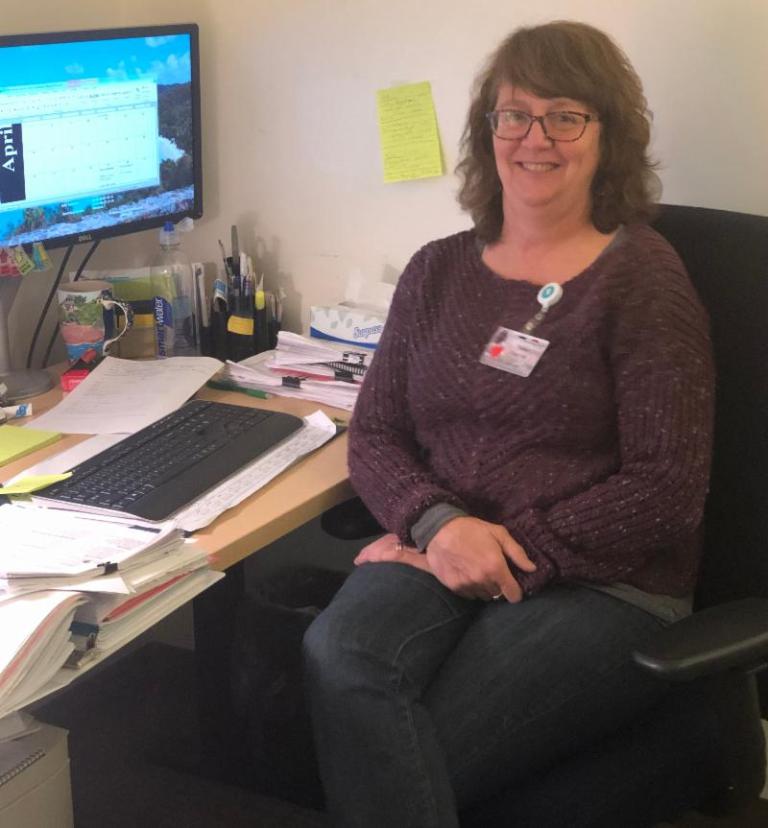
In this issue we interviewed Robin Donovan, who resides in the Gynecologic Oncology Department at 100 Campus Drive. With 13 years of experience behind her, we reached out to see what Robin’s thoughts are on Research and how she decompresses in her down time.
Have you always been in Oncology Research?
I have been in this position since 2005. Prior to this, I was a Dietetic Technician at the Lipid Center, involved in Nutrition Counseling. A colleague of mine was starting the Outpatient Gynecology Oncology Research Program and I came over part time, eventually staying on in a full time position.
How has research changed since you started?
Oncology trials have become more complex, but along with that, our patients have gained access to new innovative treatments such as targeted therapies and immunotherapies.
What is the most rewarding aspect of your job?
Working with patients and being able to offer them treatment they may not otherwise have access to.
What do you like to do in your spare time?
My husband and I love to take our boat out on Casco Bay.
If you could be an animal, what would you be and why?
I would want to fly, so any bird like an Eagle or maybe a Robin.
What is your super power?
Making people feel at ease.
|
|
The number of open research projects registered with MaineHealth and NorDx labs has hit a grand total of 82 for 2018 and continues to grow! Coordinators have been actively submitting projects to catch the latest in research advances; a total of 62 opened in the last year based out of different sites in southern Maine. These studies cover a variety of disciplines including oncology, cardiology, endocrinology, and genetics. There are 17 in-patient studies, 59 out-patient studies and others that are both.
We enjoy the opportunity to support MaineHealth Research and working side-by-side with MMCRI coordinators to make sure that specimens are collected and processed successfully. We are inspired by the work that is being done and glad to have an important role in these ground-breaking research projects. Study updates and interesting outcomes can be shared at the NorDx daily huddle at Bramhall, M-F, at 8:45am. Updates can also be presented at other NorDx locations by scheduling in advance. For more information or questions, contact Dave Groft at:
|
|
Pen Bay Medical Center Research
|
|
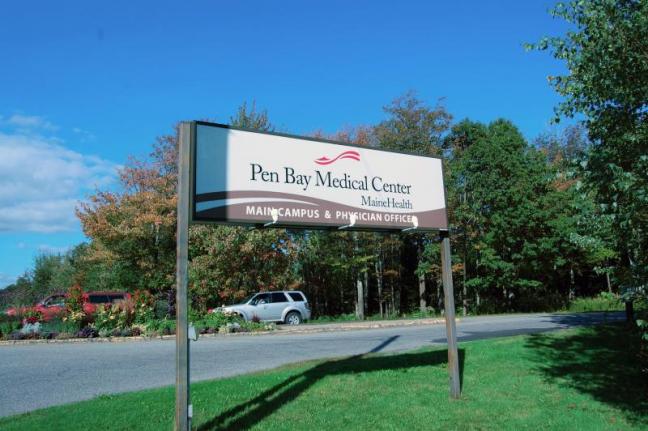
There is a lot of exciting research going on outside of Portland. One of those sites is Penobscot Bay Medical Center (PBMC). PBMC has been participating in clinical trials since the 1990’s. The Clinical Research Department was formally established in 2009 and has been doing research in the areas of anticoagulation, gout, diabetes, multiple sclerosis, chronic kidney disease, atrial fibrillation, anemia, and polycythemia vera to name a few.
In 2013 Pen Bay began participating in the oncology cooperative group studies and the PBMC Clinical Research Department began helping investigators plan and execute investigator initiated studies. Two of those studies will be presented at the Annual Nursing summit in Augusta March 2019.
In 2017, The PBMC Clinical Research Department began working with summer research interns allowing College students looking to apply to medical school or other high education science degrees to get some research experience.
This past year the MaineHealth Cancer Care Network expanded Oncology Research to PBMC and Waldo County. The MaineHealth unification which went into effect 1/1/19, provides further opportunity to expand research in rural areas. We look forward to the opportunities that unification presents and the collaborations that will follow around the MaineHealth system.
|
|
We’ve Moved!
The Project Management team has moved to Portland. Our new address and phone numbers have changed - stop by our new office and say hello. We are are happy to assist with all research needs.
New Location:
509 Forest Avenue,
3rd Floor, Suite 350
Portland, ME 04101
New Contact Information:
Brad Gallant 661-2706
Meaghan Chemelski 661-2707
Mike Sountis 661-2708
Ella Canning 661-2709
A new central inbox and phone number has been added for Project Management. If you already know your PM, please contact that person. The central line and inbox are for PIs, CRC, or other individual who are new to working with the CTO and PMs.
Central Phone Number: 207-396-8687
|
|
Clinical Trials Management System - 4CR (For Clinical Research)
We are nearing our goal of entering all studies into CTMS thanks to everyone’s patience and effort. Your PM will continue to work with you over the coming weeks and months to complete study and patient entry into the system. With the recent improvements that have been made, we hope you have seen a marked increase in speed and accuracy. Please continue to reach out should you encounter any issues.
Training
Current training manuals are available on the Intranet via the
4CR CTMS page
. Any questions regarding the manuals or to set up a 1:1 or group training, please contact Michael Sountis at
mmsountis@mmc.org
|
|
CTMS Tip
- Use the “Study Level Task area” (Available from the left side of the Research Coordinator Tab) to enter all ancillary activities such as monitoring visits, IND reports as well as any activities that are not predefined as part of a visit.
|
|
Study Intake Form
Reminder to please use the Study Intake Form to submit new studies for Start-Up processing! The form is located on the Clinical Research Intranet site under Links to REDCap & Forms and can be accessed at: “
Clinical Research Study Intake Form (CTO)
”
|
|
|
|
|
|
|