CLOSING THE CIRCLE - FALL 2023


HOME | NEWS | PUBLICATIONS | RESOURCE LIBRARY


National Collaborating Centre for Indigenous Health (NCCIH)
3333 University Way, Prince George, BC, Canada, V2N 4Z9
T: (250) 960-5250 | F: (250) 960-5644
nccih@unbc.ca
nccih.ca


Follow the NCCIH on X (Twitter) Like the NCCIH on Facebook Connect to the NCCIH on LinkedIn Watch NCCIH videos on Vimeo Watch NCCIH videos on YouTube Listen to NCCIH on SoundCloud Read NCCIH knowledge resources on ISSUU


Welcome


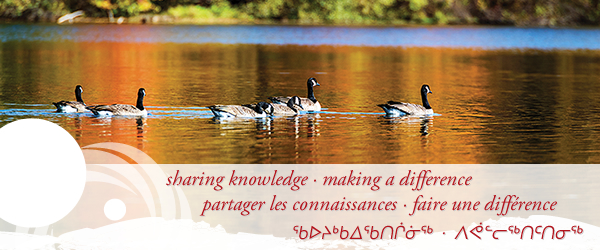
The signs of Xwsit (autumn) are evident: the strong winds, the cooler temperatures, and the leaves that change from deep green to light green, to golden yellow, and finally to red. We notice the cottonwood buds start to flower and the salmon in the river. And when fireweed flowers have gone to seed, we know winter will arrive in six weeks.


These many signals are more than just a renewal of our interconnectedness to Mother Earth, they ensure our survival: they remind us to pick wild berries, such as rose hips, as well as leaves for medicinal teas; they remind us to hunt moose, caribou, deer, and geese. They tell us to prepare ts’al (smoked salmon), and to preserve the berries and meat to enjoy during the cold months to come.


Our interconnectedness to Mother Earth is also a reminder of our interconnectedness to each other, through our languages and cultural practices: powwows, dance, songs, feasts, and ceremonies. Being interconnected builds strength and reinforces the importance of providing not only for ourselves but also for Elders, other community members, and those less fortunate than us.


If you are interested in knowing about our publications, visit our website or subscribe to our mailing list to receive notifications of newly released NCCIH resources, podcasts, webinars, and our regular seasonal newsletters. Please enjoy and share our knowledge resources with your community and networks, and if you have not already done so, join us on X (Twitter), Facebook, LinkedIn, Vimeo, YouTube, SoundCloud, or ISSUU to participate in updates as they happen.


As the winter months approach, take care as we ease into the cold and flu season, and we hope that you stay connected to each other and to the NCCIH.


Mussi cho/Ham i yaa,


Dr. Sheila Blackstock, Academic Co-Lead,
National Collaborating Centre for
Indigenous Health (NCCIH)


NCCIH news and promotions

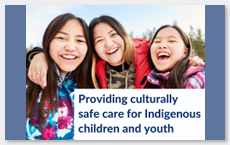
New online learning: Providing culturally safe care for Indigenous children and youth

A new 1.5-hour learning module developed by the NCCIH and the Canadian Paediatric Society examines key aspects of culturally safe care for Indigenous children, youth, and families, and explores how culturally safe care is practiced. It covers historical factors, social determinants of Indigenous health, and power imbalances that affect patient-practitioner interactions, and explores factors, such as racism, that are barriers to accessing health care for Indigenous patients. The module is free for all participants until the end of November. Register at pedagogy.cps.ca.


Invitation to participate – Share your ideas and perspectives!

Core competencies reflect essential knowledge, skills and attitudes necessary for effective public health practice. Have a say in shaping the 2024 Core Competencies for Public Health in Canada. Your ideas and perspectives are critical. To find out more and get involved, visit nccph.ca . If you have any questions, comments, feedback or ideas about this project, you can contact the project team at corecomp@stfx.ca.


Indigenous cultural safety: An environmental scan of cultural safety initiatives in Canada

Funded in part with contributions from Health Canada and Indigenous Services Canada, the National Collaborating Centre for Indigenous Health completed an environmental scan to identify the diverse actions and initiatives implemented across Canada to improve access to culturally safe health services for Indigenous Peoples. Read the NCCIH web story.


Attended events


9th Healing Our Spirit Worldwide, Vancouver, B.C., September 11-15, 2023. fnha.ca/wellness/healing-our-spirit-worldwide


Weaving Wisdom Gathering, Prince George, B.C., October 5, 2023.


5th Northern Perinatal Conference - Championing Change Together; Collaborating for Sustainable Perinatal Care, Prince George, B.C., October 12-14, 2023. physicians.northernhealth.ca/cme/event-calendar/5th-northern-perinatal-conference


Looking to the Future: Health in the North, UNBC Northern HRI Conference, Prince George, B.C., November 7-8, 2023. unbc.ca/health-research-institute/looking-future-health-north


Canadian Association of Schools of Nursing(CASN) Board of Directors Meeting and CASN Council Meeting, Ottawa, Ont., November 13-14, 2023. casn.ca/2023/02/canadian-association-of-schools-of-nursing-casn-2023-council-meeting


Upcoming events


2023 JASP, Québec City, Que., November 27-28, 2023. inspq.qc.ca/jasp/accueil (French)


22nd Hawaii International Conference on Education, Waikoloa, Hawaii, January 3-6, 2024. hiceducation.org/


New NCCIH publications and resources


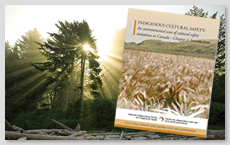
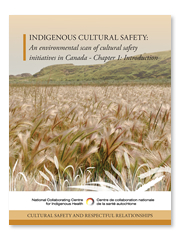
Indigenous cultural safety: An environmental scan of cultural safety initiatives in Canada - Chapter 1: Introduction

This introductory chapter of the NCCIH’s Indigenous cultural safety: An environmental scan of cultural safety initiatives in Canada provides an overview of the concept of cultural safety, the methods used to identify relevant initiatives, and the organization of the environmental scan.


Indigenous cultural safety: An environmental scan of cultural safety initiatives in Canada - Chapter 1: Introduction


Cultural safety and respectful relationships

Cultural safety is a response to systemic and structural barriers and health inequities that have affected access to and quality of health care provided to First Nations, Inuit, and Métis peoples. First introduced into nursing education and practice in New Zealand, cultural safety seeks to address health inequities experienced by Indigenous peoples within all health care interactions and embodies principles of cultural humility, competency, and awareness.


Explore this health topic


Cultural Safety Collection

The Cultural Safety Collection is a selective repository of resources related to addressing barriers in accessing health and social services for First Nations, Inuit and Métis Peoples due to their experiences with racism, discrimination and marginalization.


Browse the NCCIH Cultural Safety Collection


Request NCCIH knowledge resources


Did you know you can request NCCIH publications free of charge? Send your request to us by filling out the “Request this Publication” form found at the bottom of each online publication page, indicate how many copies you’d like, a note about how you will utilize the resource, your name and mailing address. We will do our best to accommodate your request based on our current available printed inventory. If you have multiple publication requests, please use the “Request Publications” text link found in the top right hand corner of the NCCIH web site.


Online resources


In support of creating a health community focused on knowledge synthesis, transfer and exchange we have chosen a sampling of current online resources to share. Please note the links provided in the NCCIH newsletters are for general interest only and do not indicate an endorsement. The views expressed in the linked resources do not necessarily represent the views of the NCCIH or our funder the Public Health Agency of Canada.


Send us an email to nccih@unbc.ca with "Online resource" in the subject line if you have an online resource you would like added to our next newsletter.


AlterNative: An International Journal of Indigenous Peoples, Vol. 19, Issue 3, September, 2023


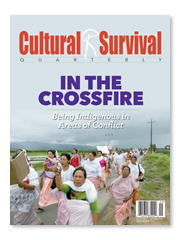
Cultural Survival Quarterly - In the Crossfire: Being Indigenous in Areas of Conflict, Vol. 47, Issue 3, September, 2023


International Journal of Indigenous Health (IJIH), Vol. 18, No. 2, September, 18, 2023


Newsletter of the Métis Nation, October 25, 2023


News and Updates: First Nations Health Authority (FNHA), November 2, 2023


National Indigenous Diabetes Association (NIDA), Fall 2023


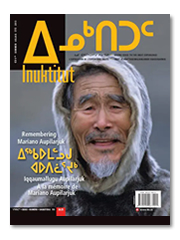
Inuktitut, Issue 113, October 31, 2023


INSPQ - Indigenous Health Research Monitoring, October 2023


CMAJ - Canadian Medical Association Journal, Indigenous Health


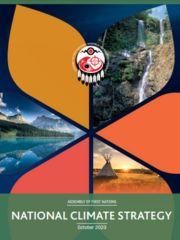
AFN - Assembly of First Nations - National Climate Strategy


NCCMT - Rapid Review: What is the effectiveness of public health interventions on reducing the direct and indirect health impacts of wildfires?


The Lancet Countdown on Health and Climate Change - Policy brief for Canada, 2023


A Dementia Strategy for Canada: Together We Aspire – Public Health Agency of Canada


Indigenous Services Canada - National Summit on Indigenous Mental Wellness highlights report


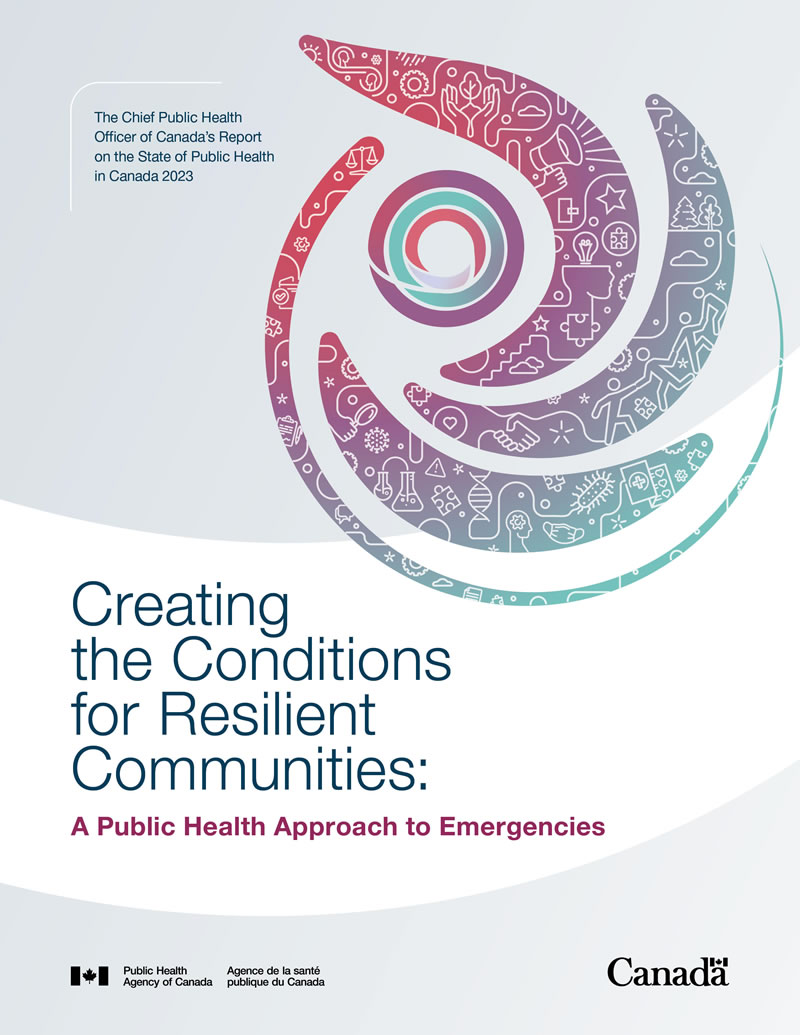
Chief Public Health Officer of Canada's Report on the State of Public Health in Canada 2023: Creating the Conditions for Resilient Communities: A Public Health Approach to Emergencies


Statistics Canada - Status First Nations people in Canada: A snapshot from the 2021 Census


Statistics Canada - Health of Canadians


Statistics Canada – The Daily – Indigenous peoples, 11 publications released in 2023


The RAR Campaign brings to the forefront the issue of anti-Indigenous racism within the Canadian Healthcare system


AFN It’s Our Time Education Toolkit


Securing Indigenous Peoples' Right to Self-Determination: A Guide on Free, Prior and Informed Consent


Online multimedia


This section features infographics, interactives, apps or videos that we found interesting or educational. Please note the links provided in the NCCIH newsletters are for general interest only and do not indicate an endorsement. The views expressed in the linked resources do not necessarily represent the views of the NCCIH or our funder the Public Health Agency of Canada.


Send us an email if you have multimedia resources you would like included in our next newsletter to nccih@unbc.ca with "Multimedia submission" in the subject line.


1) What is Indigenous Research? The purpose of the Indigenous Research Primer is to guide those at McMaster University who are engaging with Indigenous Peoples and communities in their research. The Primer seeks to inform Indigenous and non-Indigenous, early and experienced researchers at any stage of their career and/or education. View the video.


2) NCCID - Learning from Indigenous Leaders: Climate change and public health. This video-infographic series shares Indigenous perspectives on climate change, infectious disease, and public health.


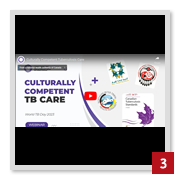
3) NCCID - Culturally Competent Tuberculosis Care. This webinar, for World TB Day 2023, informs health care providers working with Indigenous Peoples on Chapter 12 of the Canadian Tuberculosis Standards 8th Edition: Culturally Competent Tuberculosis Care for Health Care Workers and Public Health Professionals Serving Indigenous Peoples of Canada.


The NCCs of NCCPH

Established in 2005 and funded through the Public Health Agency of Canada (PHAC), the six National Collaborating Centres (NCCs) for Public Health (NCCPH) work together to promote the use of scientific research and other knowledge to strengthen public health practices, programs and policies in Canada.


A unique knowledge hub, the NCCs identify knowledge gaps, foster networks and provide the public health system with an array of evidence-based resources, multi-media products, and knowledge translation services.


NCCPH news

NCCHPP - A call for your stories

Submit your experience of intersectoral partnership for health and equity in the context of budget cuts! Do you have any examples of collaboration between the health and other sectors to improve population health and health equity in the context of budget cuts? Would you like to share your experience? Vist ccnpps-ncchpp.ca to share your story.


NCCDH - Online survey

The NCCDH is calling on the Canadian public health community to share their ideas and perspectives to their national environmental scan through a quick online survey. Your voice matters in informing how the NCCDH organization can shift their work to support public health initiatives across the country. Survey closes on December 1st, 2023. Take the 20-minute survey now.


NCCMT - Repository of Public Health Evidence Syntheses

The NCCMT has launched their Repository of Public Health Evidence Syntheses. Visit the Repository of Public Health Evidence Syntheses to view recently added reviews on a range of public health topics.


NCC for Indigenous Health (NCCIH), University of Northern British Columbia, Prince George, BC


NCC for Determinants of Health (NCCDH), St. Francis Xavier University, Antigonish, Nova Scotia


NCC for Healthy Public Policy (NCCHPP), Institut national de sante publique du Quebec (INSPQ), Montreal, Quebec


NCC for Infectious Diseases (NCCID), University of Manitoba, Winnipeg, Manitoba


NCC for Environmental Health (NCCEH), British Columbia Centre for Disease Control, Vancouver, BC


NCC for Methods and Tools (NCCMT), McMaster University, Hamilton, Ontario