Help Make Our Community a Better Place

Highlights


2021 US Overdose Rates


Youth Mental Health Crisis 


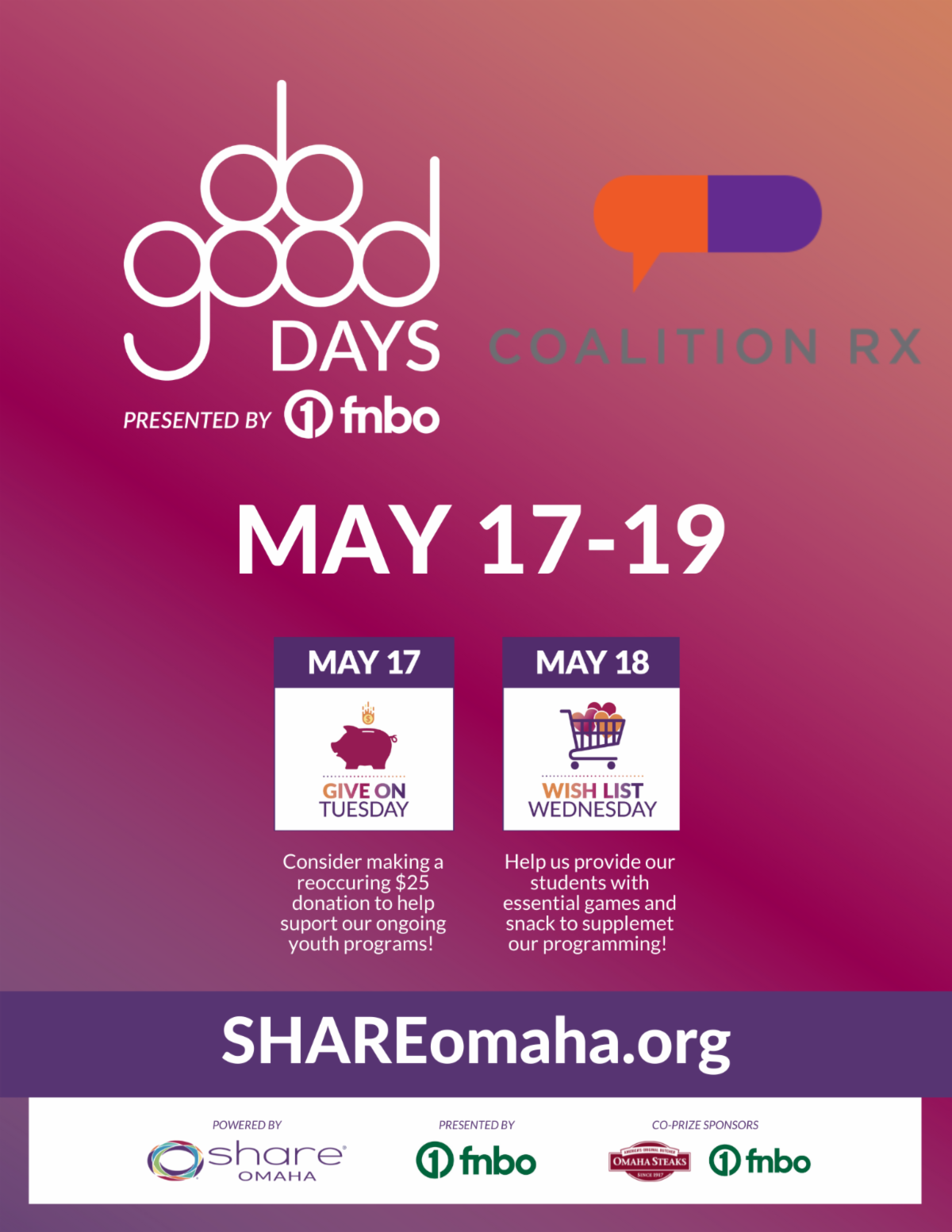
Do Good Days


Pets & Mental Health 

In The News

In 2021, US drug overdose deaths hit highest level on record, CDC data shows

By Deidre McPhillips, CNN

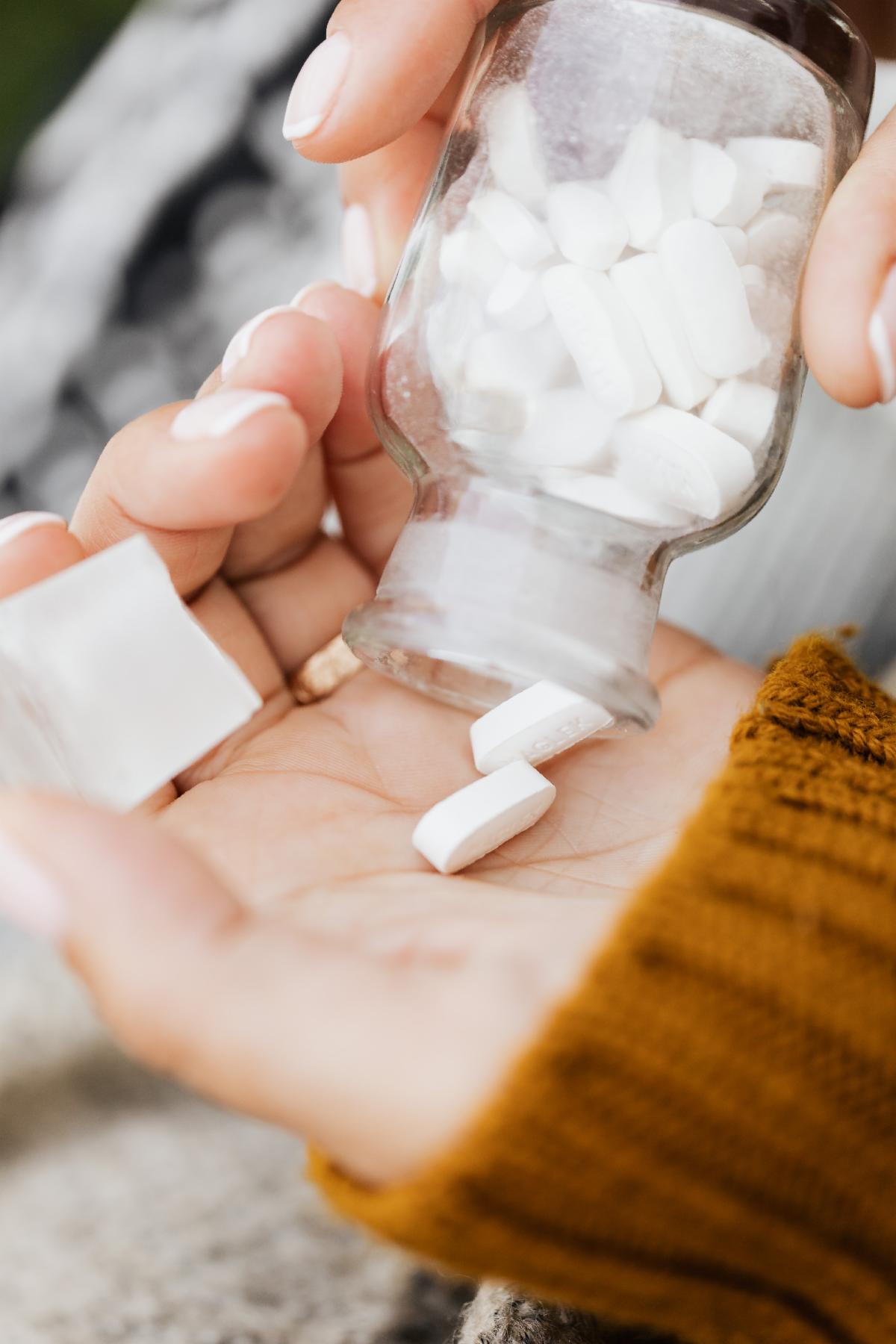
"Drug overdoses in the United States were deadlier than ever in 2021, according to provisional data from the US Centers for Disease Control and Prevention.


Nearly 108,000 people died of drug overdoses in 2021, and about two-thirds of those deaths involved fentanyl or another synthetic opioid.


Overdose deaths have been on the rise for years in the US, but surged amid the Covid-19 pandemic: Annual deaths were nearly 50% higher in 2021 than in 2019, CDC data shows.


The spike in overdose deaths in the second year of the pandemic wasn't quite as dramatic as in the first year: Overdose deaths were up about 15% between 2020 and 2021, compared with a 30% jump between 2019 and 2020.


But the change is still stark. In 2021, about 14,000 more people died of overdose deaths than in 2020, the CDC data shows.


The pandemic accelerated trends that were already heading in the wrong direction, and experts say that reversing course will require concentrated efforts -- and it will take time, both strategically and ideologically.

In February, Katherine Keyes, an associate professor at the Columbia University Mailman School of Public Health whose research focuses on psychiatric and substance use epidemiology, told CNN that easing Covid-19 restrictions wouldn't mean an immediate change. 


"You won't see a reversal in the same way you saw the acceleration because these drug distribution networks and addiction become embedded in the community. And it's not like they turn off overnight," Keyes said.


Early in the pandemic, Keyes was part of a research team that modeled the potential impact of the Covid-19 pandemic on drug overdoses. They found that even if the pandemic did end overnight, the effects of drug overdoses would persist for at least a year."


Continue Reading Here 

On the Phone, Alone

By David Leonhardt, The New York Times 

"The author of this series is Matt Richtel, who has spent more than a year interviewing adolescents, their relatives, and their friends. In my recent conversations with Matt about his reporting, he has gone out of his way to emphasize the uncertainty about the specific causes of the crisis, including how much of a role social media plays.


“When you look at specific research on the role of social media impacting young people, it’s quite conflicted,” he said. Some studies find that adolescents who use social media heavily are more likely to feel sad or depressed, while others find little or no effect. There is no proof that, say, TikTok or social media’s “like” button is causing the mental-health crisis.


It has led adolescents to spend less time on in-person activities, like dating, hanging out with friends, and attending church. Technology use has also contributed to declines in exercise and sleep. The share of high-school students who slept at least eight hours a night fell 30 percent from 2007 to 2019, Derek Thompson of The Atlantic has noted.


Technology use is not the sole cause of these trends. Modern parenting strategies, among other factors, play a role as well. But digital technology — be it social media, video games, text messaging, or other online activity — plays a strong role, many experts say.


“If you’re not getting some outdoor relief time and enough sleep — and you can almost stop at not enough sleep — any human being is challenged,” Matt said. “When you get the pubescent brain involved in that equation, you are talking about somebody being really, really challenged to feel contented and peaceful and happy with the world around them.”

Continue Reading Here

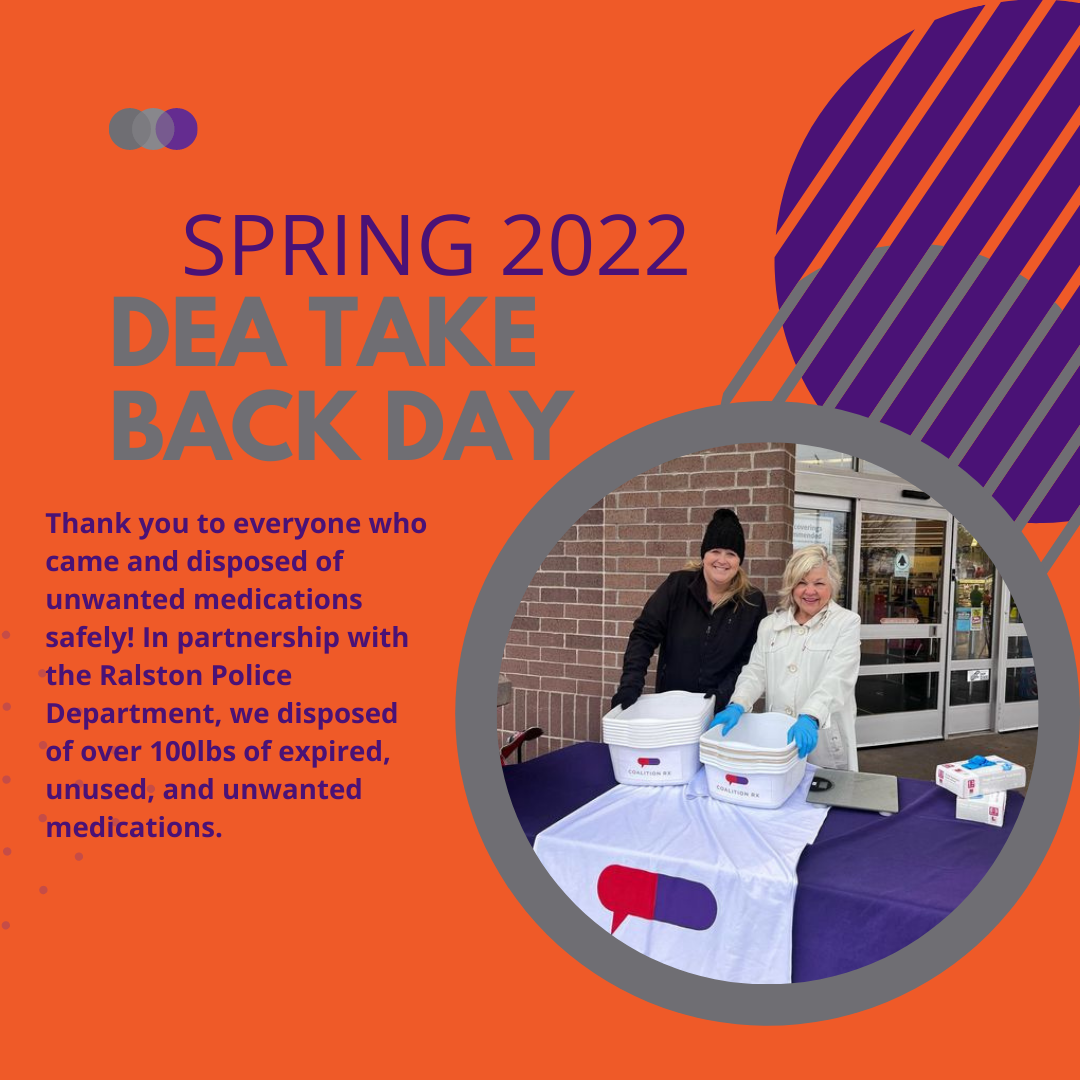
What's Happening at Coalition Rx?
Participate & Donate Here
Looking Forward

5 Ways Pets Help with Stress and Mental Health

American Heart Association 

  1. Pets can reduce work-related stress. Two out of three employees say work stresses them out and 40% say their job gets in the way of their health. Studies show that pets in the workplace help reduce stress and improve employee satisfaction.
  2. Pets can help increase productivity, wherever you work. When a dog joins a virtual meeting, group members rank their teammates higher on trust, team cohesion, and camaraderie.
  3. Pets help manage anxiety. Now more than ever, many people are feeling anxious or struggling with mental health. Pets provide companionship and support.
  4. Pets can help you be more active. They give you a reason to get outside, get some fresh air, and get active, which is proven to improve your mood, sleep, and mental health.
  5. Pets provide a sense of togetherness. The bond with a pet helps you not feel alone. When owners see, touch, hear or talk to their companion animals, it brings a sense of goodwill, joy, nurturing, and happiness.

More Information Here

Looking Forward
Donate Here!
Help Reduce the Misuse of Substances of Abuse
Founded in 2015, our mission is to reduce the misuse of all substances of abuse by raising awareness and partnering with community organizations to provide public and professional education, prevention and treatment resources, and policy advocacy.
Contact Us
Carey Pomykata Executive Director
(402) 871-5622
Facebook  Twitter  Instagram