August 2025

Facebook  Instagram  LinkedIn

Director's Note

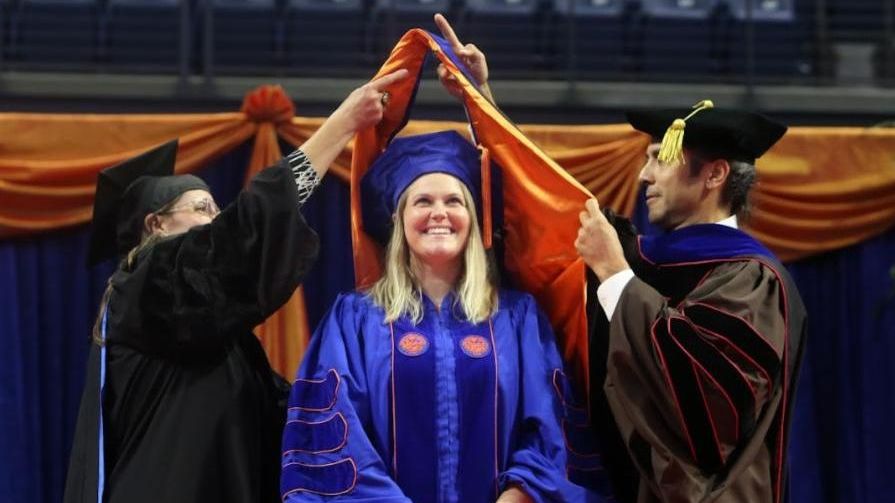
Celebrating our students: Past, present and future

(Photo credit: April Martin)

As we head into the new academic year, I am reflecting on one of the most rewarding parts of working with the Center for Coastal Solutions (CCS): the incredible energy, curiosity and drive that our students bring to our mission of supporting healthy and resilient coasts. This summer, we proudly watched several of our student affiliates move on to the next chapters in their careers, and we couldn’t be happier for them.

Read more

Feature

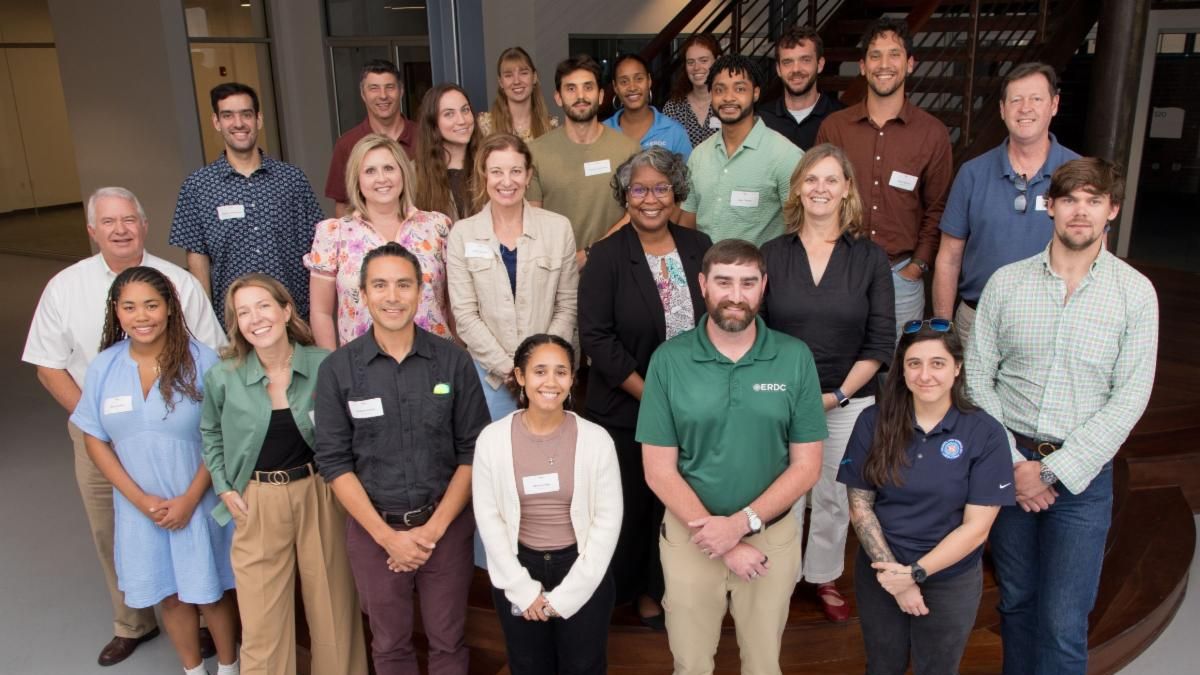
Inside ERDC, where tomorrow's coastal solutions are taking shape today

(Photo credit: Mary Edney)

In a massive wave tank at the U.S. Army Engineer Research and Development Center’s (ERDC) Coastal and Hydraulics Laboratory in Vicksburg, Mississippi, Alberto Canestrelli, Ph.D., observes oyster reef breakwaters as they respond to simulated tides. An associate professor of civil and coastal engineering, Canestrelli is testing how different reef designs perform under a range of wave and tidal conditions. With the help of wave generators, a recirculating beach system and advanced sensors, he can replicate the complex forces that shape real coastlines — revealing which designs are most effective at protecting and restoring shorelines. This hands-on work is just one example of the growing partnership between ERDC and the CCS, a partnership that continued to grow during a productive visit in July. 

Full story

In the Field

Scientists capture complete picture of effects on barrier islands breached by hurricanes

(Photo credit: Alexandra Schueller)

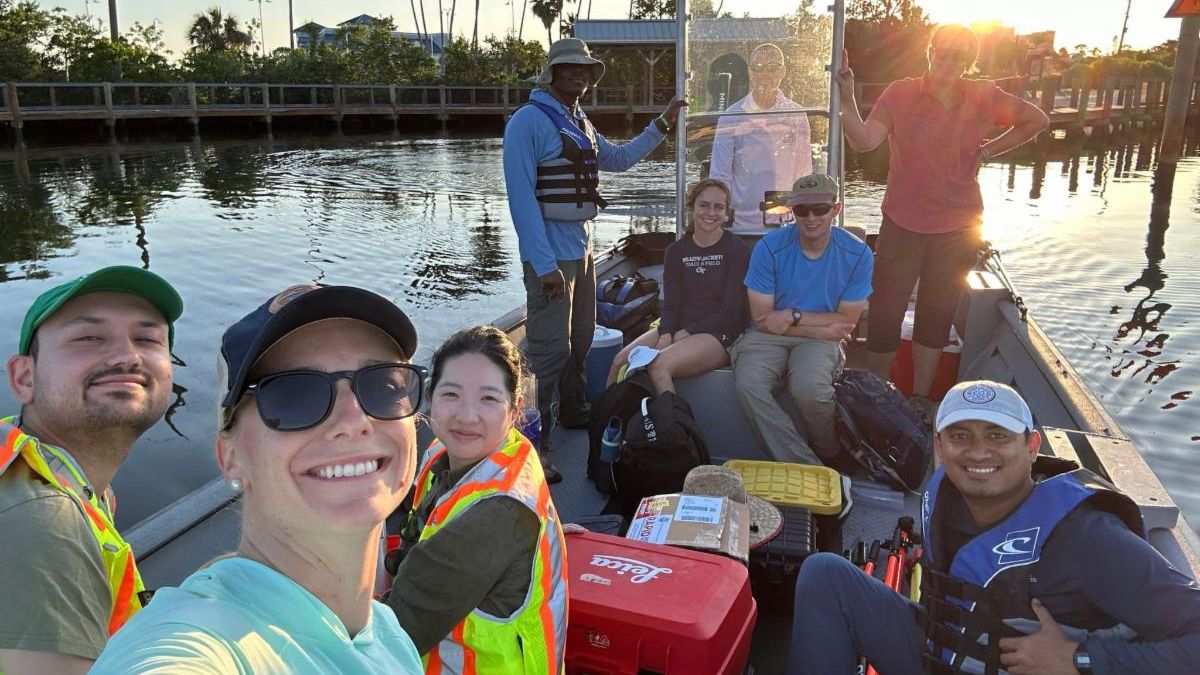
Six months after Hurricanes Helene and Milton reshaped Florida’s coastline, researchers from the University of Florida joined academic, government and industry partners from across the country for an intensive field campaign at Midnight Pass and Milton Pass, two barrier islands opened by the storms. Their goal: to document the long-term impacts of a breach with a level of detail and interdisciplinary coordination not seen in past efforts. 

Full story

Tech Dive

Breaking down to build up: Biodegradable products for a healthier coast

(Photo credit: Andrew Altieri)

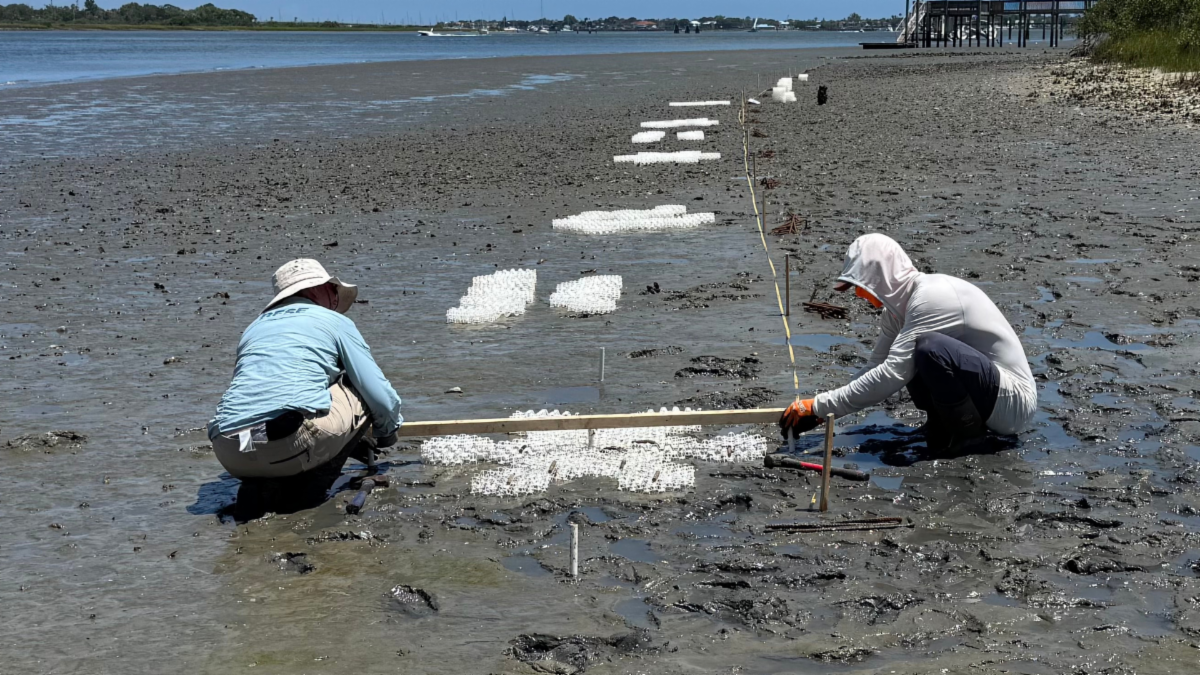
In June, a patch of salt marsh in St. Augustine became the testing ground for novel coastal restoration tools. Experts from CCS and BESE, a Netherlands-based company known for its sustainable restoration products, launched field experiments on a new generation of biodegradable products designed to jumpstart habitat establishment. The team is exploring how quickly prototype structures made from biodegradable plastic materials break down, which designs best support plant growth, and how nature-inspired configurations perform in dynamic coastal conditions.  

Full story

SeaSquad

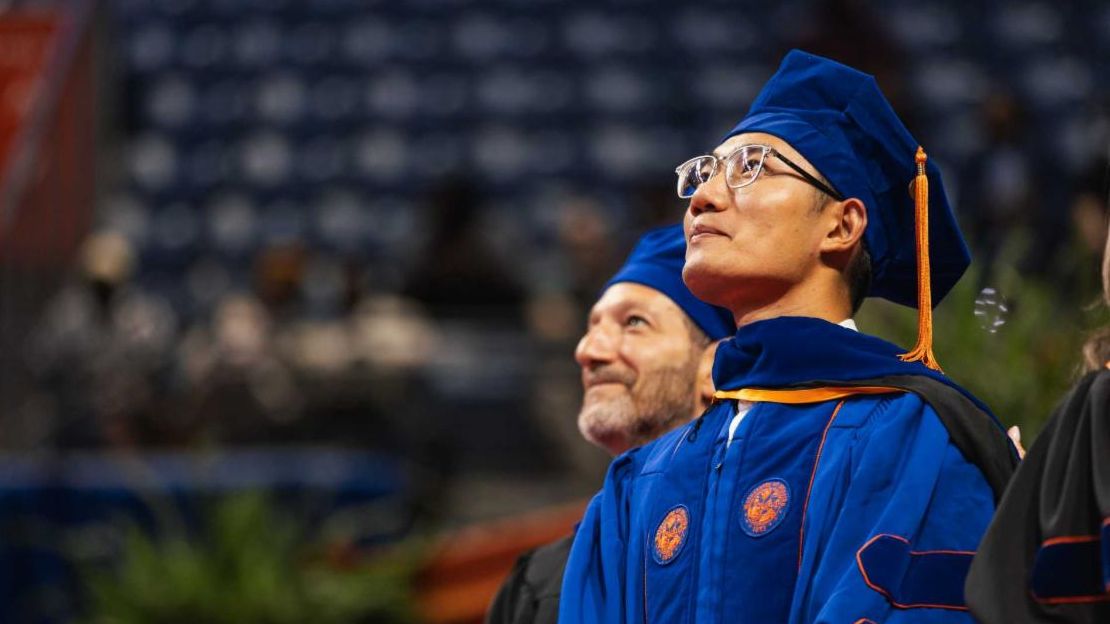
Exciting new horizons for graduates

(Photo credit: Exa Moseley)

In August, we proudly celebrated the graduation of three outstanding students: Yiyang Kang, Nick Chin and Hyun Dong Kim. Each is embarking on exciting new chapters of their careers. Whether pursuing academic careers as professors or stepping into engineering roles, their expertise, passion and dedication to coastal innovation will undoubtedly shape the future of their fields. Congratulations to these inspiring young leaders and we can’t wait to see what you accomplish next! 

Full story

Events

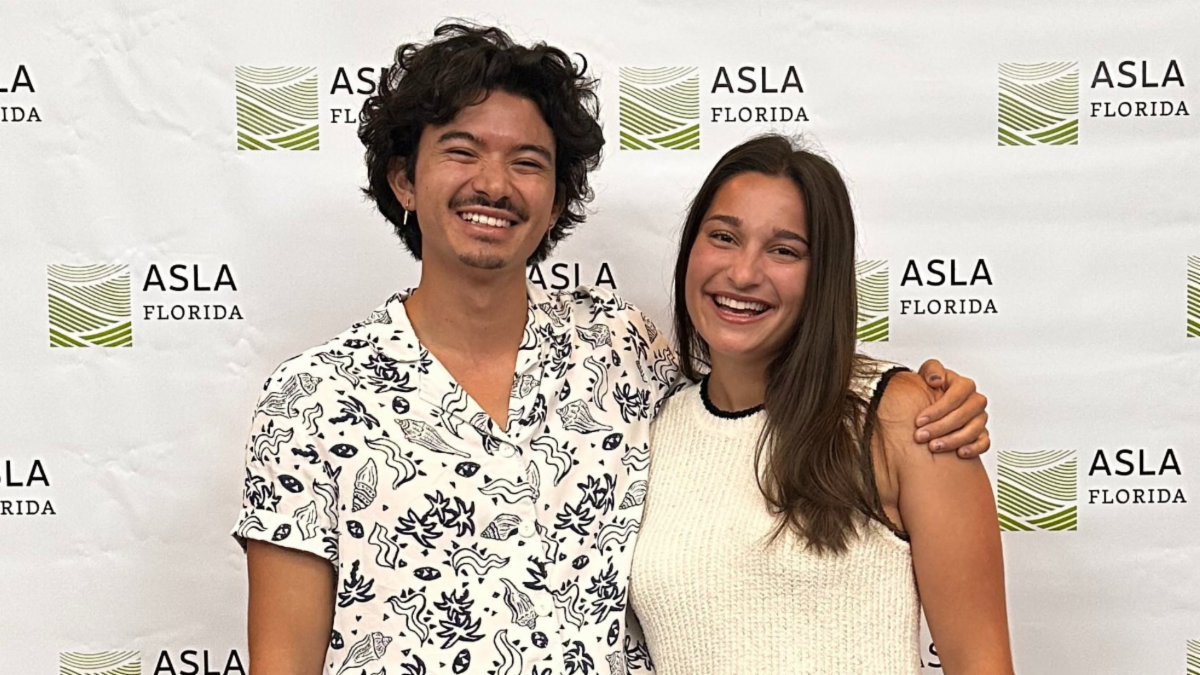
Bridging science and design to break down silos in coastal solutions

Science and design don’t always speak the same language, often working in isolation even on the same projects. Adrian Sakr, an environmental engineering student at the CCS, wants to change that. He believes that building a more resilient future for Florida’s coastlines starts with breaking down these silos to foster more meaningful innovation. At the American Society of Landscape Architects (ASLA) Florida Annual Conference held July 15 to 17 in Ponte Vedra Beach, he took a step in that direction by connecting with designers to explore how coastal engineering and landscape architecture can work together to strengthen the ecological, social and cultural benefits of nature-based solutions. 

Full story

More Research News


Boat wakes enhance oyster reef mortality in short-fetch estuary


Leveraging working wetlands for basin-scale nitrogen removal

Editor: Sharon Ryan

Writer / Designer: Megan Sam