August 2023

Facebook  Instagram  LinkedIn  Twitter

Director's Note

(Photo credit: Brianne Lehan)

Nearly 900 million people live in low-lying coastal zones around the world, in communities that are disproportionately affected by rising sea levels, ocean warming, increasingly extreme weather and other coastal hazards, according to UN secretary-general Antonio Guterres. This global population is a staggering 15-times more likely to die from flooding and storms. As we prepare for Hurricane Idalia to make landfall and impact communities across the region, we are acutely aware of this vulnerability and the need to build resilience and effective emergency response measures.   

Read more

Feature

Scientists Join Forces to Support Coastal Resilience

(Photo credit: Sean Murphy)

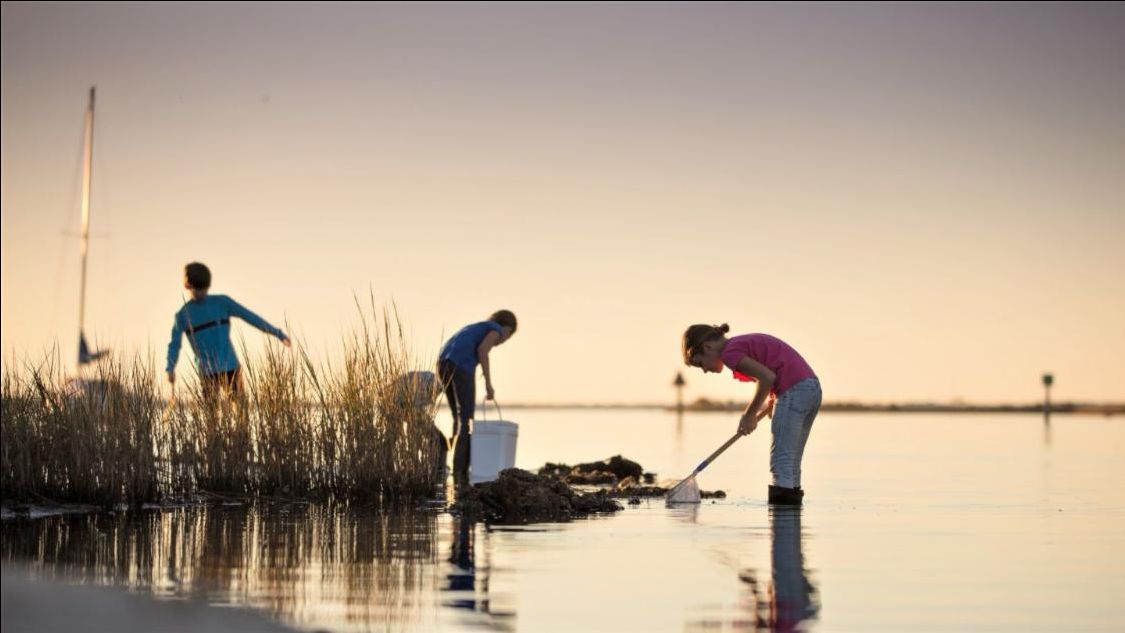
Earlier this summer, researchers from governmental, academic and nonprofit organizations gathered in the Florida Panhandle to compare notes on their latest research findings for the region. Their purpose? Building a collaborative network and identifying priority projects and funding opportunities to rehabilitate the region’s shorelines and reverse water quality declines.  

Full story

In the Field

Nature Helps Defend Military Base From Extreme Weather Events

(Photo credit: Beatriz Marin-Diaz)

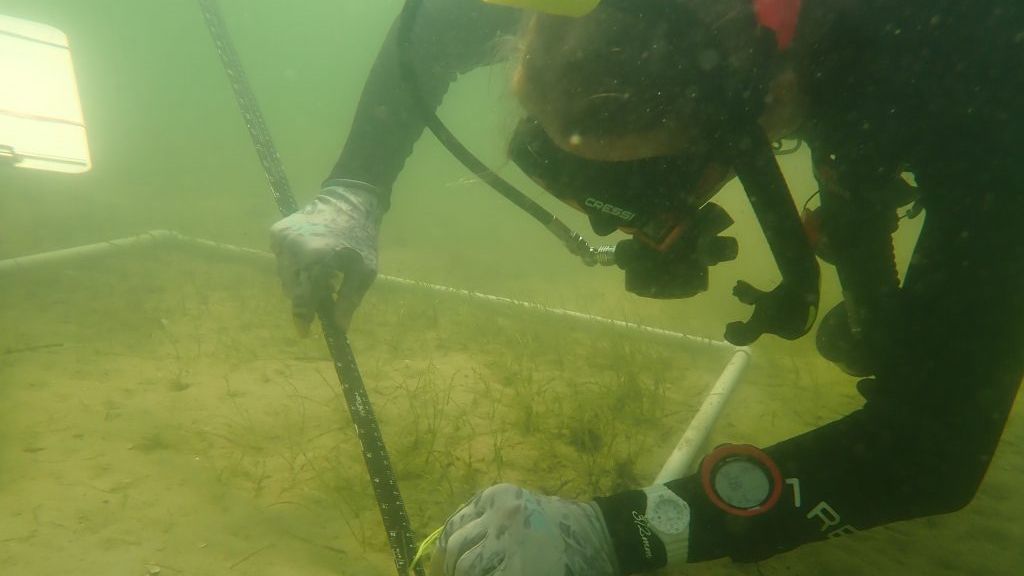
Five years ago, Hurricane Michael caused massive damage to Tyndall Air Force Base when it carved through the Florida Panhandle. Today, the base is wielding nature’s power to increase the military installation’s resilience against future climate and extreme weather events.   

Full story

Tech Dive

Saving Time and Money to Convert From Septic to Sewer Systems

(Photo credit: Ivan Bandura)

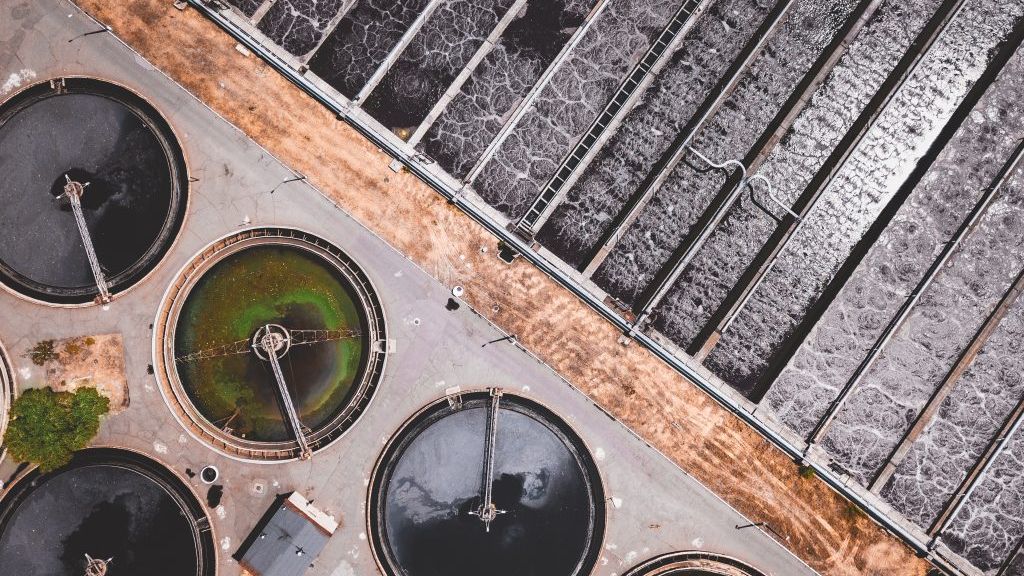
Florida has over 2.7 million septic systems and it’s estimated that cleaning them up will cost billions. A new tool developed by CCS scientists is saving counties in Florida time and money to convert septic systems to sewer networks, while reducing environmental impacts that result when septic systems fail. The Septic to Sewer Optimization Tool uses artificial intelligence to rapidly identify the most cost-efficient projects to connect homes with existing septic systems to sewer networks.  

Full story

SeaSquad

Nina Stark: Digging for Coastal Resilience

(Photo credit: Cagdas Bilici)

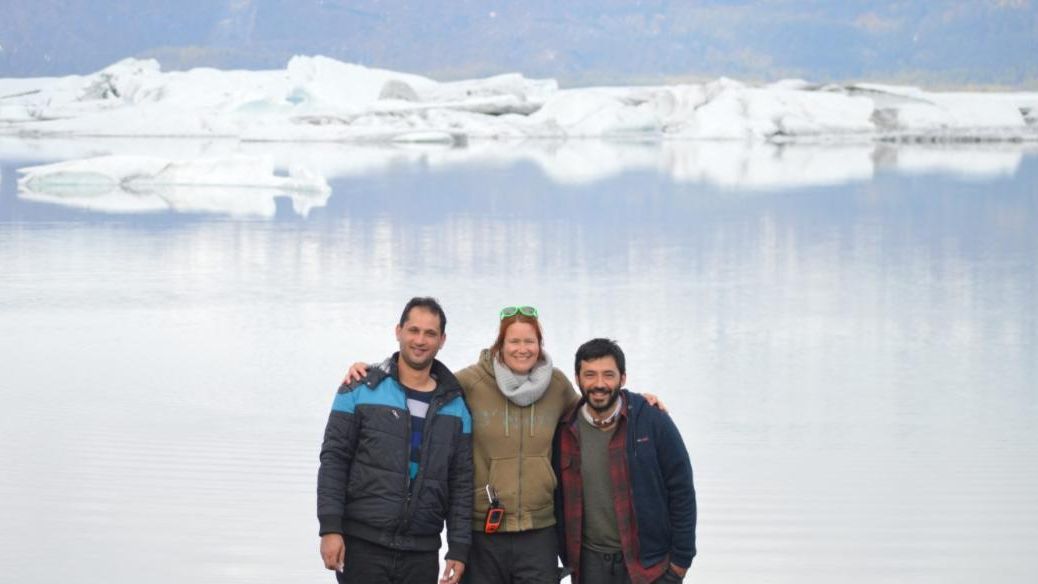
Researcher and educator Nina Stark has crisscrossed the world to help coastal communities build more resilient infrastructure in the face of rising coastal hazards and climate change-related threats. Her expertise in marine geotechnics, the mechanics of seabed sediments, has taken her from the frigid and windy conditions of the Arctic to the sunny Florida coasts.  

Full story

Events

Tool Helps Measure Climate Change's Impact on Septic Systems

(Photo credit: Kristin Wilson)

Failing septic systems are among the key culprits in harming water quality. To help reduce that risk, scientists at the UF Center for Coastal Solutions have developed a tool to identify systems that might release untreated wastewater to the ground and nearby waterways.  

Full story

More Research News

Restoration Ecology Meets Design-Engineering: Mimicking Emergent Traits to Restore Feedback-Driven Ecosystems

Integrating Remote Sensing with Ground-Based Observations to Quantify the Effects of an Extreme Freeze Event on Black Mangroves (Avicennia germinans) at the Landscape Scale

Upcoming

(Photo credit: Kian Lem)

10/10/23 ASBPA National Coastal Conference

(Photo credit: Beatriz Dominicis)

10/13/23 JEPB-UNF Environmental Symposium

Sign up for our newsletter