Wisconsin Coastal Resilience Newsletter | | |
Greetings from the Wisconsin Coastal Resilience Team!
This month's newsletter contains:
Member-to-Member Updates:
- CALM Flooding Lunch & Learn Series
- Survey: Help Shape the Future of Wisconsin Sea Grant
Lake Michigan Water Level Update
Resource Highlights:
- WICCI 2026 Assessment Report
- WI Land+Water Climate Resilience Toolkit
Around the Great Lakes:
- Nature-based Coastal Solutions in the Great Lakes: Video Series
Funding Opportunities:
- National Coastal Resilience Fund 2026 RFP
- Daybreak Fund 2026 RFP
- Fox River/Green Bay NRDAR Spring Project Ideas
- Land and Water Conservation Fund Program
Trainings & Webinars:
- Adaptive Management & RAD Webinar
- Advancing Coastal Resilience through Nature-Based Solutions: Dune Restoration in the Islands
Conferences & Events:
- Wisconsin American Water Resources Association Annual Meeting
- Wisconsin Lakes and Rivers Convention
- Blue Futures: Water@UW-Madison Spring Symposium
- Green Bay Conservation Partners Spring Roundtable
- IAGLR and SCAS Joint Conference
- Association of State Floodplain Managers National Conference
| | |
CALM Flooding Lunch & Learn Series
Thursdays in April, 11:30am-12pm
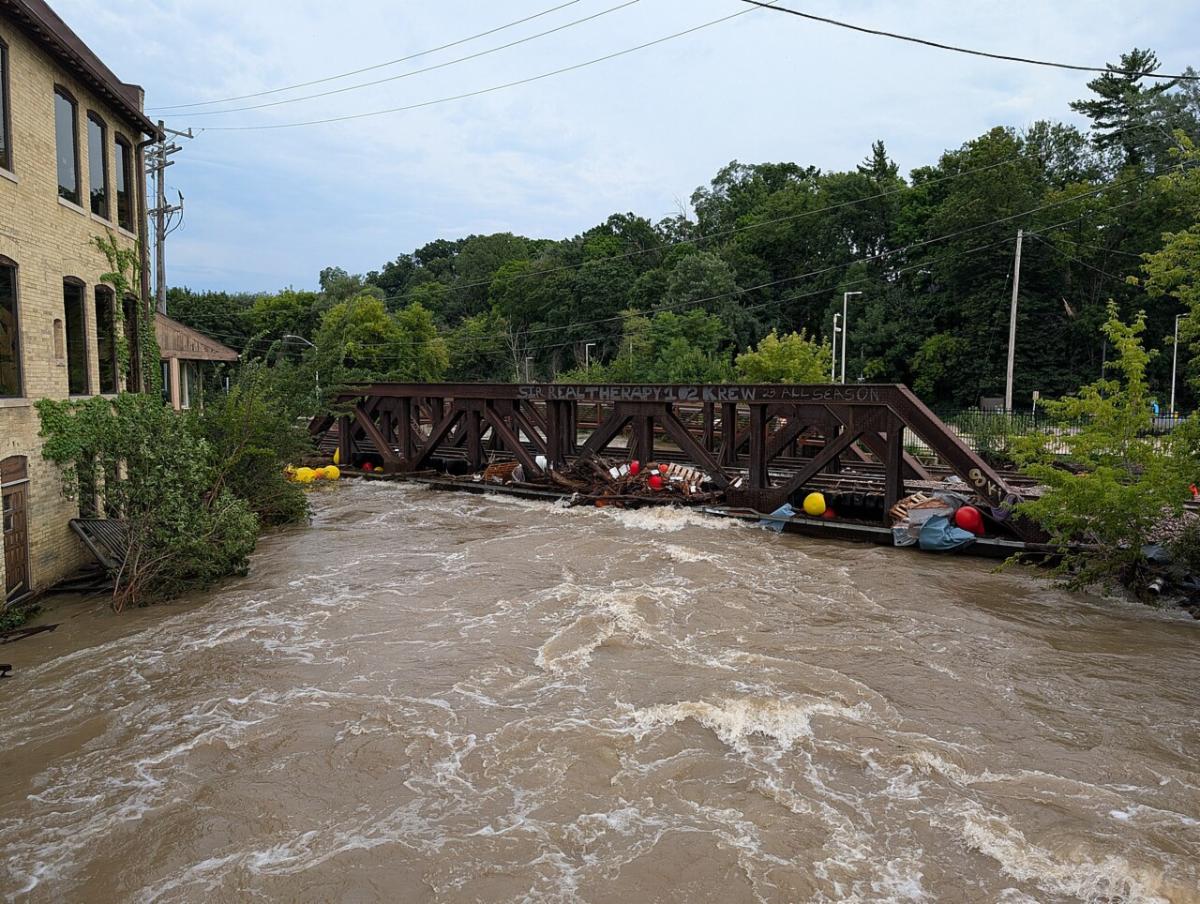
| | Rainfall flooding in Wauwatosa on August 10, 2025. Credit: The ed17. License: CC-BY-SA-4.0 | | In recent memory, the extreme high lake levels of 2020 and the historic rainfall event of August 9-10, 2025 in Southeastern Wisconsin have caused significant flooding in Lake Michigan coastal communities. Following these events, there is an opportunity to reflect on how flood mitigation projects faired and learn how to implement successful flood mitigation projects in our communities. To meet this opportunity, CALM is hosting a four-part webinar series in collaboration with speakers from Milwaukee Metropolitan Sewerage District (MMSD) and the Northwest Side Community Development Corporation (NWSCDC). See additional details and register for each Lunch & Learn below! | | April 2: An Overview of MMSD's Watershed Approach to Flooding w/ Kevin Shafer, MMSD Executive Director | | | |
April 9: Menomonee River Flood Management Projects
w/ Mark Mittag, MMSD Senior Project Manager
| | | |
April 16: GreenSeams: An Innovative Flood Management Program
w/ Kristin Schultheis, MMSD Senior Project Manager
| | | |
April 23: Community Engagement and Flood Management Projects
w/ Kate Morgan, MMSD Senior Public Engagement Specialist
& Willie Smith, NWSCDC Executive Director
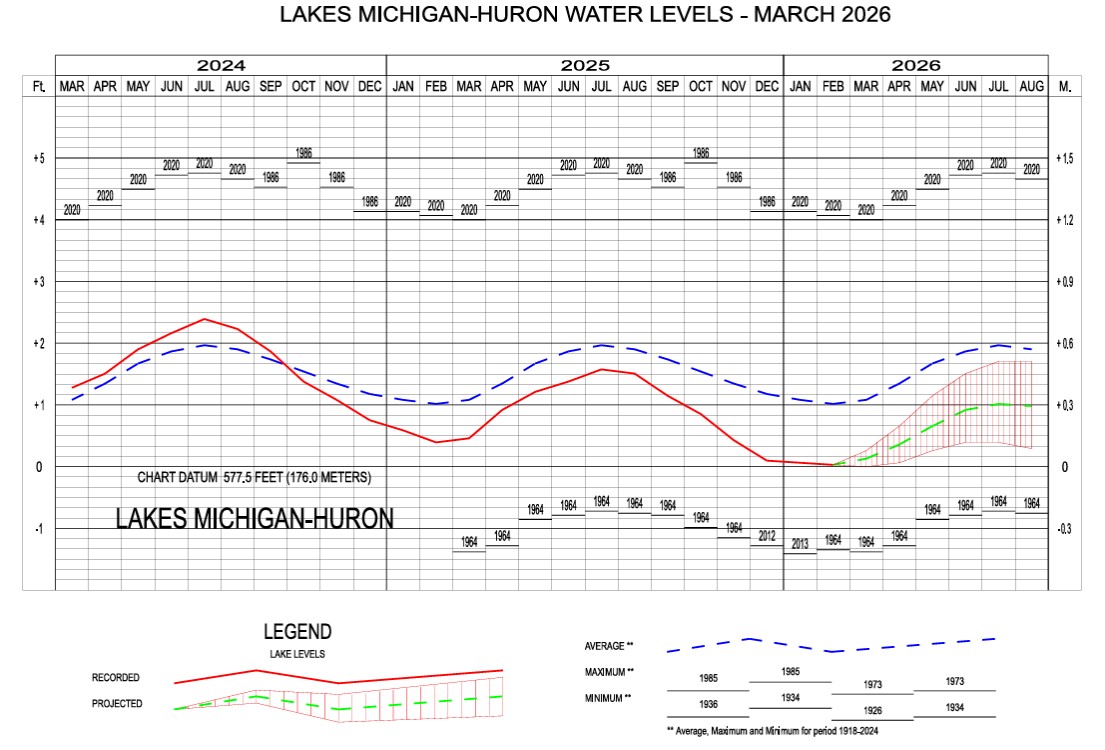
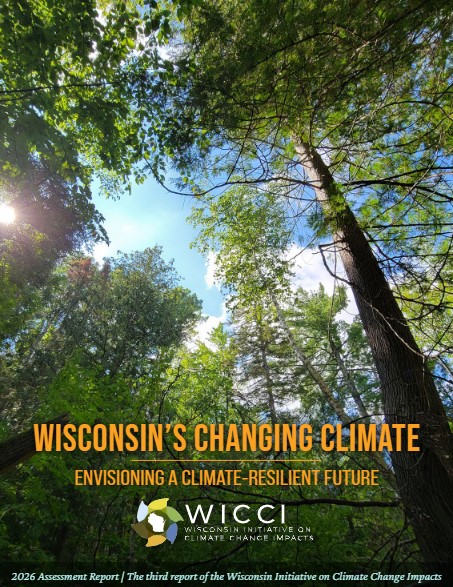
| | | Survey: Help Shape the Future of Wisconsin Sea Grant | Wisconsin Sea Grant is beginning the process of developing its 2028-31 strategic plan. Our mission is to support and enhance the sustainable use, conservation, and health of Great Lakes resources and the well-being of Great Lakes communities through research, education, and outreach. Please answer the survey questions in as much or as little detail as you wish by April 20th. The results will be used by Wisconsin Sea Grant to revise our plan and support our work in the future. | | March 2026 Water Level Update | | Lake Michigan water levels began their seasonal increase, increasing 5 inches from February to March. Lake Michigan is still about 7 inches below the long-term average water level for March. Water levels are forecast to increase another 4 inches in April. | | WICCI 2026 Assessment Report | | WI Land+Water Climate Resilience Toolkit | | Wisconsin continues to experience significant climate change impacts, including rising temperatures, increased precipitation, and more frequent extreme weather events. This summary report serves as the 2026 update to the 2021 Assessment Report: Wisconsin’s Changing Climate. This report explains the issues and impacts of our warming climate on Wisconsin residents and provides practical tools to help communities, businesses, and resource managers build resilience. | | |
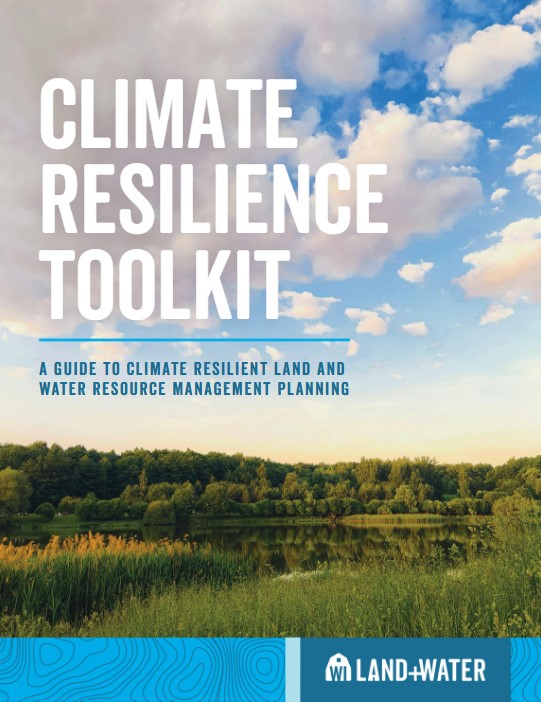
Conservation professionals are on the front lines of responding to the impacts of climate change on our natural resources, yet many existing tools and data sources aren't designed with local planning in mind. The Climate Resilience Toolkit was created to meet that need—translating broad climate information into a usable, Wisconsin-specific resource that supports local decision-making and helps conservation staff connect climate impacts to the landscapes they manage.
| | Nature-based Coastal Solutions in the Great Lakes: Video Series | | Illinois-Indiana Sea Grant has released a new video series on nature-based coastal solutions. Leveraging visualizations and expert guidance, this video series helps communities learn about common types of nature-based coastal solutions in the Great Lakes, including nature-driven and hybrid approaches, knowledge of which is fundamental for informed coastal decision-making and enhanced community resilience. | | National Coastal Resilience Fund 2026 RFP | |
The National Coastal Resilience Fund is seeking proposals for conservation projects that invest in planning, design and implementation of nature-based solutions to enhance protection for coastal communities from the impacts of storms, floods, and other natural hazards while improving habitats for fish and wildlife.
Eligible Applicants: Non-profit 501(c) organizations, state and territorial government agencies, local governments, municipal governments, Tribal governments and organizations, educational institutions, or commercial (for-profit) organizations
Pre-Proposal Deadline: March 31, 2026
| | |
The Daybreak Fund is soliciting proposals for nature-based projects in the Western Lake Michigan Basin at the intersection of climate change and water quality. The Fund will award at least $1.3 million in grants in 2026 to support initiatives with multiple benefits to water quality, carbon storage, biodiversity, and people and communities throughout the basin. The RFP also solicits nature-based solutions that enhance flood and erosion control.
Eligible Applicants: 501(c)3 non-profit organizations, Tribal Nations and Tribal organizations. Governmental entities and educational institutions considered by invitation only.
Pre-Application Deadline: April 10, 2026
| | Fox River/Green Bay NRDAR Spring Project Ideas | | |
The Fox River/Green Bay Natural Resource Damage Assessment and Restoration (NRDAR) Program is looking to fund projects within the Fox River/Green Bay area related to the preservation and/or restoration of aquatic, nearshore, and riparian habitats, enhancements to fishery resources, as well as public use projects that reconnect the people to fishery resources. Applicants must contact Restoration Coordinator Danielle Tesar (danielle_tesar@fws.gov) to confirm project eligibility and to obtain the necessary guidelines and forms to be evaluated for funding.
Application Deadline: April 10, 2026
| | Land and Water Conservation Fund Program | | |
This is a federal program administered in all states that encourages the creation and interpretation of high-quality outdoor recreational opportunities. Funds received by the DNR for this program are split between DNR projects and grants to local governments for outdoor recreation activities. Grants cover up to 50% of eligible project costs. Eligible projects include: land acquisition or development projects that will provide opportunities for public outdoor recreation; property with frontage on rivers, streams, lakes, estuaries and reservoirs that will provide water-based outdoor recreation; property that provides special recreation opportunities, such as floodplains and wetlands; and more.
Eligible Applicants: Towns, villages, cities, counties, tribal governments and school districts
Application Deadline: May 1, 2026
| | Adaptive Management & RAD Webinar | |
April 22
2pm-3pm
Virtual
The USGS National Climate Adaptation Science Centers are hosting a quarterly webinar series on the RAD (Resist-Accept-Direct) framework, a tool that helps resource managers make informed choices for responding to change. This webinar will feature a panel of experts from the U.S. Geological Survey, University of North Dakota, and University of Colorado who will discuss how combining RAD (Resist-Accept-Direct) with Adaptive Management can support conservation and natural resource management.
| Advancing Coastal Resilience through Nature-Based Solutions: Dune Restoration in the Islands | |
April 30
2pm-3:30pm
Virtual
This webinar will showcase dune restoration efforts addressing coastal erosion and increasing resilience to storms. Dr. Robert Mayer, from the University of Puerto Rico, will share biomimicry approaches for dune restoration in Puerto Rico. Wesley Crile, from Hawai'i Sea Grant, will speak about restoration efforts in the Hawaiian Islands and the dune restoration guidance developed by Sea Grant. While this webinar is island focused, it may be of interest to those working on Great Lakes dune ecosystems.
| | Wisconsin American Water Resources Association Annual Meeting | | |
April 9-10
Brookfield, WI
The Wisconsin Chapter of the American Water Resources Association (AWRA) provides an interdisciplinary forum for people involved in all aspects of water resources research and management. The 2026 WI AWRA meeting is a major milestone: the 50th anniversary of our organization! Professionals and students from throughout Wisconsin and beyond will gather to learn from each other and discuss a wide range of water resource-related topics. We are planning plenary, oral, and poster sessions addressing both surface water and groundwater issues in Wisconsin.
| | Wisconsin Lakes and Rivers Convention | |
April 15-17
Stevens Point, WI
When tackling a monumental challenge, it sometimes takes a long time to see results. The 2026 Lakes and Rivers Convention will look back on the long-term programs and the accumulated actions of countless people that have persevered through many decades. Their dedication has ensured that the programs that developed in the 70’s, 80’s and 90’s are still with us in the 2020’s and beyond. We will also celebrate the people who will continue to carry the torch for water protection and restoration into the future.
| | Blue Futures: Water@UW-Madison Spring Symposium | | |
April 22
Madison, WI
“Blue Futures” captures the urgency and opportunity at the heart of water sustainability. As emerging technologies, scientific innovation, and evolving policy landscapes transform the way we live and work, this event explores their influence on water systems. It highlights the innovations, partnerships, and policies redefining how we understand, manage, and protect our most vital water resources.
| | Green Bay Conservation Partners Spring Roundtable | | |
April 29
Green Bay, WI
Please join us for an exciting event to share information and foster collaboration among conservation practitioners, researchers and stakeholders working in the bay of Green Bay, Lower Fox River watershed, Green Bay’s west shore and Door Peninsula. The morning includes an opportunity for networking, regional and legislative updates, lightning talks, and student posters. Don’t miss this great opportunity to hear from partners involved in exciting restoration, monitoring, and other conservation projects around the region.
| IAGLR and SCAS Joint Conference | |
May 25-28
Winnipeg, MB
Virtual
You're invited to the joint conference of the International Association for Great Lakes Research and the Society of Canadian Aquatic Sciences—where global research on the world’s large lakes meets Canada's rich tapestry of aquatic systems, from rivers and lakes to oceans and groundwater. The conference theme—Connected Waters: Bridging Communities & Ideas—reflects our commitment to fostering dialogue across scientific, Indigenous, and local knowledge systems. Hosted by the IISD Experimental Lakes Area, the conference will be hybrid, so if you can't make it to Winnipeg in person, you're welcome to join us online.
| | Association of State Floodplain Managers National Conference | | |
May 31-June 4
Milwaukee, WI
Join us on the shores of Lake Michigan for a landmark event—ASFPM’s 50th Annual National Conference, themed: “The Fresh Coast Legacy: 50 Years of Floodplain Management.” This milestone event celebrates five decades of progress in flood risk reduction and community resilience across the nation. Conference highlights include 200+ concurrent sessions, field tours and hands on workshops, networking opportunities, and inspiring plenary sessions.
| | |
For questions about the CALM Network, or to submit something to the newsletter, contact:
Jake Kolanowski
jacob.kolanowski1@wisconsin.gov
608-261-9197
| | |
For questions about Lake Michigan coastal hazards or how to address them, contact:
Adam Bechle
bechle@aqua.wisc.edu
608-263-5133
| | University of Wisconsin Sea Grant Institute | (608) 262-0905 | 1975 Willow Drive, 2nd Floor, Madison, WI 53706 | | | | |