Coevolution of Plants & Pollinators
Workshop for Horticulture Professionals

Thursday, October 19
9:00 am to 3:30 pm
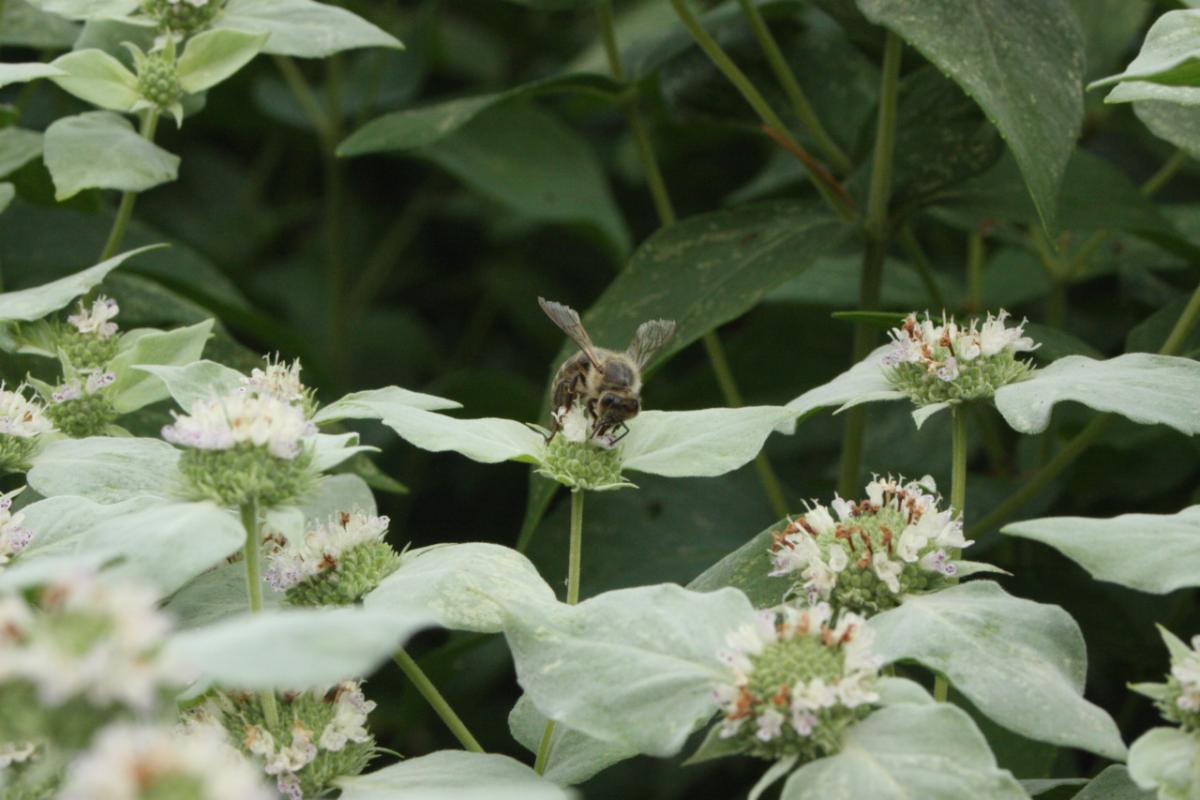
Spend the day as a pollination ecologist to explore the interactions between plants and pollinators in the classroom and the Arboretum’s gardens.

The day will begin with a discussion on plant-pollinator communities and how these mutualisms have driven evolution of complex and diverse floral forms. Participants will then develop hypotheses about real-world, plant-pollinator interactions through guided collection and analysis of floral traits, which will be tested by observing pollinator visitation in the garden. The day will have plenty of time for open discussion and personal reflection.
Registration is $85 per person and includes lunch. 
Space is limited to 40 participants. 
Call 610-328-8024 with questions and accessibility needs. 
About the Presenters
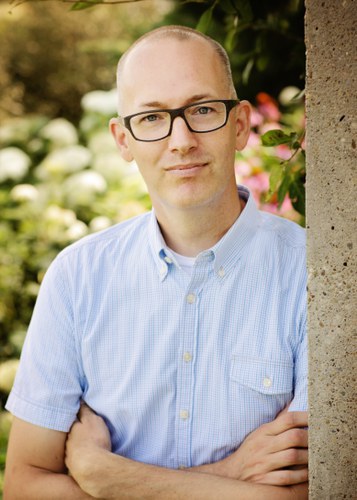
Emily Erickson, Ph.D.
Emily is a postdoctoral researcher at the University of California, Davis in the Department of Evolution and Ecology. Her current research focuses on urban monarch butterfly gardens in Berkeley, CA. For her PhD, which she completed in 2021 at the Pennsylvania State University, she studied the interactions between annual and perennial ornamental plants and pollinators. Throughout her research career, Emily has worked towards incorporating pollinator habitat into home gardens and managed landscapes. She is particularly interested in supporting biodiversity and promoting green space development in urban areas.
Harland Patch, Ph.D.
Dr. Harland Patch focuses his research on many aspects of pollinator biology from genes to landscapes. His current research is on understanding the biological mechanisms associated with bee nutrition and how nutrition, in turn, affects bee health. Dr. Patch is working with collaborators to understand the underlying factors that contribute to pollinator host plant choice, including the role of annual and perennial cultivars to support pollinator populations. This includes developing an easy-to-use digital tool to determine which cultivars support pollinators. He is scientific advisor and Director of Pollinator Programming at Penn State’s Bird and Pollinator Garden, a recently built 4-acre garden based on scientific research. He is also involved in ongoing projects to determine the causes of pollinator declines in the US and in Africa. Dr. Patch has taught Molecular Ecology, Pollination Biology and an undergraduate course on honey bees, among other classes.

Don't forget to register for the Perennial Plant Conference!
October 20, 2023

Early bird discount deadline is September 15, 2023.

Emily will be presenting The Ecology of Perennial Garden Flowers.