|
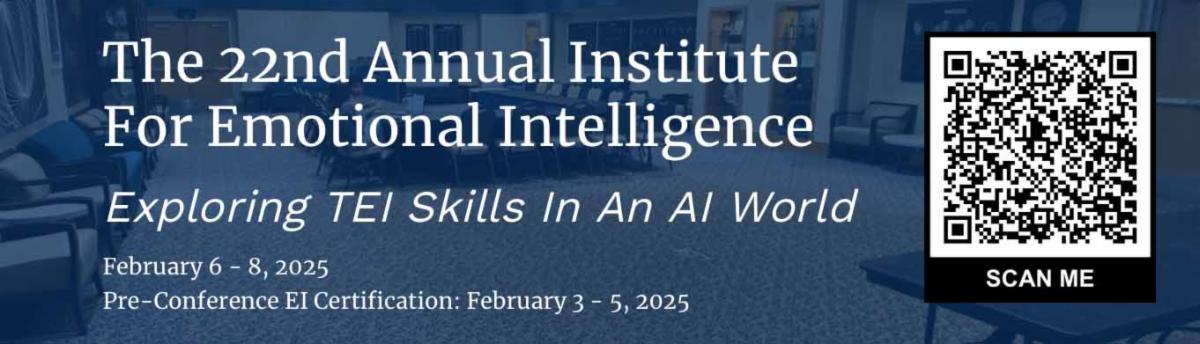
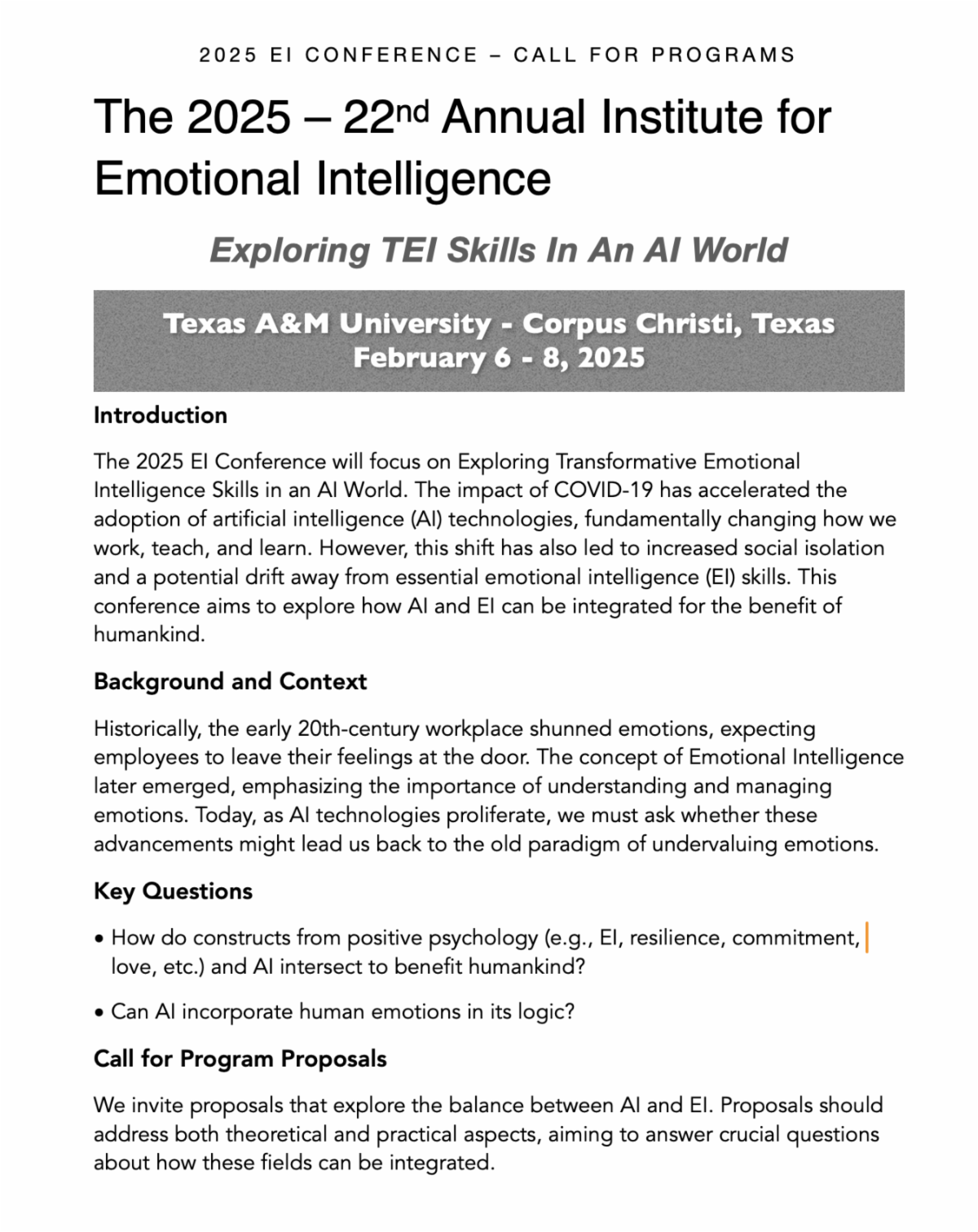
Join us in the beautiful Crystal City By the Sea next month for the 22nd Annual Institute for Emotional Intelligence! The 2025 conference will focus on Exploring Transformative Emotional Intelligence Skills in an Artificial Intelligence (AI) World. The impact of COVID-19 has accelerated the adoption of AI technologies, fundamentally changing how we work, teach, learn, and interact. This shift has also led to increased social isolation and quality of life issues and concerns with a potential drift away from essential EI skills. This conference aims to explore how AI and EI can be integrated for the benefit of humankind.
TEI Conference and Pre-Conference Certification will be provided in-person and virtually!
- Pre-Conference TEI Certification Workshop on February 3-5, 2025 in the meeting room of the Embassy Suites Hotel, 4337 South Padre Island Drive, Corpus Christi, Texas, 78411
- TEI Conference Proper on February 6-8, 2025 in the Student Center on campus at Texas A&M University-Corpus Christi.
EITRI members in good standing: Login into your account on EITRI.org and click on "10% EITRI Member Discount" under the "More" tab to access this year's EITRI coupon.
Time is running out! Register now using this link:
https://eitri.regfox.com/2025-22nd-annual-institute-for-emotional-intelligence
| |
Conference Hotel Room Block Expires in 4 Days!
The conference hotel is the Embassy Suites located 4337 S. Padre Island Drive, Corpus Christi, Texas, 78411. The conference rate is $110/night + applicable taxes. Double queen and king rooms are available.
There is high demand this time of year for hotel rooms in Corpus Christi and our Room Block expires January 12, 2025 at midnight. Make your hotel reservations now using the following link:
https://group.embassysuites.com/n1i5k2
Alternatively, call the hotel at 361-853-7899 and use code 90K to be assigned to the conference block at the conference rate!
| |
Conference Program Highlights | |
|
Exploring Transformative Emotional Intelligence Skills in an AI World: A Learning Framework for a Positive Life and Career
Presenters
Gary R. Low, Ph.D., Professor Emeritus of Education, Texas A&M University-Kingsville & EITRI Founding Faculty Member
Rick Hammett, Ed.D., Contributing Faculty for Walden University & EITRI Founding Faculty Member
Program Description
In the aftermath of COVID, as schools and community centers reopened, a new technology and reliance on it continues to emerge in the form of artificial intelligence (AI). How we learn, communicate, develop healthy relationships, and maintain productive teams are and will be directly impacted. A major question remains — How will we change to meet these new challenges in ways that enhance the human condition and its possibilities . . . now and into the future?
In this interactive program, we share focused research, important findings with the positive, emerging transformative theory of human behavior and development with a learning framework to build self-knowledge and key skills to enhance current strengths and areas to change. Daily pressures and stressors require inner self-knowledge and enhanced self-awareness to explore, understand, develop, and apply essential Personal, Emotional, Relational, and Life (PERL) skills of wisdom to strive for and achieve a positive life/career. TEI skill development uses positive assessment and person/team-centered learning to build PERL skills, constructive thinking, healthy relationships, emotional resiliency, and decision making with a skills-based model of personal excellence. How to use TEI to demystify inter- and intra-personal change will be even more important in the emerging world that will be shaped by ubiquitous AI.
Learning Objectives: Participants will have opportunity to learn the practical life philosophy, research derived theory of human behavior development, and applications of Transformative Emotional Intelligence. As an integrative, practical, skills-based, positive personal change process, TEI learning/development is easily adapted, applied in business and government, school and higher education, counseling and psychology, family and family members, and among the general audience to improve mental health and quality of life. Each participant has opportunity to:
- Trace the origin, early research, and emerging transformative EI theory of human behavior development to gain information, data, unique elements/features, skills-based lessons and best practices that span 45+ years (1977-2025, and continuing).
- Build self-knowledge with TEI research to integrate current knowledge, skills, abilities to enhance personal, professional development over the lifespan.
- Integrate, synthesize benefits of using positive assessment, and PERL skills daily for positive, purposeful (i.e., intentional) change, healthy adjustment, and emotional resilience.
- Activate TEI skills to think constructively, build healthy emotional minds, develop productive relationships, break emotional reactivity, and improve quality of life in a changing world.
- Share ideas to integrate TEI research findings, implications to enhance the human condition and possibilities.
| |
|
Exploring AI Experiences and TEI Skills-Based Perspectives
Presenters
Grace Espindola, MSW, BBA, C-TEI, Espindola Management Group
Fritz Lebowski, Ph.D.
James Polk
Rick Hammett, Ed.D., Walden University
Rose Baker, Ph.D., University of North Texas
Program Description
One assumption about AI may be that this emerging technology is incapable of interacting with humans in ways that reflect appropriate emotion. During the first part of this program, each panelist will present a brief AI interaction from their personal experience and explain how AI demonstrated, or did not demonstrate, what would be interpreted as appropriate emotion. When experienced as appropriate emotion, the panelist will also identify how that emotion was facilitated through the AI’s application of TEI skills. During the second half of the program, participants will work in groups with assigned AI applications to create their own AI experience facilitated by the panelists. After sufficient time to process the experience, a group spokesman will report back to the audience how appropriate emotion was reflected by AI using TEI skills. Conversely, if appropriate emotion was not reflected by the AI, the spokesperson will report how TEI skills could have been used to improve the interaction from an emotional intelligence perspective.
Learning Objectives
- Review and learn the four basic human emotions (anger, fear, sadness, happiness).
- Review and learn how the 13 TEI skills (Assertion, Anxiety Management, Anger Management, Time Management, Drive Strength (I.e., Action Goal Setting), Commitment Ethic, Positive Change Orientation, Comfort (i.e., Social Awareness), Empathy, Decision Making, Positive Influence, Stress Management, and Self-Esteem) can make you, or AI, more effective in your interactions with others.
- In groups, create a facilitated AI experience and report out how AI either did or did not employ TEI skills to reflect appropriate human emotion.
| |
|
Exploring Best Practices in the Use of Artificial Intelligence to Promote Emotional Intelligence and Professional Preparation in Student Populations
Presenter
Kevin Peek, Ph.D., Professor of Economics, South Texas College
Program Description
A general understanding of emotional intelligence, including the five competencies of emotional intelligence and effective soft skills, are increasingly necessary for recent college graduates. Advances in new technology, especially artificial intelligence (AI), offer new and innovative tools to promote the emotional intelligence of student populations and better prepare them for an increasingly competitive job market. This interactive program is divided into three mutually reinforcing parts to review leading approaches applied by colleges and universities in the use of AI to develop the emotional intelligence and overall professional preparation of student populations. The first part will describe the need for an effective and responsible approach for applying Artificial Intelligence (AI) to promote the emotional intelligence of student populations as part of their overall professional preparation. Particular emphasis is placed on deficiencies in the current system and the potential of AI to redress them. The second part reviews leading strategies and best practices employed in colleges and universities in the use of AI to promote the emotional intelligence of students as part of their professional preparation. Here, additional consideration is given to the advantages and disadvantages of different approaches, secondary effects on student populations of the use of AI to promote emotional intelligence, and the importance of ensuring that AI is used in an ethical, responsible, and human-centered manner. The third part consists of an interactive exercise with session attendees, in which they consider the applicability to their respective organizations of the different approaches reviewed in our program. The fourth and final part of the program is reserved for discussion.
Learning Objectives
1. Consider the importance of EI skills for college graduates entering an increasingly competitive job market.
2. Better understanding of leading approaches in the application of AI to support the development of emotional intelligence in student populations.
3. Acquire knowledge and tools to apply AI in the development of EI in their respective organizations.
| |
|
The Online Personal Excellence Map (PEM) TEI Learning Program
Presenters
David Rude, Ed.D.
Rick Hammett, Ed.D., Contributing Faculty, Walden University
Program Description
Join this interactive review of the new online Personal Excellence Map (PEM) Learning Program. A key construct of transformative emotional intelligence (TEI) is that personal excellence can be activated from within to improve intrapersonal (with self) and interpersonal (with others) relationships. The PEM Learning Program is a guided process to explore, identify, and develop essential skills to improve personal effectiveness and overall quality of life. At the heart of leading with emotional intelligence is viewing yourself and your people as adult learners. Regardless of your current position or level of personal development, getting to know yourself optimally through accurate self-assessment and then developing yourself in positive, self-valued ways are always the first two steps to leadership (and follower-ship) excellence. The PEM Learning Program is a personal resource for your use and it is the first step in developing accurate self-awareness. The map is not the territory. A good map simply shows you the best routes to a destination. You can create your own map to get from where you are now to where you want to be in the future. The PEM is a valid and reliable measure of Personal, Emotional, Relationship, and Life (PERL) skills and was created based on best practices that can save you time along your way.
Learning Objectives
- Experience your own online PEM Learning Program before the conference.
- Bring your resulting PEM profile and results to the presentation and allow us to walk you through the results. Share and discuss as you feel comfortable doing.
- Learn about and review the cohort report that is generated for identified groups.
- Journal your own PEM takeaways based on this session.
| |
|
Baby-Boomers Versus Millennials: The Effect of Generation and Education on Emotional Intelligence
Presenters
Lauren Denver-Potter, Ph.D., Associate Professional Professor, Texas A&M University Corpus Christi
Gina A. Hawkins, Ph.D., Associate Professor of Psychology, Texas A&M University-Corpus Christi
Program Description
Emotional intelligence (EI) is a set of skills that is associated with many life successes, including interpersonal relationships and the ability to adapt to change, among others. Through our research, we seek to understand if there are differences between major generations in our society, from Post-War to Gen Z. Additionally, this study also investigated the effect of level of education on scores of emotional intelligence. This research is a pilot study aiming to see if differences exist in generations within our population in efforts of building new theories about age in relation to levels of EI. Participants were given an assessment covering 14 different subskills representing EI. Significant differences were found between the generational groups and between levels of education on subscales of EI, with older generations and more educated individuals scoring higher on overall EI as well as most of the 14 subscales. This research will serve to extend knowledge about the influence of modern society/technology and its possible influence on levels of EI. Additional, because EI consists of a set of skills that can be taught and learned, this pilot study will pave the way for justification of interventions in schools, as well as in the greater community, to increase the skills of EI across the generations.
Learning Objectives
-
Learn and discuss the emerging results of this new generational pilot study.
- Learn and discuss proposed theories behind the effects of generation and education.
- Explore possible AI influences that may contribute to generational differences in EI.
- Explore future directions and implications for the current study.
| |
|
Integrating Transformative Emotional Intelligence (TEI) in Nursing Education: Balancing AI Advancements and Human-Centric Care
Presenter
Tiago Horta Reis da Silva, MSc in Coaching, NLP and Emotional Intelligence, MBA
Kings College London
Program Description
The COVID-19 pandemic catalysed a shift towards remote work, learning, and reliance on technology, including Artificial Intelligence (AI). While AI offers substantial benefits in efficiency and accessibility, its impact on the development and application of Emotional Intelligence (EI) in nursing education is less understood. Historically, organisational cultures undervalued emotions, a trend that may be resurfacing with the increased adoption of AI. This study explores how Transformative Emotional Intelligence (TEI) skills can be integrated into nursing curricula to prepare future nurses who are adept at balancing technological advancements with human-centric care.
This program will examine the intersection of AI and TEI in nursing education, highlighting the importance of developing emotionally intelligent nurses in an increasingly AI-driven world. It seeks to answer how positive psychology and TEI can be leveraged alongside AI to enhance healthcare delivery and nurse-patient relationships.
Learning Objectives
- Discuss results demonstrating that Nursing students can develop a deeper understanding of patient emotions and experiences, enhancing their ability to communicate empathetically and effectively with patients, families, and healthcare teams; Students can learn skills to manage their own stress and emotions effectively, fostering resilience in high-pressure healthcare environments and promoting continuous improvement in clinical practice.
- Linking with AI, how Students learn to integrate AI tools into their practice without compromising the human element of nursing care, ensuring a holistic approach to patient care and adaptability in a technologically advanced environment.
- The TEI training will demonstrate that by fostering emotional intelligence, students improved their teamwork and leadership skills, preparing them for effective advocacy and harmonious collaboration in healthcare settings.
| |
|
Transformative Emotional Intelligence Foundation: Advancing TEI's Enduring Agenda
Presenters
Dave Rude, Ed.D.
Program Description
The Transformative Emotional Intelligence Foundation (TEIF) (https://teifoundation.org/), a 501(c)(3) non-profit organization, provides financial support for social science research using transformative emotional intelligence to solve problems related to individual and organizational success and health. During this session, Dr. Dave Rude, TEIF President, will provide an update on the Foundation's progress and upcoming plans for expanding its resourcing capacity and outreach. He will also solicit your super ideas for positioning the TEIF to optimize its local, national, and global impact on society.
Learning Objectives
- Learn about exciting research grant and scholarship opportunities for extending the TEI model for solving problems related to individual and organizational success and health.
- Learn how the TEI foundation is expanding its focus for longterm sustainability.
- Contribute to TEI Foundation strategic planning by offering your excellent ideas.
| |
|
Combining EI Skills and TEI Principles to Encourage OwlAtttude Throughout The School and Community
Presenters
Ferndando Gutierrez, Principal, Instruction & Guidance Center, McAllen ISD
Ana Laura Ramirez
Karen Teverovsky
Pablo Reyes
Program Description
McAllen School District's Instruction and Guidance (I & G) Center has been taking incremental steps since 2019 to embed Transformative Emotional Intelligence (TEI) principles and emotional intelligence (EI) skills into the curriculum. During their short residency with the I & C Center, students learn to use social skills to work productively with others to complete practical projects. And based on TEI principles, they learn much, much more. Please engage with us during this interactive program as we share what we do to bring TEI to our students and community.
Learning Objectives
- Learn about the TEI competencies measured by EI Learning Systems's newest positive assessment instrument, the Emotional Intelligence Competencies Assessment Process (EICAP).
- Learn how I&G Center faculty are transforming teacher–student relationships with their TEI approach.
- Learn the most effective TEI teaching and learning approaches from the perspectives of the staff, students, and parens.
- Learn the most effective TEI teaching and learning approaches from the perspectives of students.
| |
|
NBCC Clock Hours
Available for Conference!
| |
Conference & Certification Workship Scholarships Available! | |
|
The TEI Foundation provides Darwin B. Nelson grants to support social science research with transformative emotional intelligence to solve problems related to individual and organizational success, health, and quality of life. It's also important that research findings are published and shared in journals, classrooms and national/international conferences. For this reason, the Foundation provides the
Gary R. Low scholarship to support excellence in education, training, and publishing. A new, streamlined scholarship application was developed, especially for students, to receive full tuition to attend the 2025 - 22nd Annual Institute for Emotional Intelligence conference and/or pre-conference certification workshop. Access the new application form at https://forms.gle/FwvmMHNJqSgMw6Jn9
Gary R. Low Scholarship recipients will receive:
1. Paid tuition to attend the Pre-conference Certification Workshop and/or Conference (recipient’s choice based on your availability and interest).
2. One-year paid subscription as a Collegial Member in the Emotional Intelligence Training & Research Institute (EITRI.org).
3. Invitation to participate in the Emotional Intelligence Leadership Advisory Working (EI LAW) Group beginning in 2025 to help plan for the 2026 – 23rd Annual Institute for Emotional Intelligence.
Scholarship recipient responsibilities include:
1. Apply for your scholarship online using https://forms.gle/FwvmMHNJqSgMw6Jn9
2. Attend and actively participate in the event (virtually or in person).
3. Write a 150 word testimonial about your most significant learnings.
4. Help with the conference proceedings in one or more of the following ways:
a. Introduce programs and presenters by reading bios before programs.
b. Provide written program evaluations using designated evaluation sheet.
c. Help with attendee name tags.
5. Enjoy yourself.
Learn more about the 22nd Annual Institute for Emotional Intelligence conference and pre-conference EI certification workshop at
https://eitri.regfox.com/2025-22nd-annual-institute-for-emotional-intelligence
| |
Call For Conference Programs | |
Follow the link below by clicking on the image for instructions on completing your program proposal for the 2025 - 22nd Annual Institute for Emotional Intelligence. | |
|
2025 EI Conference Public Service Announcements & Flyer
Below, please click on the PSA or flyer that you are interest to read, print, download, and share for this year's conference!
| |
|
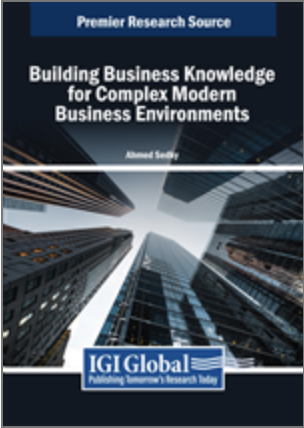
Congratulations to Tiago Manuel Horta Reis da Silva, Rick Hammett, and Gary Low on the publication of their book chapter; Emotional Intelligence in Business: Enhancing Leadership, Collaboration, and Performance; published in IGI Global's Building Business knowledge for Complex Modern Business Environments. The chapter explores the critical role of Emotional Intelligence (EI) in modern business environments, emphasizing its impact on leadership, collaboration, and overall organizational performance. By integrating theoretical frameworks and empirical evidence, the chapter elucidates how EI contributes to effective leadership, fosters team collaboration, and enhances performance metrics. The discussion extends to practical applications, providing strategies for developing EI within corporate settings and its implications for business outcomes. The chapter concludes with insights into future research directions and the evolving significance of EI in increasingly complex business landscapes.
da Silva, T. M. H. R., Hammett, R., & Low, G. (2025). Chapter 6: Emotional intelligence in business: Enhancing leadership, collaboration, and performance. In Building business knowledge for complex modern business environments (p. 30). IGI Global. Https://doi.org/10.4018/979-8-3693-6447-5.ch006
| |
|
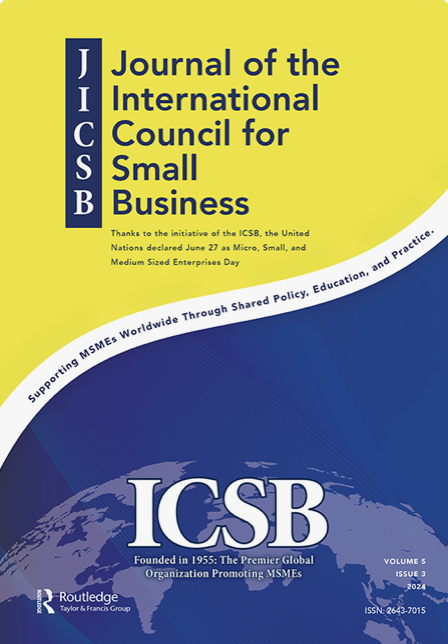
Congratulations to Drs. Delia Mateias, Gary Low, and Rick Hammett on the publication of their article in the October issue of the Journal for the International Council for Small Business. In their article, A Transformative Model for Teaching and Learning Emotional Intelligence for Aspiring Entrepreneurial Leaders, the authors suggest that although several programs integrate key emotional intelligence (EI) concepts, there are few examples of how to develop an integrated learning framework for teaching and learning EI skills for daily use. The authors introduce a practical transformative model of emotional intelligence (TEI) that emphasizes the personally meaningful development of personal, emotional, relationship, and life (PERL) skills that are so important for school, work, and life success. A 1-day seminar experience embedded in a European-based international summer school course in the School of Management, Fribourg, Switzerland, generated new evidence for how a skills-based curriculum in EI can be used to empower future entrepreneurs and leaders. The study reveals new findings for integrating a practical approach for engendering TEI for leaders.
Mateias, D. E., Low, G. R., & Hammett, R. D. (2024). A transformative model for teaching and learning emotional intelligence for aspiring entrepreneurial leaders. Journal of the International Council for Small Business, 1–10. https://doi.org/10.1080/26437015.2024.2404179
| |
Online Skills for Career And Life Effectiveness® (SCALE®) | |
As of August 2024, online SCALE®now allows Project Managers to upload additional .CSV file formats when assigning instruments to individuals within projects. In addition to UTF-7 formatted .CSVs, PMs may now assign SCALE® instruments to end users with .CSV files formatted as Apple Macintosh, MS-DOS, and Unspecified. These new file format types are provided below (screenshots from an Apple MacBook): | |
|
As a reminder, from the previous updates this summer, now PMs will automatically recoup any unused instruments on the day following a project's expiration. Here is what PMs and ABPs need to know about this upgrade.
-
When a project expires, the PM will be notified by email from no_reply@doscale.com concerning any recoupments.
- If the client does not begin their SCALE® by submitting at least one item response, that instrument will be recouped into the PM's bank and will no longer be available in the client's portal.
- If the client submits at least one item response but does not finish their SCALE®, that instrument will remain in the client's portal under UNFINISHED SCALEs.
- If the client has an unfinished SCALE® and a new SCALE® is assigned, when the client logs back in they will see both instruments under UNFINISHED SCALEs. For this reason, a paragraph has been added to the Returning User instructions to contact the PM to determine whether they should complete the unfinished or newly assigned instrument. If you instruct them to complete the unfinished instrument, the new one will be recouped when the project expires.
- Any assessment(s) listed under UNFINISHED SCALEs in the client portal are identified by the date(s) they were assigned.
- Assessments listed under FINISHED SCALEs in the client portal are identified by the date they were completed.
If you have any questions or would like to meet with Rick Hammett to go though the PM portal and functionality, please let us know at Support@EiLearningSys.com.
| |
Online Personal Excellence Map® (PEM®) | |
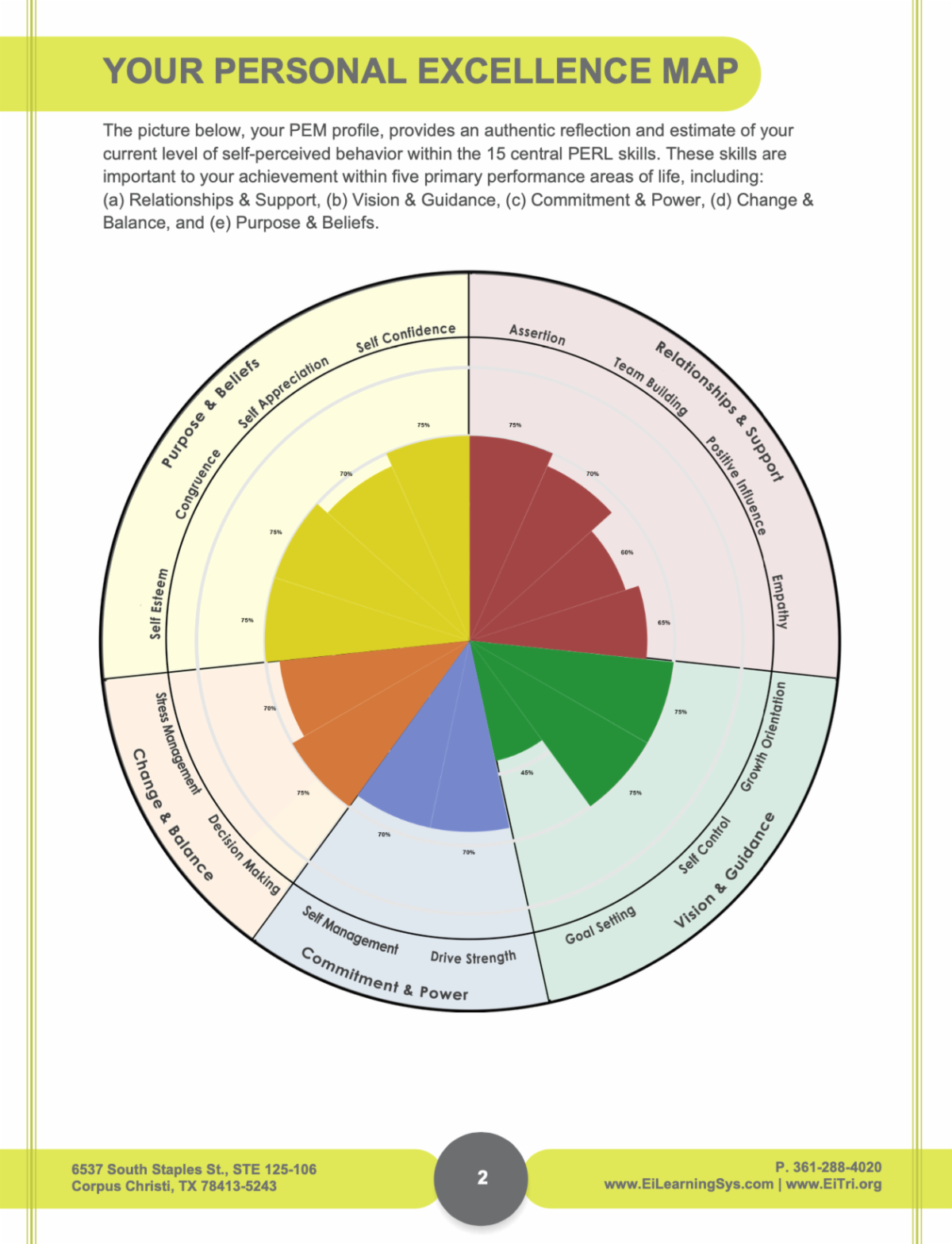
The Personal Excellence Map® is our latest positive assessment of Personal, Emotional, Relationship, and Life (PERL) skills. | |
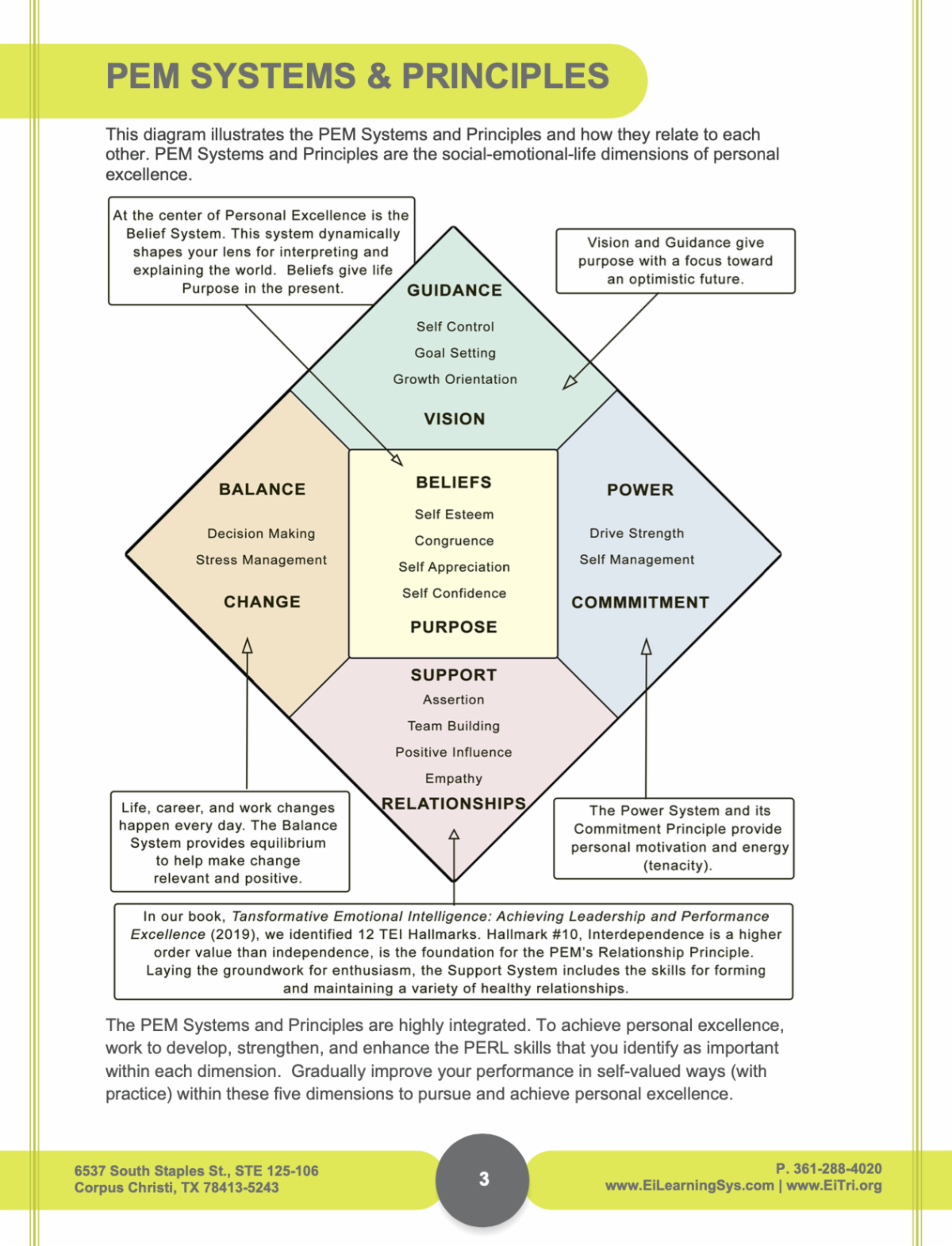
The Personal Excellence Learning System includes 31 pages of guided interpretation of scores on 15 emotional intelligence skills across five PEM dimensions. | |
|
For a demonstration of the
instrument, pricing, or
questions, please email
Support@EiLearningSys.com.
| |
|
Congratulations to Dr. Dorina Sackman-Ebuwa for completing her Ed.D. project study and graduating this summer from Walden University's Riley College of Education and Human Sciences!
The title of Dr. Sackman-Ebuwa's final project study was Exploration of Final-Year Teacher Preparation Through the Lens of Emotional Intelligence. Dorina's multimodal descriptive qualitative research included the online Skills for Career And Life Effectiveness® (SCALE®) to obtain a normed EI profile of final-year teacher candidates in the higher education setting, as well as introduce the potential qualitative participants to transformative emotional intelligence. Following the five-step Emotional Learning System (ELS), four significant findings included that (a) teachers reported anecdotal EI learning unrelated to their teacher preparation program; (b) empathy, open-mindedness, and self-awareness were principal components of EI from the participants' perspectives; (c) assessment results require guided interpretation to increase EI with fidelity; and (d) EI is important for healthy, productive inter- and intra-personal relationships. To promote positive social change, a nine-week TEI curriculum was developed to offer prospective K–12 teachers the opportunity to learn and practice EI in ways that will allow them to model EI skills as they enter the teaching profession.
Sackman-Ebuwa, D. (2024). Exploration of Final-Year Teacher Preparation Through the Lens of Emotional Intelligence [EDD Project Study, Walden University].
Congratulations to Dr. Jerry Reitano for completing his Ed.D. dissertation and graduating last December Oklahoma State University!
Dr. Reitano's research problem sought to clarify how emotional intelligence is related to Army ROTC student success in the leading aviation/aerospace university that is devoted to educating aviation/aerospace professionals. Employing a quantitative approach that included the SCALE® assessment, the goal was to identify EI skills related to cadet success across three key areas including (a) descriptive statistics, (b) the top and bottom 20% based on Order of Merit scores, and (c) cadets opting for active duty versus reserves after graduation. While findings revealed that EI skills were important differentiators in all areas, the skills of Self-Esteem, Drive Strength, and Decision Making were stand-out skills. Recommendations for future research included expanding the sample size, including multiple EI measures at different points during the cadets' academic career, and accounting for the effects of COVID-19.
Reitano III, J. A. (2023). Emotional Intelligence and Army ROTC Cadet Success at a Leading Aviation/Aerospace University [Ed.D. Dissertation, Oklahoma State University].
| |
|
The 2024 Personal Excellence Award Recipient
Beginning with the 4Th Annual EI Conference in 2007, Personal Excellence Award recipients have been selected and announced during each annual conference. The Personal Excellence Award is based on exemplary personal, professional, career, and leadership applications for helping individuals and organization programs making a difference in the quality of life and career performance of others. The first award was presented to Margo Murray, MMHA - The Managers' Mentors, for her seminal work in mentoring and facilitating quality performance with her global alliance partners. Also in 2007, Rick Hammett was awarded the second Personal Excellence Award for his research and work in extending the TEI leadership model of Personal Excellence by creating the Personal Excellence Map® through his doctoral dissertation at Texas A&M University-Kingsville. Personal Excellence Award recipients are included in the International Journal of Transformative Emotional Intelligence published by the Emotional Intelligence Training and Research Institute (EITRI).
| |
Congratulations to Dr. Renée Weiss and Texas A&M
University-Kingsville's Student Health and Wellness Center
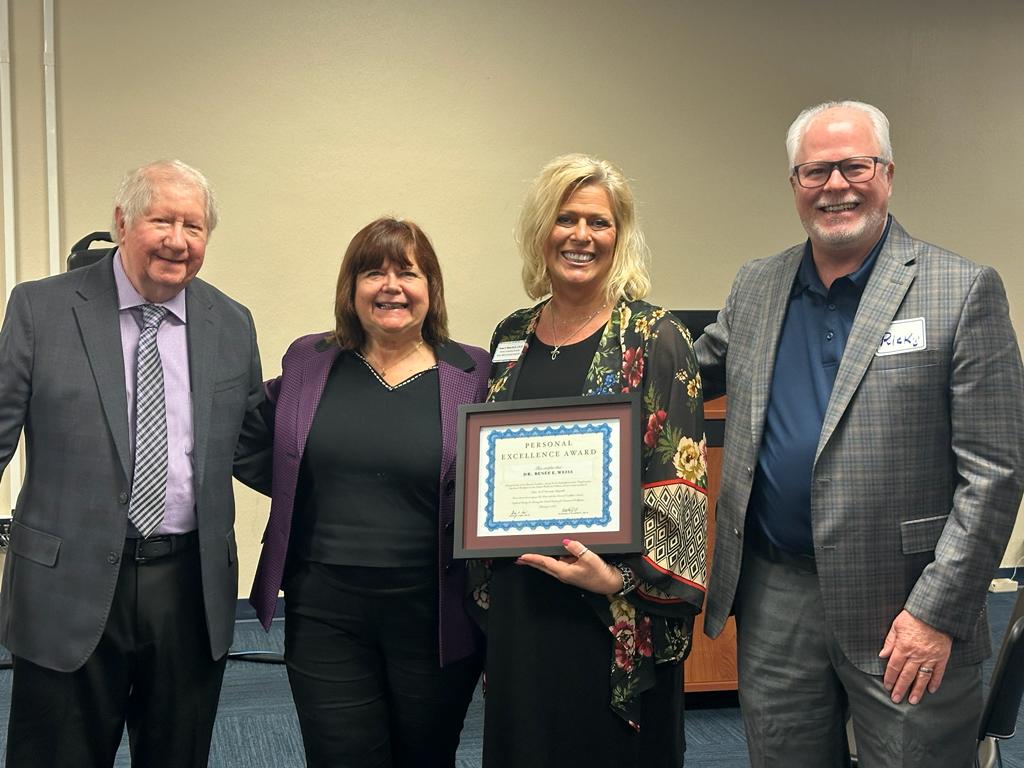
Under the leadership of Dr. Renée Weiss, TAMUK's Student Health and Wellness Center has been using the Skills For Career And Life Effectiveness® (SCALE®) positive assessment instrument to assist college students in transition for the last five years. The Center's POWER (Positive Opportunities for Wellness and Emotional Resiliency) project; the counseling initiative that incorporates the online SCALE®, was a featured program presented by Dr. Weiss and her outstanding team during this year's conference. Stay tuned because the excellent program the team presented during this year's conference will be highlighted in next month's EITRI Newsletter! Pictured above from left are Gary Low, Cristina Pena, Renee Weis, and Rick Hammett.
| |
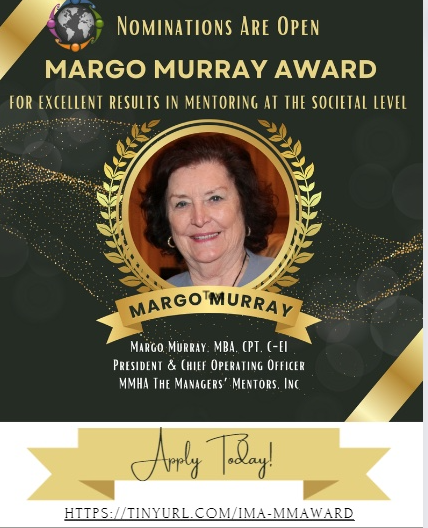
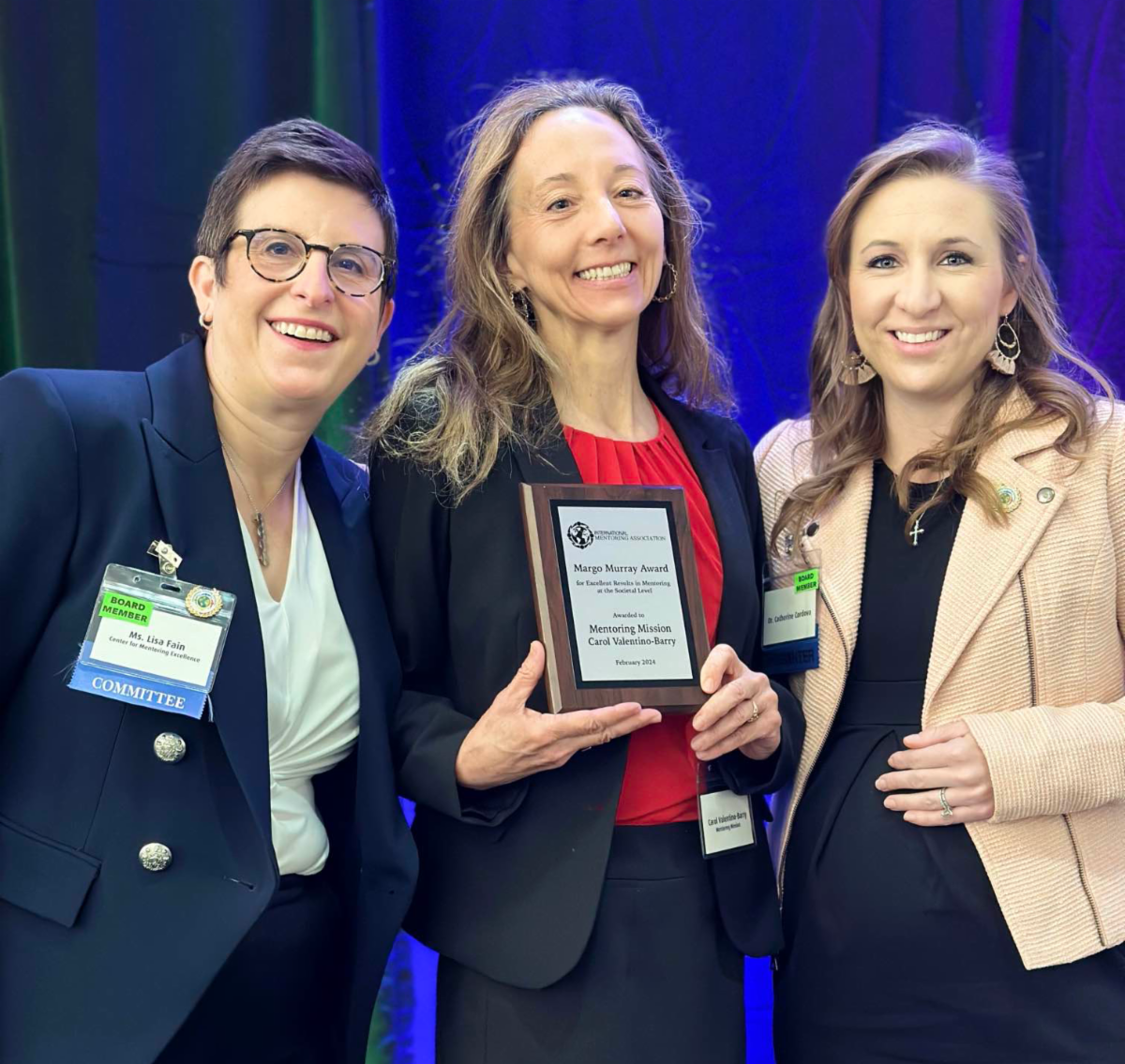
The 2024 Margo Murray Award for Excellent Results in Mentoring at the Societal Level Recipient | | |
|
This award recognizes mentoring programs and processes that have had a positive impact at the societal level. Examples include mentoring programs that reduced recidivism, increased retention, improved youth health practices, increased graduation, etc. Benefits to organizations include increased visibility, increased diversity in membership, increased conference attendance, evidence of financial stability, and more. IMA benefits to organizations that receive the award include international recognition at the IMA conference, featured in the IMA Connect magazine, one-year IMA organizational membership, and a travel stipend for a program director or participant to attend the upcoming IMA conference.
| | |
|
IMA Conference, February 27, 2024
For excellent results with high school students, mentors from Boeing, FedEx, Harvard Business School, and others! Carol Valentino-Barry, Director of Mentoring Mission, accepted the Award.
History
A wonderful collaboration between HBS alumni and high school students happened for six years in a suburb of Chicago – the Mentoring & Leadership Course – the brainchild of high school outreach director/teacher Carol Valentino-Barry and Charles M. Duncan (HBS 2004), with encouragement from HBS and Chair of the school's MBA program, Dr. Jan Rivkin. From 2013-2018, a total of 105 students participated in the program at Ridgewood High School and received dual credit through Triton College.
For the 2018-2019 school year, the program moved to the Chicago Public Schools, where 32 students from Whitney Young Magnet High School participated and received 3 hours of dual credit from Malcolm X College. Students ran independent service projects with the Salvation Army, Sarah's Circle Women's Shelter, and OpenBooks.
2019-2022, Starting with the global pandemic, teachers, students and Business School alums leveraged the virtual learning environment to reach AP Seminar, AP Environmental Science, Biology, Business Ed, AP World History, AP Macro Economics, AP Micro Economics, AP Psychology and Global Citizenship classes.
In 2022, as in-person classes returned, so did Cases in the Classroom, leading cases with excited and engaged students in San Francisco, Chicago, Milwaukee and Jersey City. Our numbers have grown to 270 students in 2020, 340 students in 2021 and just over 400 students in 2022 and 2023. Protagonists, HBS Alums and Case Authors come together to study and discuss the cases in HBS fashion - complete with cold calls!
2020-2023, our work continues and expands. Partnering with Junior Achievement, Mentoring Mission held mock interviews for over 200 CPS students. Thank you to our mentors from Oracle, Choice Hotels, ConAgra Brands, ACH Foods, National Plastic Association and others.
Award Winning
Mentoring Mission's work is award-winning as a Gold Star Recipient from the National Mentoring Partnership for demonstrating fidelity in using best mentoring practices and a Points of Light featured program. Mentoring Mission is also a certified partner with The President's Volunteer Service Award. Now add, the Margo Murray Award for Excellent Results in Mentoring at the Societal Level!
Visit https://www.mentoringmission.org/ to learn more.
| |
|
The authors of transformative emotional intelligence (EI) are Darwin B. Nelson, Ph.D. and Gary R. Low, Ph.D. The purpose of the non-profit corporation is to sustain their lives work to engage individuals in meaningful conversations that facilitate the development of self and others in the best, most healthy ways. Friends since the first grade, their education and work took similar trajectories, including being licensed by the Texas State Board of Examiners as psychologists. Their principal research into personal, emotional, relationship, and life (PERL) skills began in the 1970s and now includes a family of positive assessment instruments and learning models to engage people in meaningful conversations about themselves. TEI Foundation grants and scholarships awarded in 2023 and recognized during this year's EI conference included the following:
McAllen ISD's Instruction and Guidance Center received the Gary R. Low Excellence in Education scholarship for their application of TEI principles to create dual objectives that teach emotional intelligence right along with academic content. Congratulations to Fernando Gutierrez, Ana Laura Ramirez, Karen Teverovsky, and Pablo Reyes.
South Texas College in McAllen, Texas received the Gary R. Low Excellence in Education Scholarship for its continual involvement since 2008 instilling TEI principles and improving PERL skills among the college's leadership, faculty, and staff. Congratulations to STC and Dr. Ali Esmaeili.
Texas A&M University-Kingsville's Student Health and Wellness Center received the Gary R. Low Excellence in Education Scholarship for its five-year history of embedding the SCALE® assessment within its student wellness POWER project. Congratulations to
Dr. Renée Weiss and her wonderful team of counselors.
Emotional Intelligence Learning Systems received the Darwin B. Nelson Research Grant to study the feasibility of using AI-enabled platforms to put positive assessment instruments online. Congratulations to Drs. Gary Low and Rick Hammett who will soon have a new digital version of the Personal Excellence Map® online thanks to this grant.
To learn more about the TEI Foundation, please visit:
https://teifoundation.org/about/
| |
|
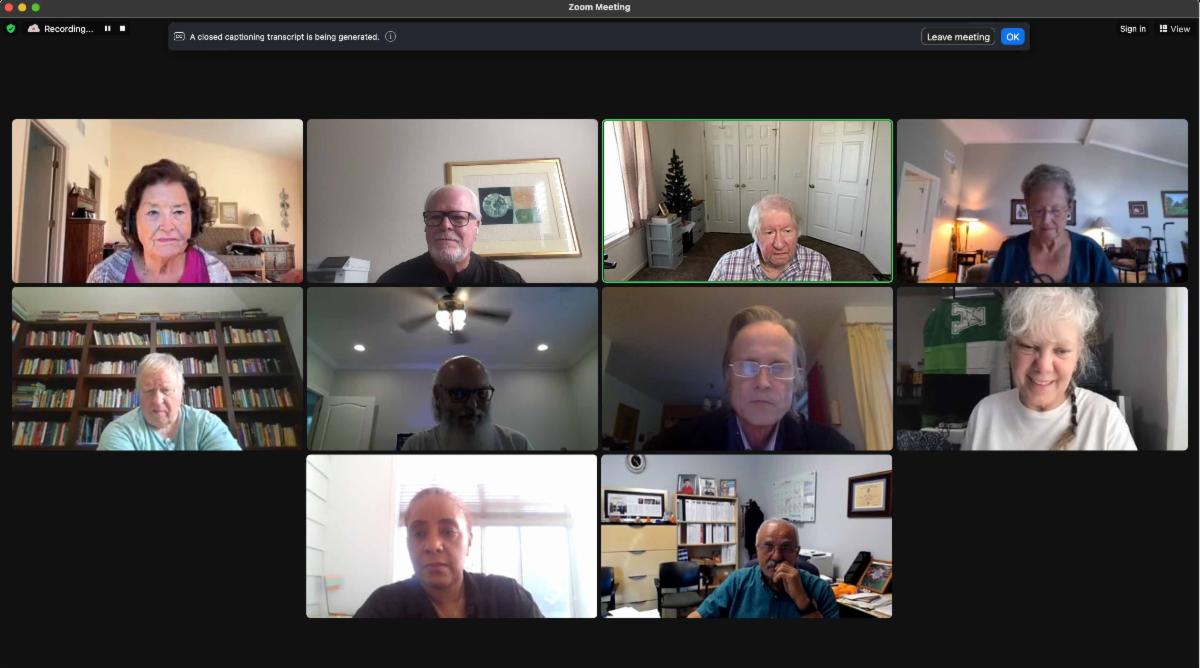
In appreciation of the Emotional Intelligence Leadership Advisory Working (EI LAW) Group members who were able to attend the last meeting (26 Oct 2024)! From upper left: Margo Murray, Rick Hammett, Gary Low, Kaye Nelson, James Polk, Vincent Amatuzzi, Fritz Lebowsky, Rose Baker, Tanya Seagraves-Robinson, and Ali Esmaeili.
Upcoming EI LAW Meetings
Saturday, January 11, 2025 @ 9:00 AM (U.S. Central)
Saturday, February 1, 2025 @ 9:00 AM (U.S. Central)
Please email Support@EiLearningSys.com to join this group!
| | | | |