|
|
THE UNIVERSE
Coming Soon: Roman’s First Views
| | |
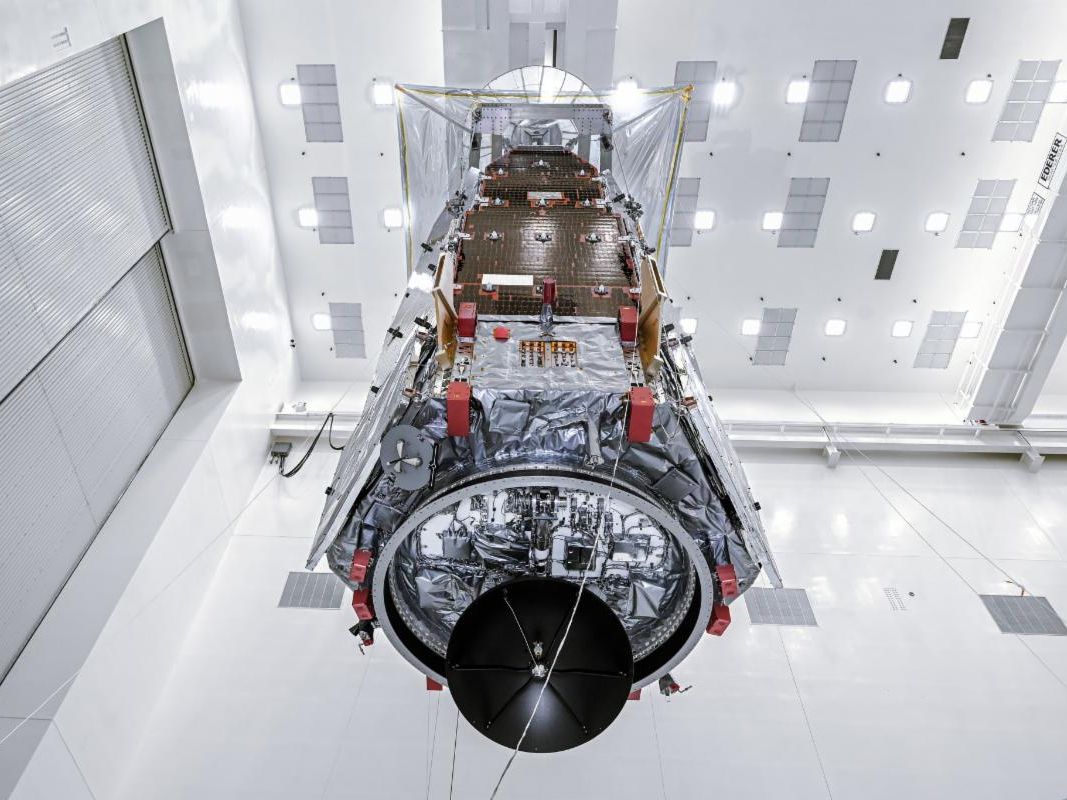
NASA will release the first images from the Nancy Grace Roman Space Telescope during a live broadcast featuring agency leadership at 3:30 p.m. EST on Monday, Dec. 7.
The images will showcase Roman’s groundbreaking scientific capabilities as the observatory prepares to deliver deep, panoramic views of the universe unlike any seen before. These observations will help scientists investigate some of the biggest mysteries in astrophysics, including dark energy, dark matter, and worlds beyond our solar system.
NASA’s Nancy Grace Roman Space Telescope launched Aug. 30 aboard a SpaceX Falcon Heavy rocket from the agency’s Kennedy Space Center in Florida. The telescope then began a three-month, one-million-mile journey to its final orbit at the Sun-Earth Lagrange Point 2.
With its wide field of view and powerful infrared vision, Roman will survey vast regions of the sky while probing deep into cosmic history. In addition to advancing research on dark matter, dark energy, and exoplanets, the mission’s large-scale surveys will support a wide range of astronomical investigations beyond its primary science objectives.
WAYS TO WATCH
| | | |
THE UNIVERSE
Claim a Corner of the Universe
Be part of NASA history by claiming a pixel from one of the first images captured by NASA’s Nancy Grace Roman Space Telescope. A pixel is the smallest unit of a digital image, and when Roman releases its first observations, each one will represent a tiny piece of the universe revealed in unprecedented detail. After the image is released, participants can enter their pixel number to see exactly where it appears.
ADOPT A PIXEL
| | |
THE UNIVERSE
Baby Star Sounds
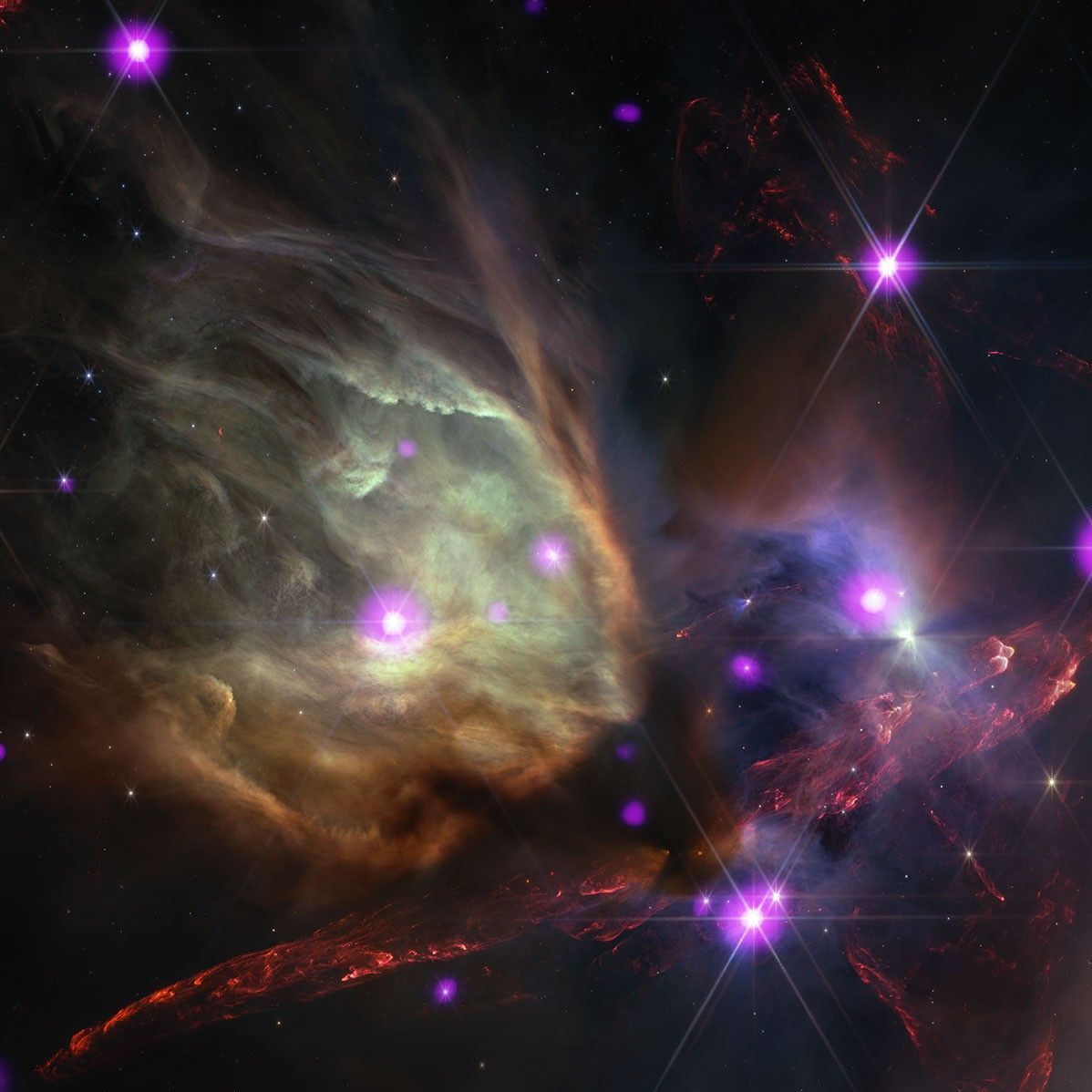
NASA is famous for capturing breathtaking images of the cosmos, but did you know you can listen to the universe, too? Four new sonifications, which transform astronomical data into sound, are now available using observations from NASA’s Chandra X-ray Observatory and other telescopes.
LISTEN
| | | |
THE UNIVERSE
A “Rejuvenated” Star
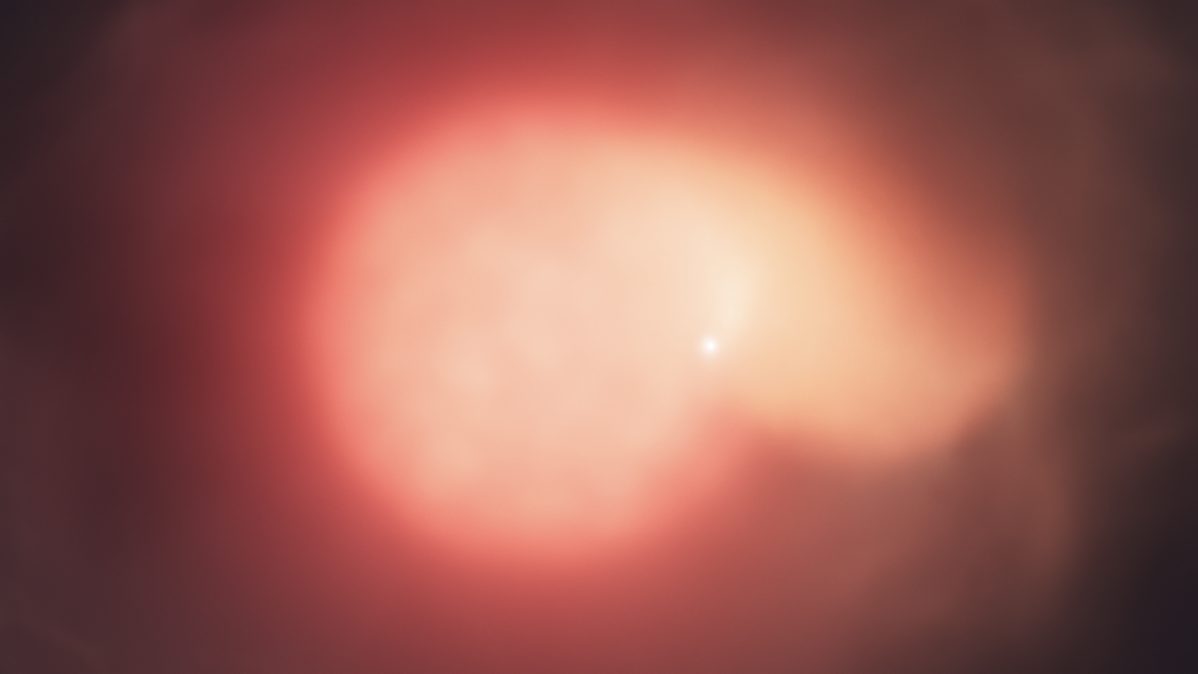
Researchers have identified a first-of-its-kind stellar merger in a NASA-funded study supported by quick-turn observations from the agency’s James Webb Space Telescope. The event occurred near the outer edge of the neighboring Andromeda galaxy, where a star slightly less massive than the Sun spiraled into and merged with a puffy supergiant star. Before the merger, the two stars spent thousands of years orbiting each other as a binary pair. But once the smaller star began to interact with the giant star’s surface, the process accelerated dramatically. The stars merged after just seven orbits, making the event unlike previously observed binary star mergers, which typically take thousands of orbits to complete.
LEARN MORE
| | |
THE SOLAR SYSTEM
Beyond Neptune
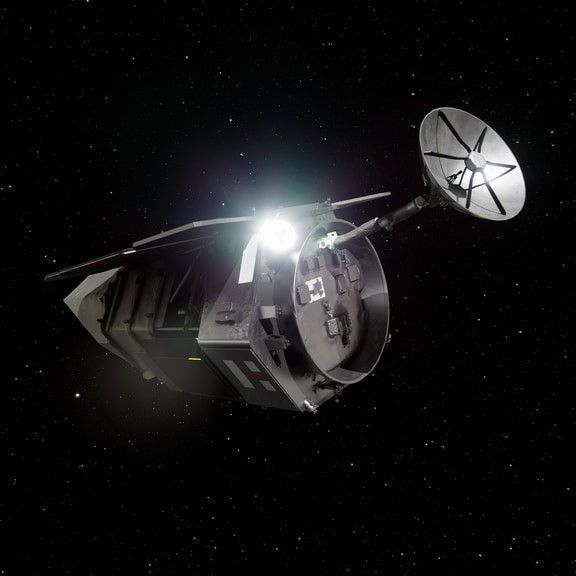
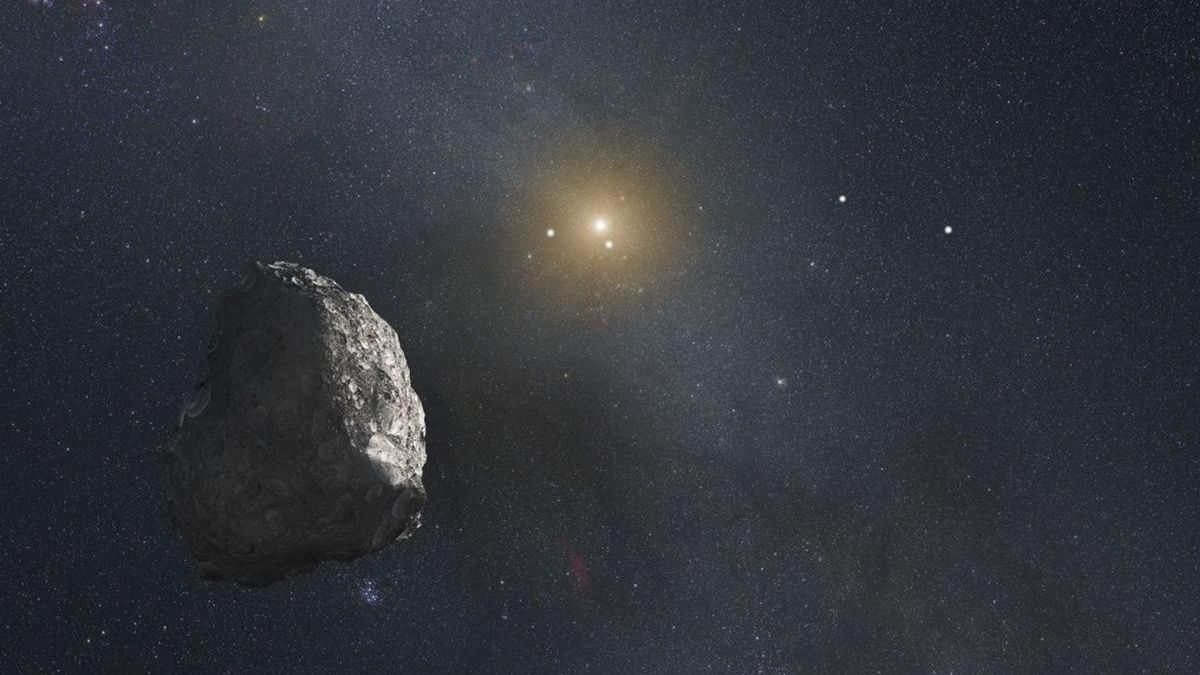
NASA scientists studying tiny grains of space dust collected high in Earth’s atmosphere have found compelling evidence of a previously unknown reservoir of ancient ice in the Kuiper Belt, a vast region beyond Neptune that contains remnants from the solar system’s formation. The discovery sheds new light on how material from different regions of the solar system contributed to planet formation.
LEARN MORE
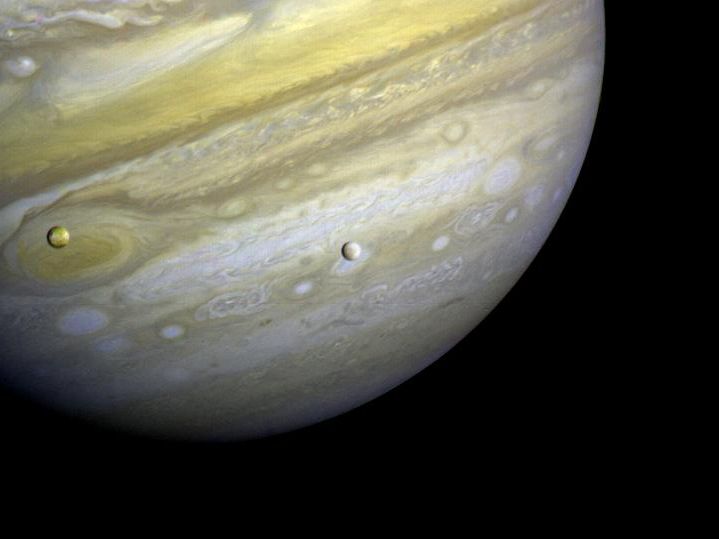
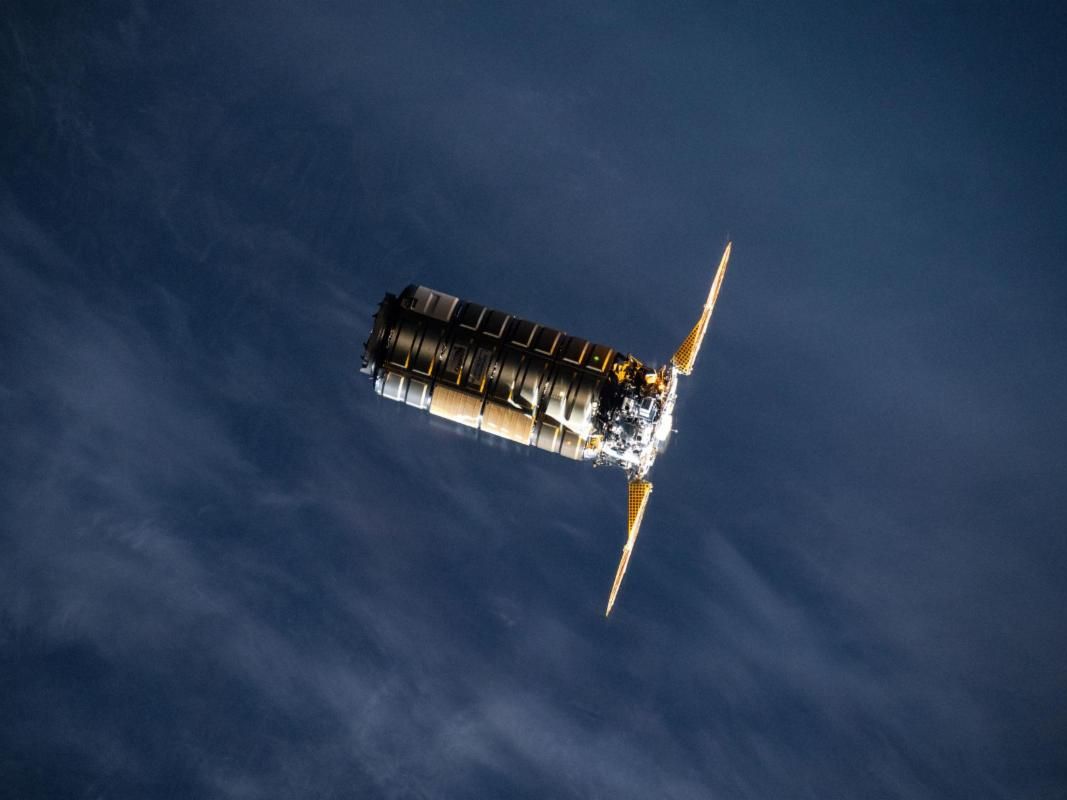
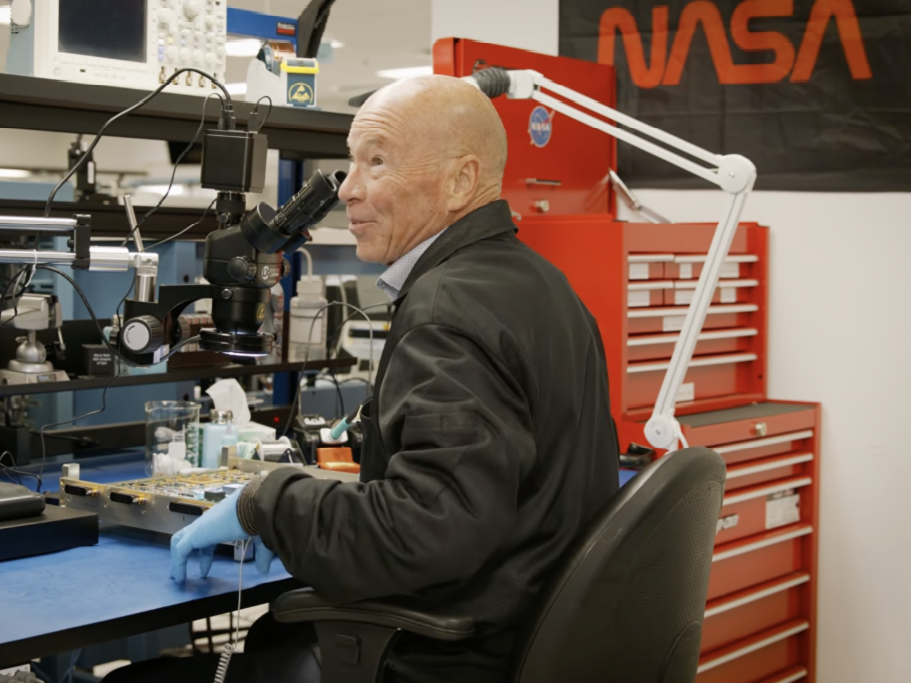
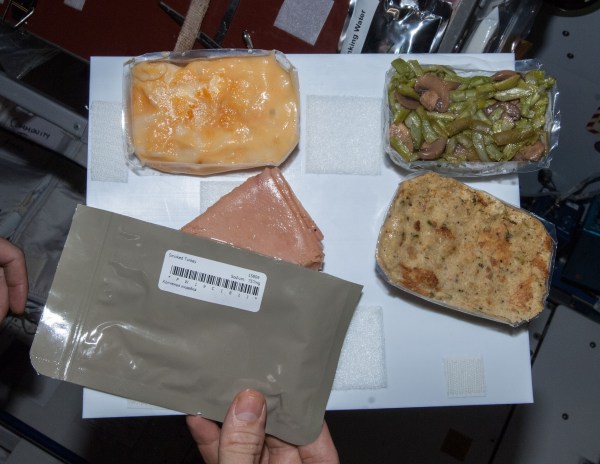
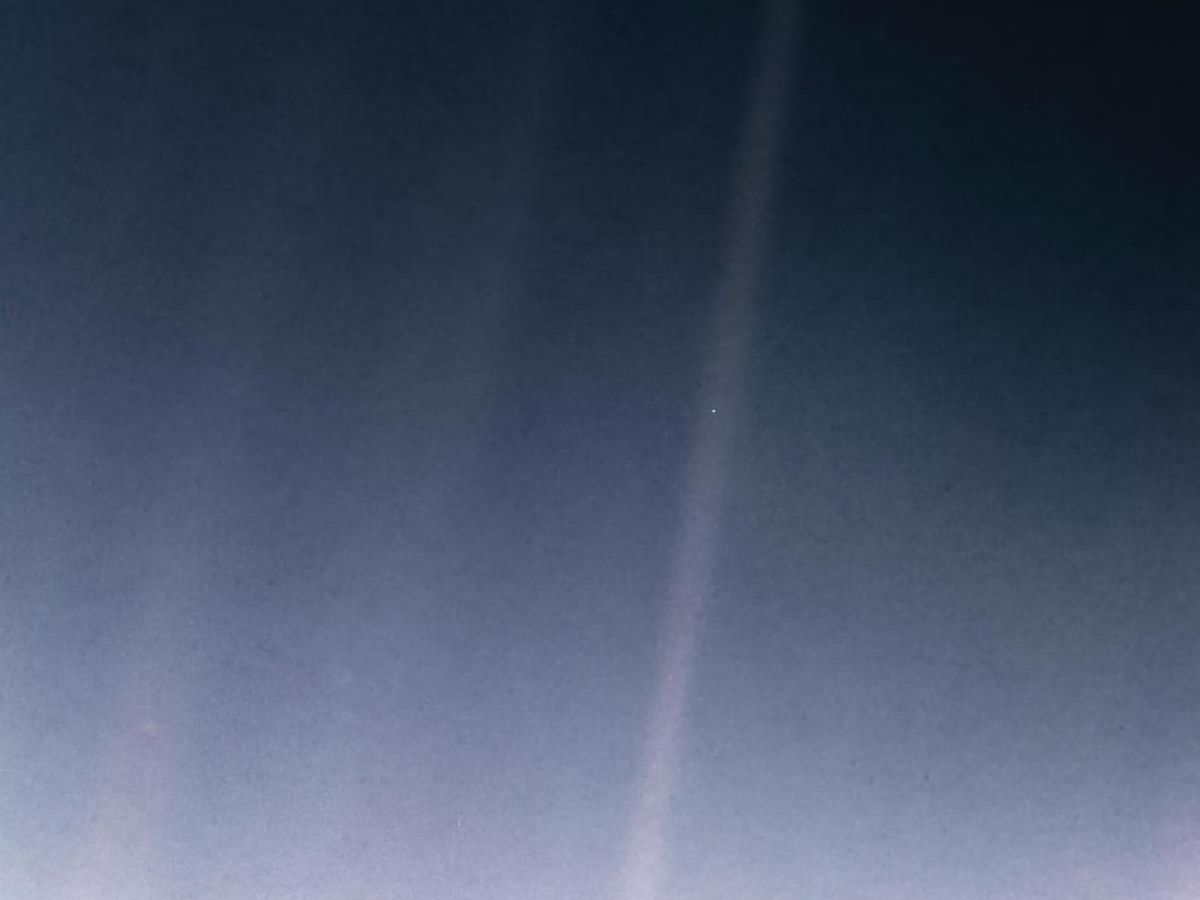
| | | | After more than 49 years of constant travel, NASA’s Voyager 1, humanity’s farthest-flying spacecraft, has crossed another extraordinary milestone: one light-day from Earth. In the latest episode of NASA's Curious Universe podcast, explore the distant shores of interstellar space and discover what Voyager is revealing about our corner of the universe. | | | | NASA, Northrop Grumman, and SpaceX are targeting no earlier than 10:47 a.m. EST on Sunday, Nov. 29, to launch the next cargo delivery mission to the International Space Station. Packed with about 11,000 pounds of science investigations, crew supplies, and equipment, the Northrop Grumman Cygnus XL spacecraft will lift off aboard a SpaceX Falcon 9 rocket from Space Launch Complex 40 at Cape Canaveral Space Force Station in Florida. | | | | Does the idea of a hands-on career that transforms mission concepts into reality spark your interest? Meet David McClaeb, a senior electronic technician at NASA’s Goddard Space Flight Center in Greenbelt, Maryland, whose expertise helps turn engineers’ and scientists’ designs into the flight hardware that enables groundbreaking discoveries. Learn about McClaeb's career journey and the vital role he plays in advancing space exploration through a dynamic profession that does not require a four-year college degree. | | Thanksgiving traditionally brings family and friends together to celebrate and reflect on the blessings of the past year. People mark the holiday in many ways, including parades, football games, religious services, and festive gatherings, but food remains at the heart of the celebration. For astronauts on long-duration space missions, being away from loved ones is an unavoidable part of the job. Instead, they rely on their crewmates to share the holiday and enjoy special meals and traditions as much as possible. | |
| Which astronaut crew was the first to celebrate Thanksgiving in space? | | | | Find out the answer in next week's NASA newsletter! 🤓 | | | | Last week, we asked what year did Voyager 1 reach interstellar space. The answer? 2012. Launched in 1977, Voyager 1 became the first spacecraft to enter interstellar space on Aug. 25, 2012. It crossed the heliopause, the boundary marking the edge of the Sun’s influence, where the solar wind gives way to the space between the stars. Since then, Voyager 1 has continued its historic journey through this uncharted region beyond our solar system. | | |
Seeking Next Generation of Explorers
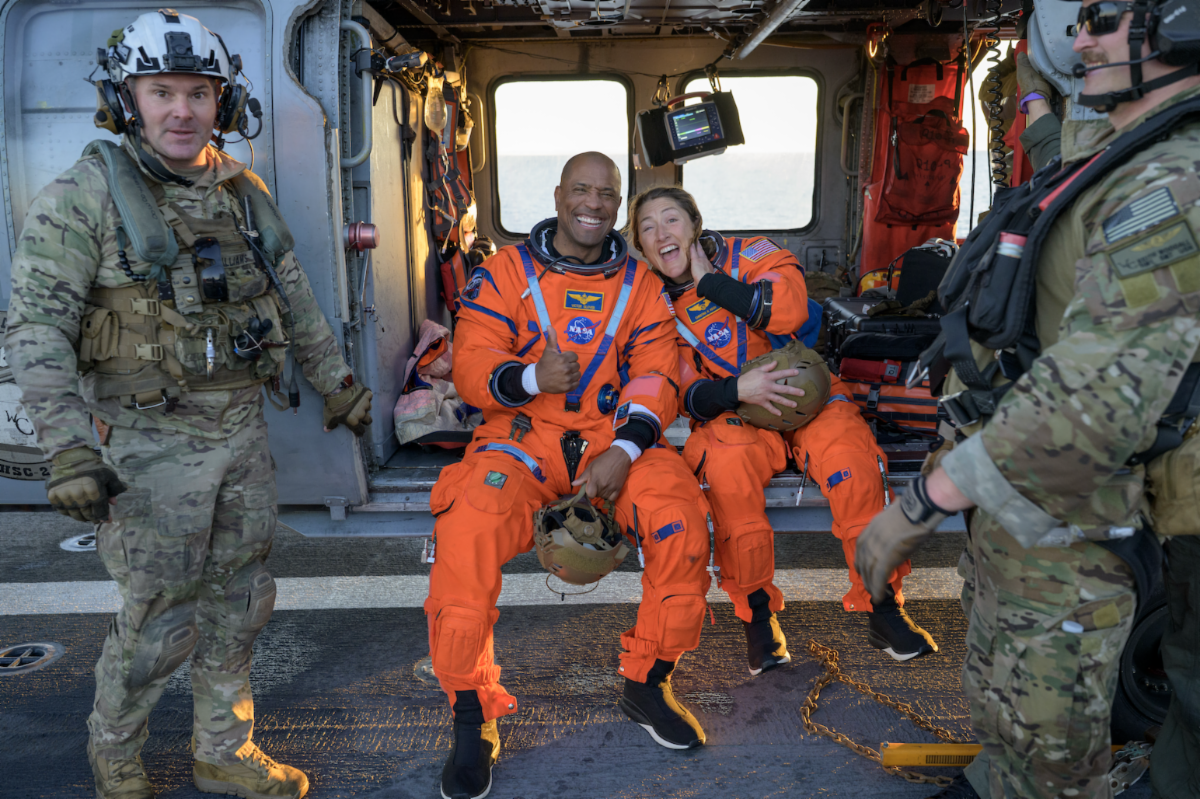
Applications are now open for the agency’s next class of astronauts, who will play a pivotal role in NASA’s bold next chapter as America returns to the Moon, establishes a lunar base, and lays the groundwork for the first human missions to Mars.
BECOME A NASA ASTRONAUT
| | |
National Aeronautics and Space Administration
NASA explores the unknown in air and space, innovates for the benefit of humanity, and inspires the world through discovery.
Visit nasa.gov
| | | | | |