The Days After September 11th — A Tribute To the behind the scenes workers.
Often times, when our country reflects on September 11th, the first question that comes to mind is "Where were you on September 11th?" Many people remember being at work or school, and tuning in to watch the events play out on live television. We remember seeing countless images of Firefighters, Police and Military Personnel on the front lines. We remember seeing the average person reaching out to help their fellow New Yorker in this time of great despair.
As we reflect upon the 25th anniversary of this date, Katz Friedman would like to take a moment to recognize the Airline Workers, Construction Workers and Streets and Sanitation Crews that worked tirelessly to restore things to "normal" for the average person in the days, weeks and months following September 11, 2001. We salute the behind-the-scenes workers.
Airline and Airport Employees
The story of American Airlines flight attendant Betty Ong and her heroics on September 11th is one that will live on forever. Her heroics along with that of her fellow flight attendant Madeline Amy Sweeney and their quick thinking to alert the grounds crew of the hijacking led to the FAA Closure of US airspace for the first time in our nation’s history. But what many people have never heard about is what happened with her co-workers and many others in the airline industry.
In the immediate aftermath of the September 11th attacks, Airline employees, Ground Crews and Flight crews took on several other jobs that the average person was unaware of. Within hours, these workers were tasked with safely grounding thousands of aircrafts across the nation and diverting international flights safely off of U.S. Soil. They also were tasked with the aspect of being akin to social workers and caring for passengers. Gate agents, Flight crews and customer service reps were now asked to step up and provide support for stranded passengers that included meals, lodging, rebooking on non-aircrafts, and simply being a shoulder to lean on for petrified travelers.
Mechanics, ramp associates, and overall grounds crew members in the days following September 11th were now tasked with reopening an entire industry AND adhering to new safety procedures that did not exist less than 7 days before. They all had to learn entirely new safety protocols in just a few short hours in order to get things open and running across the nation.
Sanitation Workers
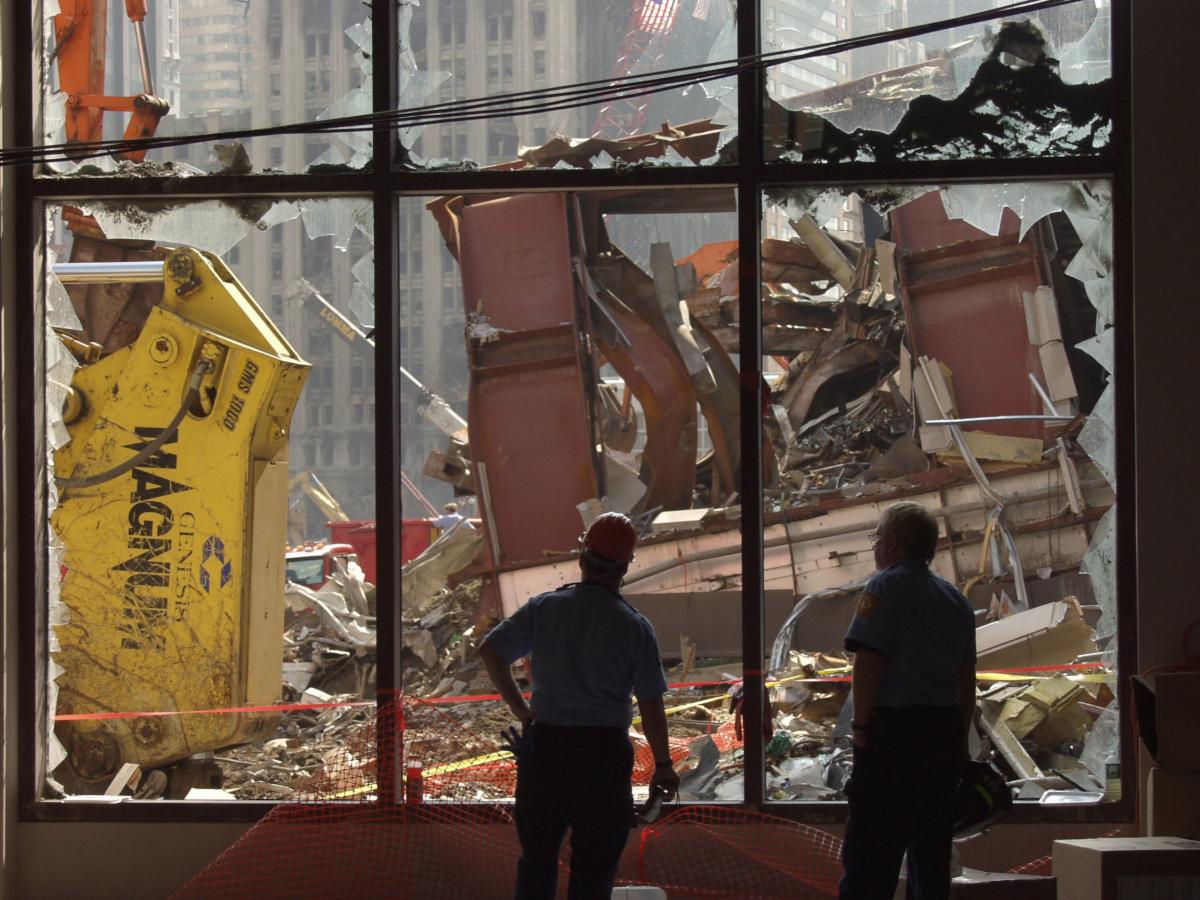
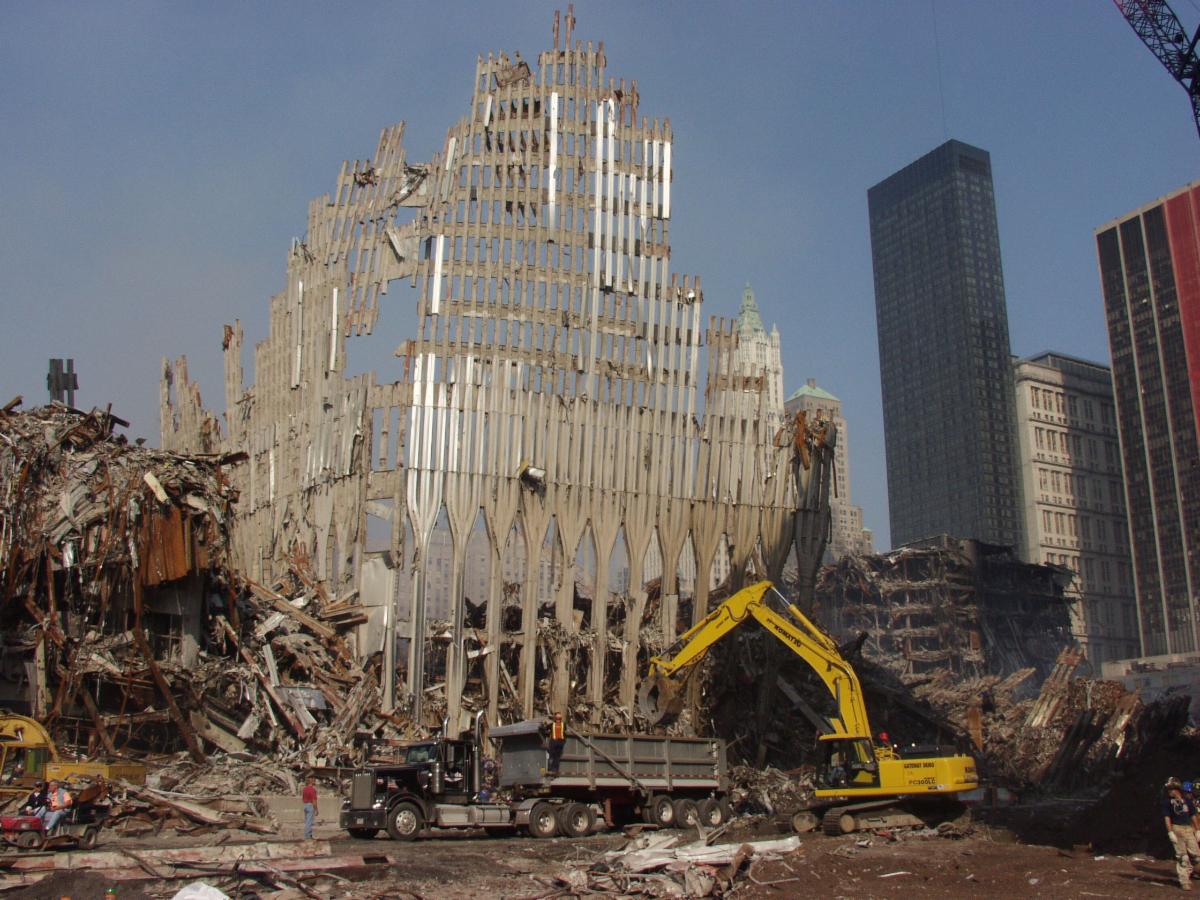
After the fall of the twin towers, many New Yorkers began to ask, "What do we do from here?" and "How do we recover?" For the men and women of the New York City Department of Sanitation there was never a how or a what? It was only "When do we start?" Within 24 hours of the towers collapse, almost 2,000 workers for NY streets and sanitation were deployed to Ground Zero not only to aid with removal of debris and rubble, but to begin the job of sifting through the debris to search for belongings that may help law enforcement identity victims. For the next 9 months 3,700 sanitation workers completed 12 hour around the clock shifts to begin the almost impossible cleanup of 1.6 million tons of debris . They also managed to complete their normal duties and have uninterrupted garbage pick up for the city in the months that followed. The workers in every location and every borough allowed the city of New York to display its resilience and show that it would not be defeated after a terrible tragedy.
Construction Workers
Within 48 hours of the towers collapse, construction workers and laborers from all over the east cost traveled to New York to not only dismantle some of the remaining parts of the towers but to also help first responders and safety crews search for survivors safely. Carpenters and Joiners of America Local 608 were one of the first crews on site and not only used their skills to pass debris hand to hand, but they also performed carpentry work to stabilize hazardous areas. They were also one of the first groups to create a temporary wooden memorial for victims. Not many people know that in Manhattan wrecking balls weren't allowed for demolition because of the buildings being so close. Danny Nolan was the first person to operate a wrecking ball in the area in 25 years. He was part of the crew of construction workers who were members of the International Union of Operating Engineers Local 14, that were responsible for hauling away the last of the piles of what was left of the World Trade Center Towers. Every day that they hauled away rubble was not an easy task due to the fact that as they hauled away debris often time they still found bodies of those that didn't make it. They took the time to immediately stop their clearing efforts and give those victims dignity to be safely removed.
To the unseen workers, who never made headlines and had very little attention, we honor you for stepping forward to be a faint light when this country faced one of its darkest months. Your courage was unmatched, your countless work hours and sleeps nights were not in vain and we salute you.
|