|
Seeing Things: The Effects of
Pareidolia on Astronomy
| | |
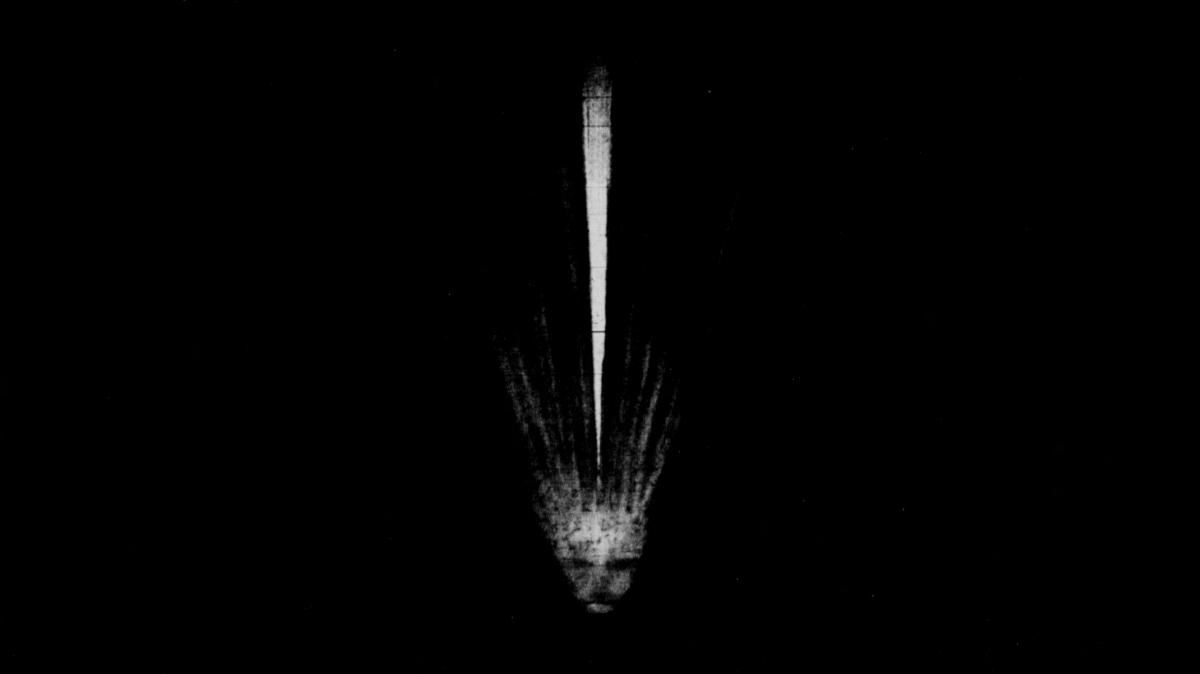
"This awesome spectacle, resembling a sword suspended over a decapitated head with streaming hair, was asserted to have stampeded terrified citizens and to have caused numerous deaths," according to descriptions of the 1528 comet over Paris. The fallacy of perception in which we attach meaningful interpretations to inputs, usually visual, is called pareidolia. It is a universal psychological phenomenon.
Examples of pareidolia are easy to spot. The Florentine Codex, an ethnographic study of sixteenth-century Aztecs in Mexico, describes how the Aztecs perceived a solar eclipse: “If the eclipse of the Sun is complete it will be dark forever. The demons of darkness will come down. They will eat men!”
In 1894, astronomer Percival Lowell concluded that mysterious lines crisscrossing the surface of Mars are canals built by a intelligent Martians. This fueled widespread speculation. Finally, after decades of competing theories and evidence, pictures from Mariner IV in 1965 squashed this suspicion.
Ancient societies worldwide independently concluded that lunar eclipses are caused by some creature taking a bite out of the Moon.
When our ancestors encountered a departure from the norm, such as a comet, a lunar eclipse, or a solar eclipse, pareidolia ran rampant. The more anomalous something was, the more sinister it was believed to be. People scramble to create meaning in the face of anomalies because they are uncomfortable with uncertainty.
Natural selection ensures that pareidolia persists in human behavior because it can be useful. It facilitates survival because it helps us identify faces and threats quickly and cope with the unexplained. Quick pattern recognition is useful but may impede critical thinking and scientific analysis.
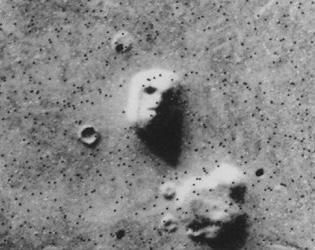
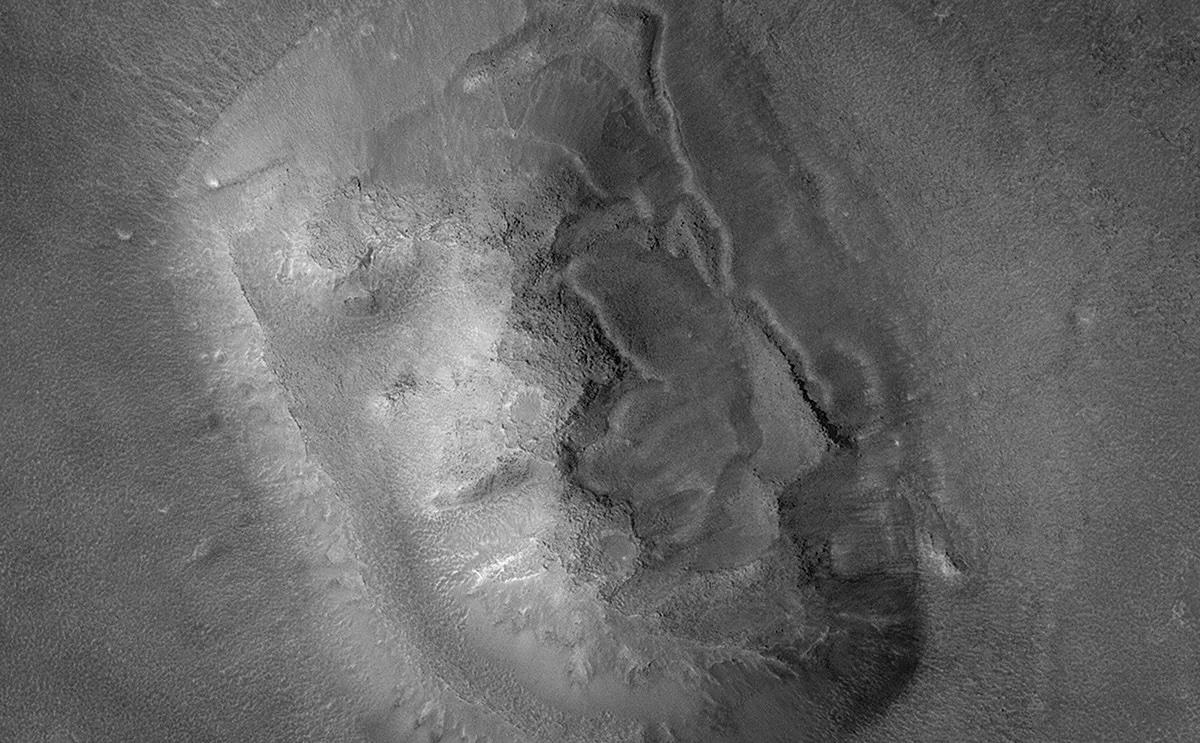
| | NASA's Viking 1 Orbiter spacecraft captured the Cydonia region of Mars on July 25, 1976, while searching for a landing site for the Viking 2 Lander. The Cydonia region contains the so-called "Face on Mars." (NASA) | | NASA identified that the "Face on Mars" is an optical illusion caused by the angle of sunlight on a rock formation. Nevertheless, the public speculated its creation by Martians. This follow-up image of the "Face on Mars" was captured by the Mars Global Surveyor in 2001. (NASA/JPL/MSSS) | | |
Misperceptions of things in the sky are still common despite the centuries of observational evidence. Our experiences of visual anomalies are projected onto contemporary narratives. An intrusion of chaos, such as an unfamiliar object in the sky, immediately becomes an alien spacecraft. Unrecognized pinpoints of light are commonly mistaken for UFOs, and Venus is a frequent culprit. It is low to the horizon, uncommonly bright, more stationary than a passing plane, and shows up in a slightly different spot each night.
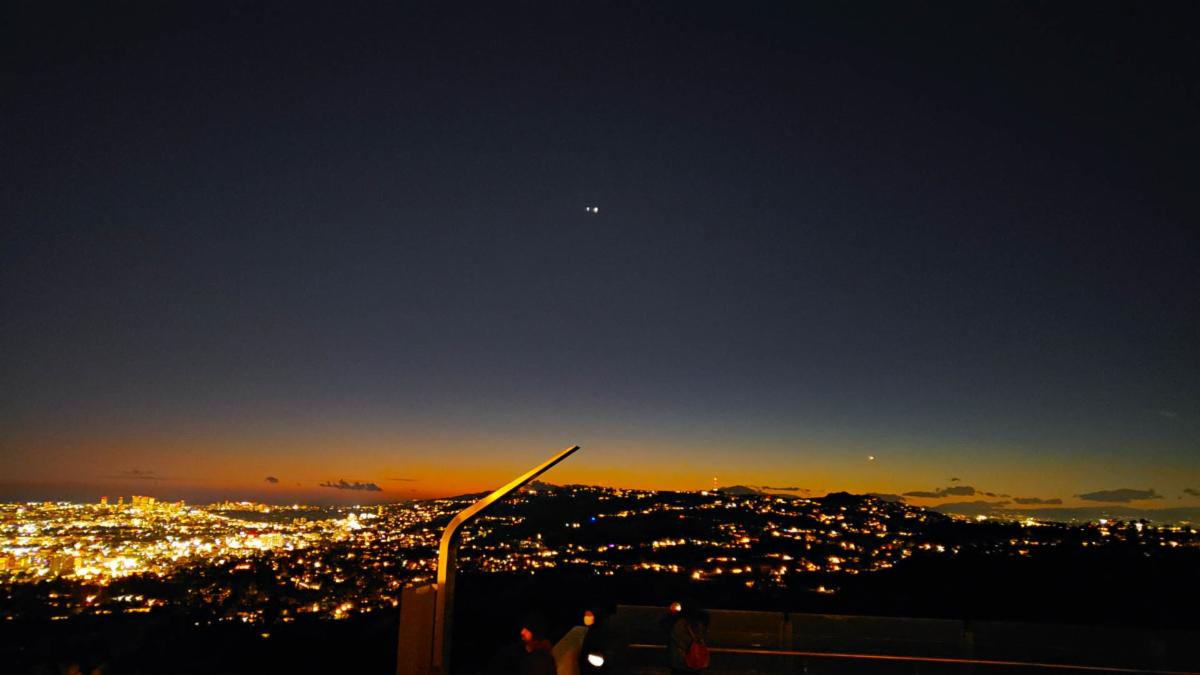
If you were primed with a visual-behavioral vocabulary for UFOs but didn't know about the way planets move, how would you interpret the pair of near-stationary lights in the image below?
| | A conjunction of Jupiter and Venus was visible in Los Angeles on March 1, 2023. (Patrick So / Griffith Observatory) | | |
Now that we've seen how perceptions may distort reality, it's important to consider the biases that may amplify these distortions. Predispositions, especially those steeped in fear or distrust, warp one's interpretation of observations.
We can be charitable. Pattern-seeking creatures inevitably make mistakes. If, however, we take advantage of our tools to make sure our perception is meaningful and we observe, record, and repeat with precision, we’ll be in better shape. For the average person who isn't a scientist, being exposed to science and thinking critically to question assumptions—not create them—goes a long way.
Nevertheless, pareidolia has played a useful role in astronomy ever since our ancestors extracted meaningful patterns from the stars in order to impose helpful geography on the sky. It persists in the creation of colorful names for new, unknown, and mysterious phenomena, like "dark matter," "dark energy," "zombie stars," "heat death," and "the big rip." We've given celestial objects spooky names, not because we're afraid of them but because they are mysterious.
Pareidolia enables us to make the sky more familiar and more approachable.
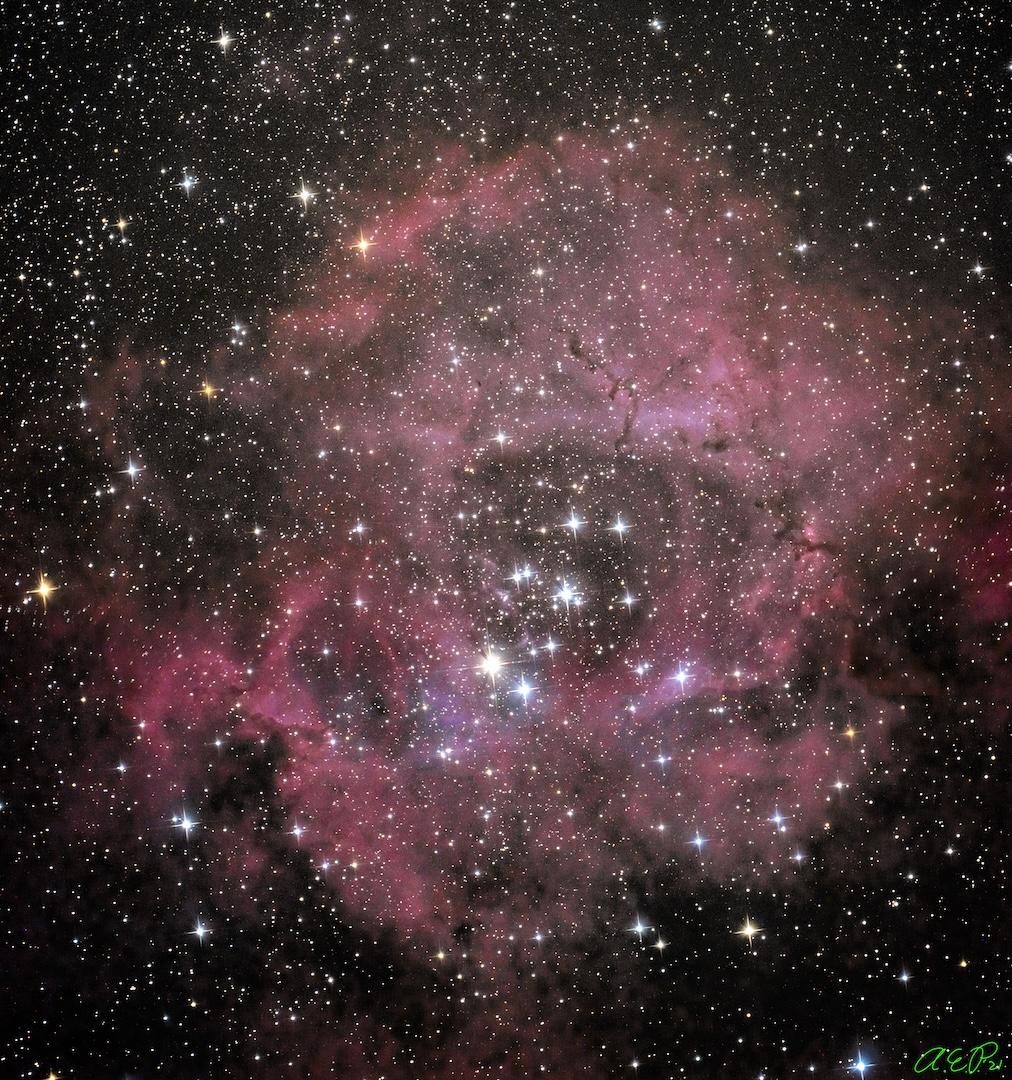
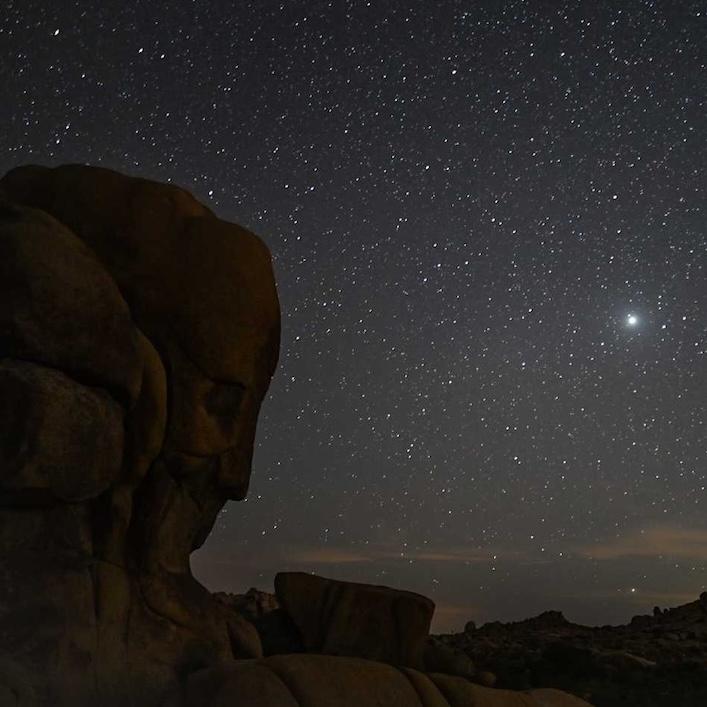
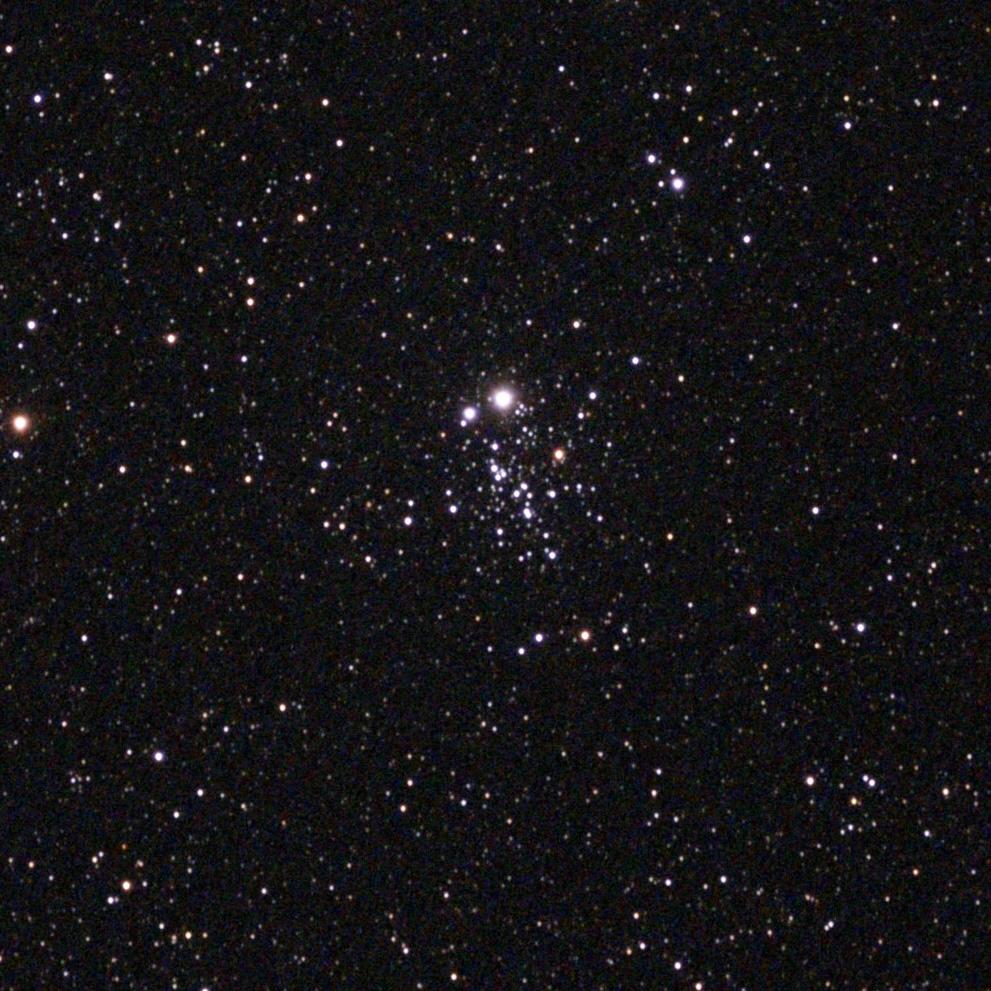
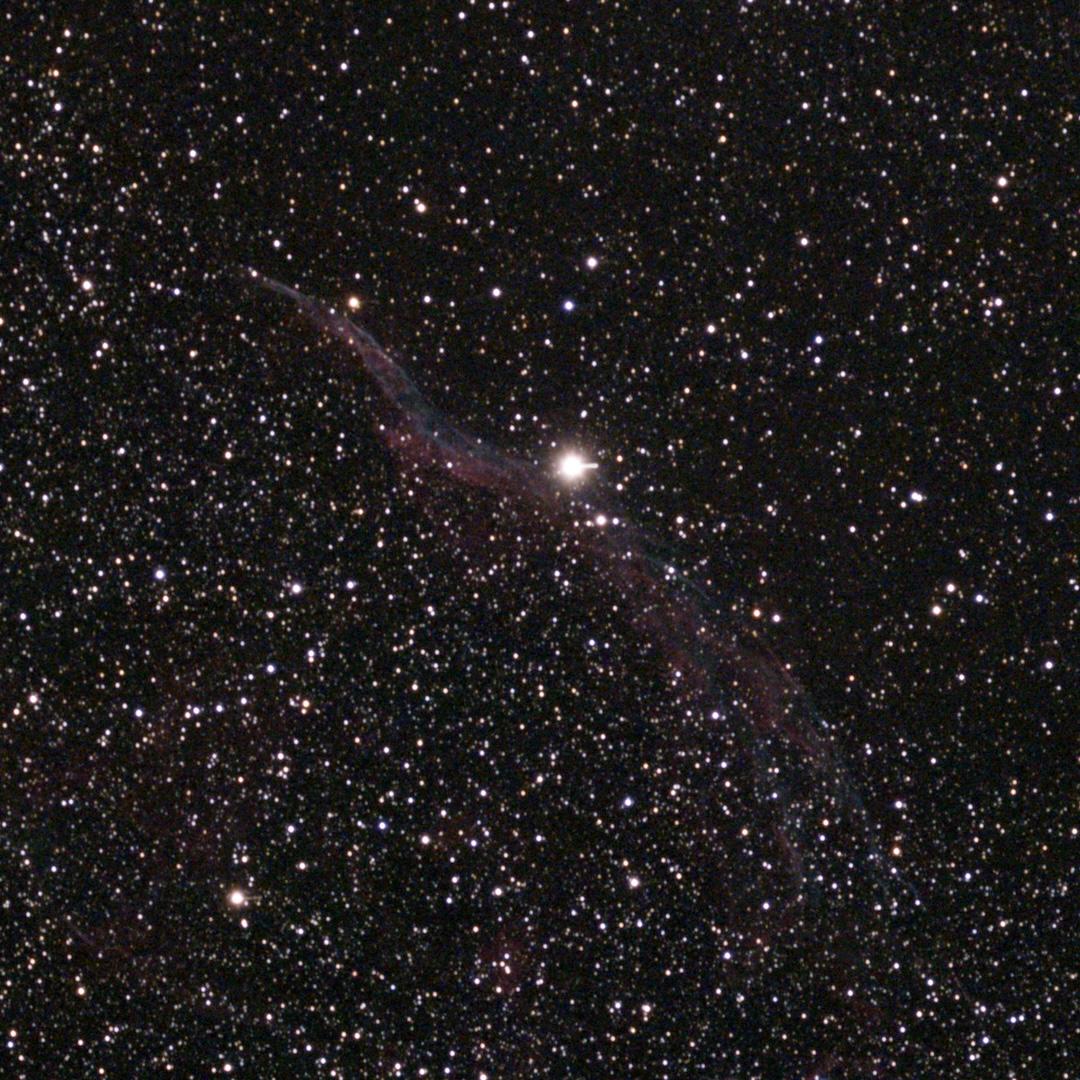
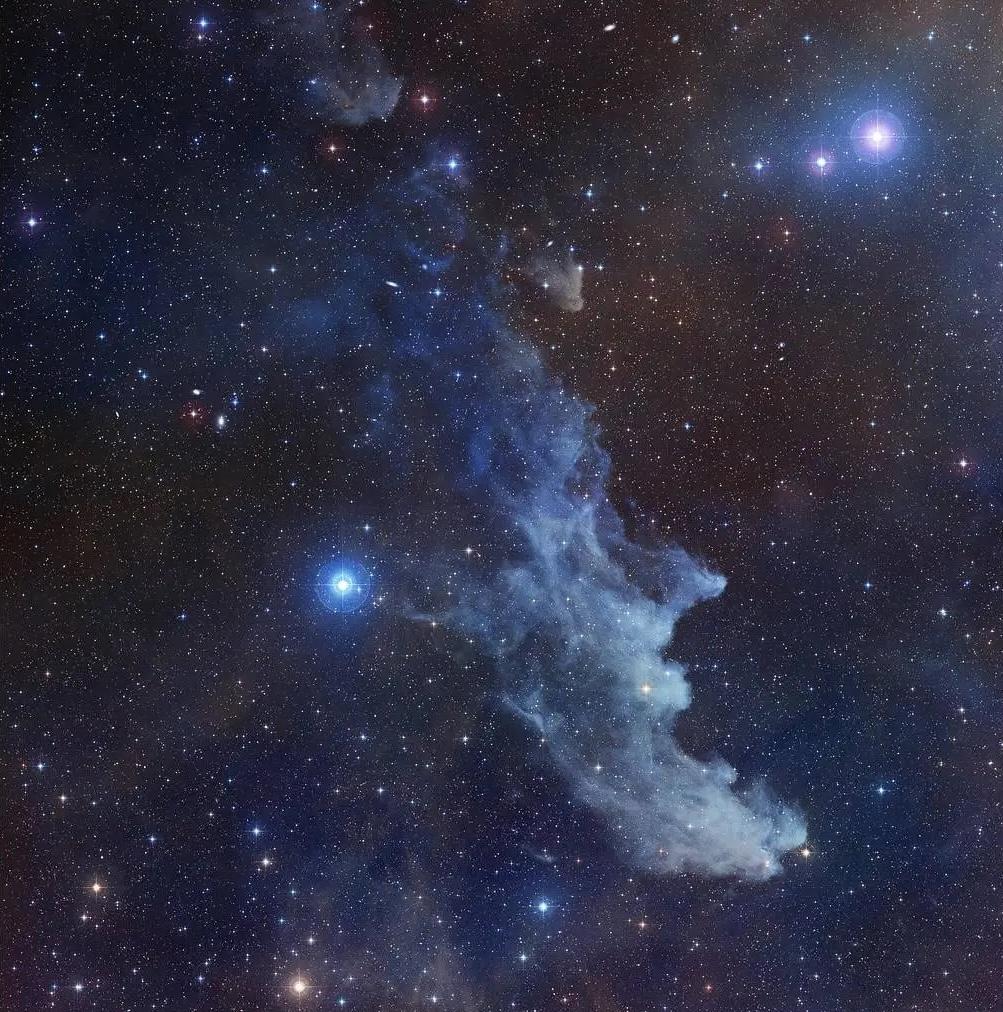
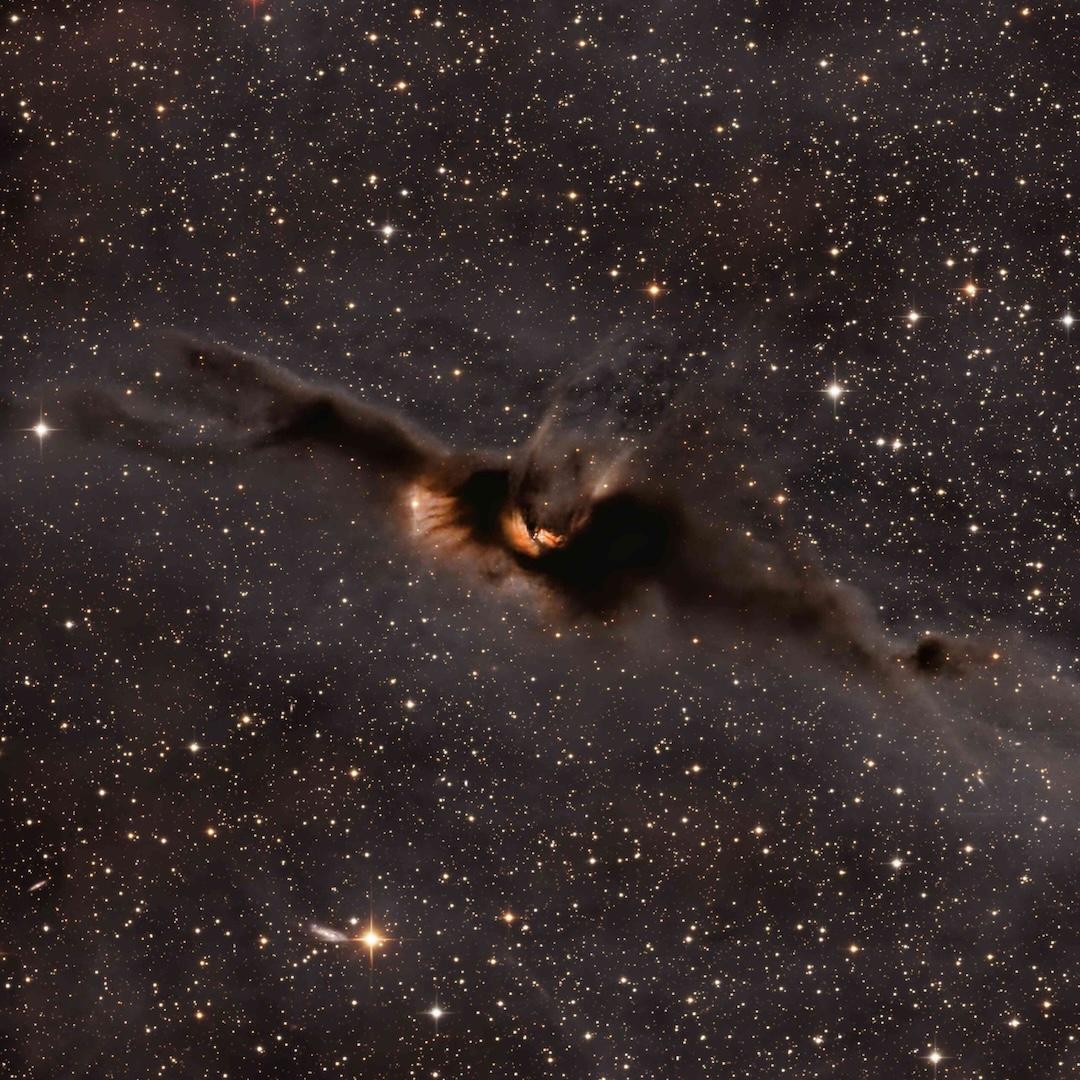
| | — Ella Ritts, Video Production Coordinator | | Scenes captured by astrophotographers including some Griffith Observatory staff demonstrate some spooky interpretations of the natural world. Take note of your satisfaction when you see it: The interpretation that inspired the object's namesake. | | The Rosette nebula (NGC 2237), sometimes referred to as the Skull nebula in Monoceros, looks like what many interpret as a three-quarter profile of a skull. (Anthony Perkic) | | Skull Rock in Joshua Tree National Park peers at Jupiter. (Todd Kunioka) | | The Owl cluster (NGC 457) in Cassiopeia appears to have two beady eyes, outstretched wings, and talons. (Ella Ritts) | | The Western Veil nebula (NGC 6960) in Cygnus is known less formally as the Witch’s Broom. (Ella Ritts) | | The Witch Head nebula (IC 2118) in Orion seems to capture the profile of a fairytale witch. (NASA/STScI/Noel Carboni) | | The Cosmic Bat nebula in Ophiuchus bears an astonishing resemblance to a bat mid-flight. (Daniel Stern) | | |
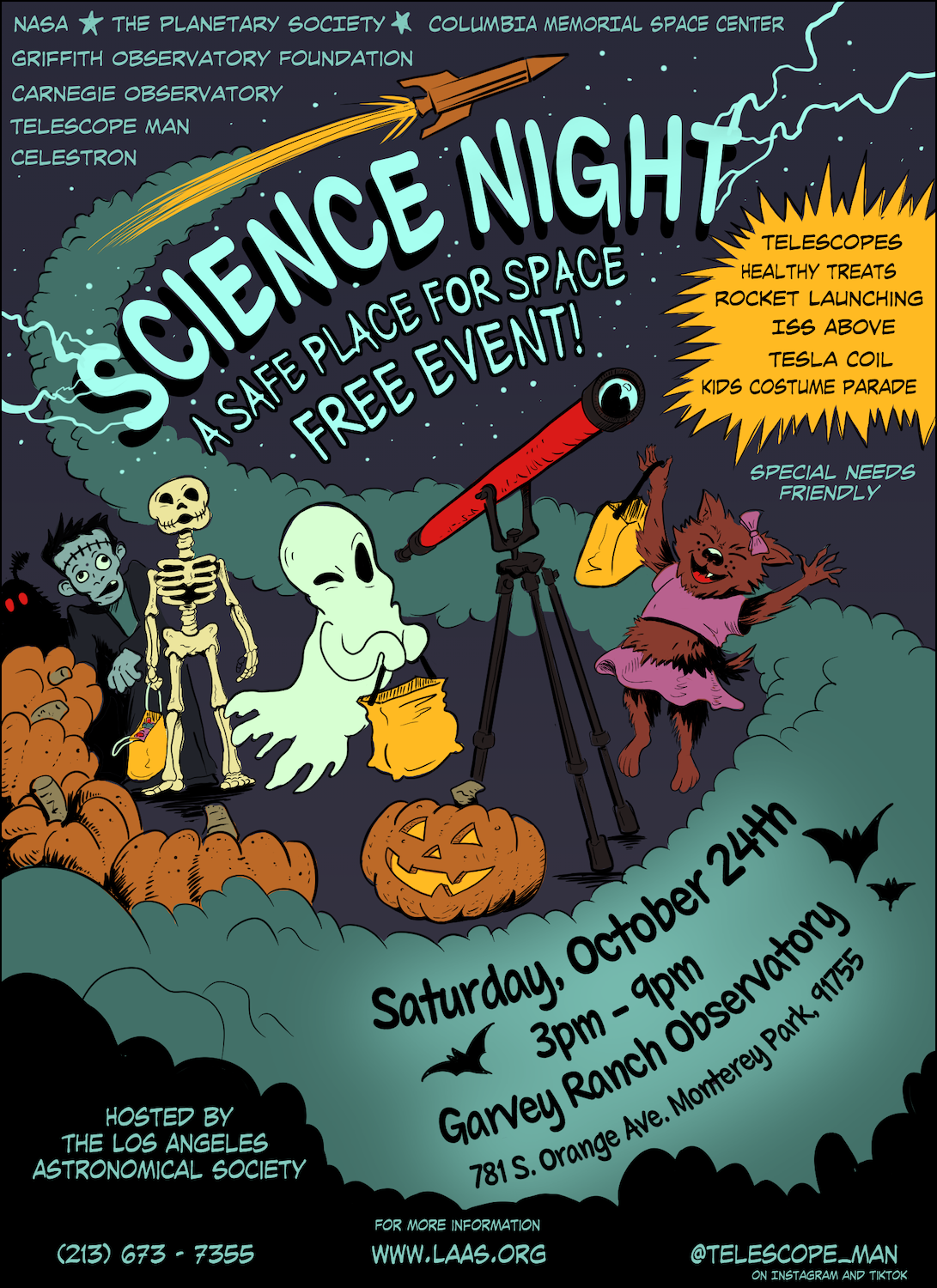
Science Night:
A Safe Place for Space
| |
Saturday, October 24, 2026
3:00 p.m. - 9:00 p.m.
Garvey Ranch Observatory
| |
Visit Griffith Observatory Foundation's table at Science Night. This FREE, family-friendly, and special-needs-friendly event is hosted by the Los Angeles Astronomical Society (LAAS). No reservation required.
Enjoy some wholesome fun with LAAS members, staff from Griffith Observatory, and other local astronomy enthusiasts. There will be costumes, telescopes, healthy treats, free activities from space organizations, spooky music, and more!
More details may be found on the poster.
| |
| |
Costumes of Halloweens Past
A Griffith Observatory Staff Tradition
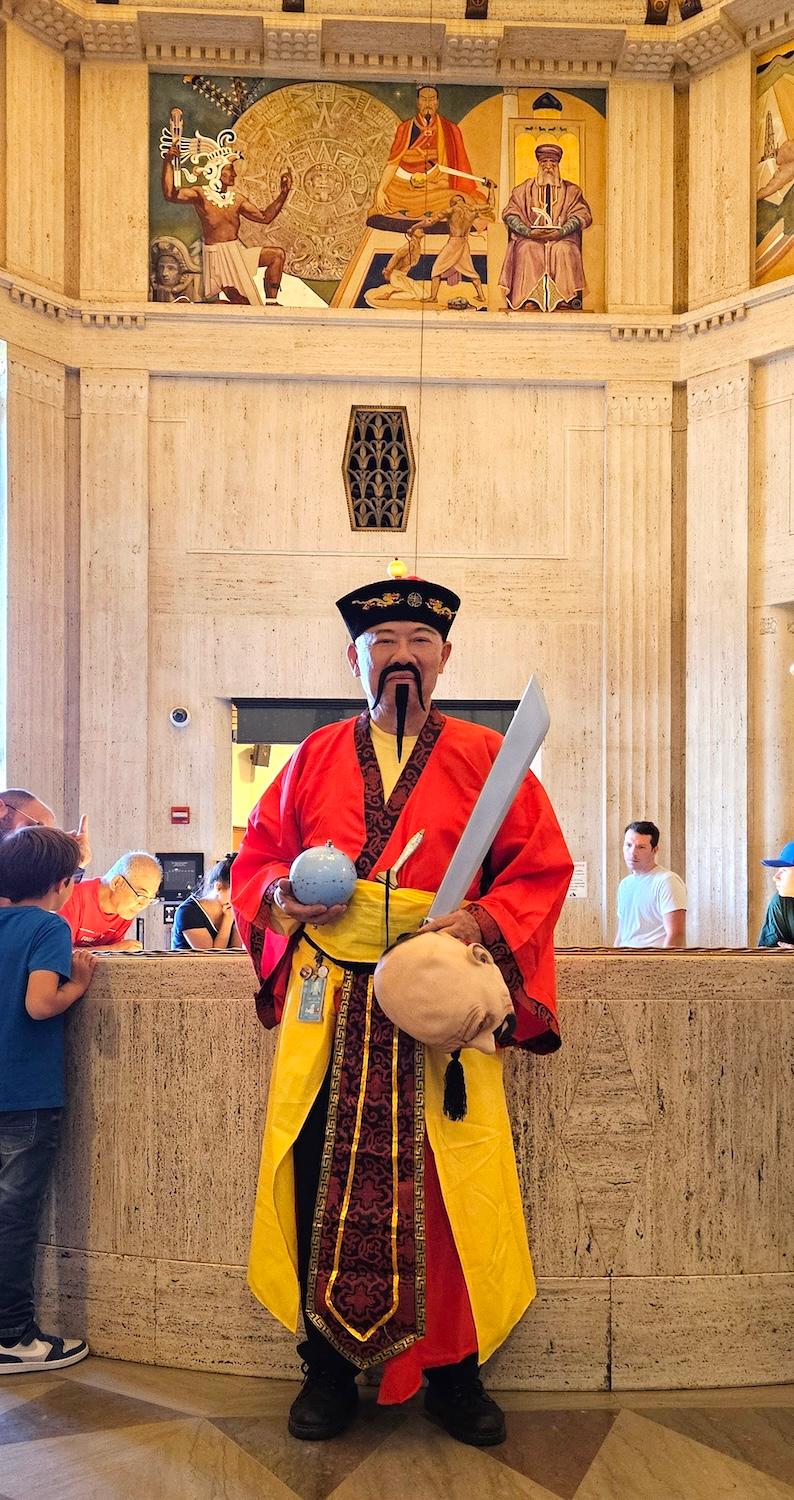
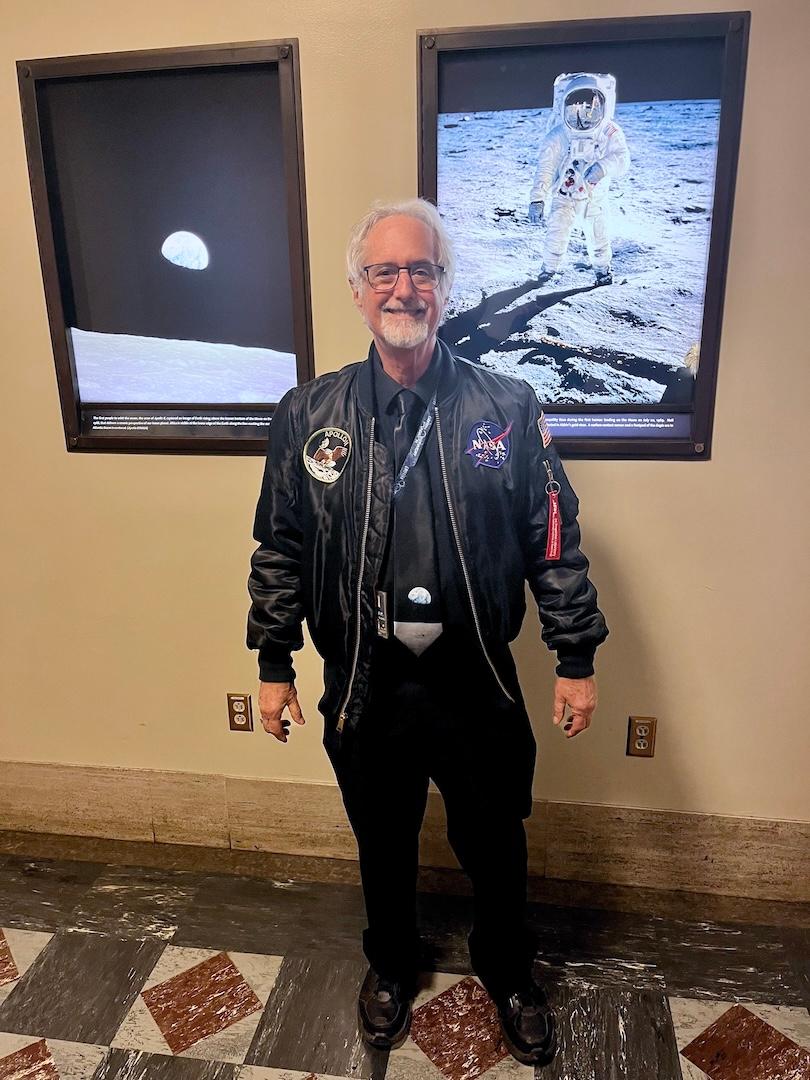
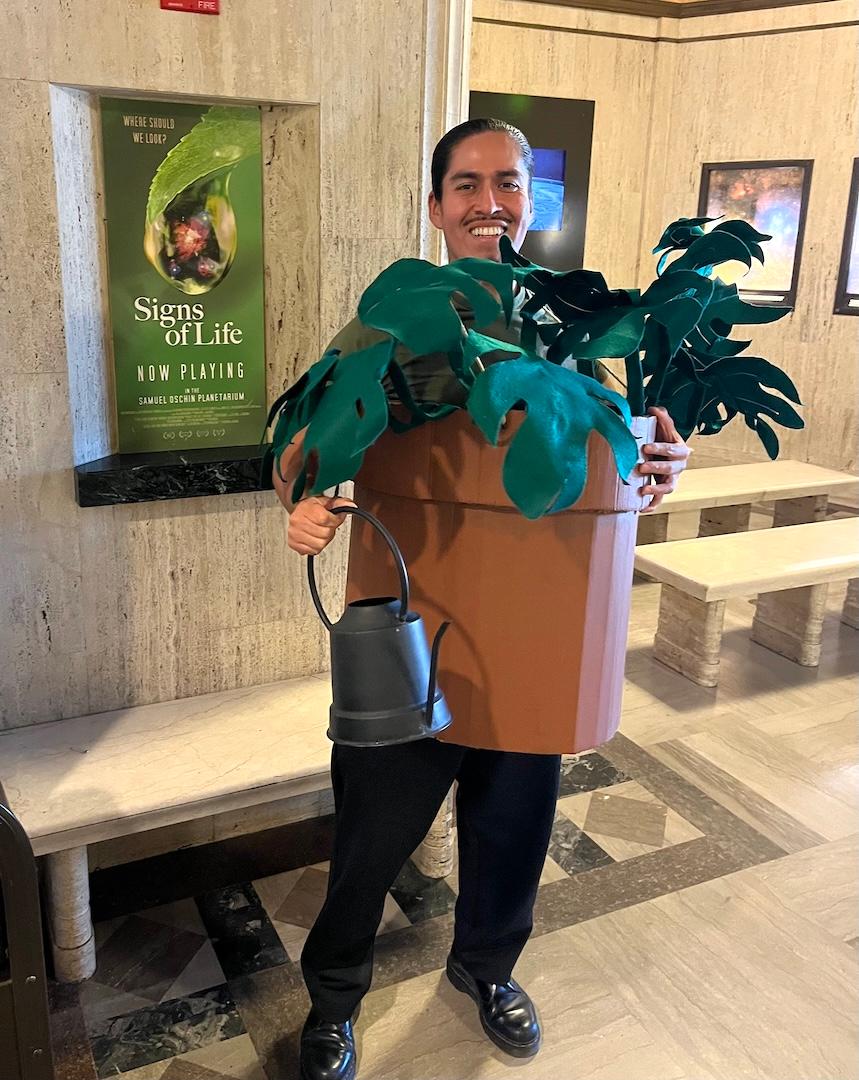
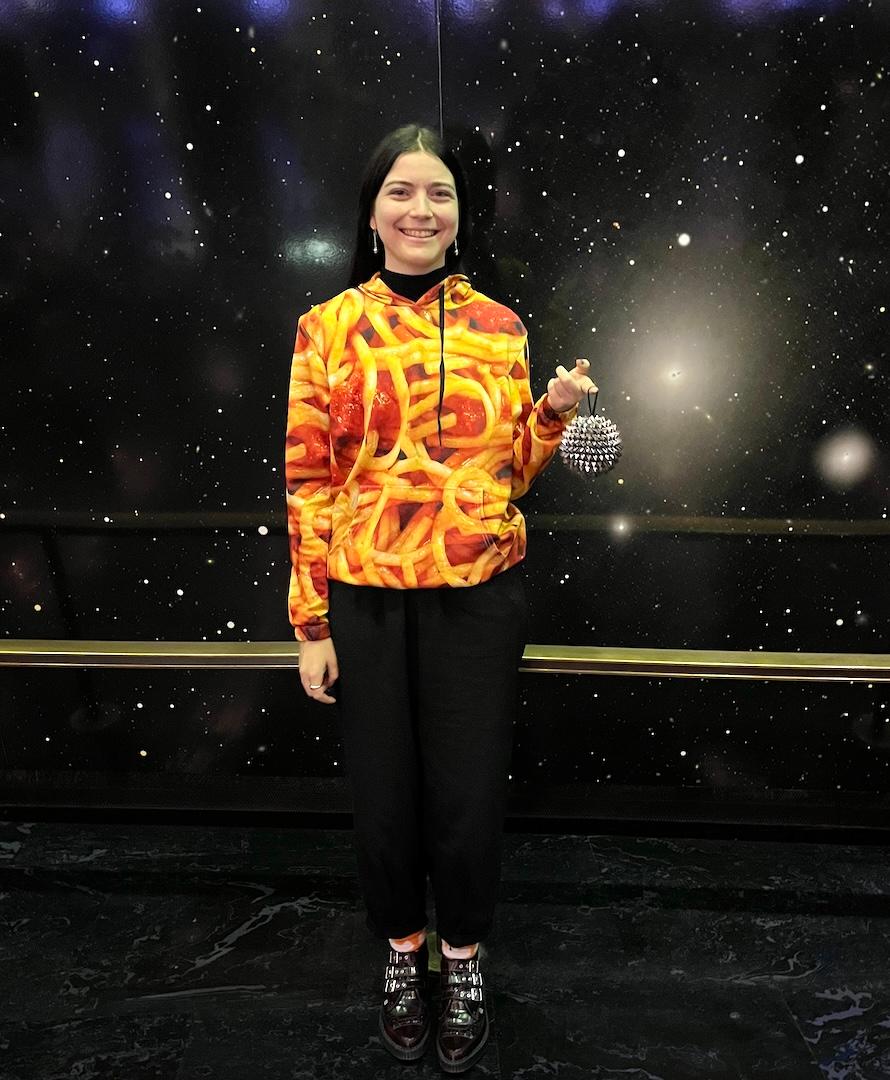
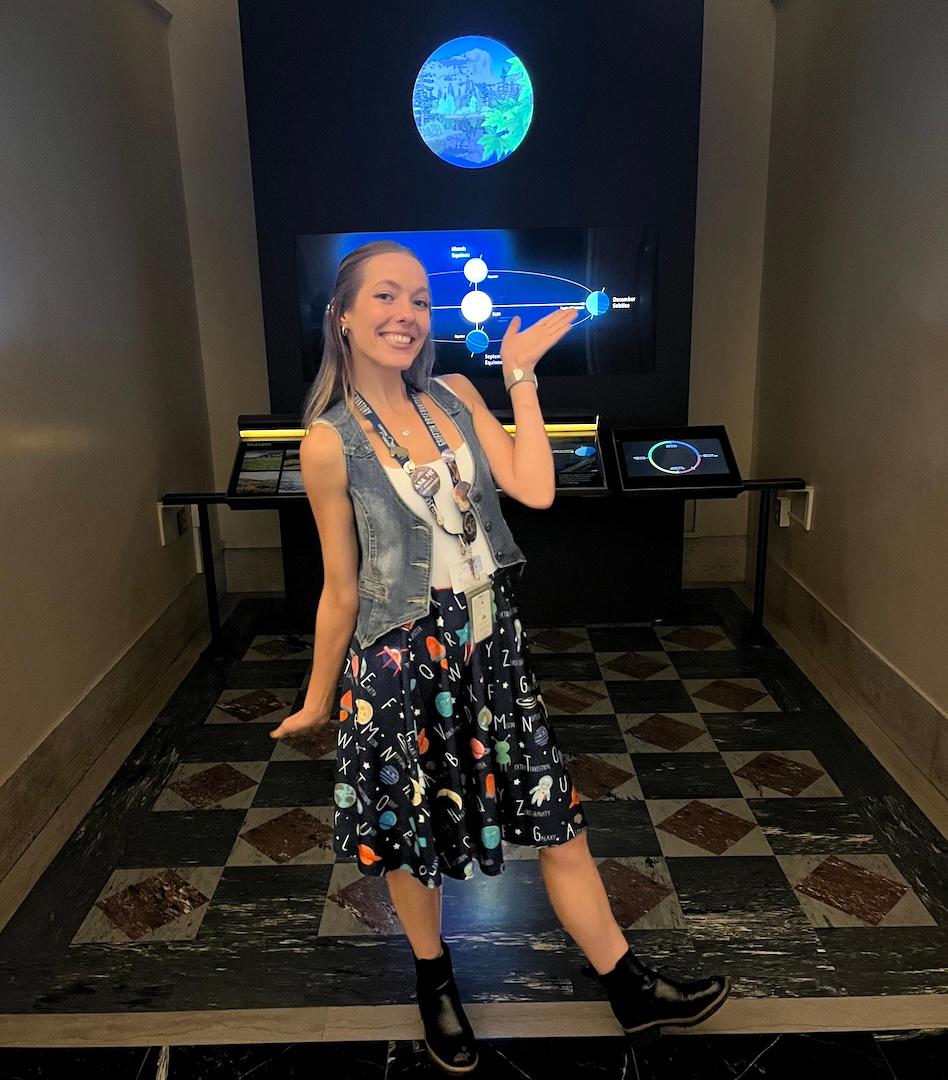
| | Griffith Observatory staff members maintain a tradition of astronomical costumes at the Observatory on Halloween. This selection from last year was documented by Video Production Coordinator Ella Ritts. | | Museum Guide Daniel Wong dressed as Emperor Yao of China (2300 BC) as-seen on the Hugo Ballin murals overhead. In the mural, Yao holds a ball that represents both Sun and Moon. Yao instituted a 366-day (leap year) calendar based on observations of the equinoxes and solstices. |
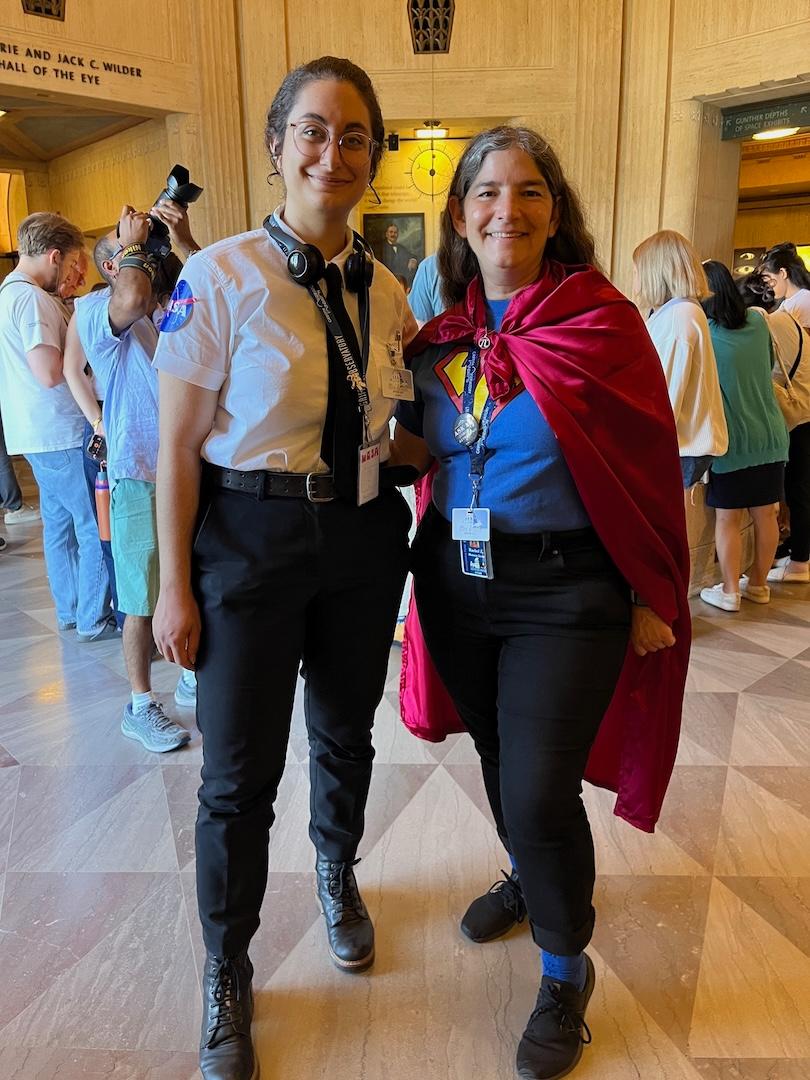
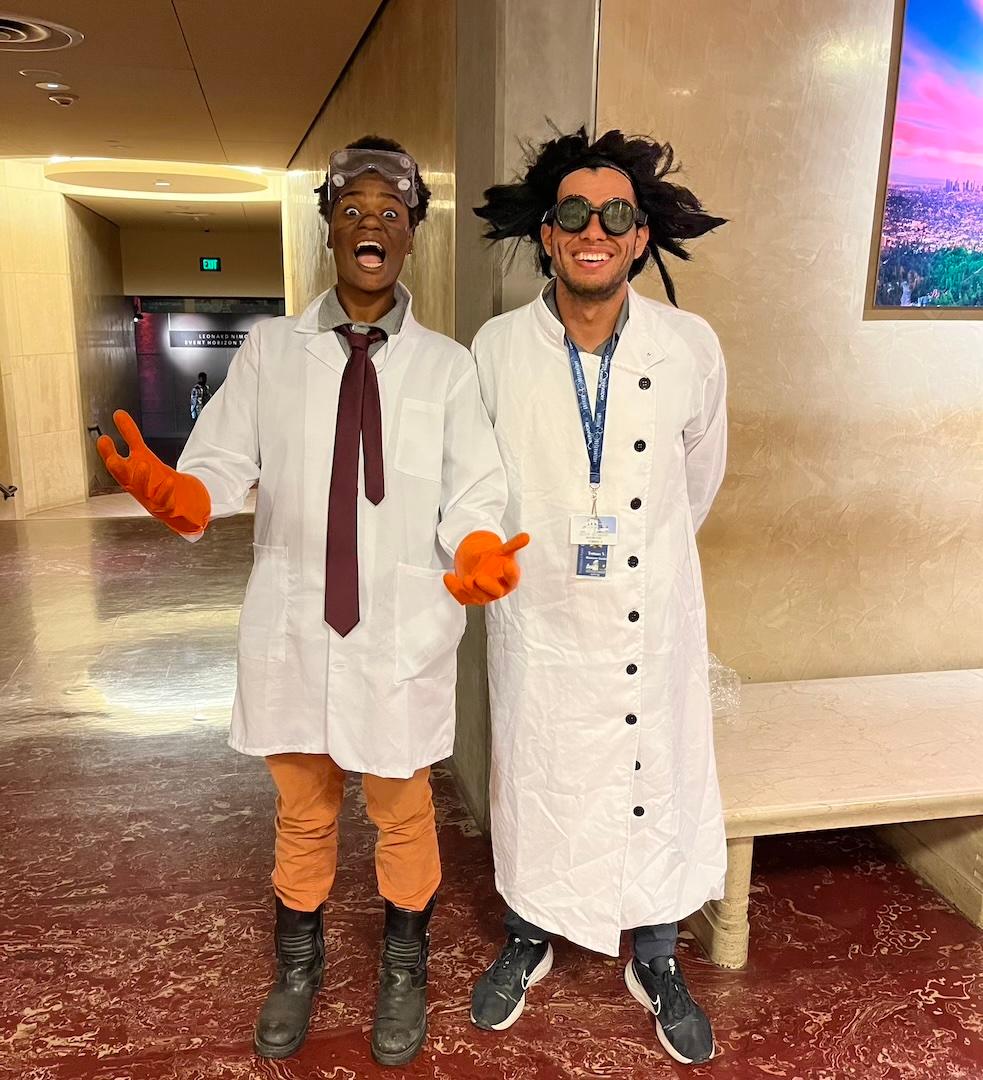
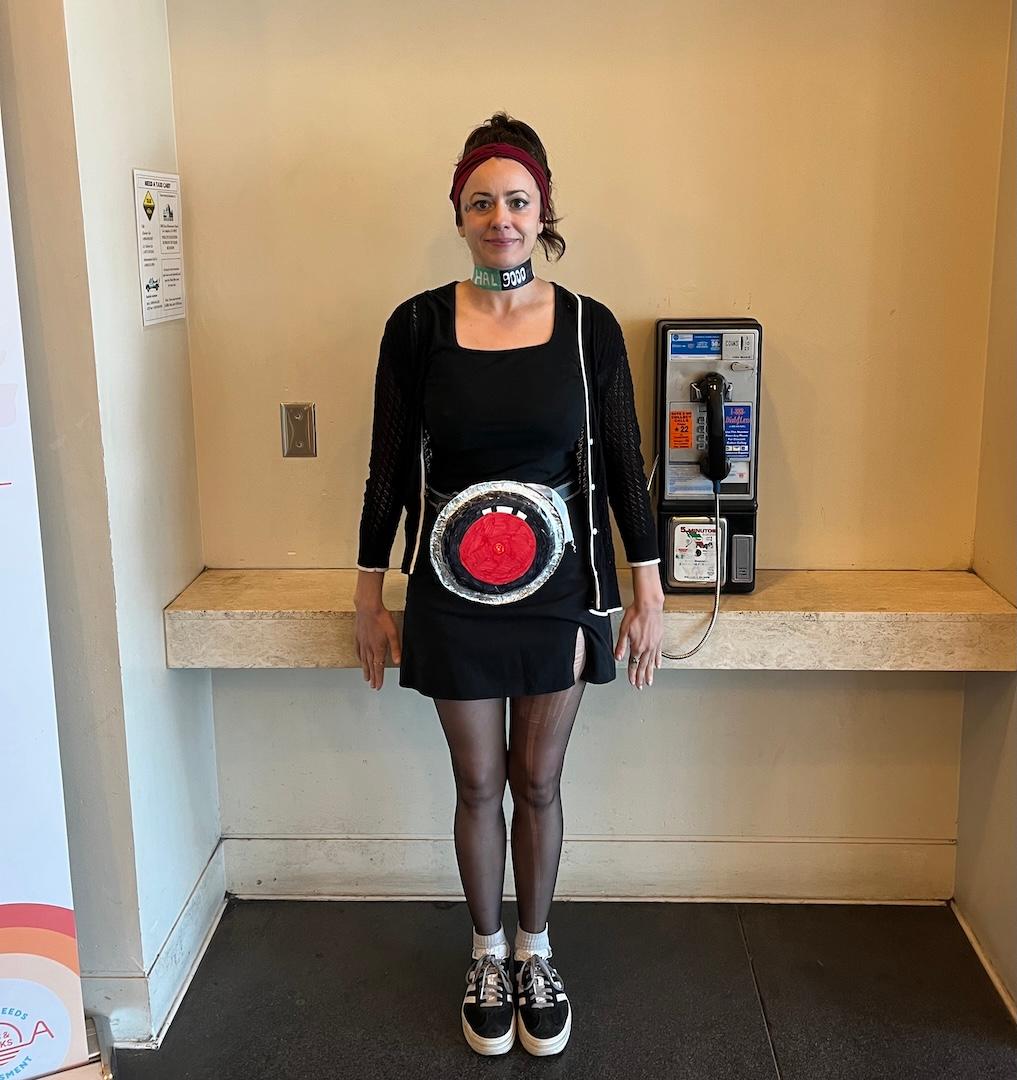
| Museum Guides Alisar Barakat dressed as a NASA Mission Control staff member and Rachel Brachman turned into "Super Pi." | Museum Guides Bree Reed and Tomas Virgen posed as "mad scientists." | Museum Guide Katie Goldston personified HAL9000 from 2001: A Space Odyssey. |
| Museum Guide David Pinsky donned an Apollo mission flight jacket. | Graphics Designer Eddie Cortez was a "sign of life," as in, Signs of Life. | Museum Guide Katie Hughes represented "spaghettification," the theory in which an object would be stretched thin by gravity upon falling into a black hole. |
| Museum Guide Ginger Rose Brucker dressed as Ms. Frizzle from The Magic Schoolbus. |
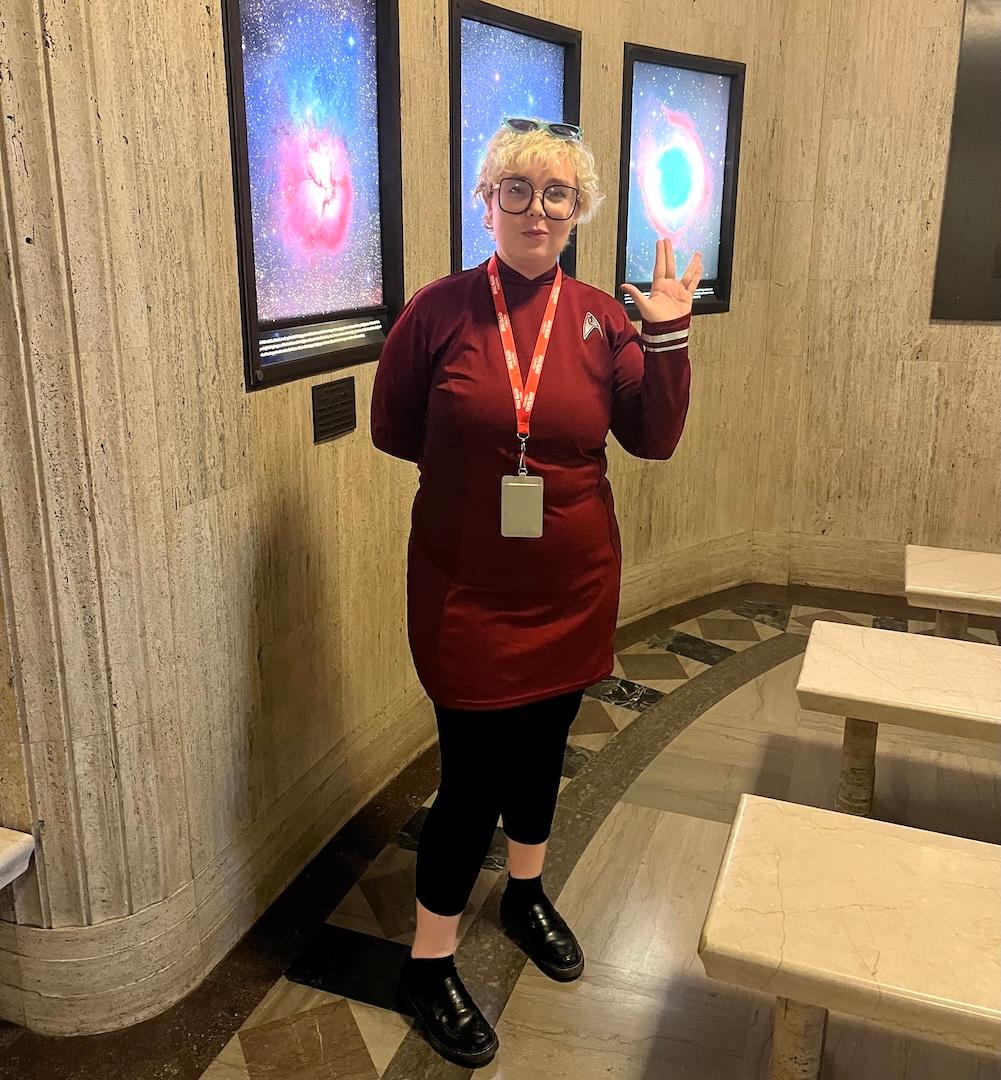
| Assistant Park Services Attendant Maddi Nielsen represented a "redshirt" from Star Trek. |
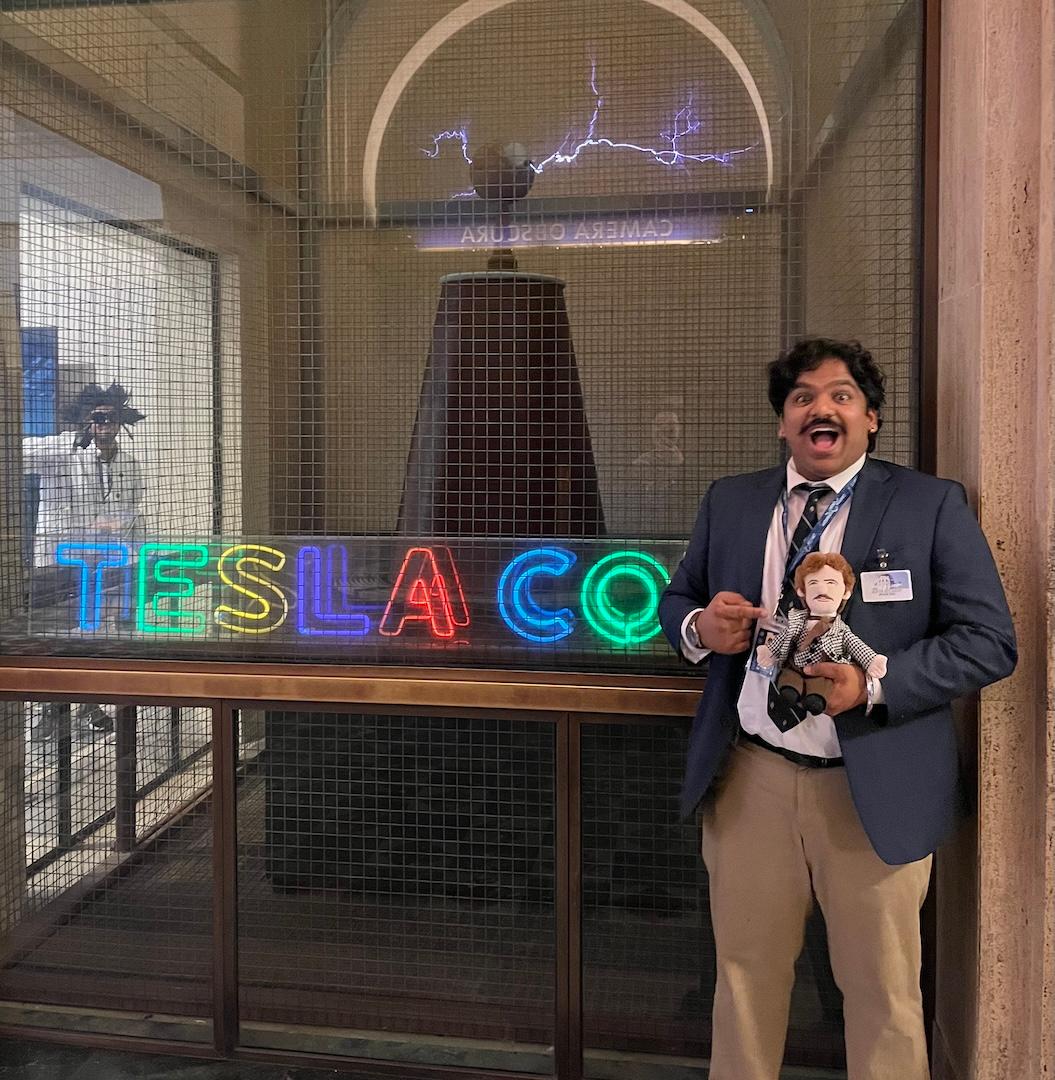
| Museum Guide Sid Gamoji posed as "Big Tesla and Mini Tesla." Mad scientist Tomas lurks in the background. |
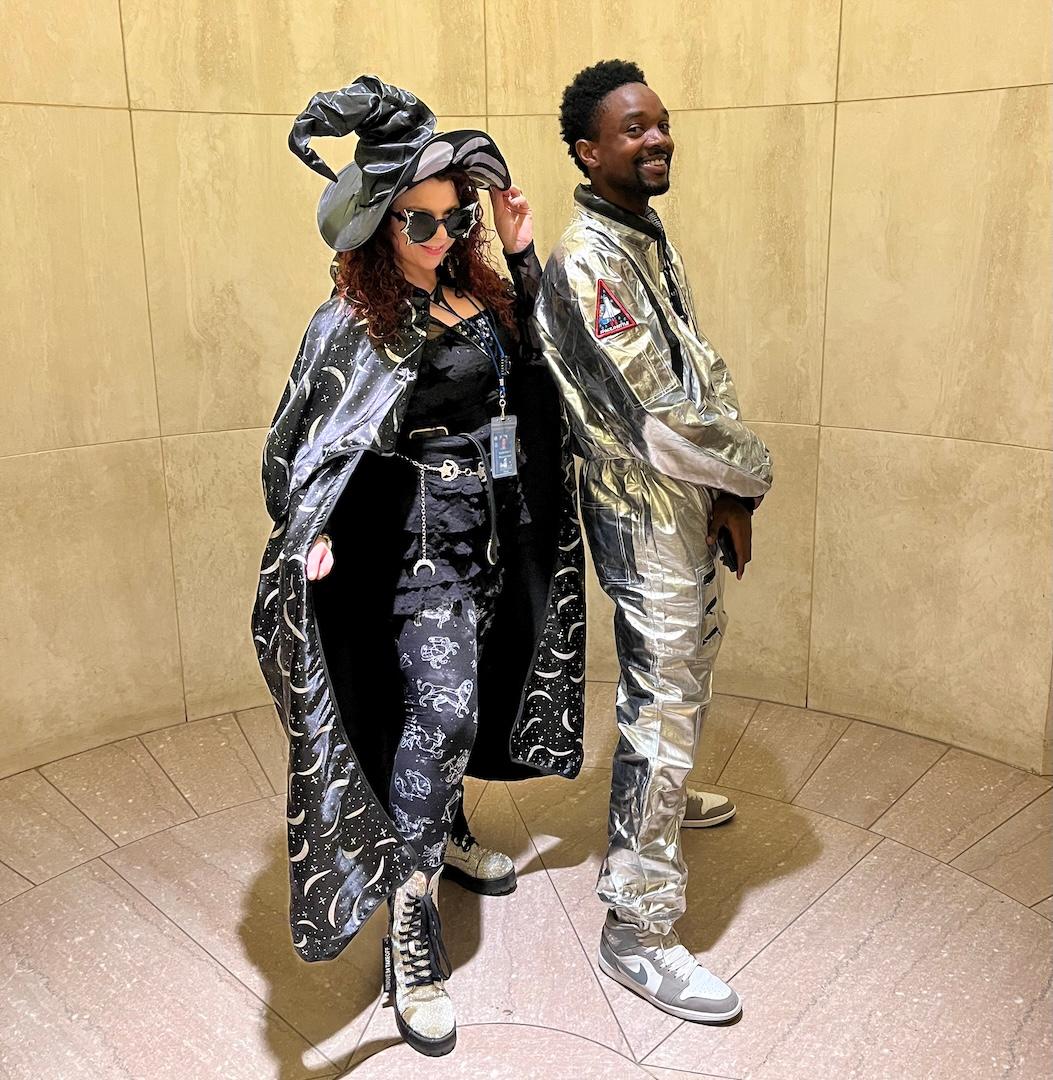
| Museum Guides Katie Jacques dressed as a "lunar witch" and Derrick Thurman suited up as NASA astronaut Guion Bluford. |
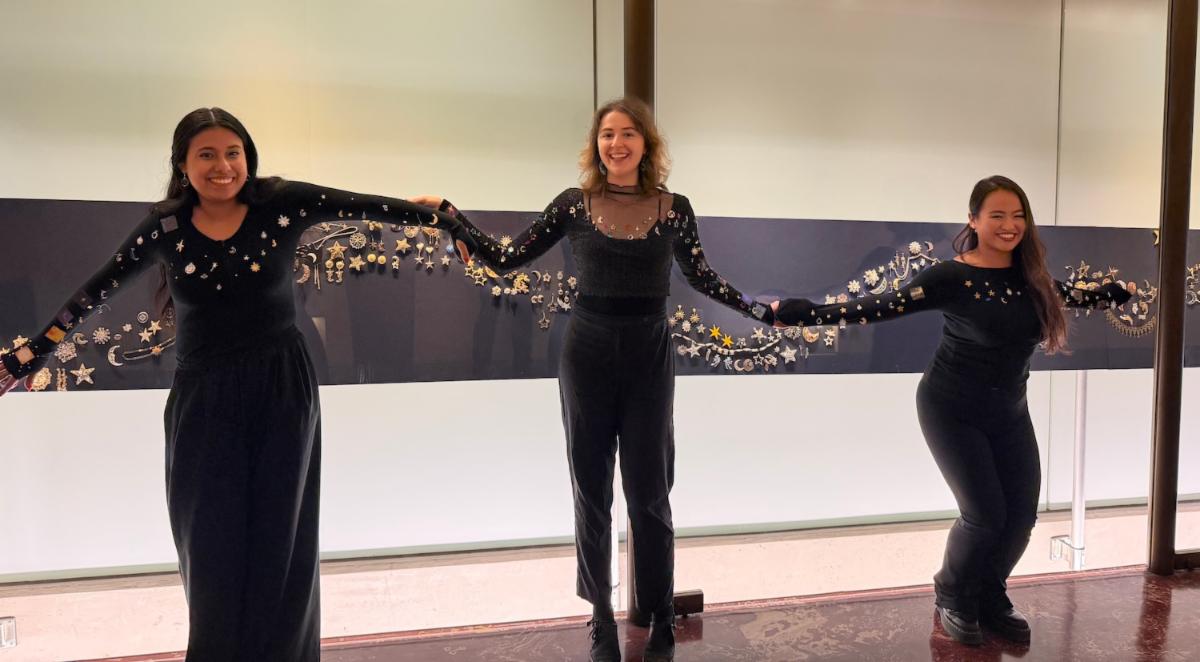
| Astronomical Observer Vanessa Alarcon, Video Production Coordinator Ella Ritts, and Secretary/Digital Communications Coordinator Pixie Iwata joined hands to become Griffith Observatory's Cosmic Connection. | | |
Griffith Observatory sits on the side of Mount Hollywood within Griffith Park, one of the largest municipal parks in North America and home to over 4,210 acres of natural chaparral and landscaped parkland. We share this area with wildlife of many kinds.
Images captured in the vicinity of Griffith Observatory since last October reveal the diversity and ubiquity of these critters.
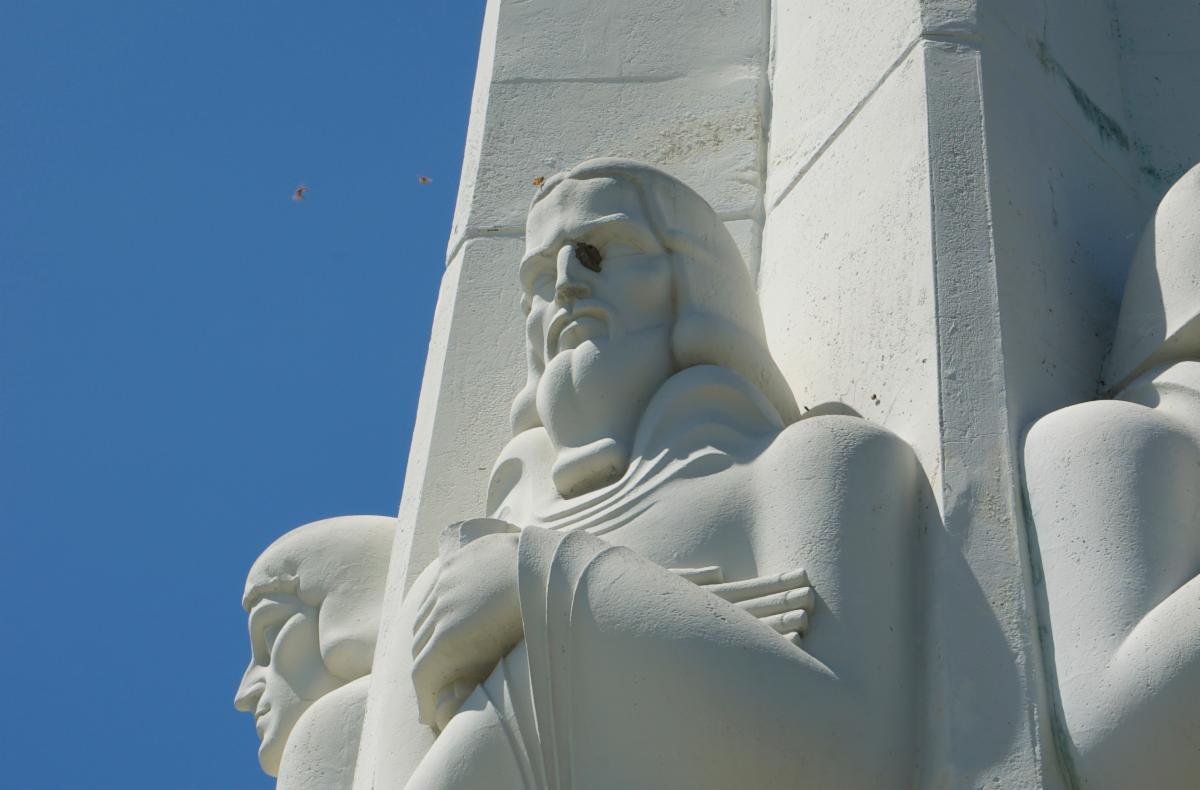
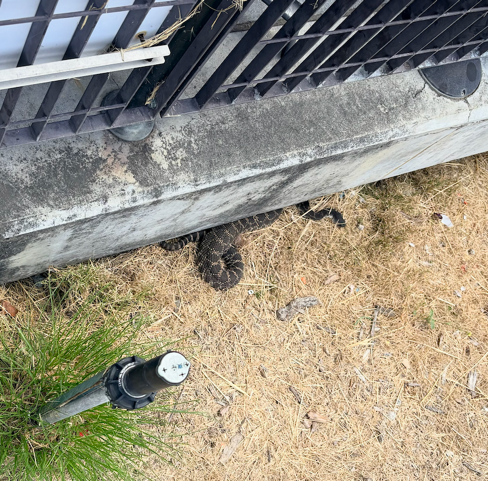
| | Wasps fashioned an eyepatch for Hipparchus on the Astronomers Monument in July. (Ella Ritts) | | A big rattlesnake was spotted under the Observatory's Sunset Terrace in May. Fear not—if you recall last year's spooky newsletter, Park Rangers are well-versed in relocating rattlesnakes off the public path. Stay on the trail! (David Seidel) | | |
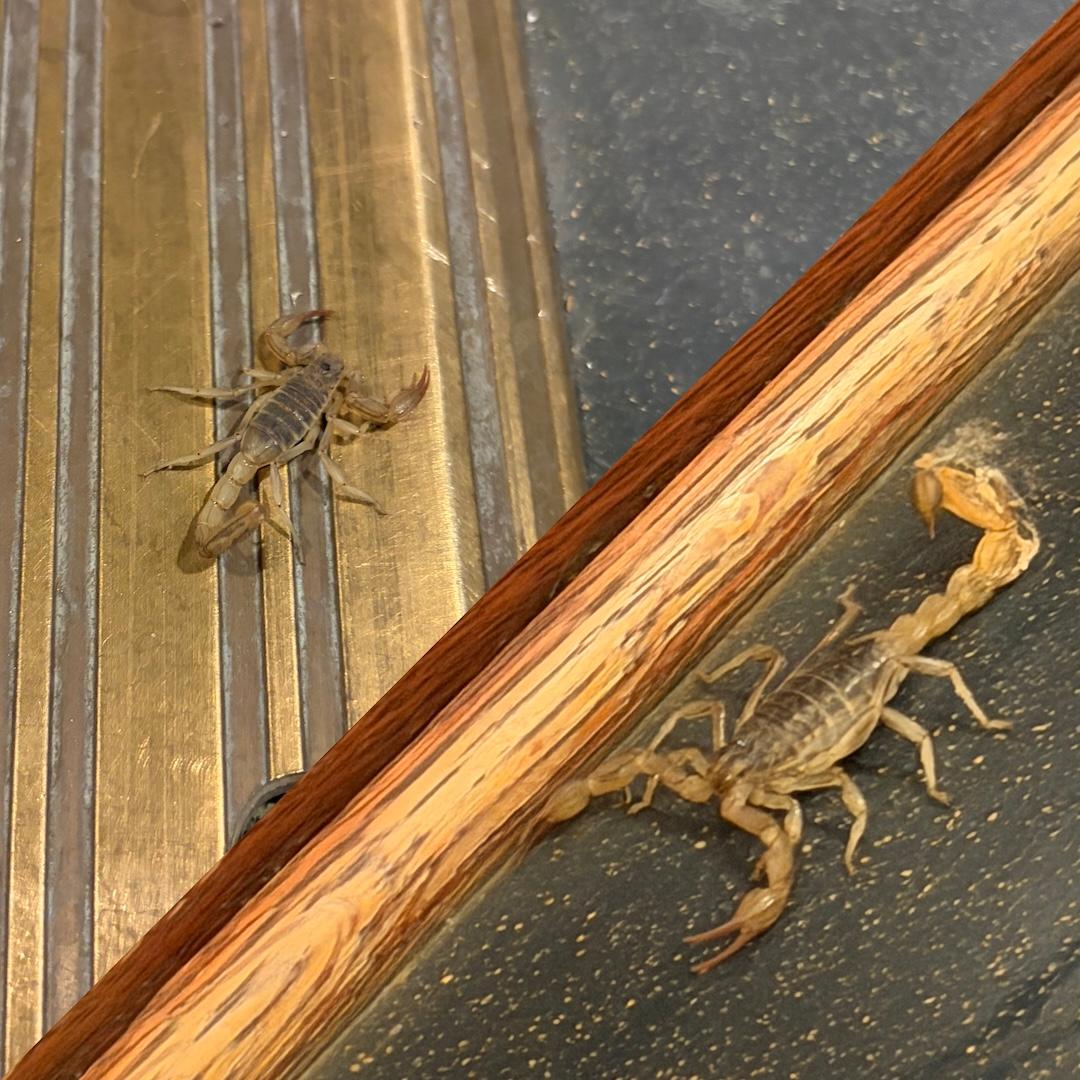
Left: A small scorpion was encountered in a doorway in the Observatory's Gunther Depths of Space in September. (Alissa Bramble)
Right: A surprise scorpion invaded the back offices yesterday, October 21! (Pixie Iwata)
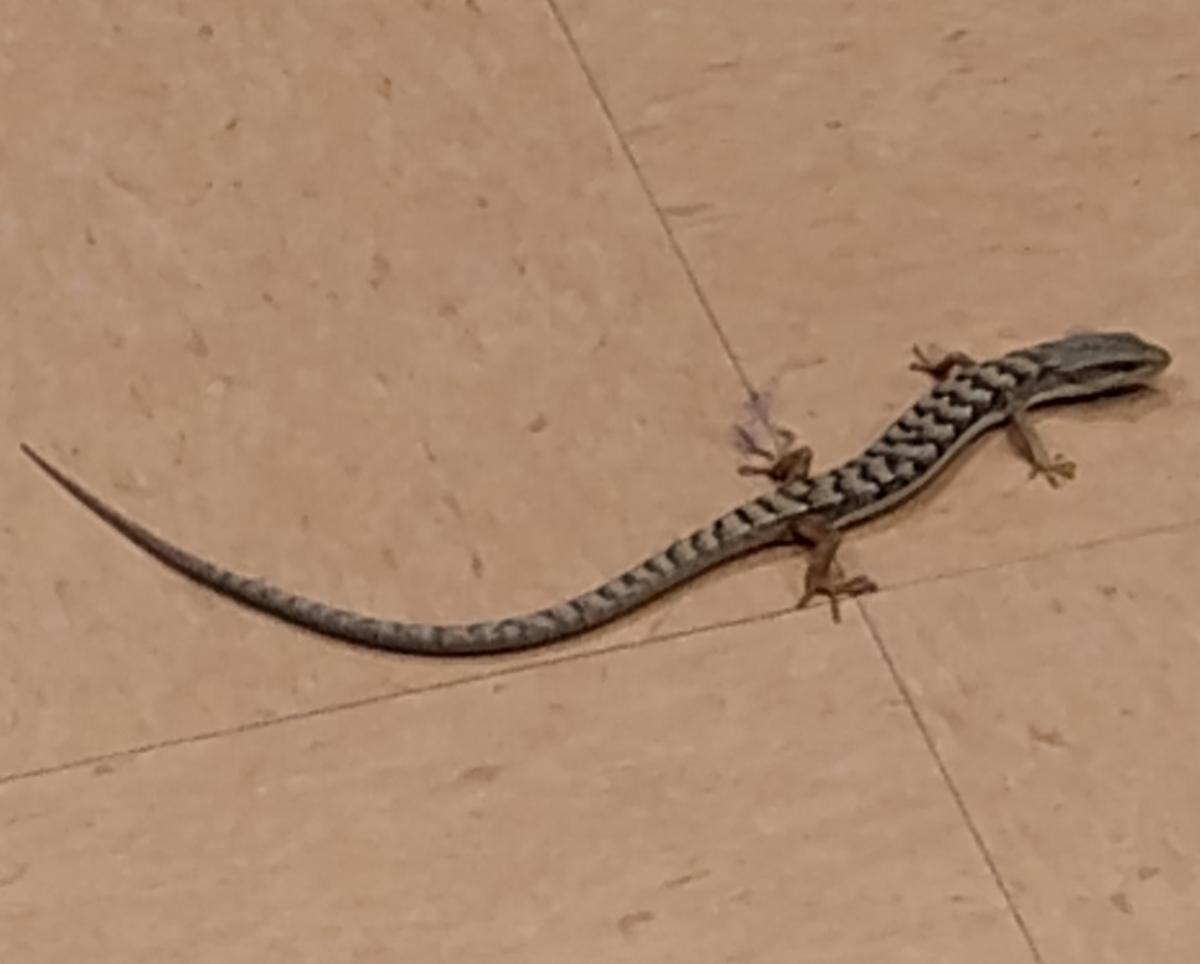
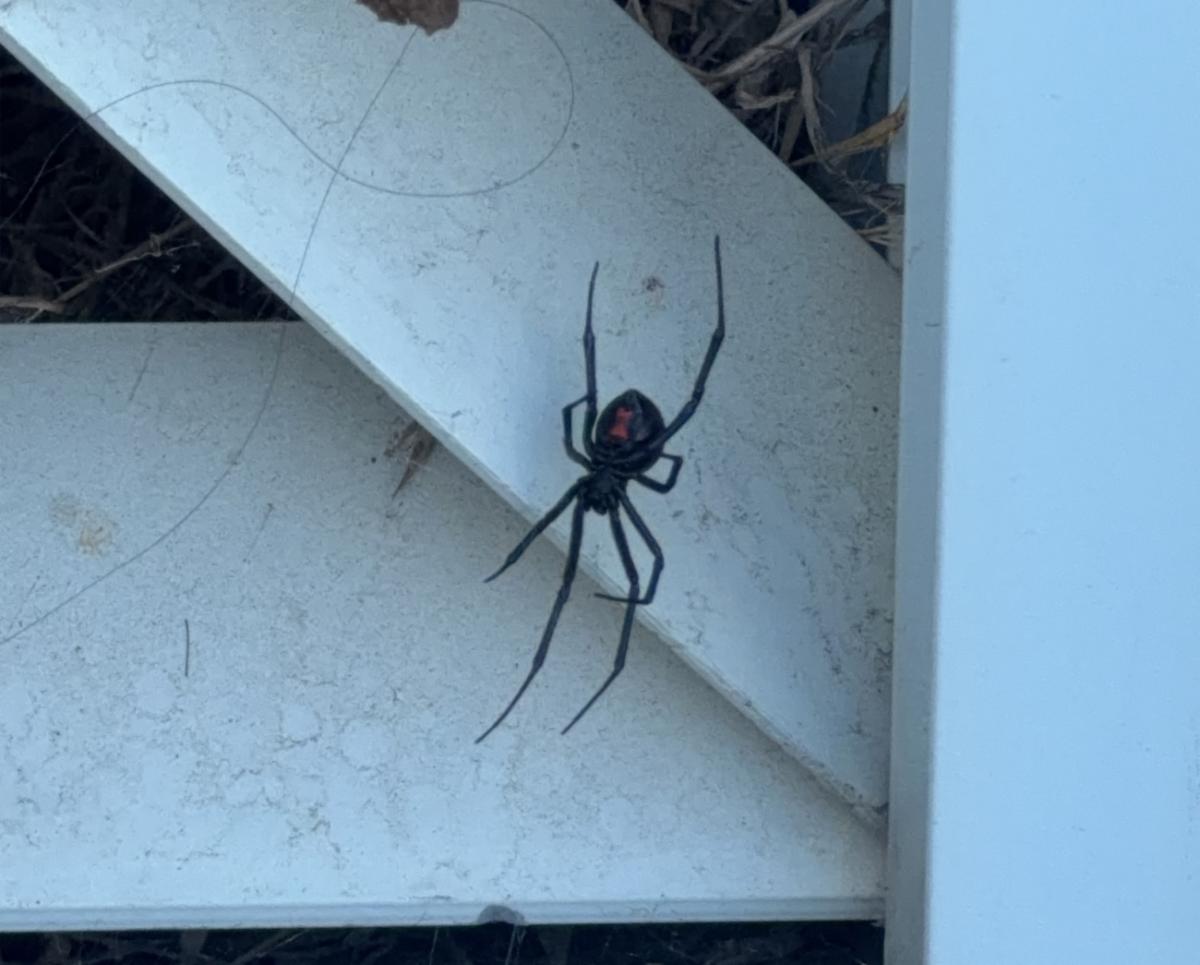
| | A western alligator lizard skittered across the floor of Griffith Observatory's satellite facility in September. (Chris Butler) | | A black widow hung out in the window grating near the Observatory staff entrance this month. (Pixie Iwata) | | |
Are you curious about previous Griffith Observatory Foundation Spooky Newsletters? 🧛
Check out the editions from 2025, 2024, 2023, and 2022.
| | Support Griffith Observatory | | |
Behind every new or improved exhibit, experience, or program at Griffith Observatory are the Foundation members, donors, and partners who help make them possible.
✦ Become a Member: Our membership program lets you support the Observatory you know and love while enhancing your experience as a visitor.
✦ Make a Donation: Every contribution—no matter what size—has a direct impact on one of Los Angeles' most significant landmarks and valuable public resources.
| | | | |