November is gastric cancer awareness month. This #GivingTuesday, please consider supporting our work by donating to our Fall fundraising campaign.
AGA-Gastric Cancer Foundation Grantee Sam Klempner’s Research Boosts Understanding of Peritoneal Spread
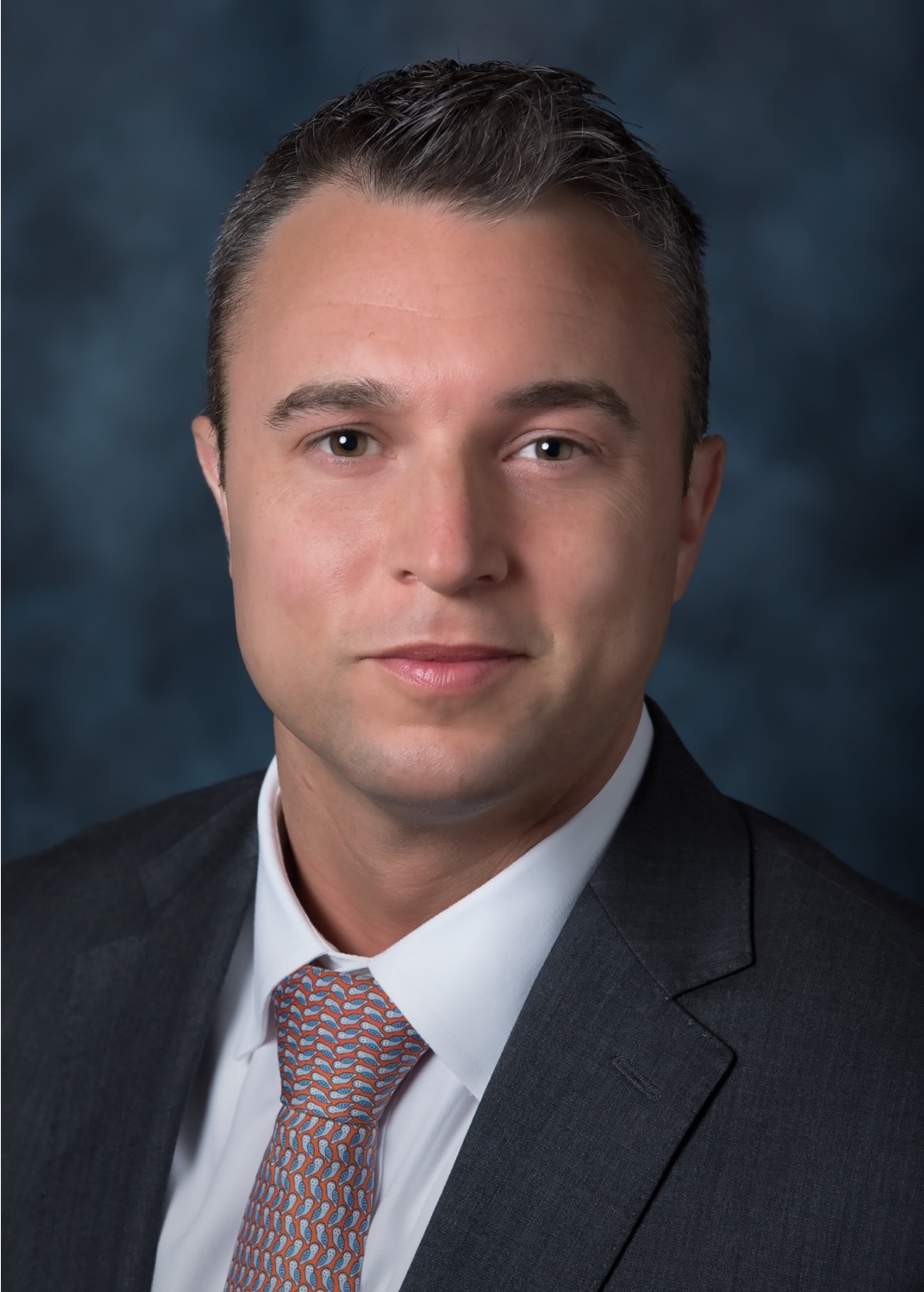
When Samuel J. Klempner, M.D. received the $300,000 Ben Feinstein Memorial Research Scholar Award from the Gastric Cancer Foundation and the American Gastroenterology Association (AGA) in 2020, his goal was to probe causes and potential solutions to “peritoneal spread”—the migration of cancer cells into the lining of the abdomen. About 40% of patients experience this problem, which greatly lowers the odds of survival. 

Klempner is excited about what he’s learned so far and enthusiastic about his research plan for the final year.

Klempner’s mission is to study the composition of the abdominal fluid in gastric cancer patients with peritoneal spread, which is called the ascites (uh-SY-tees), Specifically, he set out to characterize the immune components of ascites. Using ascites samples from 25 gastric cancer patients, his team analyzed single cell RNA sequencing data to determine what’s floating in the fluid—and to improve the understanding of how those components make defeating the cancer so difficult.

An early observation that the filtered ascites fluid helped tumor and immune cells survive led to an unanticipated direction toward studying the circulating factors in ascites. One area includes “exosomes” which are tiny vesicles that have been implicated in promoting tumor growth and driving resistance to some therapies, including immune therapies. The researchers found that exosomes are “very abundant” in ascites, Klempner said, and that they promote tumor cell invasion and blood vessel formation. “After exosomes are taken up by tumor cells, they give them information and growth signals to help them stay alive,” he said. “That’s probably one of the reasons ascites is difficult to treat.” 

“It’s a fantastic time to be a GI researcher, with a lot of new drugs and targets...I’m so thankful to the Foundation for providing this funding that’s helping us to answer so many tough questions.” - Samuel J. Klempner, M.D.
The Gesundheit Kitchen is "on the road" again with Tips for Everyday Eating!

Food is more than just fuel; it’s also a huge part of our cultural and social life. In this segment, we’ll head to a restaurant to talk tips on how to order “smart” when dining out with friends and family. With a little planning and foresight, gastric cancer patients can confidently take their place at the table when dining out.
Research Roundup
Researchers have made inroads identifying new targets in gastric cancer that could inspire novel treatment and prevention methods.

Nuvectis Pharma reported positive preclinical data on its novel drug that targets ARID1a mutations in gastric cancer. It estimates that at least 20% of patients diagnosed each year have this mutation in their stomach tumors. The company has started clinical trials of the drug, called NXP800.

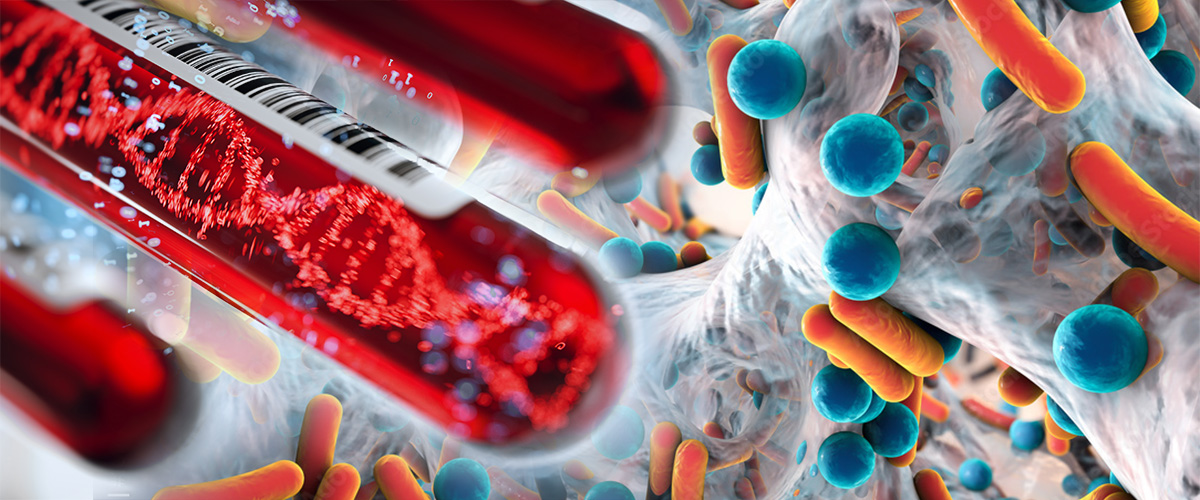
Researchers at Memorial Sloan Kettering identified microbial characteristics of tumors taken from different gastric cancer samples. In addition to Helicobacter, a known carcinogen, they found that Lactobacillus, Streptococcus, Prevotella, and Bacteroides were more prevalent in gastric tumors than in nonmalignant tissues. They believe their findings could point to microbial targets for new therapies.

Researchers in China hypothesized that identifying how the metabolism changes in patients with gastric cancer could improve the diagnosis and detection of the disease. They used blood samples and mass spectrometry to identify specific metabolites that they believe may be useful for the early identification of gastric cancer in asymptomatic people.
Quick Links to Resources
Special Thanks to Our
National Sustaining Sponsors
Spread the word. Share the Gastric Cancer Foundation Newsletter.